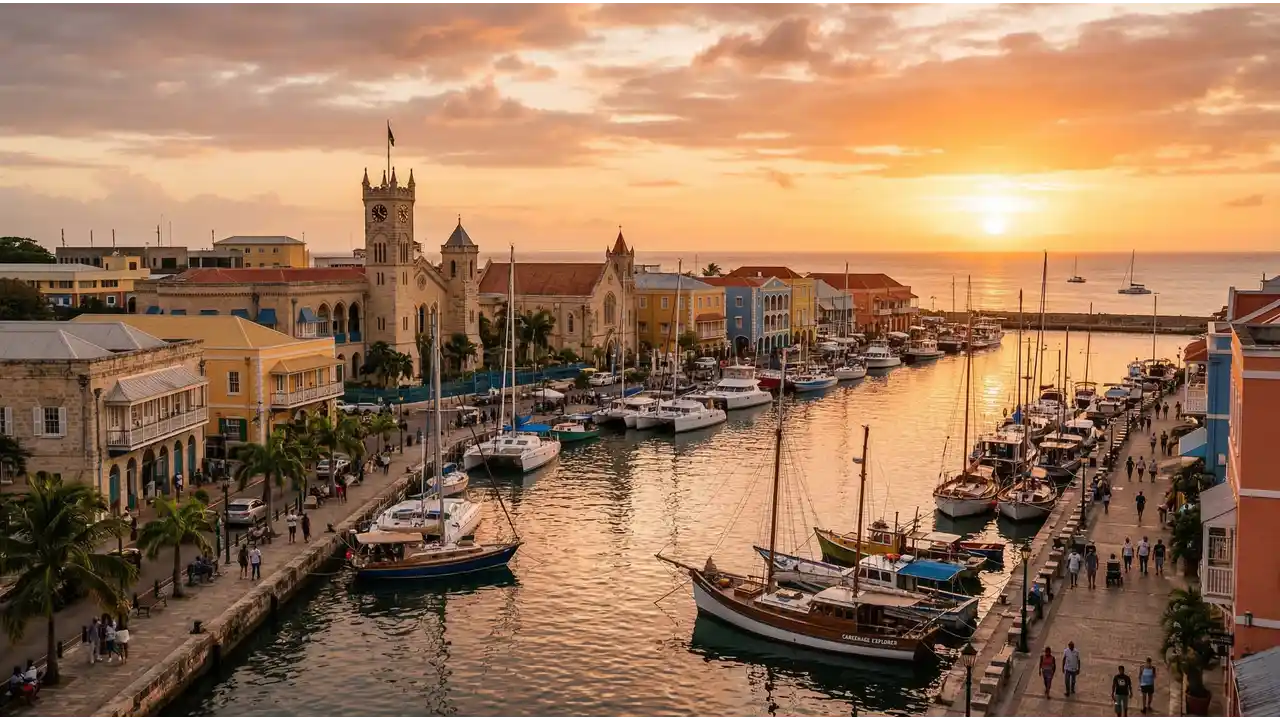
St. Lucia is a small island nation in the Eastern Caribbean with roughly 180,000 residents. The economy depends on tourism, agriculture, and increasingly remote work visas. Daily life centers on Castries (the capital), Rodney Bay in the north, and smaller towns like Soufrière in the south. The island has a tropical climate with hurricane season from June through November. English is the official language, though French Creole is widely spoken. Infrastructure includes decent roads, reliable electricity, and growing internet availability, though service can be inconsistent outside major centers. Most expats settle in Rodney Bay or around Pitons due to tourism infrastructure. Shopping, banking, and dining options exist but are limited compared to larger Caribbean islands or US cities.
💡 Local Insights
St. Lucia · 2026
St. Lucia's cost of living reflects its size and tourism economy. Housing dominates expenses at $1,749/month on average, reflecting both limited supply and expat demand. One-bedroom apartments near Rodney Bay or Pitons run $1,200 to $2,300/month; outside tourist zones, you might find options from $900 to $1,500. Local rentals are sometimes cheaper than expatriate-marketed listings. Groceries average $266/month if you buy local produce at markets rather than imported brands at supermarkets. A chicken breast costs roughly $3 to $4 at a market versus $6 to $7 imported. Transport is informal (minibuses, roughly $1 per ride in Castries) or private vehicle rental ($40 to $60/day). Utilities and internet can spike during summer months. Expats typically pay more than locals for identical services; asking locals for recommendations on grocers and landlords yields better pricing. Healthcare quality is mixed; serious issues often require travel to Barbados or the US.
Frequently Asked Questions
How much does it cost to live in St. Lucia per month?
A moderate lifestyle costs $2,575/month. Housing averages $1,749/month. Groceries run $266/month if you shop locally. Beyond that, utilities, transport, dining out, and entertainment fill the remaining $560. A tighter budget of $1,545/month is possible by living outside tourist areas and cooking at home; a comfortable lifestyle spending $3,991/month allows for dining out regularly, private transport, and frequent travel. Most costs cluster around Castries and Rodney Bay; southern areas like Soufrière are slightly cheaper but have fewer services.
What is the average rent in St. Lucia?
Rent averages $1,749/month for a typical one-bedroom apartment. In Rodney Bay (the main expat zone with restaurants and bars), expect $1,400 to $2,300/month for a one-bedroom with amenities. Outside tourist areas, one-bedroom rentals run $900 to $1,500/month. Two-bedroom homes average $1,800 to $2,800/month near Rodney Bay, $1,200 to $1,800 elsewhere. Leases typically require 2 to 3 months' deposit upfront. Utilities (electricity, water, internet) add $150 to $300/month. Expat-marketed properties on Airbnb or international sites cost 20 to 40 percent more than local listings. Landlords often prefer long-term tenants; negotiate during low season (May to October).
Is St. Lucia cheap to live in for expats?
Not particularly. St. Lucia is moderate to expensive for the Caribbean. Housing costs more than Trinidad and Tobago or Grenada but less than Barbados or Cayman Islands. Groceries are significantly cheaper than North America or Western Europe, but imported goods cost more than local alternatives. Internet and utilities can be pricey. Expats often pay 30 to 50 percent premiums over locals for rentals and services. The island works well if you have remote income in strong currency or a pension; it becomes tight on a fixed US budget under $2,000/month. Tourism demand, limited real estate supply, and small population drive prices up relative to larger Caribbean islands.
How much does food cost per month in St. Lucia?
Groceries average $266/month if you buy local produce, rice, and basic proteins at markets. Local mangoes, plantains, and root vegetables cost 50 to 70 percent less than imported produce. Chicken runs $3 to $4/pound at markets, beef $5 to $7/pound. Imported goods (cheese, packaged snacks, cereals) at supermarkets cost double or triple US prices. Eating out averages $12 to $18 for casual local meals, $25 to $50 for restaurant dinners. Cooking at home is essential to keep costs low. Friday's (the supermarket chain) stocks both local and imported items; market shopping requires knowledge of seasonal availability but offers better value.
What salary do you need to live comfortably in St. Lucia?
A comfortable lifestyle requires $3,991/month (roughly $48,000/year). This covers $1,749/month for housing, $266/month for groceries, and leaves $1,976 for dining out 2 to 3 times weekly, domestic help, utilities, transport, and occasional travel. Many expats with remote jobs earning $4,000 to $6,000/month report living well. Those on $2,575/month (the moderate figure) can be comfortable but must budget carefully and avoid frequent travel. Retirees on fixed pensions under $2,000/month find it tight unless they accept shared housing or rural areas. Healthcare emergencies can drain savings quickly, so a safety margin is wise.
How does the cost of living in St. Lucia compare to other places?
St. Lucia's moderate lifestyle costs $2,575 per month, with housing running $1,749 monthly. This positions it in the mid-to-upper range for the Caribbean. Jamaica is notably cheaper at $1,750 overall, though that reflects lower wages and service costs across the board. Dominica, a comparable peer island, runs $2,325 monthly with housing at $1,544, so slightly more affordable than St. Lucia across the board. The Bahamas is meaningfully dearer at $3,625 for a moderate lifestyle, with housing alone at $2,058.
Your budget stretch further in Jamaica, but St. Lucia and Dominica offer similar value propositions. The Bahamas caters to a different income bracket. Keep in mind that St. Lucia's tourism-heavy economy and imported goods drive costs higher than some regional neighbors, but it remains accessible compared to developed-world destinations.
Yes, but with strict discipline. A budget of $1,545/month works if you rent outside Rodney Bay ($800 to $1,100/month), cook exclusively at home ($200 to $250/month groceries), use minibuses for transport, and avoid dining out and entertainment. You have roughly $200 to $350 left for utilities, internet, and emergencies. This budget requires living locally (not as an expat), speaking Creole, and accepting limited comfort. Many digital nomads and early retirees do this, but it leaves little cushion for medical costs, travel, or repairs. It is doable for disciplined, adaptable people; others find the psychological toll of constant budgeting outweighs the savings.