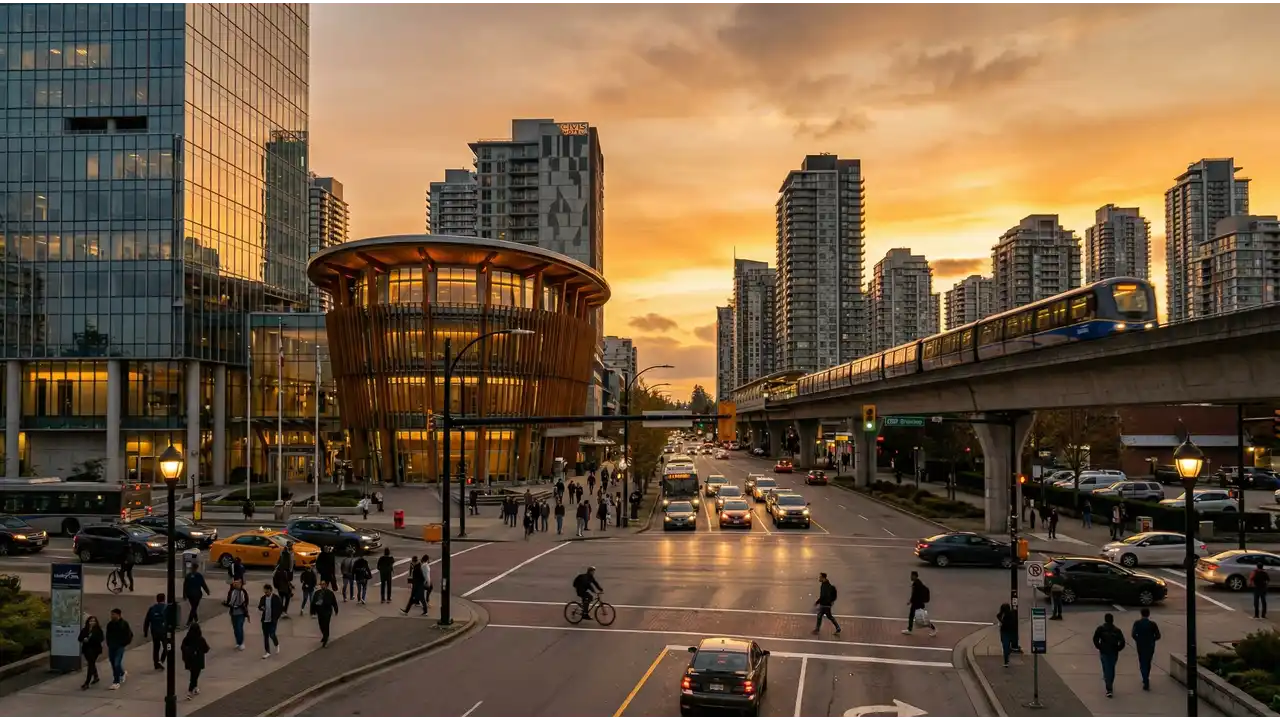
Kelowna is a lake city of roughly 150,000 people in British Columbia's interior, centered on Okanagan Lake. It functions as a regional hub for wine country, tech startups, and retirees. Summers are warm and dry, winters are cold with regular snow. The city has developed rapidly over the past decade, attracting young families, remote workers, and people escaping coastal density. Daily life centers around the lake, local wineries, outdoor recreation, and increasingly, downtown restaurants and offices. Traffic congestion has worsened noticeably. Most residents drive, though transit exists. The economy is driven by tourism, vineyards, construction, and an emerging tech sector.
💡 Local Insights
Kelowna BC · 2026
Kelowna has become noticeably less affordable since 2015, driven primarily by housing demand from interprovincial migration and investment. A moderate lifestyle runs $2,600/month, with housing accounting for $1,253/month. Rent for a one-bedroom apartment in central neighborhoods like Downtown or Rutland ranges from $1,200 to $1,400; two-bedroom apartments run $1,400 to $1,700. Detached homes for purchase start around $700,000. Groceries average $435/month for a single person buying standard items at Save-On-Foods or Costco. Eating out is moderately priced, with casual restaurants charging $14 to $22 per entree. Transit (BC Transit) costs $110/month for unlimited travel, but most residents rely on cars. Gas is typically within 5 to 10 cents of the Canadian national average. Expats report that Kelowna feels cheaper than Vancouver or Toronto but offers fewer urban services. The biggest cost surprise is typically housing, which has outpaced wage growth significantly.
Frequently Asked Questions
How much does it cost to live in Kelowna BC per month?
A moderate lifestyle costs $2,600/month for one person. This breaks down as: housing $1,253/month, groceries $435/month, utilities and internet around $200, transport $150 to $300 (depending on car ownership), and discretionary spending on dining, entertainment, and recreation $250 to $400. A tighter budget of $1,560/month is possible if you rent further from downtown and minimize dining out. A comfortable lifestyle with dining out regularly, hobbies, and travel savings runs $4,030/month or higher.
What is the average rent in Kelowna BC?
Average rent is approximately $1,253/month. One-bedroom apartments in central areas (Downtown, Rutland) rent for $1,200 to $1,400/month. Two-bedroom apartments range from $1,400 to $1,700/month. Three-bedroom homes or townhouses rent for $1,700 to $2,200/month. Prices are lowest in outer neighborhoods like Dilworth Drive or north Kelowna, where one-bedrooms drop to $1,100 to $1,250/month. Shared rentals are available from $700 to $900/month per room. Buying is significantly more expensive, with median home prices around $700,000 for a detached house.
Is Kelowna BC cheap to live in for expats?
Kelowna is moderately priced for Canadian expats and markedly cheaper than Vancouver or Toronto, but no longer a bargain. Housing has appreciated sharply, driven by interprovincial migration and investment. At $1,253/month for rent, it sits above affordable threshold for many expats on limited incomes. However, it remains less expensive than major U.S. West Coast cities (Seattle, Portland, San Francisco). Expats from Australia, the UK, or Northern Europe often find it reasonable. Those relocating from rural or lower-cost regions may find it pricey. The stable climate, lake access, and legal stability appeal to many despite rising costs.
How much does food cost per month in Kelowna BC?
Groceries average $435/month for one person shopping at mainstream stores. A typical weekly shop includes: milk ($6), bread ($4), eggs ($4), chicken ($12 to $15), beef ($18 to $22 per pound), produce ($20 to $30 depending on season), and pantry staples ($15 to $20). Farmer's markets operate seasonally and offer competitive produce prices. Eating out is moderate: casual restaurants charge $14 to $22 per entree, coffee runs $5 to $6, and a beer $6 to $8. Kelowna has no significant price premium for dining relative to other B.C. interior cities. Specialty or organic groceries cost 10 to 20 percent more.
What salary do you need to live comfortably in Kelowna BC?
A comfortable lifestyle costs approximately $4,030/month, suggesting a gross annual income of around $55,000 to $60,000 for a single person. This budget allows for dining out 2 to 3 times per week, hobbies, fitness memberships, travel savings, and modest home entertainment. After-tax income of $48,000 to $52,000 annually is typically sufficient. Couples can live more affordably per person on a shared budget of $5,500 to $6,000/month combined. Families with children should budget higher due to school activities, childcare, and larger housing needs. Remote workers earning in USD or other strong currencies find Kelowna quite comfortable; those earning in CAD at median local wages ($50,000 to $60,000) manage but have limited savings capacity.
How does the cost of living in Kelowna BC compare to other places?
Kelowna runs $2,600 per month for a moderate lifestyle, positioning it squarely in the middle of Canadian comparison points. Montreal is notably cheaper at $2,050 per month, making it a solid option if cost reduction is your priority. Ottawa sits just below Kelowna at $2,350 per month, so you're looking at minimal difference between these two cities. Nassau is substantially dearer at $3,625 per month, reflecting its Caribbean location and tourism-driven economy.
Housing specifically tells a similar story. Kelowna's moderate housing costs $1,253 per month, compared to Montreal's $1,044 per month and Ottawa's $1,288 per month. Nassau's housing jumps to $2,058 per month. If you're relocating from a major US city or coastal Canadian center, Kelowna offers genuine affordability. The trade-off is access to services and job markets found in larger metros.
Yes, but with deliberate compromises. Budget rent at $900 to $1,050/month by renting in outer neighborhoods or sharing. Groceries at $350 to $400/month (buying store brands, minimal specialty items). Utilities and internet $150. Transit or minimal car costs $100 to $150. This leaves $60 to $160 for discretionary spending. Dining out becomes rare (maybe once or twice per month). This is the budget-tier lifestyle, sustainable for students, recent arrivals, or those with minimal debt. It works if you have stable employment, no dependents, and are comfortable with a modest social life. Remote work or a side income makes it more comfortable.