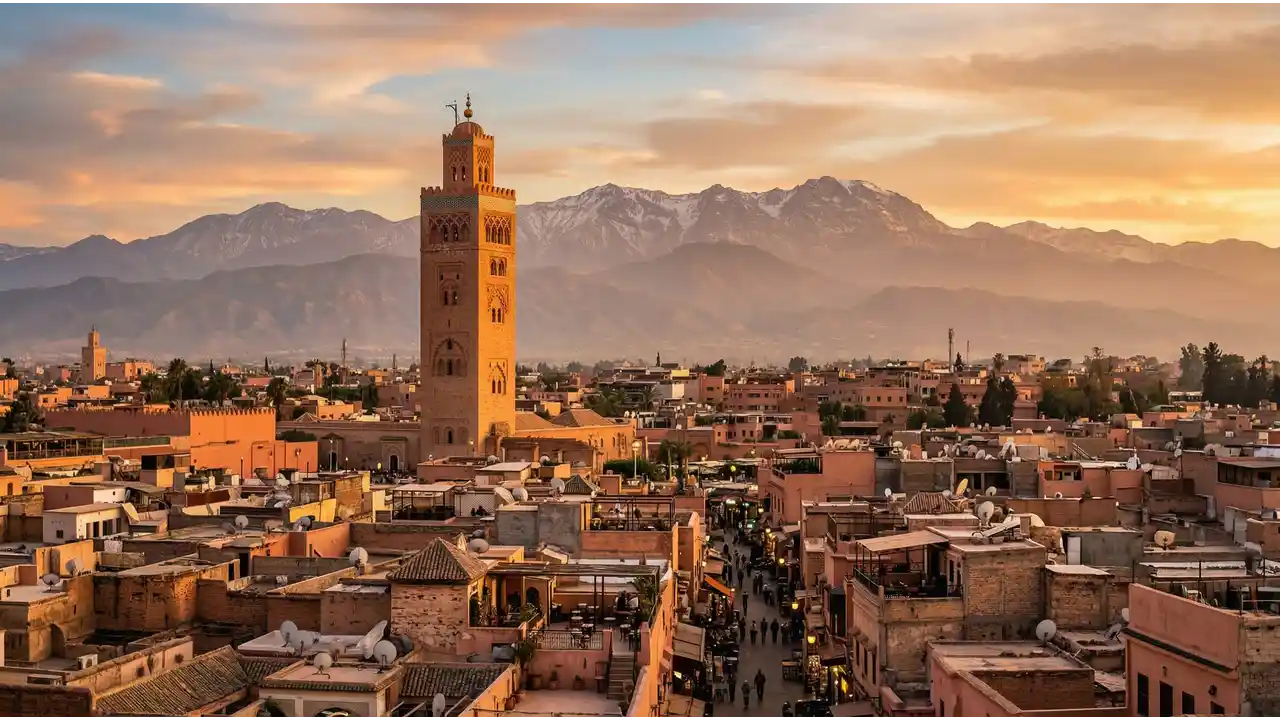
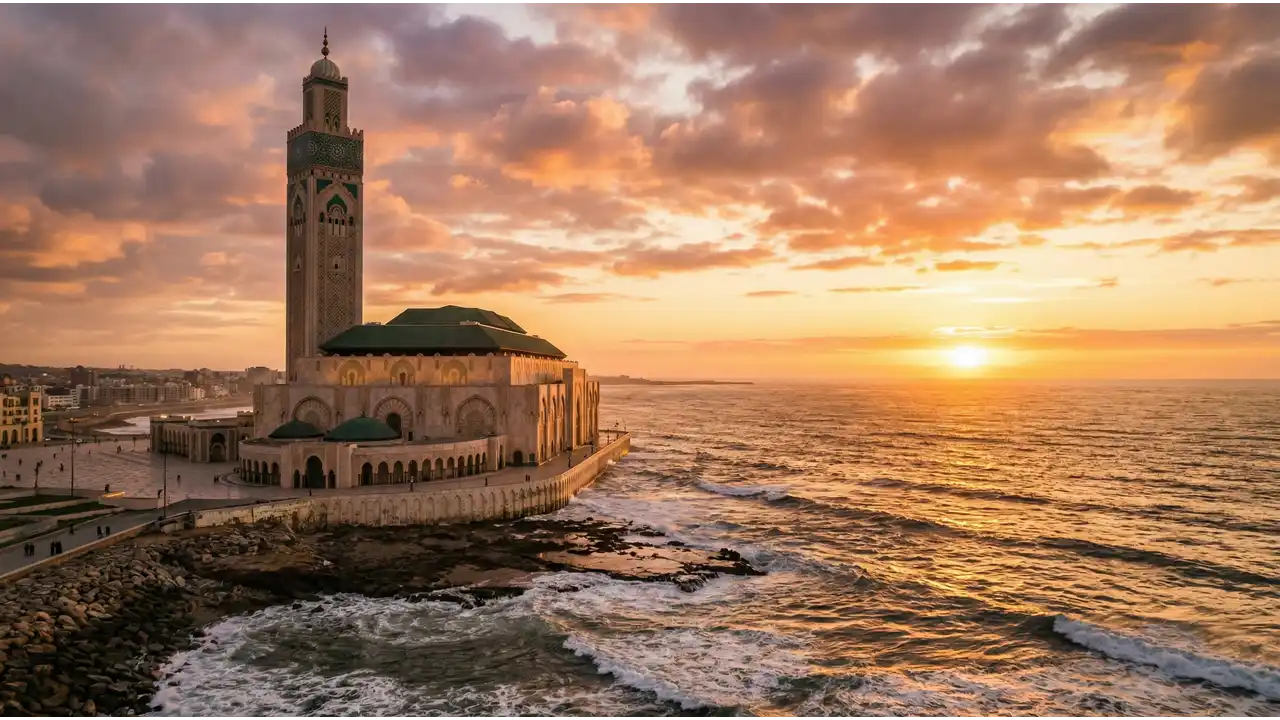
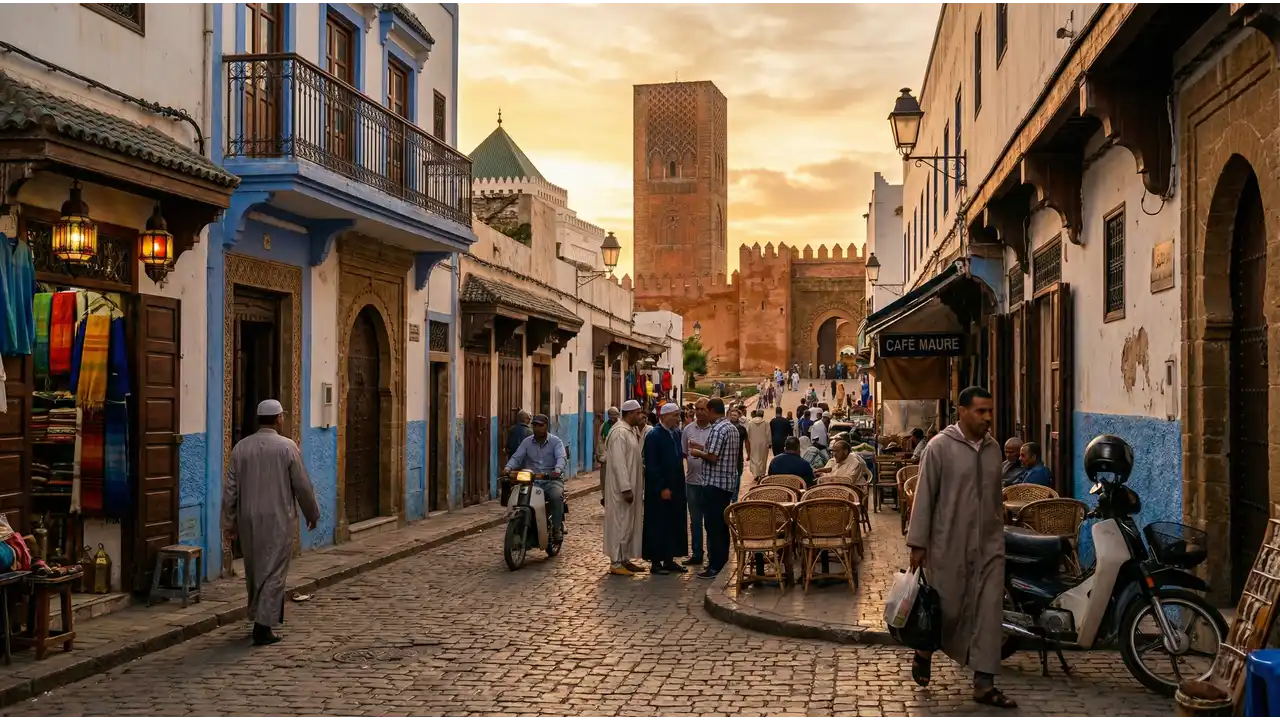
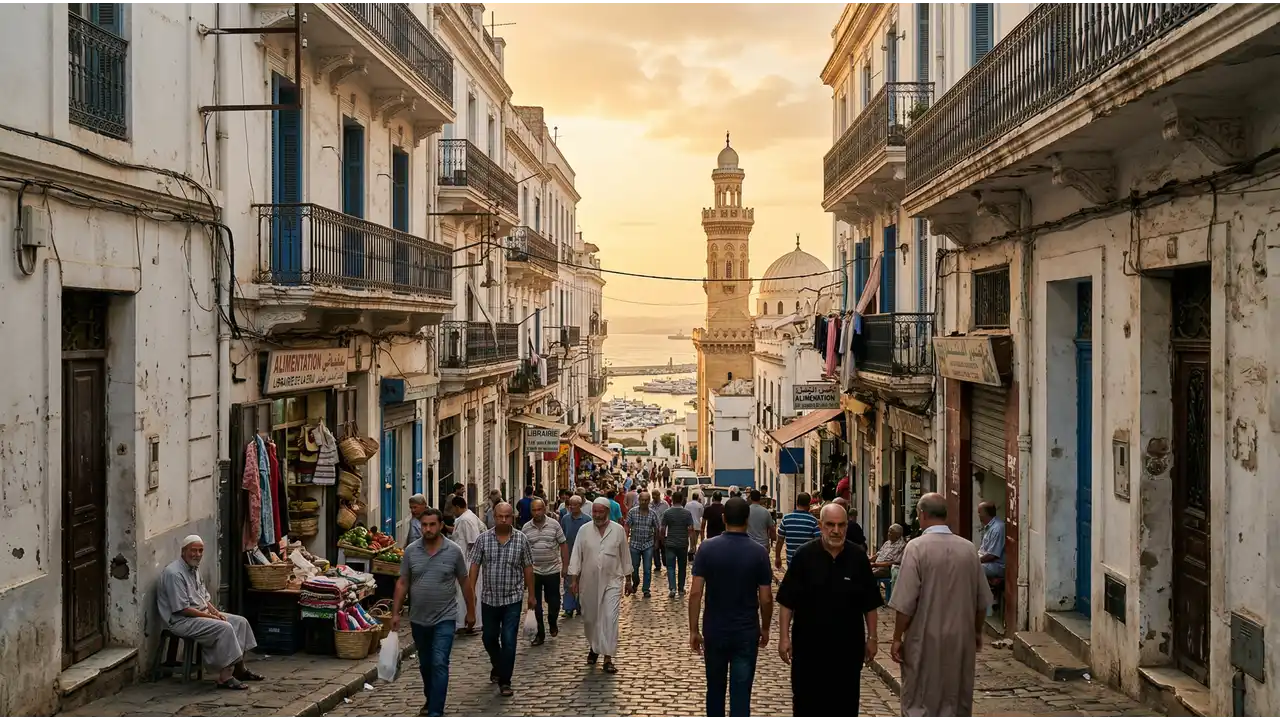
Marrakech is a working city of roughly 930,000 people in central Morocco, not primarily a tourist resort despite the medina's international visibility. Daily life centers on the old city's dense neighborhoods, newer districts like Gueliz and Hivernage, and surrounding Berber communities. The climate is hot and dry, with summers reaching 40C (104F) and mild winters. French and Arabic dominate; English is sparse outside tourism. Most residents are Moroccan; expat communities cluster in certain neighborhoods but remain small. Daily rhythms follow Islamic prayer times and the working week (Monday to Friday, plus Saturday for many). Traffic is congested, power cuts occasional, and water quality varies by area. The pace is slower than major Western cities, with extended midday breaks common.
💡 Local Insights
Marrakech · 2026
Marrakech costs significantly less than Western European cities but has risen for expats over the past decade. Housing at $369 per month covers a modest one-bedroom apartment in older medina areas or basic furnished flats in Gueliz; expat-facing rental prices run higher, typically $400 to $600 for comparable comfort and amenities. Monthly groceries at $171 reflect buying locally (markets are cheaper than supermarkets) and cooking at home; eating restaurant meals daily would push food costs up sharply. Transport is extremely cheap (buses under $1 per ride, taxis under $5 for most trips), but many expats use private drivers or rental cars, which adds cost. Utilities (electricity, water, internet) average $30 to $50 monthly but spike in summer. Expat pricing exists: landlords quote higher rents to foreigners, and restaurants in tourist zones charge triple the medina price. Negotiation is standard in housing and informal markets. Healthcare is affordable; private clinics serve expats but require out-of-pocket payment or international insurance.
Frequently Asked Questions
How much does it cost to live in Marrakech per month?
A moderate lifestyle costs around $900 per month. This covers housing ($369), groceries and basic meals ($171), utilities ($40), transport ($20), and entertainment and personal items ($300). A tighter budget of $540 per month is feasible if you eat only local food, use public transport exclusively, and avoid dining out. A comfortable lifestyle runs to $1,395 per month, with better housing, regular restaurant meals, private transport, and more leisure spending. Actual costs vary sharply by neighborhood, housing standard, and how much you engage with expat-oriented services versus local alternatives.
What is the average rent in Marrakech?
Average rent is approximately $369 per month for a basic one-bedroom apartment. In the medina (old city), unfurnished flats run $250 to $400; in Gueliz (the newer commercial district), $350 to $500. Furnished apartments targeting expats typically start at $450 to $700. A small studio or room in a shared house costs $150 to $250. Prices depend heavily on amenities (hot water, internet, air conditioning), condition, and landlord expectations of tenant nationality. Expats are regularly quoted 30 to 50 percent above the local rate. Long-term leases (12 months) negotiate better than short-term rentals. Registration and contracts are often informal; written agreements protect both parties.
Is Marrakech cheap to live in for expats?
Yes, Marrakech is substantially cheaper than Western cities, but not as inexpensive as travelers expect. A one-bedroom apartment costs far less than in Paris or Madrid, and food and transport are bargain-priced. However, housing marketed to expats commands premiums, and utilities can spike unexpectedly. Many expats report their actual spending running 20 to 40 percent above budget because of restaurant dining, air conditioning in summer, private transport, and Western groceries. Compared to other North African cities, Marrakech sits in the middle: cheaper than Casablanca or Rabat for rent, but similar for food. The cost advantage erodes if you recreate a Western lifestyle; it persists if you live locally and use public services.
How much does food cost per month in Marrakech?
Monthly groceries average $171 when shopping at local markets and supermarkets. A kilogram of chicken runs $3 to $4, tomatoes $0.50 per kilogram, eggs $1 per dozen, bread $0.30 per loaf, and rice $1 per kilogram. Imported goods (cheese, chocolate, Western cereals) cost three to five times more than locally grown food. Eating at local (non-tourist) restaurants costs $2 to $4 per meal; a tagine or couscous meal in the medina runs $2 to $3. Tourist-zone restaurants charge $8 to $15 for the same dishes. Supermarkets like Carrefour and Marjane have Western products at higher prices. Street food (grilled meat skewers, pastries, fresh juice) costs under $1 per item and is widely available and safe.
What salary do you need to live comfortably in Marrakech?
A comfortable lifestyle requires about $1,395 per month. This covers nicer housing with air conditioning and hot water ($500 to $700), regular restaurant meals ($300), private or frequent taxi transport ($100), utilities and internet ($50), health insurance ($50), and leisure and personal care ($200 to $400). Remote workers earning $1,500 to $2,000 per month (in USD) typically live well, with savings. On less than $1,000 per month, comfort is possible but requires discipline: cooking at home, using public transit, avoiding tourist restaurants, and accepting older housing. Currency matters: if paid in Moroccan dirhams or earning locally, your buying power is lower. Expats on fixed low incomes often move to smaller towns south of Marrakech for further cost reduction.
How does the cost of living in Marrakech compare to other places?
Marrakech is genuinely affordable compared to most major African cities. A moderate lifestyle here runs $900 per month, with housing at $369 per month. For context, Dar es Salaam comes in as a peer city at $950 monthly, though its housing costs notably higher at $492 per month. If you're looking for cheaper options, Tripoli runs just $575 per month with housing at $240 per month. On the other end, Lagos is substantially dearer at $1,300 per month, with housing alone costing $779. The real advantage in Marrakech is that your money stretches further on food, transport, and daily services compared to wealthier African hubs, while still offering the amenities and infrastructure of a major city. Your budget will go significantly further here than in Lagos, and housing remains particularly reasonable even by regional standards.
Yes, but with significant trade-offs. This budget allows modest housing ($250 to $300), groceries and local meals ($171), utilities ($30), and minimal transport or entertainment ($90 to $120). You must rent in the medina or a working-class neighborhood, cook nearly all meals at home, avoid restaurants, use only buses and shared taxis, and have no room for emergencies or leisure spending. Many Moroccan residents live on this budget or less, but expats typically find it tight. Internet (if reliable) may consume $10 to $15 monthly. Healthcare, visa runs, or unexpected repair costs immediately cause stress. This budget works short-term or for highly disciplined travelers; longer stays usually require $700 to $900 to avoid constant anxiety and preserve wellbeing.