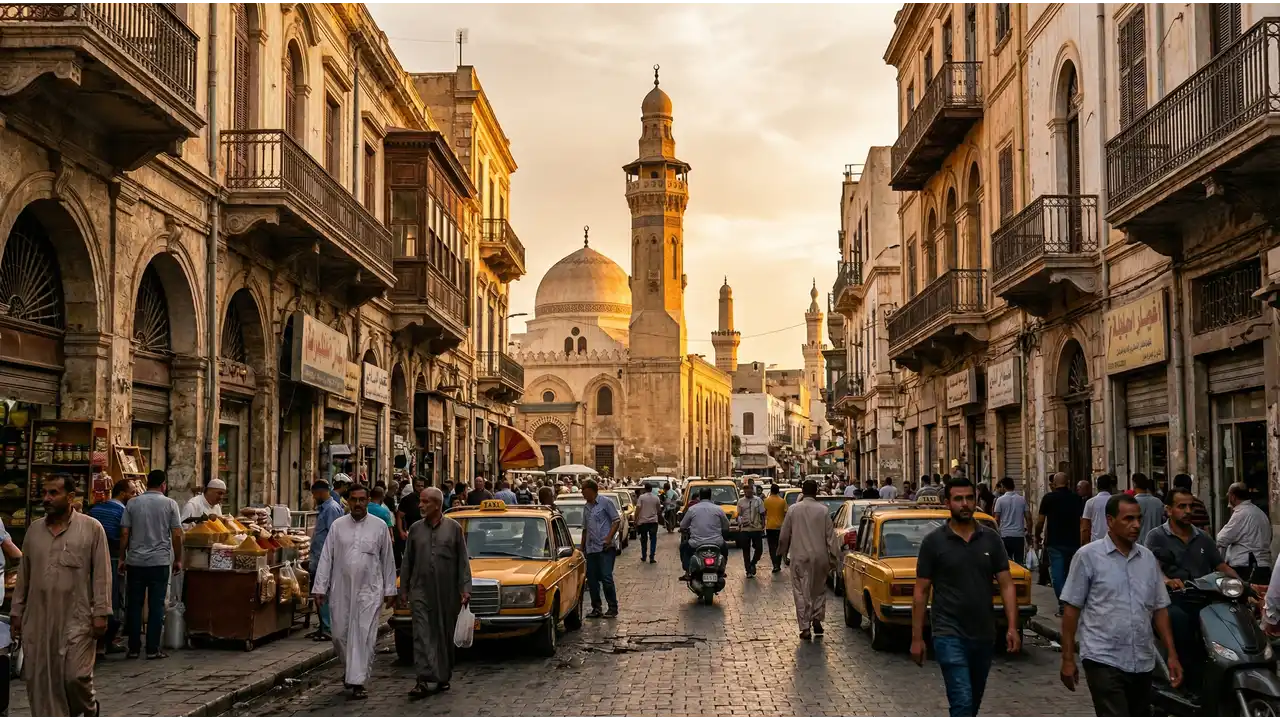
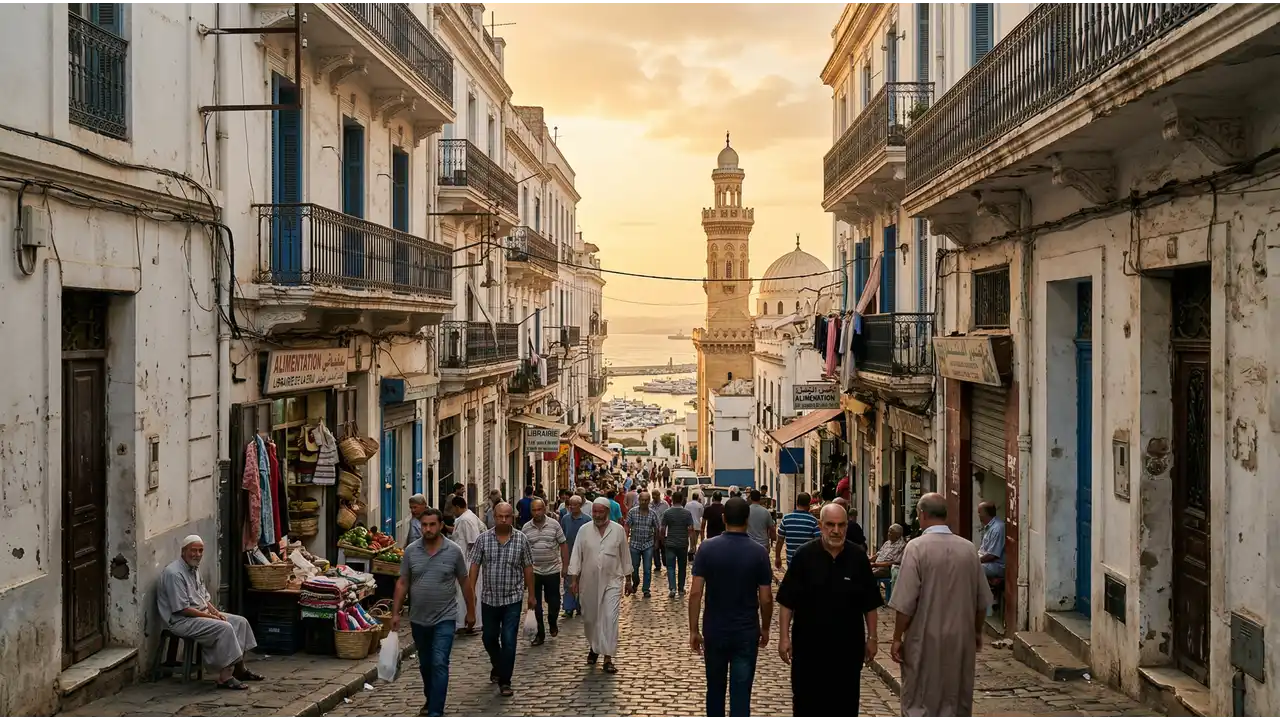
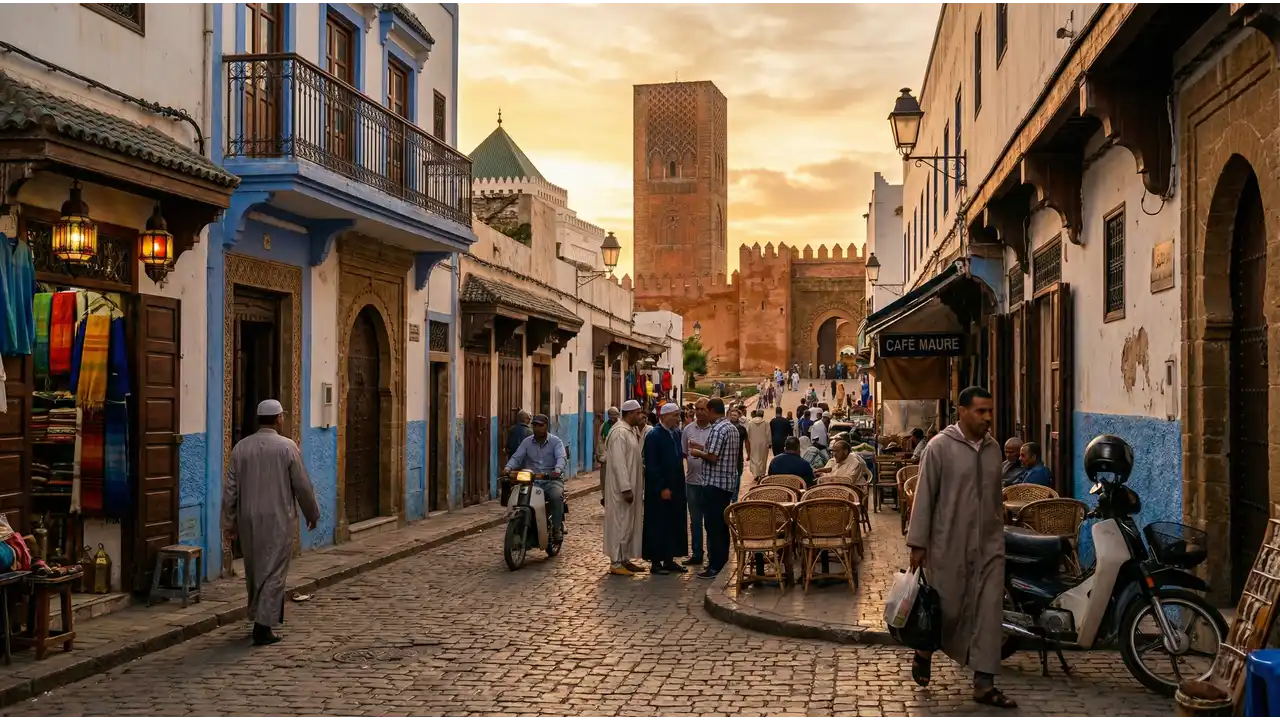
Tunis is Tunisia's capital and largest city, home to roughly 2 million people in the metropolitan area. The medina (old city) and modern Tunis Ville blend French colonial architecture with contemporary North African street life. Summers are hot and dry (often exceeding 85°F), winters mild. Most residents are Tunisian Arabic speakers; French is widely spoken and English increasingly so among younger people and in business. Daily life revolves around markets, cafes, and neighborhood shops. Traffic is heavy but navigable by local taxi or metro. The city feels more worn than polished, with genuine local character rather than tourism packaging. Power and water outages occur occasionally but not constantly.
💡 Local Insights
Tunis · 2026
Tunis costs significantly less than European or Gulf cities, making it accessible for budget-conscious expats and remote workers. Housing at $246/month reflects typical studio or one-bedroom apartments in working neighborhoods like La Marsa or Sidi Bou Said for long-term rentals. Short-term tourist rentals cost more; negotiate lease terms directly with landlords to reach this range. Furnished apartments command premiums. Food from local markets and small grocers runs $171/month for one person eating modestly. Street food and cafe meals are cheap (lunch around $2-4), but imported goods cost significantly more. Public transport (metro, bus) is inexpensive at roughly $15-20/month for unlimited passes. Expats often pay slightly more for unfamiliar merchants; learning basic Arabic and shopping in neighborhood souks helps. Utilities average $30-50/month. Medical care and private services for expats are moderately priced. Currency is the Tunisian Dinar; the official exchange rate is roughly 3.1 TND per USD, though parallel rates exist.
Frequently Asked Questions
How much does it cost to live in Tunis per month?
A moderate lifestyle in Tunis costs around $775/month. Housing runs $246/month for a modest apartment, groceries $171/month, utilities $30-50, and transport $15-20. This covers a one-bedroom rental outside the city center, regular meals from markets and simple restaurants, and public transit. The budget tier of $465/month is feasible for those sharing housing or eating primarily at street vendors. A comfortable lifestyle at $1,201/month allows for larger accommodations, more restaurant dining, and greater discretionary spending.
What is the average rent in Tunis?
Average rent is approximately $246/month for a one-bedroom apartment in working neighborhoods like Sidi Bou Said, La Marsa, or central Tunis Ville. Studios or shared accommodations range $150-200/month. Furnished apartments or those closer to tourist areas (Medina, Carthage) run $300-400/month. Larger two-bedroom units reach $350-450/month. Landlords prefer long-term tenants and often negotiate rates directly. Short-term rental platforms charge tourist premiums (60-80% higher). Expat housing agencies may quote inflated figures; direct contact with landlords yields better rates. Utilities add $30-50/month.
Is Tunis cheap to live in for expats?
Yes, Tunis is genuinely affordable for expats, particularly those from North America, Europe, or Gulf countries. At $775/month for a moderate lifestyle, it costs a fraction of cities like Dubai, Lisbon, or Barcelona. However, it is not a zero-cost destination. Expats unfamiliar with local markets often spend 20-30% more initially. Healthcare (private clinics preferred by expats), internet reliability, and imported groceries add costs. The political environment is stable but occasionally tense; this deters some expats but keeps costs low. Those comfortable with local neighborhoods and willing to learn basic French or Arabic maximize savings.
How much does food cost per month in Tunis?
Groceries average $171/month for one person eating modestly. Local markets (souk) offer vegetables, fruits, bread, and eggs cheaply ($0.50-2 per item). Canned goods, rice, and pasta from small grocers cost $1-3. Meat and fish from neighborhood vendors run $3-6 per pound. Eating out, a lunch of couscous or tagine at a local restaurant costs $2-4. Cafes charge $1-2 for coffee and pastry. Imported products (chocolate, cereal, cheese) cost 2-3 times local prices. Street food like brick (fried pastry) runs $0.50-1. Budget groceries by shopping daily in local markets rather than supermarkets.
What salary do you need to live comfortably in Tunis?
A comfortable lifestyle requires approximately $1,201/month. This covers a one-bedroom apartment in a pleasant neighborhood, meals at both home and restaurants, regular cafe visits, domestic help (housekeeper 2-3 times weekly for $20-30), utilities, internet, and entertainment. At this level, you can afford occasional travel within Tunisia, dining at mid-range restaurants, and membership at a gym or private services. Remote workers earning $1,200-1,500/month live quite well. This budget assumes no major medical emergencies, car ownership, or international school fees. Families with children require higher budgets, especially for private education.
How does the cost of living in Tunis compare to other places?
Tunis sits in the middle range for North and East African cities. A moderate lifestyle in Tunis costs $775 per month, with housing at $246 per month. That makes it slightly cheaper than Mombasa, where a moderate lifestyle runs $800 per month and housing costs $320 per month. Tripoli is notably less expensive, with a moderate lifestyle at $575 per month, though housing there is comparable at $240 per month. If you're considering the region more broadly, Abuja is significantly dearer, with a moderate lifestyle at $1,075 per month and housing at $429 per month. So Tunis offers reasonable affordability by regional standards, particularly if you're comparing it to West African capitals. Your money stretches furthest in Tripoli, but Tunis provides a solid middle ground without the expense of larger regional hubs.
Yes, but with significant constraints. This budget tier requires shared housing ($100-150/month rent), groceries exclusively from local markets and street vendors, no restaurant dining beyond occasional cheap cafe visits, and reliance on free or minimal-cost activities. You must speak basic French or Arabic to avoid overpaying. Internet might be cut or shared. No buffer for medical emergencies, travel, or entertainment. This works for ultra-budget travelers or those with substantial savings cushion. Most long-term residents find $465/month unsustainably tight unless supplemented by barter (teaching language), local work, or goods from home. Better to aim for $650-750/month for sustainable living.