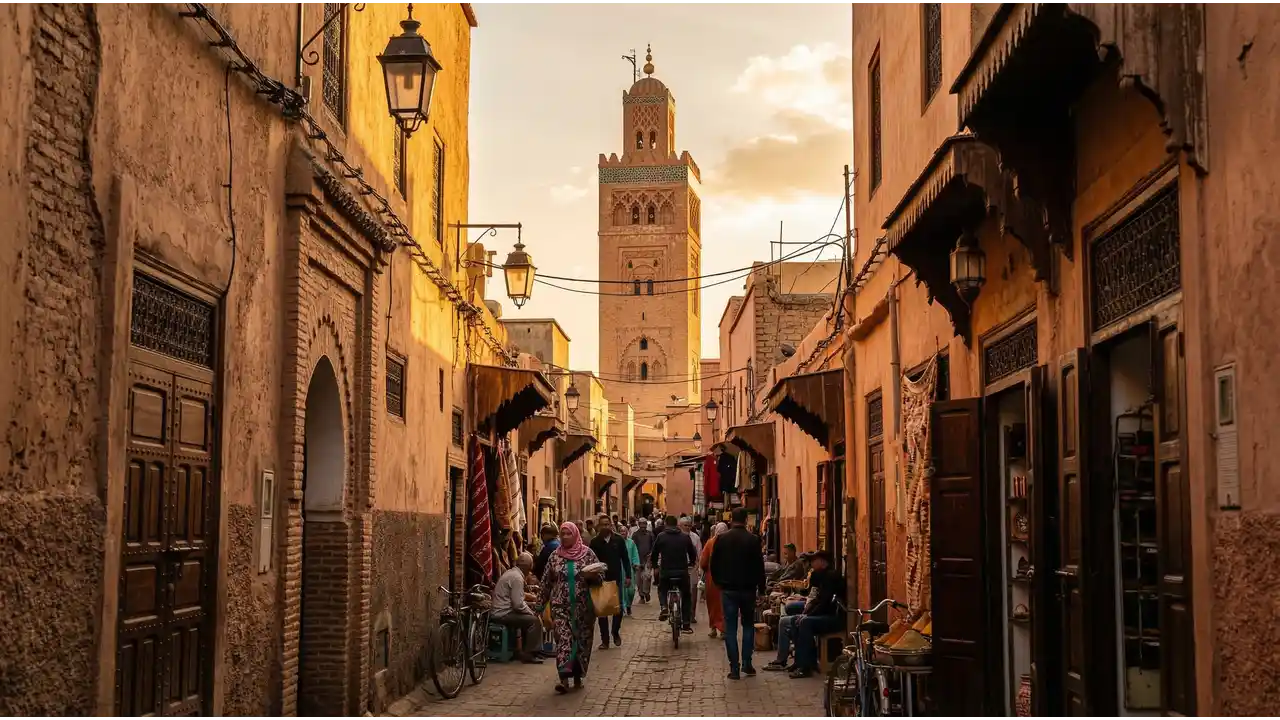
Morocco is a North African country of around 37 million people, with Arabic and Berber as primary languages and French widely spoken. Coastal cities like Casablanca and Tangier have Mediterranean climates; inland areas and the Atlas Mountains are cooler. Daily life centers on neighborhood cafes, souks (open-air markets), and family time. Traffic is heavy in major cities. Internet reliability varies outside urban centers. French colonial architecture mixes with Islamic design. Most locals work in tourism, agriculture, or small commerce. Expats tend to cluster in Marrakech, Fez, and Casablanca.
💡 Local Insights
Morocco · 2026
Morocco offers genuine low-cost living if you adapt to local patterns. Housing at $340/month covers a modest one-bedroom apartment in mid-tier neighborhoods of Marrakech, Fez, or Tatooine. Medina (old city) apartments are cheaper but noisier; newer suburbs cost slightly more but feel quieter. Tourist zones command 30-50 percent premiums. Groceries at $197/month buy local staples: bread, eggs, seasonal vegetables, and cheap meat. Restaurant meals (tajine, couscous) run $3-6 for locals; expat cafes charge $8-15. Cooking at home is the real savings strategy. Buses and shared taxis cost under $1 per trip; car rentals run $25-40/day. Water and electricity are cheap. Expats often pay more for Western goods, private healthcare, and housing in expat-friendly areas, pushing budgets toward $1,473/month for comfort. Negotiation is standard in markets and with landlords.
Frequently Asked Questions
How much does it cost to live in Morocco per month?
A moderate lifestyle in Morocco costs around $950/month. This covers housing at $340/month, groceries at $197/month, transport, utilities, and modest entertainment. A budget tier of $570/month is possible if you live like locals (shared housing, street food, no car). A comfortable expat lifestyle (private apartment, eating out often, regular travel) runs closer to $1,473/month. Actual costs depend heavily on your neighborhood, whether you cook at home, and your tolerance for local living standards.
What is the average rent in Morocco?
Average rent is $340/month for a modest one-bedroom apartment in mid-tier neighborhoods of Marrakech, Fez, or Casablanca. In medinas (old city centers), you might find studios or shared rooms for $250-300/month, though noise and privacy trade-offs are real. Modern apartment complexes in newer suburbs or expat zones run $400-500/month. Larger cities and tourist hotspots command premiums. Landlords rarely sign formal leases; verbal agreements are common. Register your address with local authorities for tax and residency purposes.
Is Morocco cheap to live in for expats?
Yes, but with caveats. Food, local transport, and housing are genuinely inexpensive compared to Western Europe or North America. However, expats often spend more than locals because they avoid street food, need private healthcare, want Western products, and rent in safer or quieter areas. Many expats report spending $1,000-1,500/month comfortably, which feels cheap until you realize it still requires discipline. Internet can be unreliable outside cities, which frustrates remote workers. Bureaucracy around residency and tax status is opaque and slow.
How much does food cost per month in Morocco?
Groceries average $197/month if you shop local markets and cook at home. Bread runs under $0.50/loaf, eggs $1-2/dozen, vegetables $1-3/kg depending on season. Meat (chicken, beef) is $4-6/kg. Olive oil is cheap. Eating out at local restaurants (tajine with bread, mint tea) costs $3-6 per meal. Tourist-area cafes and Western restaurants charge $10-20/meal. Street food (kebabs, crepes, harira soup) runs $1-3. Coffee at a local cafe is under $1; expat coffee shops charge $2-4.
What salary do you need to live comfortably in Morocco?
A comfortable lifestyle for most expats requires around $1,473/month. This covers a decent one-bedroom apartment, eating out a few times per week, reliable internet, occasional travel, and private healthcare or expat insurance. If you have dependents or want frequent international travel, add $300-500/month per person. Remote workers with stable income above $1,500/month can live well without stress. Salaries for local employment are low (many jobs pay $300-600/month), so most expats rely on savings, pensions, or remote income.
How does the cost of living in Morocco compare to other places?
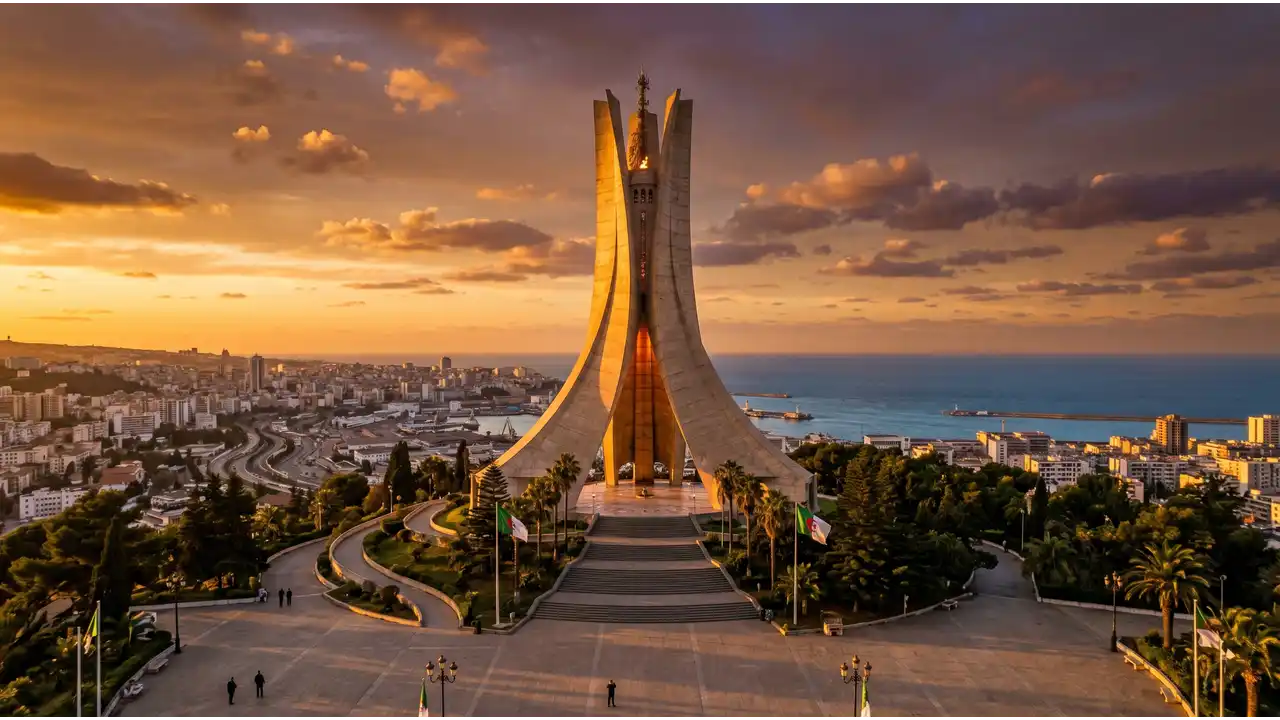
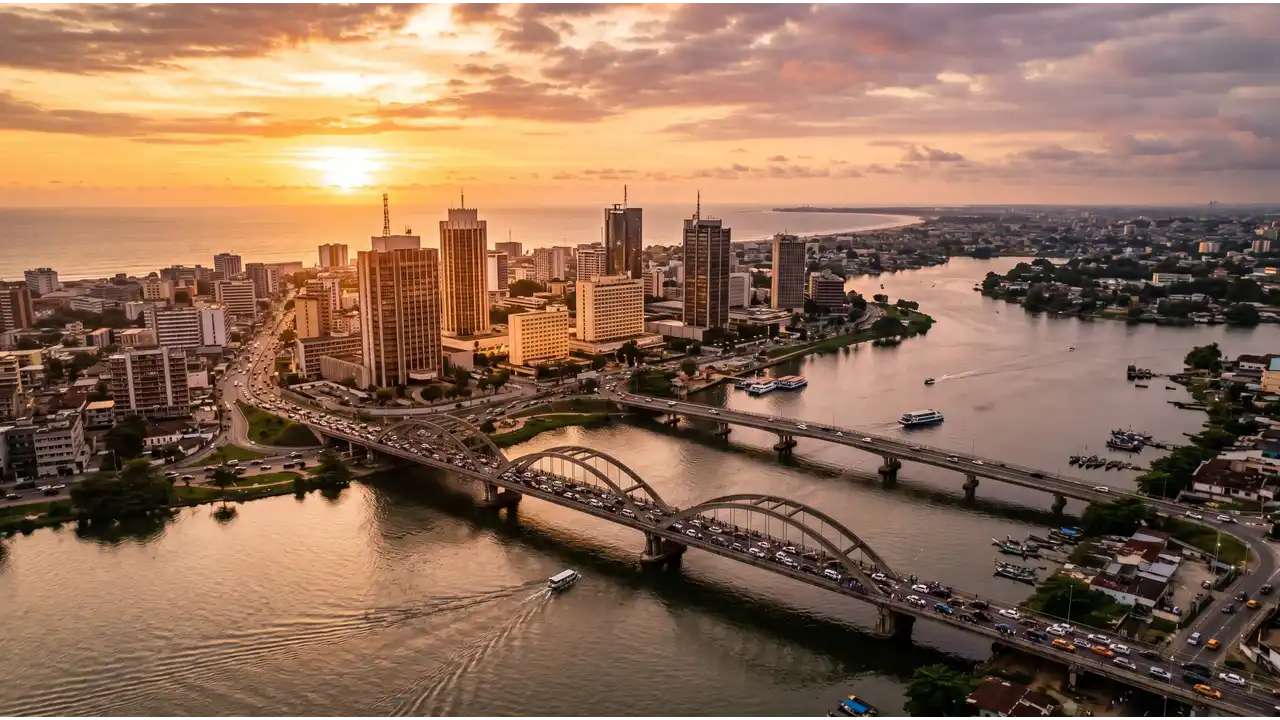
Morocco sits in the middle range for cost of living in West and North Africa. A moderate lifestyle in Morocco costs $950 per month, with housing at $340 per month. This puts it slightly cheaper than Nigeria, where a moderate lifestyle runs $1,025 monthly and housing costs $390. Algeria is considerably less expensive, with a moderate lifestyle at $650 per month and housing at just $144. By contrast, Angola is notably dearer at $1,375 per month overall and $523 for housing alone. If you're coming from Western Europe or North America, Morocco will feel like genuine value. If you're relocating from elsewhere in the region, your budget flexibility depends on whether you're comparing to its pricier or cheaper neighbors.
Yes, but you must live like locals. Rent a room in a shared house or medina apartment for $200-250/month. Buy bread, vegetables, and eggs from markets. Skip restaurants and Western groceries. Use buses and shared taxis only. Skip tourism, gym memberships, and imported goods. This budget cuts out travel, entertainment, and emergencies. Healthcare becomes risky without coverage. Many locals live on this amount, but expats report feeling stressed at this level because they use more electricity (air conditioning), want faster internet, and feel unsafe in cheapest neighborhoods. Better to aim for $750-850/month for stability.