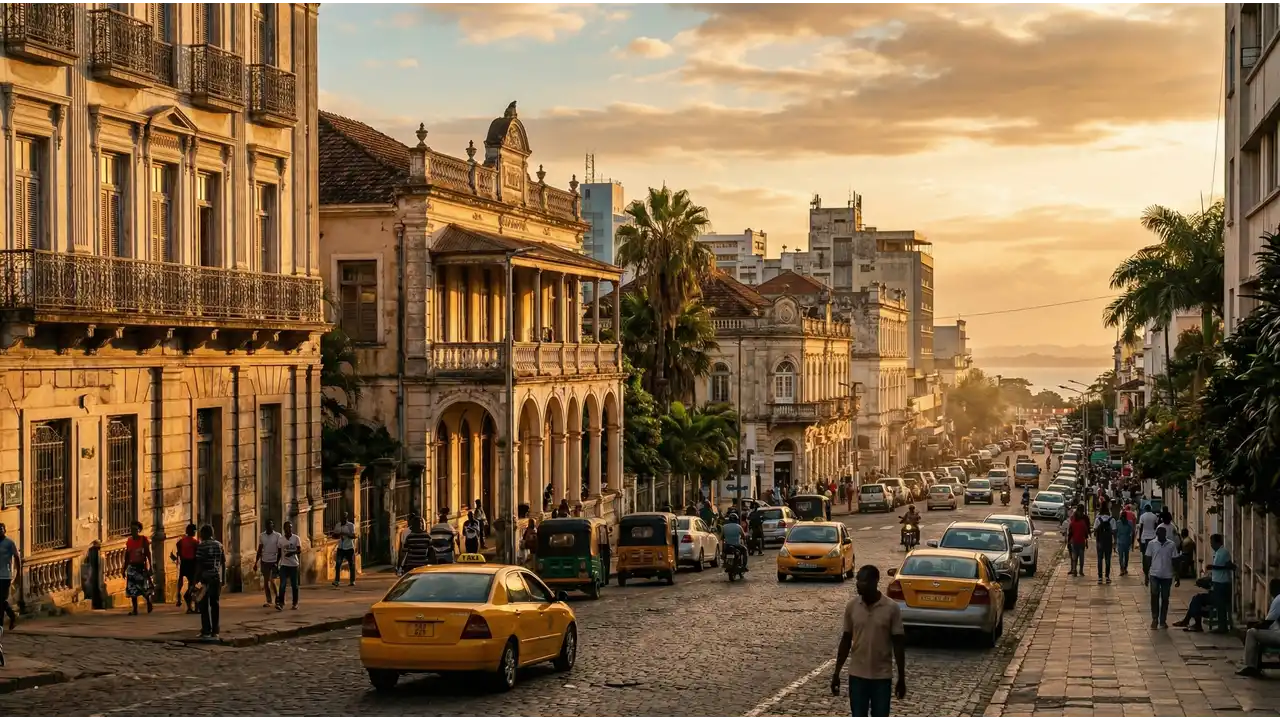
Cape Town is a coastal city of about 4.6 million people at the southwestern tip of South Africa. It has a Mediterranean climate with mild, wet winters and warm, dry summers. Daily life centers on beaches, mountains, and a working harbor. The city draws a mix of South African professionals, retirees, and expats from Europe and North America. Public transport relies on minibuses and buses, though many residents drive. Power cuts (loadshedding) are common and affect daily planning. The city is visibly unequal, with affluent neighborhoods adjacent to informal settlements. Security is a real consideration in some areas.
💡 Local Insights
Cape Town · 2026
Cape Town's cost of living reflects South Africa's mix of first-world infrastructure and developing-economy wages. Housing averages $845/month, with variation driven by neighborhood and currency fluctuations. A one-bedroom apartment in central areas like the City Bowl or Camps Bay runs $800 to $1,100; suburbs like Observatory or Woodstock offer better value at $600 to $850. Groceries run about $219/month if you shop at Pick n Pay or Woolworths and eat local produce. Imported goods cost 30 to 50 percent more. Electricity is increasingly expensive due to power shortages managed by load shedding, which is unpredictable. Transport is cheap if you use minibuses (under $0.50 per trip) but inconvenient; a car and insurance add $150 to $300/month. Expats often pay more for housing and international services. Local knowledge saves money. Currency volatility matters: the South African Rand fluctuates against the dollar.
Frequently Asked Questions
How much does it cost to live in Cape Town per month?
A moderate lifestyle in Cape Town runs around $1,525/month. Housing accounts for $845/month, groceries for $219/month, with the remainder covering transport, utilities, dining out, and entertainment. A budget lifestyle costs $915/month, cutting back on dining out and housing to smaller, less central apartments. A comfortable lifestyle with larger housing, regular dining out, and leisure activities runs $2,364/month. Actual costs depend heavily on neighborhood, whether you drive, and whether you buy imported goods.
What is the average rent in Cape Town?
Average rental costs are $845/month. A one-bedroom apartment in central neighborhoods like the City Bowl, Camps Bay, or Constantia runs $800 to $1,100/month. Suburbs like Observatory, Woodstock, or Mowbray offer one-bedroom rentals at $600 to $850/month. Two-bedroom apartments in suburbs range from $850 to $1,300/month. Prices fluctuate with exchange rates and neighborhood demand. Furnished apartments cost 15 to 25 percent more. Long-term leases (12 months) are standard. Expats and foreign buyers often face higher asking prices.
Is Cape Town cheap to live in for expats?
Cape Town is moderately priced compared to major North American or Western European cities, but not a bargain destination for expats anymore. Rent and dining out are cheaper than Toronto or London, but not dramatically so. The real savings come from low transport costs and affordable household help. However, expats often pay premium prices for housing due to currency advantages and perceived demand. Imported goods cost significantly more. Utilities are volatile due to power rationing. Expats should budget realistically at the $1,525/month moderate level, not expect major savings.
How much does food cost per month in Cape Town?
Groceries average $219/month for one person shopping at supermarkets like Pick n Pay or Woolworths. A loaf of bread costs about $0.80, a liter of milk $0.90, chicken $4 per kilogram, and eggs $1.20 per dozen. Fresh produce from local markets is cheaper. Imported foods (cheese, cereal, specialty items) cost 30 to 50 percent more than in the US or Europe. Eating out at casual restaurants runs $4 to $8 per meal; mid-range restaurants $10 to $18. Coffee at a cafe is $2 to $3. Shopping at discount stores or markets reduces costs; eating imported brands increases them significantly.
What salary do you need to live comfortably in Cape Town?
A comfortable lifestyle costs around $2,364/month, roughly $28,368 annually. This allows for a one or two-bedroom apartment in a good neighborhood, regular dining out, use of private transport or taxis, and leisure activities. In local terms, this translates to approximately 43,000 ZAR/month at current exchange rates. Many expats working remotely aim for this level to avoid financial stress. Freelancers and business owners should build a 20 to 30 percent buffer for currency fluctuations, irregular income, and unexpected costs like car repairs or medical care not covered by insurance.
How does the cost of living in Cape Town compare to other places?
Cape Town sits in the middle band for African cities. A moderate lifestyle costs $1,525 per month here, with housing running $845 monthly. That puts it slightly above Dakar, where a moderate lifestyle costs $1,400 monthly and housing is $532. Rabat is notably cheaper at $1,050 for a moderate lifestyle and $492 for housing. If you're comparing to Europe, Cape Town is significantly less expensive than Lisbon, which runs $2,175 monthly with housing at $1,287. Your money stretches further in Cape Town than in most Western cities, though less far than in some neighboring African capitals. The actual difference depends heavily on your lifestyle choices, neighborhood, and whether you're renting or buying.
Yes, but with strict limits. A $915/month budget requires a small apartment in outer suburbs or shared housing ($500 to $600/month), cooking at home most meals ($180 to $200/month), and using minibus transport (avoid cars). Dining out, entertainment, and travel are minimal. This works for locals or expats with very modest needs and financial discipline. You have little cushion for emergencies or unexpected costs. Expats on this budget often find it stressful, especially with irregular power cuts adding costs (candles, alternative appliances). It's feasible for a student or person willing to live frugally, but not recommended for long-term comfort.