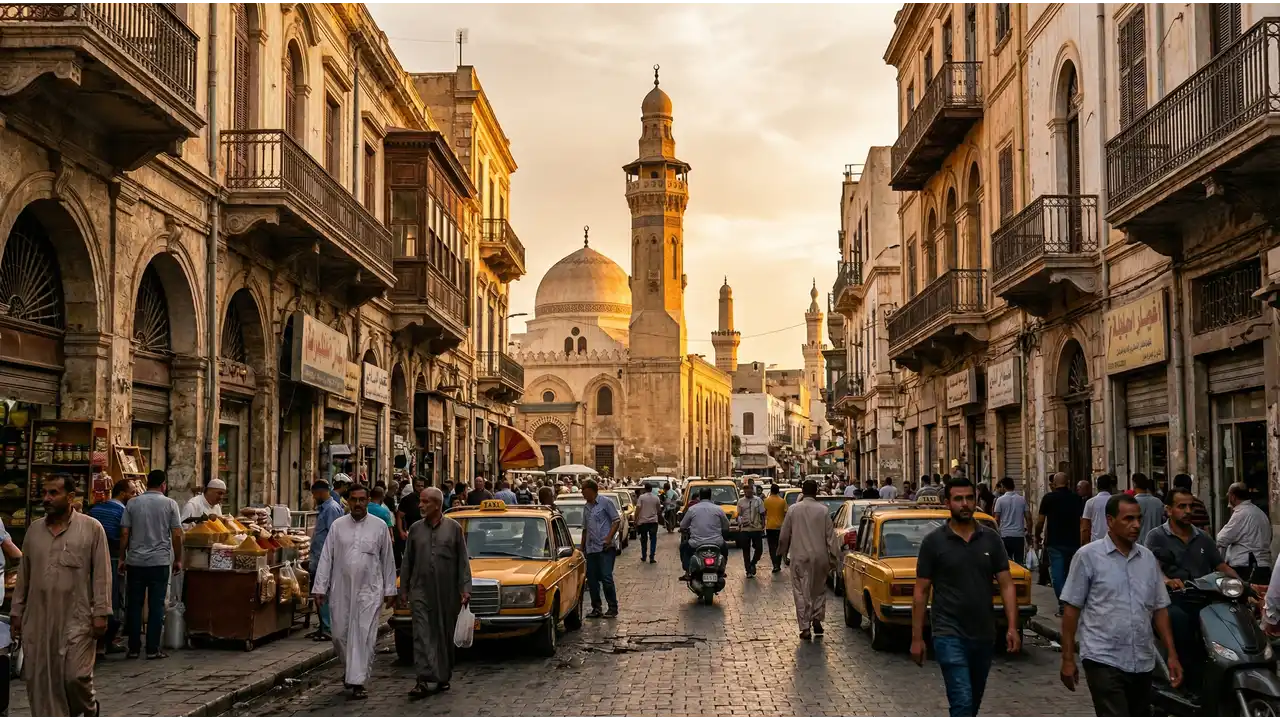
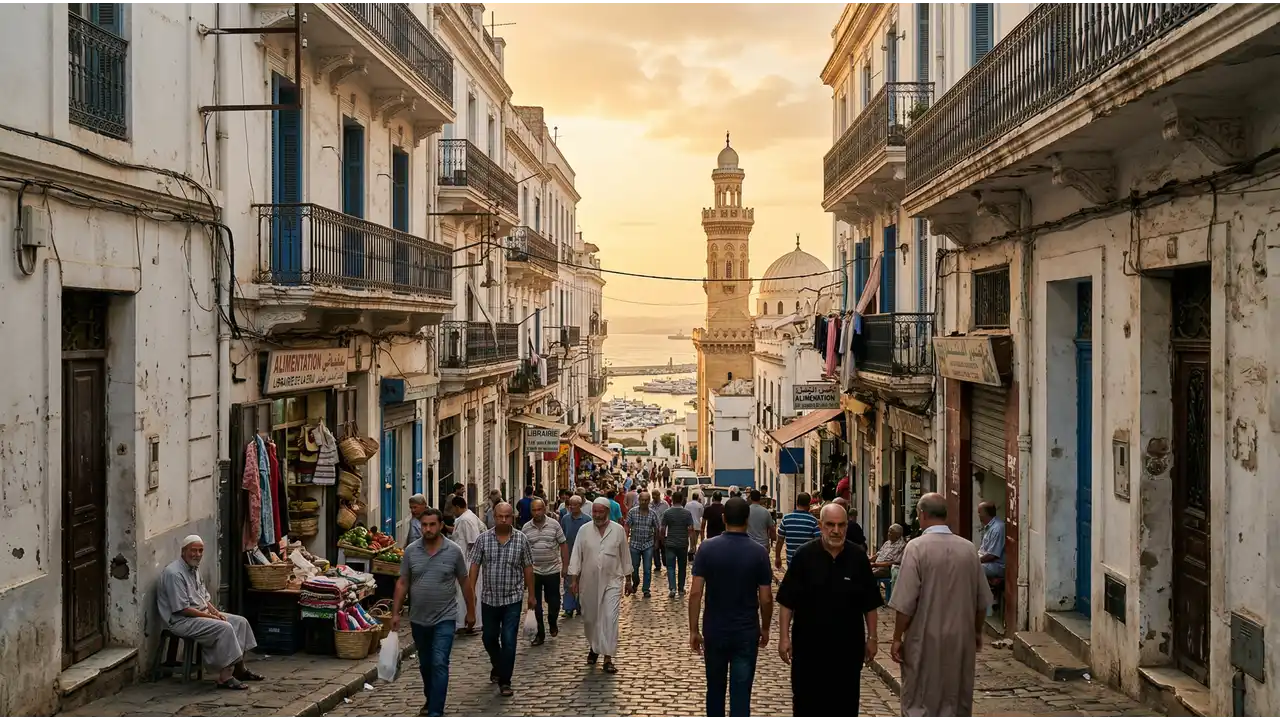
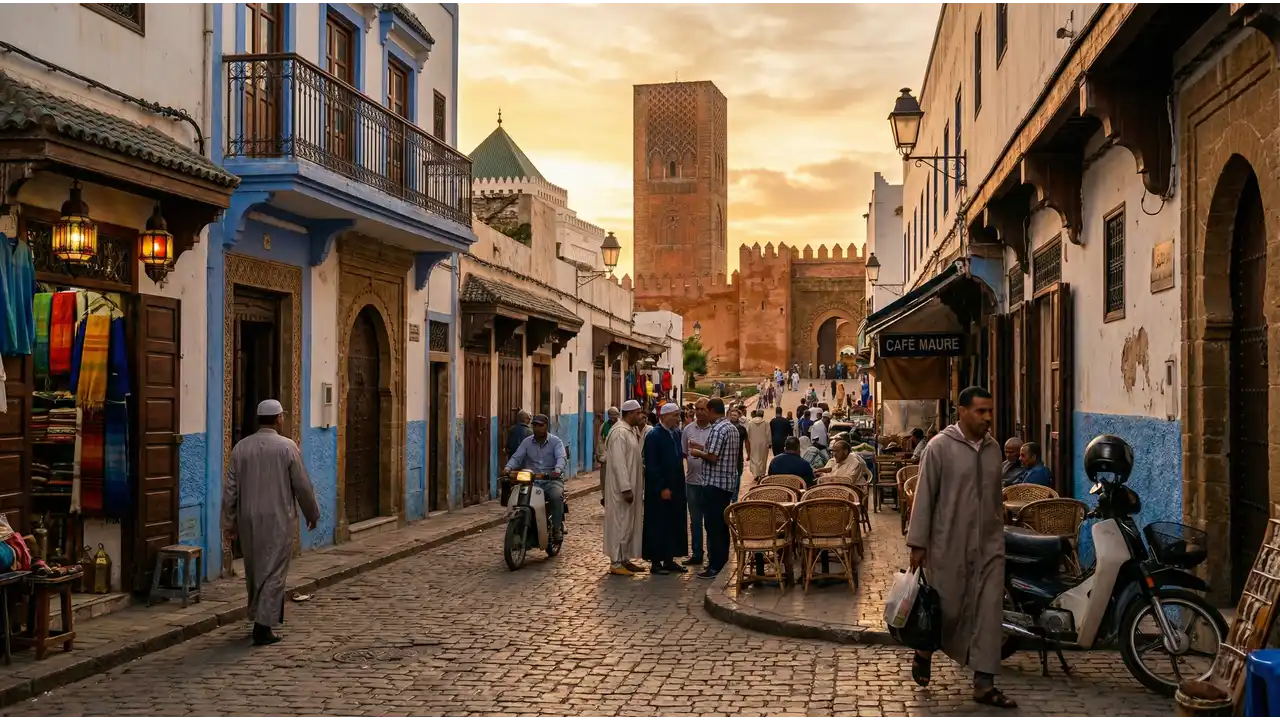
Tripoli is Libya's capital and largest city, sitting on the Mediterranean coast with a population around 1.2 million. The old medina contains narrow streets, Ottoman-era architecture, and markets that have operated for centuries. Daily life centers on family, work, and commerce, with a significant portion of the day built around prayer times. The city experiences hot, dry summers and mild winters. Infrastructure is uneven; electricity and water can be unreliable. Security and political conditions affect daily movement and expat presence. Most residents speak Arabic; English is less common outside business and tourism sectors. The pace is relaxed, driven by local rhythms rather than schedules.
💡 Local Insights
Tripoli · 2026
Tripoli's cost structure reflects a developing-world economy with heavy state subsidies on fuel and basic goods, but also significant currency instability and unofficial exchange rates. Housing runs around $240/month and varies sharply by neighborhood and security situation. Apartments in central or safer areas command higher prices, while outlying residential zones offer cheaper options. Food costs approximately $108/month for groceries, benefiting from subsidized bread, sugar, and fuel. Local produce at neighborhood markets is cheaper than supermarkets. Eating out is inexpensive compared to Western cities but more costly than street food. Transport is minimal expense; microbuses and shared taxis dominate, costing under $1 per trip. Expats often face parallel pricing, especially for housing and imported goods. Utilities, internet, and healthcare can spike unpredictably due to infrastructure strain and official currency controls versus black market rates. Banking and cash access present real friction for newcomers.
Frequently Asked Questions
How much does it cost to live in Tripoli per month?
A moderate lifestyle in Tripoli costs around $575/month. This includes housing at $240/month, groceries at $108/month, and the remainder covering transport, utilities, internet, and eating out. A budget tier of $345/month is possible if you live outside central areas, cook entirely at home, and minimize dining out. A comfortable tier reaches $891/month, adding more spacious housing, frequent dining out, and easier access to imported goods. Actual expenses depend heavily on neighborhood choice, expat versus local pricing, and how often you use taxis or restaurants.
What is the average rent in Tripoli?
Average rent sits around $240/month. A modest one-bedroom apartment in outer residential neighborhoods (Zawiya, Tajoura, Ain Zara) runs $150-$250 per month. Central or more secure areas like Gargaresh or Tripoli Central command $250-$350. Furnished apartments cost more, $300-$400/month. Villas or larger properties range from $400-$600 or higher depending on location and condition. Expats frequently pay 20-50% premiums over local rates. Landlords often demand several months upfront. Currency fluctuation and unofficial exchange rates make nominal dollar figures unstable; local contacts help negotiate real terms.
Is Tripoli cheap to live in for expats?
Tripoli is inexpensive by Western standards if you adapt to local life. Housing, food, and transport are all low absolute costs. However, expats often encounter inflated pricing, especially for housing and imported goods. Visa and residency processes are unpredictable and sometimes costly. Healthcare and education, if needed, can be significantly more expensive. Internet and utilities are unreliable and not always cheaper. Security concerns force some expats into pricier, gated accommodations. The real constraint is not daily living costs but currency instability, limited banking access, and the unofficial exchange rate gap between official and black market rates. Most expats working in oil, energy, or NGO sectors have employer support; independent expats face more friction.
How much does food cost per month in Tripoli?
Groceries cost approximately $108/month for a single person cooking at home. Local bread is heavily subsidized and costs under $0.10 per loaf. Eggs run $1-$2 per dozen. Chicken is $2-$3 per kilogram; beef higher. Fresh vegetables and fruit at neighborhood markets are seasonal and cheap, $0.50-$1.50 per kilogram. Rice, lentils, and canned goods are inexpensive. Imported Western goods carry large markups. Eating out at local restaurants (shawarma, couscous, grilled meat) costs $2-$5 per meal. Cafes and coffee are very cheap, under $1. Alcohol is uncommon and expensive. Supermarket prices are higher than street markets.
What salary do you need to live comfortably in Tripoli?
A comfortable lifestyle requires approximately $891/month. This allows for a spacious one or two-bedroom apartment in a better neighborhood ($300-$400), regular dining out, reliable internet, occasional taxis, and small luxuries like imported goods or entertainment. For expats, add 20-30% for higher housing costs and imported staples. A salary of $1,200-$1,500/month provides security and flexibility. Couples can live comfortably together at $1,200-$1,400/month. Expats in professional roles (oil, construction, NGO) earn multiples of local wages; their comfort level differs from typical residents. Currency stability and ability to access USD significantly affect real purchasing power.
How does the cost of living in Tripoli compare to other places?
Tripoli sits in the middle range for African cities. A moderate lifestyle runs $575 per month, with housing at $240 per month. That puts it cheaper than Mombasa, where a moderate lifestyle costs $800 and housing alone is $320 per month. Tripoli is notably more expensive than Kabul, which runs $400 for a moderate lifestyle and $91 for housing, though Kabul is outside Africa and faces different economic conditions. Mogadishu, another African peer city, costs slightly more at $625 per month overall, though its housing is considerably cheaper at $144. Your actual expenses in Tripoli will vary significantly based on neighborhood, dietary choices, and whether you use local services or imported goods. Security conditions and availability of certain goods also affect what you'll realistically spend.
Yes, but tightly. The budget tier of $345/month is achievable for a Libyan national or highly adapted expat. Housing runs $120-$180 in outer neighborhoods (smaller or shared apartments). Groceries stay under $80/month if you cook entirely at home and use markets. Transport costs under $10/month using public microbuses. Utilities and phone are cheap. This cuts out dining out, imported goods, and entertainment. Medical emergencies or unexpected expenses break the budget. Internet is restricted or slow. Expats cannot realistically live on $345/month; they need at least $550-$650 to cover housing markups, access, and basic comfort. Locals earning dinar salaries manage, but only because housing and fuel are subsidized.