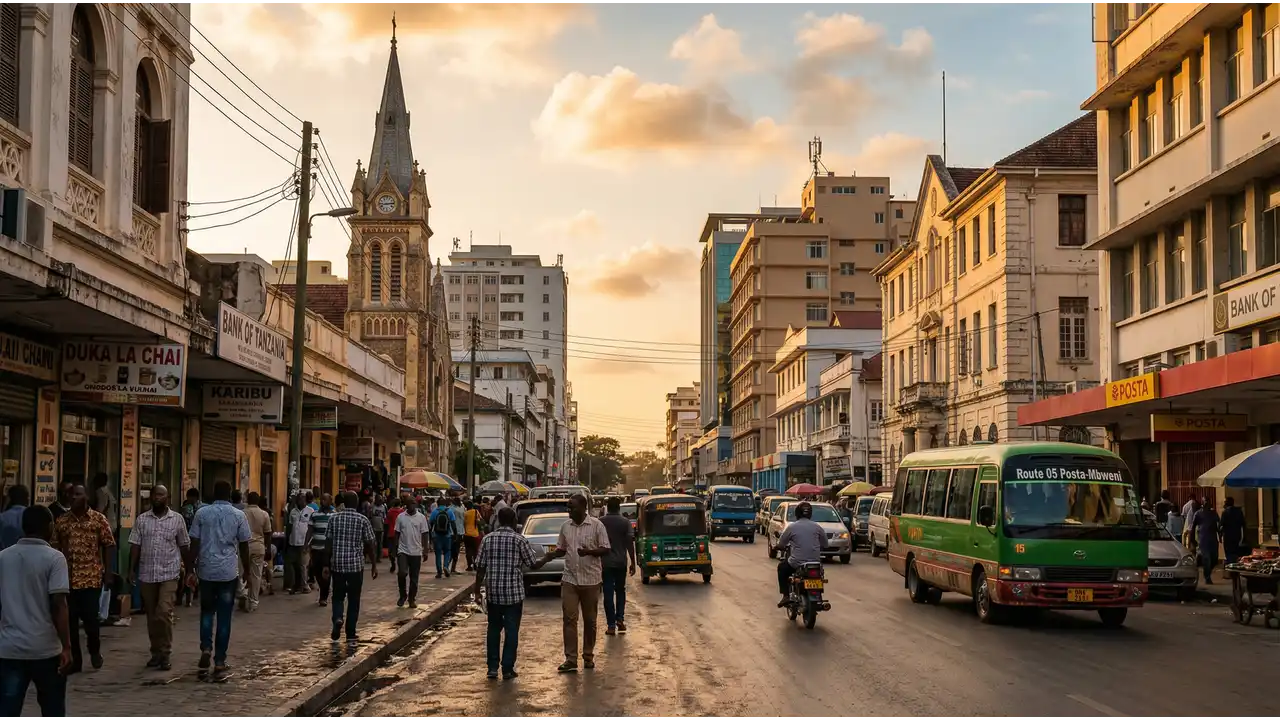
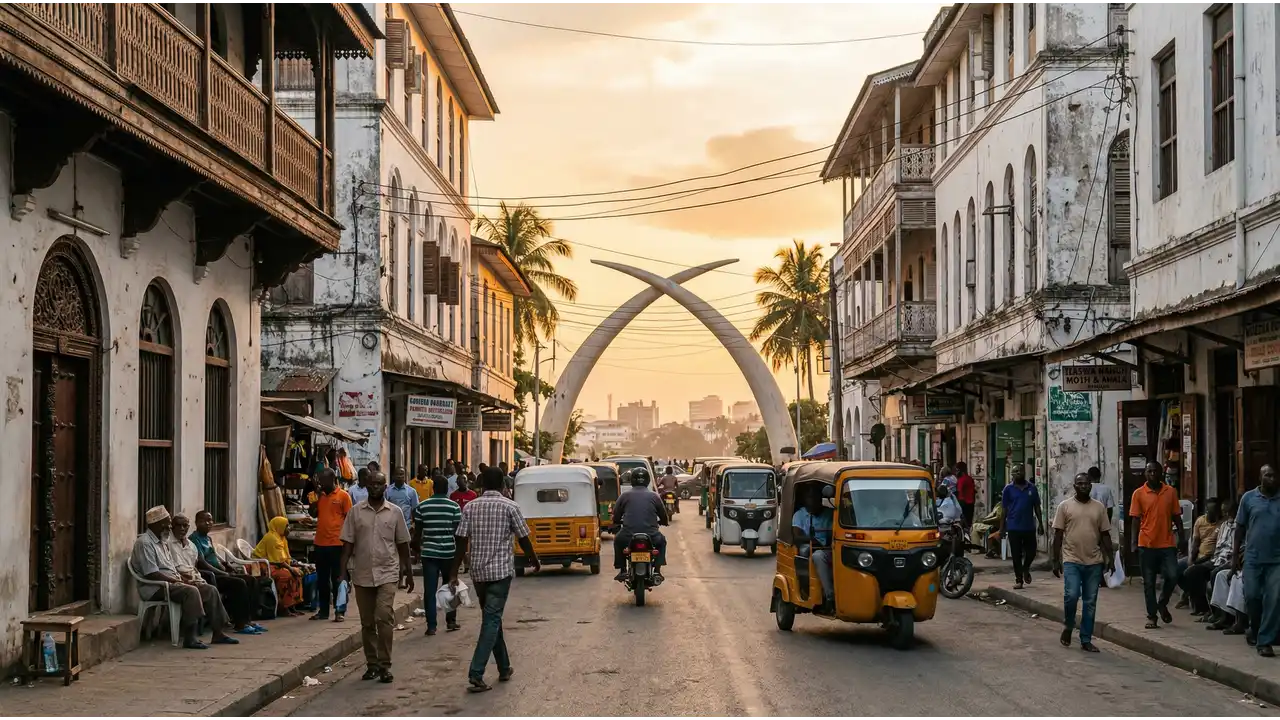
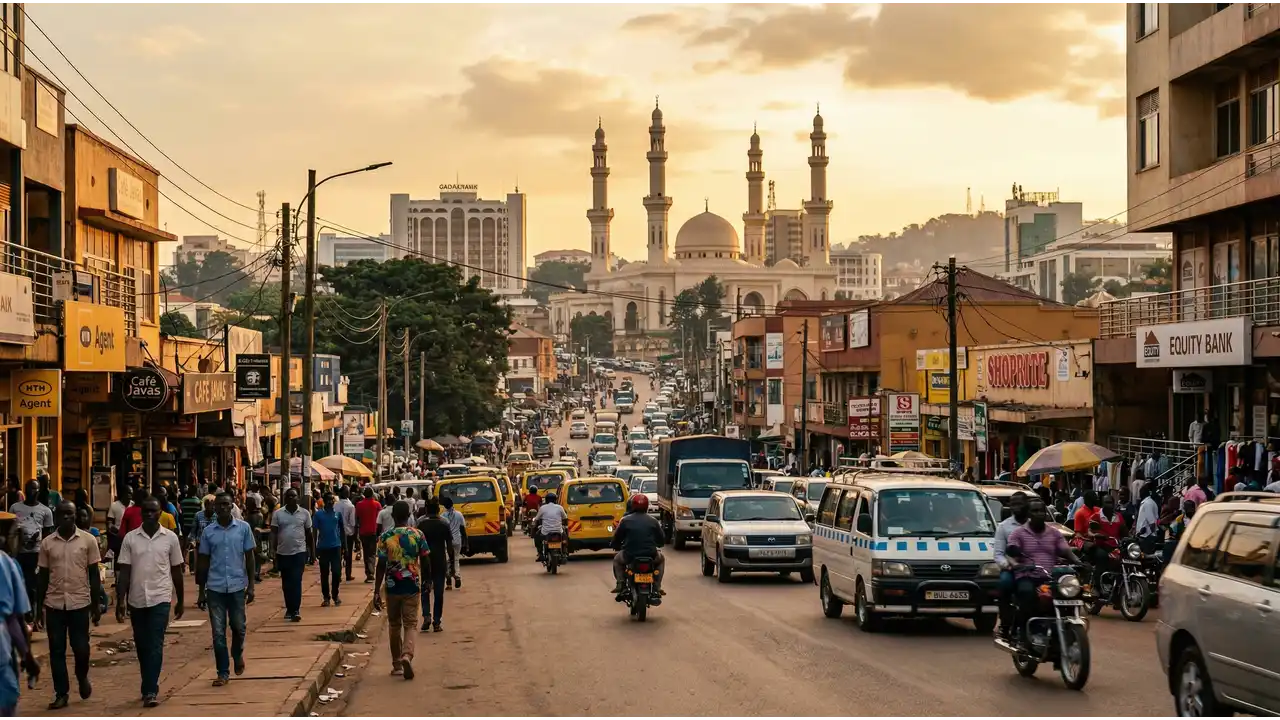
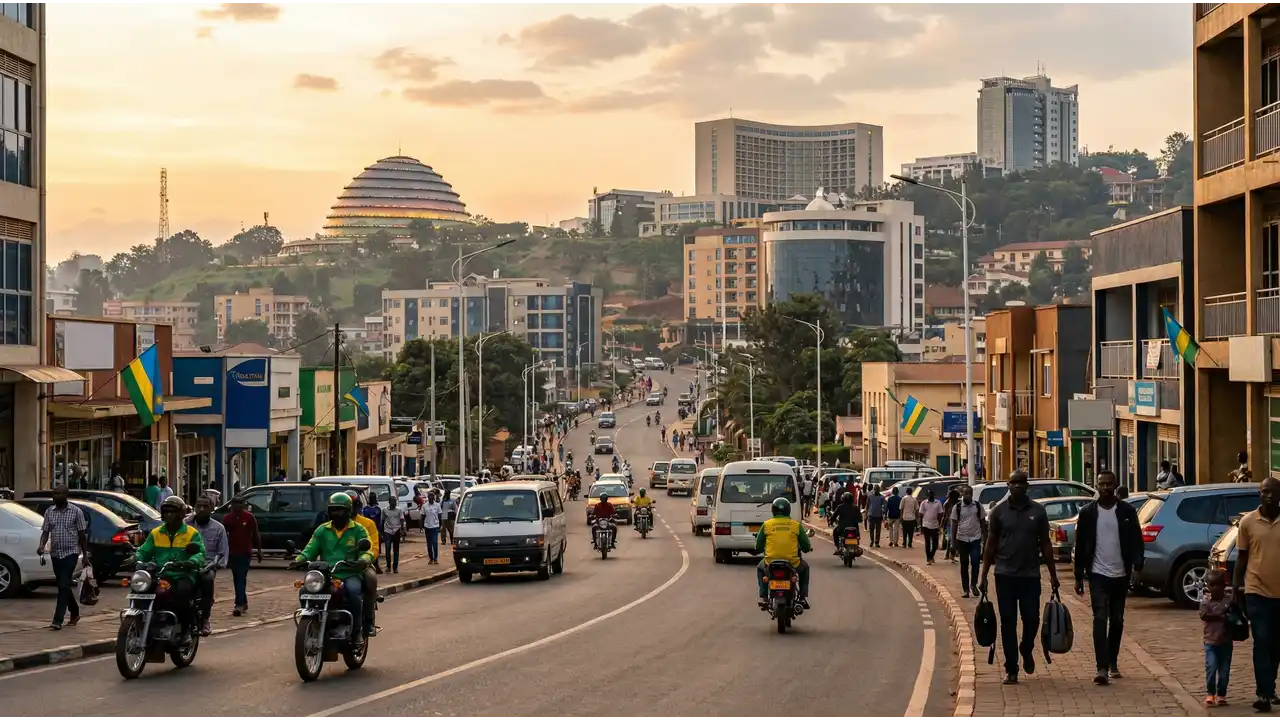
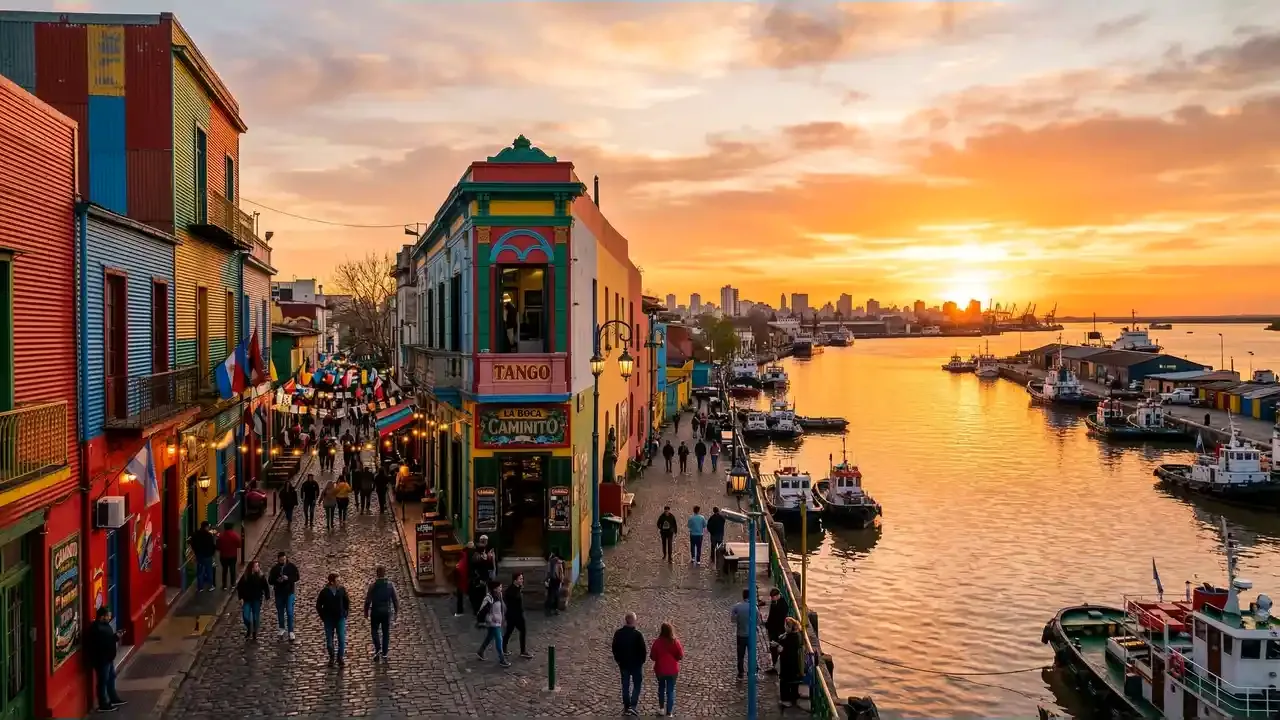
Dar es Salaam is Tanzania's largest city and primary port, with about 6 million people. It sits on the Indian Ocean coast with a hot, humid tropical climate year-round. The city mixes colonial architecture, dense residential neighborhoods, and growing commercial districts. Daily life centers on informal markets, street food vendors, and traffic-heavy commutes. Most residents work in trade, government, or tourism. You'll hear Swahili and English widely. Electricity and water can be intermittent in some areas. The pace is slower than major global hubs, and life revolves around family, work, and community networks.
💡 Local Insights
Dar es Salaam · 2026
Dar es Salaam costs roughly one-third what you'd spend in major US cities, but prices vary significantly by neighborhood and whether you shop like a local or seek expat goods. Housing at $492/month covers a basic one-bedroom apartment in Kinondoni or Ilala, or a shared place closer to the center. Expat-oriented areas like Oysterbay run higher but still modest by global standards. Groceries at $148/month assumes local markets (tomatoes, beans, rice, eggs, chicken from vendors). Imported goods like cheese or cereal double or triple that. Eating at local restaurants costs $2 to $5 per meal; expat cafes charge $8 to $15. Transport is cheap (buses and dala-dalas run $0.30 to $0.50 per ride), but taxis for expats run $2 to $5. Utilities (electricity, water) add $30 to $60 monthly but can spike with air conditioning use. The gap between local and expat pricing is real: locals navigate informal systems and bulk buying; expats typically pay supermarket prices and use taxi services rather than public transport.
Frequently Asked Questions
How much does it cost to live in Dar es Salaam per month?
A moderate lifestyle costs $950/month. This covers $492 for housing (one-bedroom apartment in mixed neighborhoods), $148 for groceries, $40 to $60 for utilities, $30 to $50 for transport, and $150 to $200 for dining, phone, and personal goods. A tighter budget of $570/month is feasible if you live in outer residential areas, cook exclusively, use public transport, and limit dining out. A comfortable lifestyle at $1,473/month allows for a larger apartment, regular restaurant meals, occasional travel, and more flexibility on imported goods.
What is the average rent in Dar es Salaam?
Average rent is around $492/month for a one-bedroom apartment in stable middle-class neighborhoods like Kinondoni, Ilala, or Kariakoo. A two-bedroom runs $650 to $850/month in the same areas. Oysterbay and Masaki (expat-preferred zones) start at $1,000 to $1,500 for a one-bedroom. Outer areas like Mwenge or Chalinze drop to $300 to $400. Prices depend on amenities (backup power, water tank, security), distance from the center, and whether the landlord targets locals or expats. Most leases run 12 months, and landlords often ask for 2 to 3 months' deposit. Utilities are separate.
Is Dar es Salaam cheap to live in for expats?
Yes, by global expat standards, but not as cheap as it was a decade ago. A moderate lifestyle at $950/month is genuinely affordable, especially compared to Southeast Asia expat hubs or Western cities. However, expats often spend more than this figure because they rent in safer, more reliable neighborhoods, eat at higher-end restaurants, and use taxi services instead of public transport. Many expats actually spend $1,500 to $2,500/month for comfort. Local knowledge matters: you can live much cheaper if you accept public transport, local food, and outer neighborhoods. The city attracts aid workers, journalists, and remote workers for whom it is inexpensive relative to their home countries.
How much does food cost per month in Dar es Salaam?
Groceries average $148/month on a local diet of rice, beans, eggs, tomatoes, onions, bananas, and chicken from street markets. A loaf of bread costs $0.50; a dozen eggs $2. Imported goods like cheese, cereal, or canned goods run double or triple local prices. Eating at local food stands (ugali, beans, fried plantain) costs $1 to $2 per meal. Mid-range restaurants charge $5 to $8. Expat cafes and formal restaurants run $10 to $20 per meal. Shopping at supermarkets like Shoprite increases the grocery bill by 40 to 60 percent compared to street markets. Monthly food spending for expats who eat at restaurants weekly climbs to $300 to $400.
What salary do you need to live comfortably in Dar es Salaam?
A comfortable lifestyle costs $1,473/month, which translates to a gross monthly salary of roughly $1,800 to $2,000 (accounting for taxes and unpredictable costs). This allows for a spacious two-bedroom apartment in a secure neighborhood, frequent restaurant meals, regular taxis, occasional travel, and imported groceries. Remote workers earning Western salaries find this generous. Local professionals earning in Tanzanian Shillings typically earn $400 to $800/month and live modestly. Expat professionals posted by organizations usually have housing and transport covered separately, making their personal budget lower. Healthcare and education (if children attend private schools) add significant costs beyond this figure.
How does the cost of living in Dar es Salaam compare to other places?
Dar es Salaam sits in the middle tier for East African cities. A moderate lifestyle costs $950 per month here, with housing running $492 per month. That's slightly cheaper than Durban, where a moderate lifestyle runs $1,000 per month, though Durban's housing costs $426 per month. If you're comparing to West Africa, Algiers is noticeably cheaper at $675 per month for a moderate lifestyle and $201 per month for housing. On the other end, Ouagadougou costs considerably more, with a moderate lifestyle at $1,325 per month, though housing there is $452 per month, close to Dar es Salaam's rate. Your actual expenses will shift based on neighborhood, whether you cook at home or eat out frequently, and your transport choices within the city.
Yes, but with clear trade-offs. A $570/month budget requires living in outer neighborhoods (Mwenge, Chalinze, Mbezi), cooking all meals from local markets, using public transport exclusively (buses and dala-dalas), and minimal social dining. Rent would be $300 to $350, groceries $120 to $140, utilities $25, transport $20, and personal goods $50 to $75. This lifestyle is viable for local residents and some long-term expats who integrate fully into local life. However, emergency medical care, visa renewals, or unexpected repairs can strain this budget. Most expats find $570/month uncomfortable because it excludes air conditioning, reliable electricity, occasional restaurant meals, and taxis. It is workable as a temporary or intentional minimalist choice.