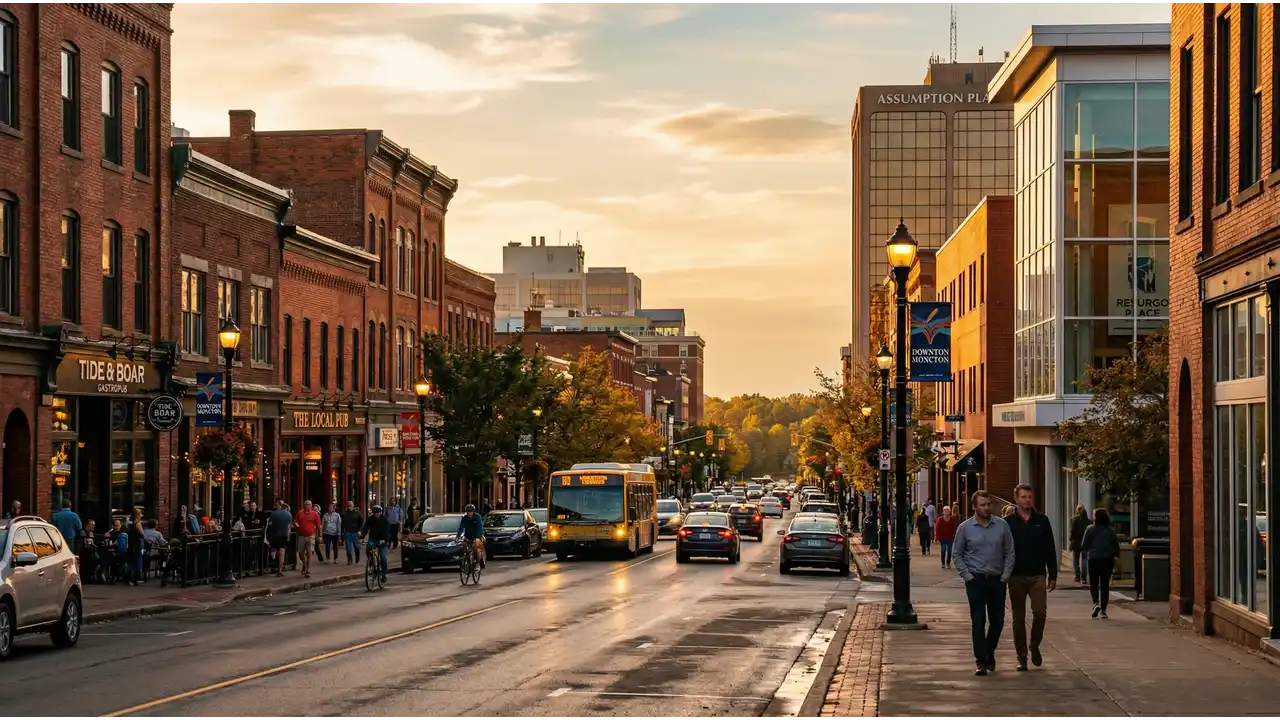
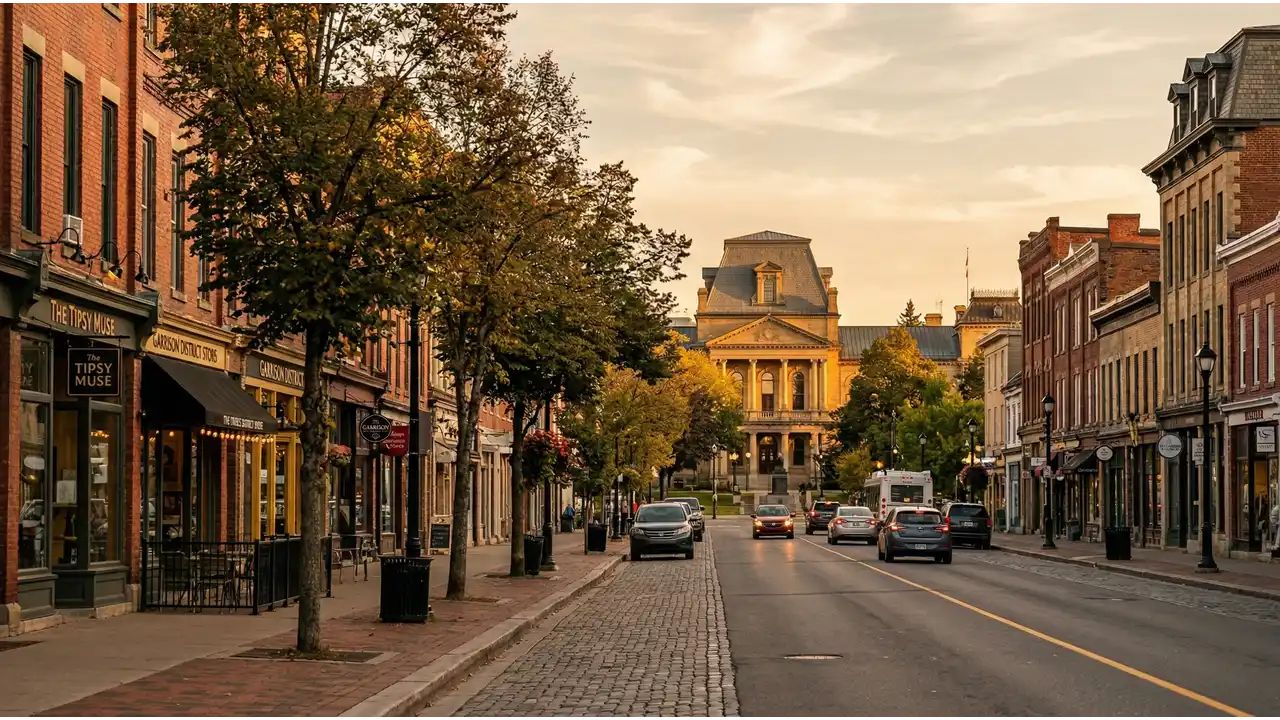
Nova Scotia is a maritime province on Canada's Atlantic coast with a population around 1 million. Halifax, the capital, anchors the economy alongside smaller cities like Cape Breton and the South Shore. Most residents work in healthcare, education, fisheries, and tourism. Winters are cold and damp, summers mild. Daily life centers on coastal communities, outdoor access, and a slower pace than major urban centers. The province has experienced steady interprovincial migration, particularly younger professionals seeking lower costs than Toronto or Vancouver.
💡 Local Insights
Nova Scotia · 2026
Nova Scotia's affordability relative to other Canadian provinces stems from lower property demand and a smaller job market. Housing costs around $1,188 per month, which captures everything from $800 one-bedroom apartments in smaller towns to $1,200-1,400 for Halifax condos and houses. Outside Halifax, rents drop noticeably. Groceries run $439 monthly for a moderate diet, slightly above national average due to food transport from the mainland. Transit exists only in Halifax (Metro Transit bus system); elsewhere, a car is necessary, adding transportation costs. Utilities ($150-200/month) spike in winter. Dining out and alcohol are cheaper than Toronto or Montreal. Expats often find value in the initial move but face job market limitations outside healthcare and tech. The province has a lower cost of living than Ontario or BC, but heating and transportation offset some savings.
Frequently Asked Questions
How much does it cost to live in Nova Scotia per month?
A moderate lifestyle costs $2,550 per month. This breaks down to housing at $1,188, groceries at $439, utilities around $160, and the remainder on transport, dining, entertainment, and personal goods. A budget approach (cutting dining out, shared housing, no car) runs roughly $1,530 monthly. A comfortable lifestyle with a house in Halifax or a car, frequent dining out, and travel runs closer to $3,953. These figures reflect single-person costs; families and couples may see economies of scale on housing but higher food budgets.
What is the average rent in Nova Scotia?
Average rent across Nova Scotia is $1,188 per month. In Halifax, one-bedroom apartments in central neighborhoods like Downtown or South End range $1,100-1,400. Two-bedroom houses or apartments rent $1,300-1,600. Outside Halifax, smaller cities like Dartmouth, Cape Breton, and the South Shore offer one-bedrooms at $750-950. Rural areas and towns drop to $600-800. Furnished short-term rentals (Airbnb, corporate housing) cost 20-30 percent more. The market is less competitive than major Canadian cities, so negotiation is sometimes possible on longer leases.
Is Nova Scotia cheap to live in for expats?
Nova Scotia is cheaper than Toronto, Vancouver, Montreal, and most US East Coast cities, but not a bargain relative to rural Atlantic Canada or parts of Quebec. Expats moving from Western Europe or Australia will find it moderately affordable. US expats from major metros (Boston, New York, DC) will see rent savings, though salaries are typically lower. The real cost advantage fades outside Halifax, where job opportunities shrink. Expat communities exist in Halifax (tech, healthcare, education), but remote workers and those with savings do better than job seekers. Health care, public schools, and a lower crime rate offset fewer urban amenities.
How much does food cost per month in Nova Scotia?
Groceries average $439 monthly for one person eating a moderate diet. Milk costs $5-6 per liter, eggs $3-4 per dozen, chicken breasts $10-12 per kilogram, and bread $3-4 per loaf. Seafood (lobster, halibut, mussels) is cheap and abundant compared to inland Canada. Dining out costs $15-25 for casual meals, $30-50 for sit-down restaurants. Alcohol is more expensive due to provincial markups (beer $8-10 per six-pack, wine $15-25). Budget grocers like Walmart and No Frills offer savings. Farmers markets in summer reduce produce costs. Eating out frequently adds $300-500 monthly to a food budget.
What salary do you need to live comfortably in Nova Scotia?
A comfortable lifestyle costs $3,953 per month, requiring a gross annual income around $62,000-65,000 (accounting for tax). For a couple, $80,000-90,000 gross allows for a house, a reliable car, regular dining out, and travel. In Halifax, tech and healthcare roles pay $55,000-85,000; outside the city, salaries are lower. Remote work at US or Ontario salaries provides significant comfort. Retirees with $30,000-40,000 annual income live well outside Halifax. Keep in mind that professional services (dental, eye care, therapy) have wait times or private costs, which can stretch tight budgets.
How does the cost of living in Nova Scotia compare to other places?
Nova Scotia's moderate lifestyle costs $2,550 per month, with housing at $1,188 per month. This puts it in the middle range globally. Mexico is substantially cheaper, with a moderate lifestyle running $1,600 per month and housing at $730 per month. Florida is notably dearer, where the same moderate lifestyle costs $3,500 per month and housing runs $1,887 per month. Greenland is a closer peer, where a moderate lifestyle reaches $2,725 per month with housing at $1,540 per month. Compared to Atlantic Canada's broader region, Nova Scotia remains competitive on housing costs while offering lower expenses than major US markets. Your actual budget will depend on whether you're in Halifax, a smaller city, or rural areas, which show real variation.
Yes, but with trade-offs. A $1,530 budget requires shared housing ($600-750 rent), minimal dining out, public transit in Halifax or relying on cycling, and no car. Groceries must stay near or below $400 monthly, utilities included in rent ideally. This works for students, remote workers with savings, or those in subsidized housing. Outside Halifax, a single person with a small apartment and a cheap used car could stretch to this, though heating costs in winter hurt. Entertainment, travel, and emergencies require a buffer. It's tight but feasible with discipline, particularly outside the capital.