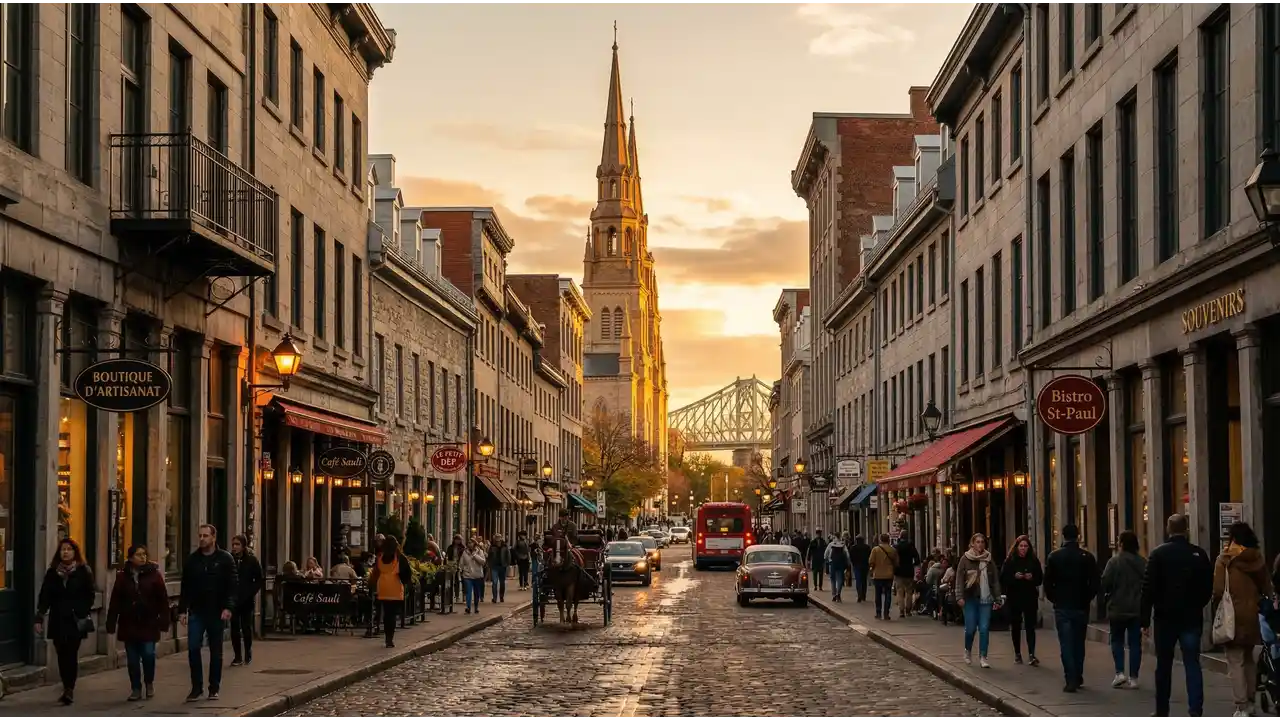
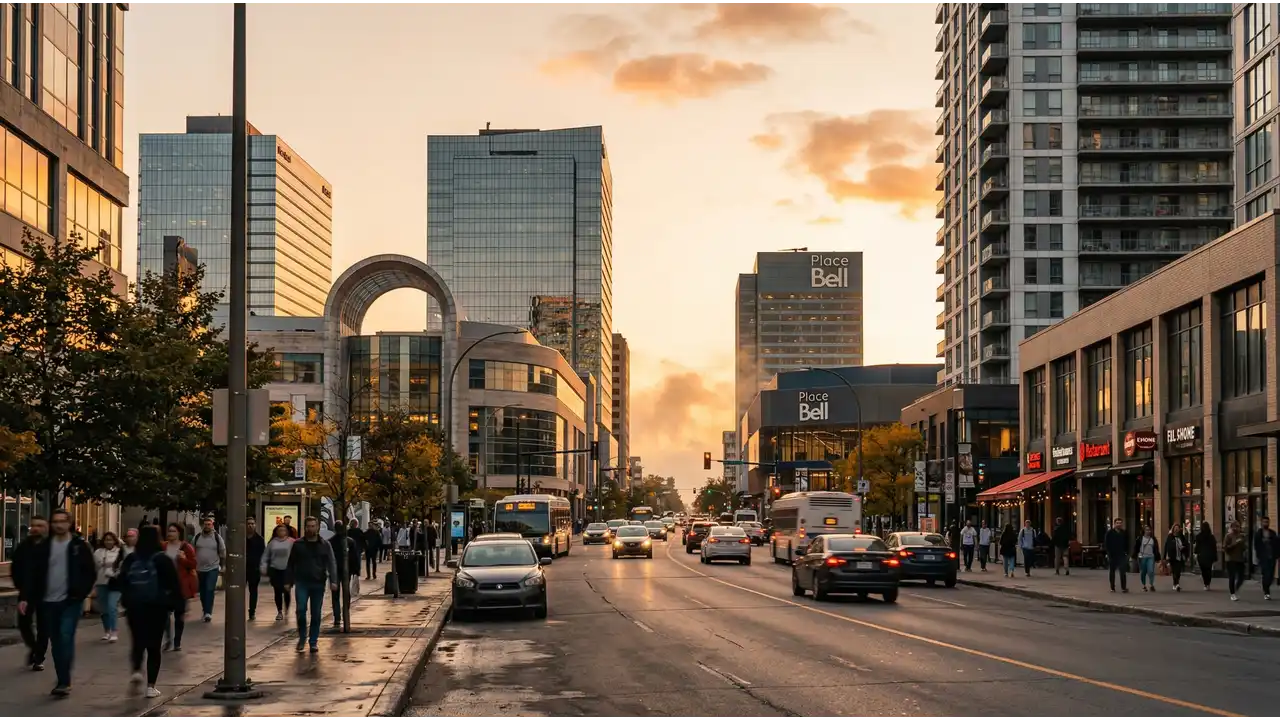
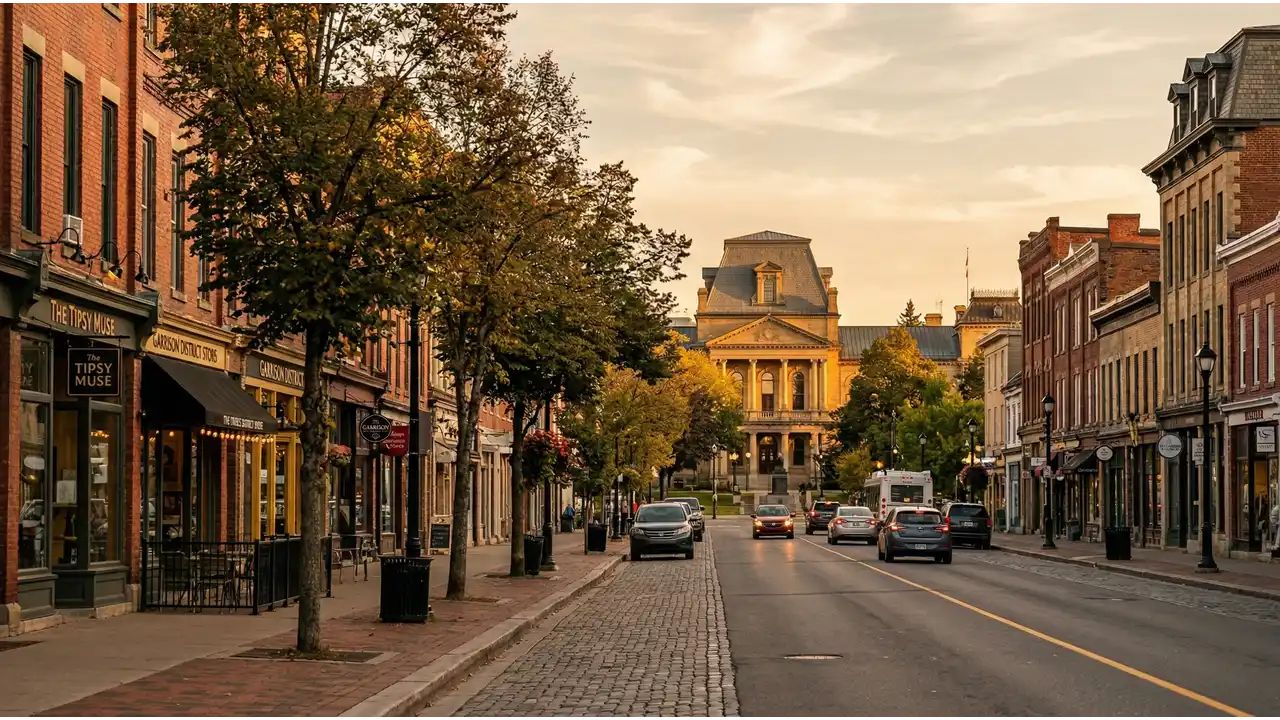
Quebec City is a walled Old Town with French colonial architecture, situated on the Saint Lawrence River. About 542,000 people live in the city proper, with French as the dominant language. Winters are long and cold, averaging minus 10 degrees Celsius from December through February. Daily life centers on the historic core and surrounding residential neighborhoods. The job market is smaller than Montreal's, with work concentrated in public administration, education, tourism, and professional services. Cost of living is notably lower than major American cities, making it attractive to remote workers and those relocating from Toronto or Vancouver.
💡 Local Insights
Quebec City · 2026
Quebec City's cost of living sits well below North American averages, primarily because housing and labor costs remain depressed compared to Toronto or Vancouver. The housing figure of $974 per month reflects a mix of older rental stock and newer developments, with smaller units in the core and family homes in outer neighborhoods like Limoilou or Charlesbourg running lower. Grocery costs of $323 monthly are supported by Quebec's subsidized childcare and lower provincial food taxes. Public transit via RTC bus system costs around $88 per month for a monthly pass, making car ownership optional in the central city. Eating out ranges from $12 for casual lunch to $35 for mid-range dinner. Expats should know that employment typically requires French fluency beyond tourism roles, and that the rental market moves quickly in summer months. Utility costs run higher than southern Canada due to heating demand, averaging $120 to $180 per month.
Frequently Asked Questions
How much does it cost to live in Quebec City per month?
A moderate lifestyle costs $1,975 per month. This covers housing at $974 per month, groceries at $323 per month, local transport, utilities, dining out occasionally, and basic entertainment. A tight budget of $1,185 per month is possible if you rent a small unit on the periphery, cook almost all meals, and use transit. A comfortable lifestyle runs $3,061 per month, allowing for larger housing, more frequent dining out, and activities. Actual costs vary by neighborhood and personal choices, but these figures reflect typical household spending patterns.
What is the average rent in Quebec City?
Average housing costs are $974 per month. A one-bedroom apartment in neighborhoods like Saint-Roch or Saint-Jean-Baptiste ranges from $800 to $1,100, while the historic Old Town commands $1,200 to $1,500. Two-bedroom units in Limoilou or Charlesbourg rent for $900 to $1,300. Housing costs depend heavily on proximity to the city center, building age, and included utilities. The rental market is competitive during summer months. Many older buildings lack in-unit laundry and air conditioning. Shared housing or roommate situations can bring costs down to $600 to $750 per room.
Is Quebec City cheap to live in for expats?
Yes, compared to Toronto, Vancouver, or US coastal cities, Quebec City is substantially cheaper. Rent runs 30 to 40 percent lower, and overall living costs sit around 25 percent below Toronto. However, the trade-off is employment. Most jobs outside tourism and education require French fluency. Remote work is common among expats for this reason. Compared to European cities like Lisbon or Budapest, Quebec City is slightly more expensive for housing but similar overall. The real cost advantage emerges if you have stable remote income in USD or CAD and can lock in housing before moving.
How much does food cost per month in Quebec City?
Monthly groceries cost around $323. Milk runs $2 to $3 per liter, a loaf of bread $2 to $3, chicken breast $8 to $10 per pound, and eggs $3 to $4 per dozen. Local produce at farmers markets (summer months) is cheaper than supermarkets. Eating out costs $12 to $18 for casual lunch, $25 to $35 for mid-range dinner. A beer in a bar is $5 to $7. Groceries are cheaper than major US cities due to Quebec's lower sales tax (5 percent) and provincial subsidies on certain staples. Costco and Maxi supermarkets offer discounts for bulk buying.
What salary do you need to live comfortably in Quebec City?
A comfortable lifestyle requires roughly $3,061 per month, or about $37,000 annually. This supports a one or two-bedroom rental, regular dining out, modest entertainment, and a small buffer. In USD terms, if earning remotely, you'd need roughly $2,300 USD monthly to maintain comfortable living with exchange rate fluctuations accounted for. Most full-time jobs in Quebec City pay $35,000 to $50,000 CAD annually for entry to mid-level roles. Professional positions in technology or management can exceed $60,000 CAD. If you have dependents or plan to drive a car regularly, budget an additional $400 to $600 per month.
How does the cost of living in Quebec City compare to other places?
Quebec City runs $1,975 per month for a moderate lifestyle, with housing at $974 per month. That makes it slightly cheaper than Montreal, where a moderate lifestyle costs $2,050 and housing runs $1,044 per month. If you're comparing North American options, Brampton, Ontario is notably more expensive, at $2,600 per month overall with housing at $1,253. On a global scale, Luanda is substantially cheaper at $1,375 per month, though housing there costs $523. For someone accustomed to larger Canadian urban centers, Quebec City offers meaningful savings without sacrificing access to culture, food, or services. The housing difference especially matters if you're budgeting carefully, since it anchors your total monthly spend.
Yes, but with significant constraints. At this budget level, you need a shared rental or small room for $500 to $650, leaving $535 for food, transport, and utilities. Groceries must be kept minimal (around $200 monthly), and entertainment is limited to free activities. This budget excludes car ownership, frequent dining out, and travel. It works for students, those with substantial savings, or people receiving subsidized housing. Most people on this budget rely on university housing, employer subsidies, or are supplementing with other income. It is livable but tight, and unexpected costs (dental, medical, home repair) become serious problems.