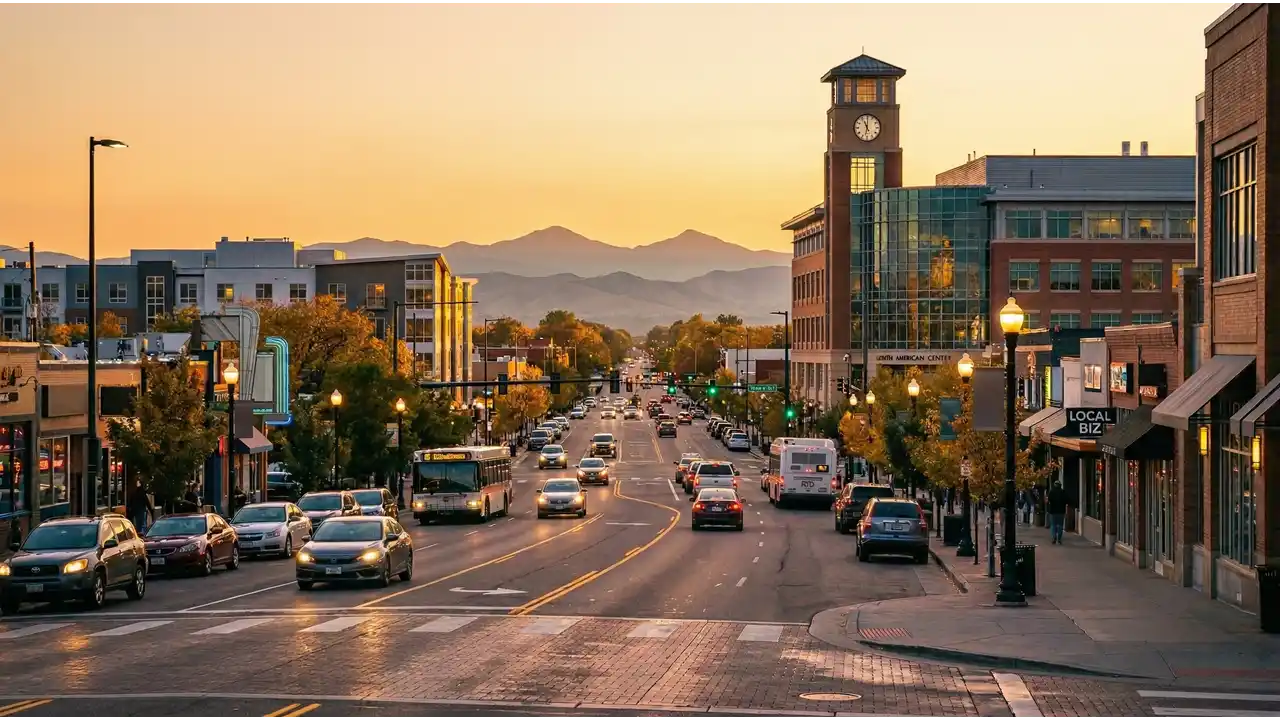
Aspen is a mountain town at 8,000 feet in western Colorado, defined by skiing, second homes, and seasonal tourism. Winter brings crowds and high prices; summer offers hiking, outdoor concerts, and slightly lower intensity. Most residents are either wealthy part-time owners, seasonal workers, or locals who have lived here for decades. Daily life revolves around outdoor recreation and hospitality. The town itself is small and walkable, but services and goods reflect a luxury market. Winter weather is severe. Summers are cool and dry. The population shifts dramatically between seasons.
💡 Local Insights
Aspen CO · 2026
Aspen's cost structure is driven almost entirely by housing. The second-home market and limited development push prices far above Colorado averages. Most housing is owned by non-residents or held in long-term family wealth; rentals cycle seasonally and rent to the highest bidder. Within the $10,425/month moderate budget, housing consumes the majority, leaving limited room for other expenses. Groceries cost $518/month if you shop carefully at local markets and avoid prepared foods; restaurants and takeout are significantly more expensive. Public transit is limited; most residents drive or rely on paid shuttles. Expats should expect that quoted rental prices often exclude utilities, that year-round leases are uncommon, and that landlords prioritize seasonal tenants. The budget tier ($6,255/month) requires roommates or remote work in a lower-wage town nearby. The comfortable tier ($16,159/month) reflects locals with some breathing room or access to employer housing.
Frequently Asked Questions
How much does it cost to live in Aspen CO per month?
A moderate lifestyle costs $10,425/month. This includes housing (the largest component), groceries at $518/month, utilities, transport, dining out occasionally, and entertainment. Budget tiers break down as follows: tight budget, $6,255/month (roommates, minimal dining out, careful shopping); moderate, $10,425/month (independent rental, occasional restaurants, standard utilities); comfortable, $16,159/month (newer rental or purchase cushion, frequent dining, flexibility for seasonal variations). These figures assume year-round residence. Seasonal workers often spend less on housing because they share or live in employer-provided lodging but face higher food costs and seasonal unemployment.
What is the average rent in Aspen CO?
Aspen's housing market defies simple averages because it is split between seasonal and year-round rentals, part-time ownership, and properties rented at widely different rates depending on season and tenant type. Winter (ski season) commands premium prices; summer and fall are cheaper. Year-round leases are rare and competitive. Housing costs vary so widely because the market is dominated by second-home owners and seasonal demand rather than local workforce need. Within the $10,425/month moderate budget, housing typically consumes $5,000 to $7,000, depending on roommates and location. Mountain villages like Snowmass or Basalt, 15 to 20 minutes away, offer lower rents but require a car and longer commutes.
Is Aspen CO cheap to live in for expats?
No. Aspen is one of the most expensive small towns in the United States. Expats accustomed to lower-cost cities in Europe, Mexico, or Southeast Asia will find prices shocking. Housing alone can exceed $6,000/month for a one-bedroom, and that's often a seasonal or shared arrangement. However, expats with remote jobs paying Western salaries can live here comfortably on the $16,159/month tier. Expats in hospitality or local wages will struggle. UK and Australian expats often prefer mountain towns like Boulder or Fort Collins, which are cheaper and have larger expat communities. If you need visa sponsorship, Aspen offers few employer pathways; most expat residents are self-employed or remote workers.
How much does food cost per month in Aspen CO?
Groceries average $518/month if you shop at City Market or Whole Foods and cook at home. Specific examples: eggs, $4 to $5 per dozen; milk, $5 to $6 per gallon; organic produce costs 20 to 40 percent more than Denver averages. Eating out is expensive: casual lunch, $15 to $20; dinner entree at a mid-range restaurant, $28 to $45; upscale dining, $70 to $150 per person. Most residents who budget tightly cook most meals and use grocery delivery services like Amazon Fresh to reduce shopping trips up the mountain. Alcohol prices are high; wine by the glass, $12 to $18. Food trucks and takeout add up quickly if relied on regularly.
What salary do you need to live comfortably in Aspen CO?
A comfortable lifestyle requires $16,159/month, or roughly $194,000/year gross (accounting for taxes). This tier assumes a newer or well-maintained rental, regular dining out, covered utilities, reliable transport, and a buffer for seasonal variation or emergencies. Locally, this is modest; many long-time residents have household incomes of $250,000 to $500,000 or rely on inherited wealth or property equity. If you earn less, you'll need roommates, employer housing (common in hospitality), or a job in a nearby town with lower costs. Remote workers from outside Colorado with six-figure salaries find the $16,159 tier sustainable. On $50,000 to $80,000 locally (typical service-sector wages), you will need subsidized or shared housing and careful budgeting.
How does the cost of living in Aspen CO compare to other places?
Aspen runs $10,425 per month for a moderate lifestyle, which makes it substantially more expensive than most comparable American cities. For reference, Brooklyn runs $5,975 per month on a moderate budget, nearly half of Aspen's cost. The gap widens considerably when you factor in housing, where Aspen commands some of the highest prices in North America due to its status as a premier ski destination and second-home market. You're paying for altitude, access to world-class skiing, and a concentrated population of high-income residents. Even for those earning solid middle-class incomes elsewhere, Aspen's everyday costs for groceries, dining, utilities, and services consistently exceed national averages. If you're considering a move here, budget accordingly. Seasonal work and service-industry positions may not stretch far in this market.
Yes, but with significant constraints. The $6,255 budget tier requires roommates (splitting a two or three-bedroom rental), cooking nearly all meals, minimal dining out, using free outdoor recreation, and no car payments or regular childcare. Most people on this budget are seasonal workers (ski instructors, housekeeping, retail staff) who live in shared housing provided or subsidized by employers, which brings their personal rent below $2,000/month. Year-round residents on $6,255 typically have very low housing costs due to long-term leases, family ownership, or subsidized employee housing. This budget leaves almost no cushion for emergencies, car repairs, or medical costs. Working remotely and living outside Aspen (Basalt, Carbondale, or Rifle) while commuting is more viable than living in town on this budget.