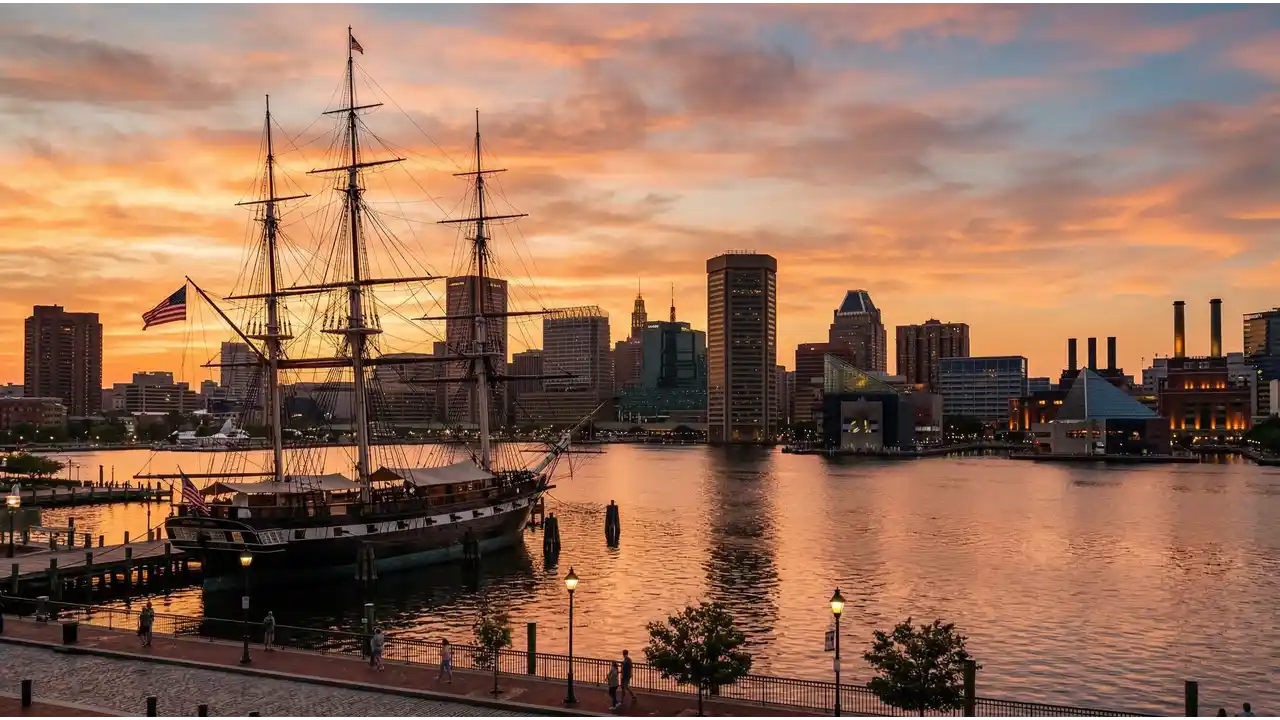
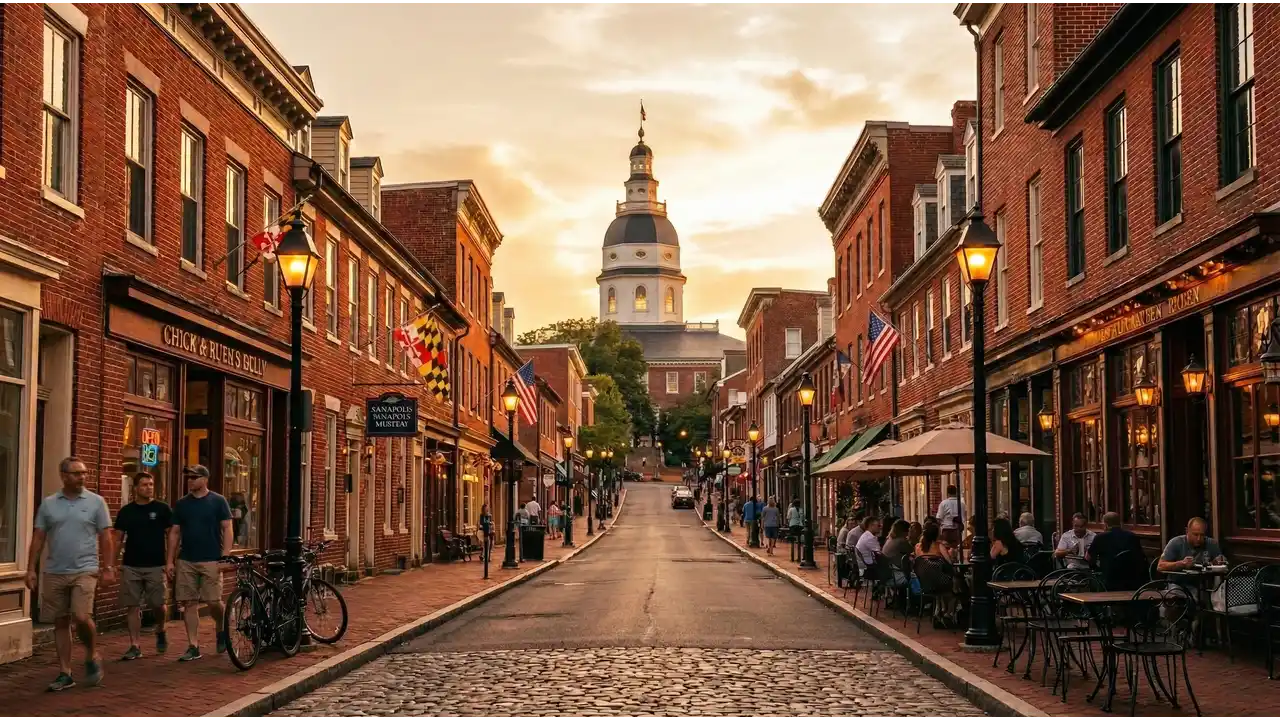
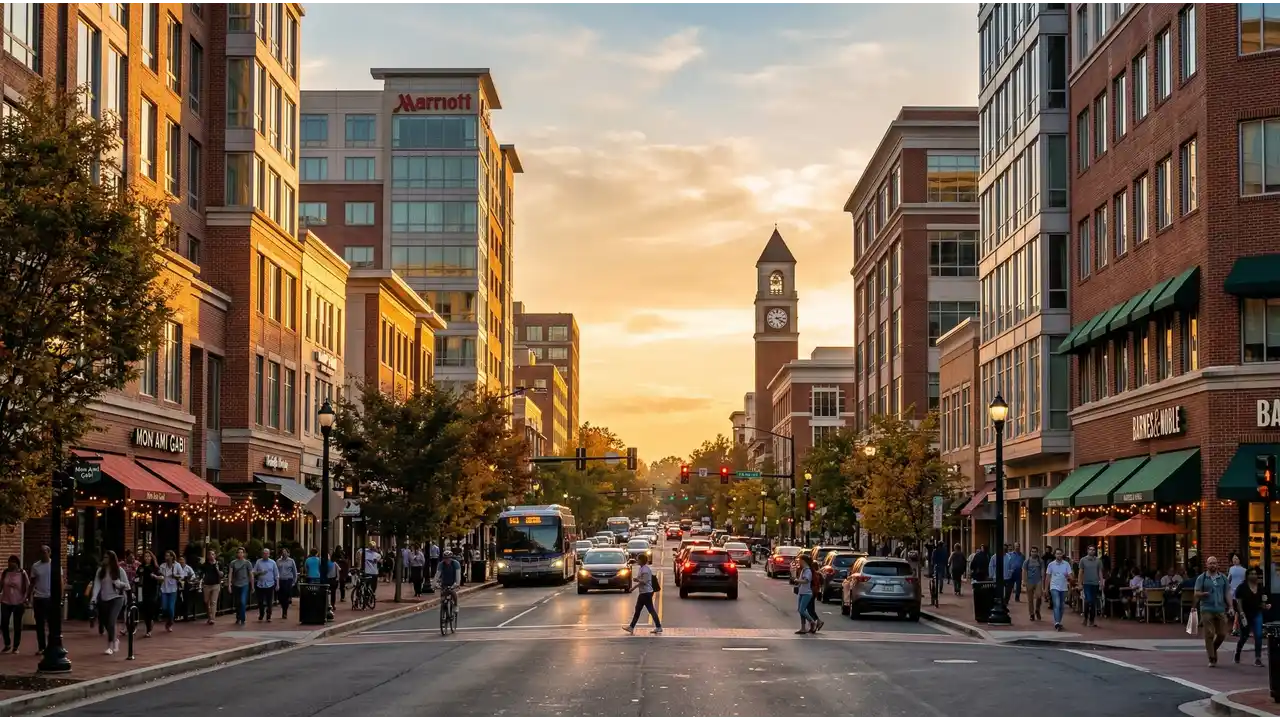
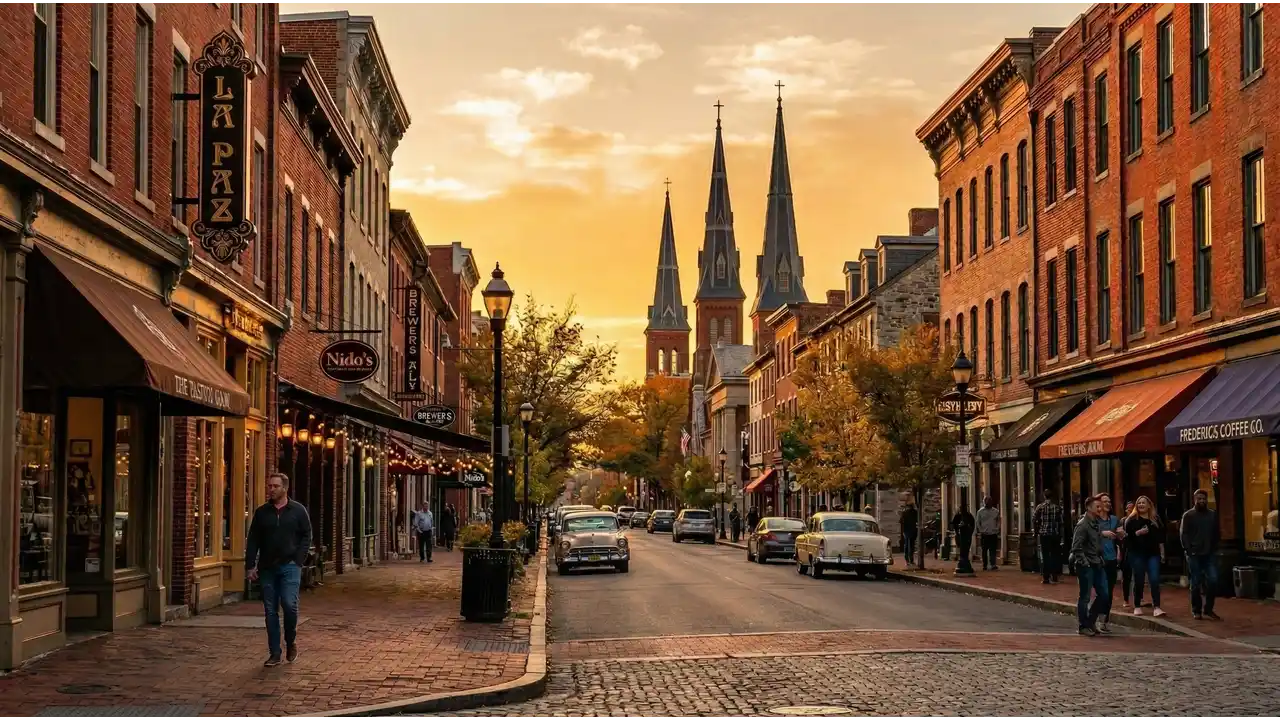
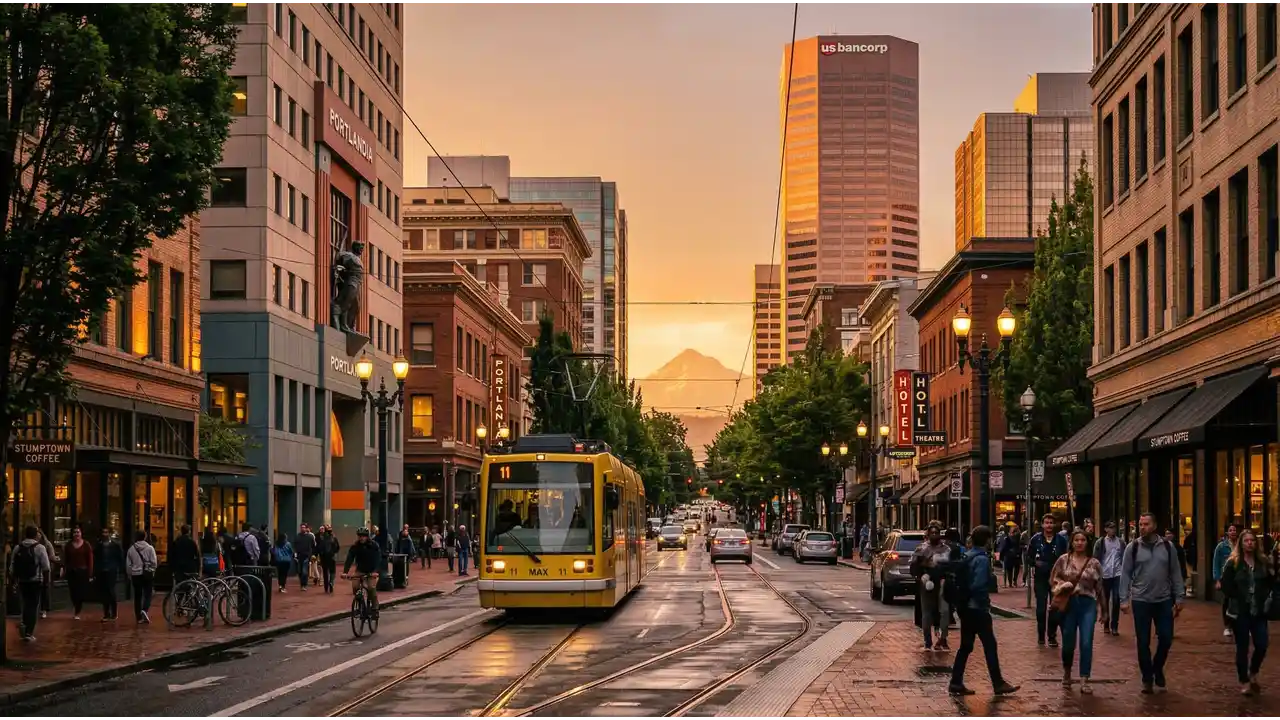
Baltimore is a mid-Atlantic port city of roughly 585,000 people with a working-class history and visible economic stratification. The harbor dominates daily life, with neighborhoods ranging from rowhouse-dense inner city areas to suburban enclaves. Winters are cold and wet (January averages 35 degrees Fahrenheit); summers humid and warm (July around 79 degrees). The city draws creative workers, healthcare professionals, and families seeking affordable Northeast corridor living. Public transit exists but is limited compared to major metros. Daily life centers on neighborhood blocks, local restaurants, and institutions like Johns Hopkins University and the National Aquarium.
💡 Local Insights
Baltimore · 2026
Baltimore's cost advantage within the Northeast stems from slower population growth relative to Boston or DC. Housing averages $1,264 per month and varies sharply by neighborhood. Inner Harbor and Canton command $1,500 to $2,000 for a one-bedroom; Fells Point slightly less; Hampden and Remington $1,100 to $1,500; outer neighborhoods like Dundalk or Catonsville drop to $900 to $1,300. Groceries run $552 monthly for a household, slightly below national average due to competitive supermarket presence (Safeway, Harris Teeter, Aldi). Eating out ranges from $12 to $20 for casual dining, $35 to $60 for sit-down restaurants. Transportation costs are modest if you avoid a car; MTA bus and light rail passes are $2.00 per trip or $64 monthly. Car ownership is common but parking downtown adds $100 to $200 monthly. Utility bills are moderate. Property crime concentration in certain neighborhoods keeps rents lower in safer areas, creating genuine price variation. Expats should budget for seasonal heating and air conditioning.
Frequently Asked Questions
How much does it cost to live in Baltimore per month?
A moderate lifestyle in Baltimore costs around $2,975 per month. This breaks down to housing at $1,264, groceries at $552, utilities around $180, transportation roughly $100 to $150 (bus pass or partial car use), dining and entertainment $400 to $500, and personal care and miscellaneous items $300 to $400. A tighter budget of $1,785 monthly is feasible if you live in outer neighborhoods and minimize dining out. A comfortable lifestyle supporting dining, travel, and discretionary spending runs closer to $4,611 monthly.
What is the average rent in Baltimore?
Average rent in Baltimore is $1,264 per month for a typical renter household. One-bedroom apartments in popular neighborhoods like Inner Harbor, Fells Point, and Canton range from $1,400 to $2,000. More affordable areas like Hampden, Remington, and Canton East rent for $1,100 to $1,500. Outer neighborhoods (Dundalk, Catonsville, Towson) offer one-bedrooms at $900 to $1,300. Two-bedroom units typically run $200 to $400 more. Houses and rowhouses vary widely but often rent $1,200 to $1,800 for two bedrooms depending on condition and location. Neighborhoods with higher crime rates rent significantly cheaper, creating 20 to 30 percent variation across the city.
Is Baltimore cheap to live in for expats?
Baltimore is moderately cheap for expats, especially those from London, Toronto, or San Francisco. It undercuts Washington DC by 15 to 20 percent on housing. Compared to major European cities, it offers lower rent and food costs, though utilities and healthcare require budgeting. The trade-off is public transit limitation; most expats need a car, adding $400 to $600 monthly (payment, insurance, parking). For expats accustomed to walkable European or Canadian neighborhoods, Baltimore requires adjustment to car dependency and neighborhood selection for safety and walkability. Quality of life depends heavily on which neighborhood you choose. Expat communities exist in Canton, Hampden, and Federal Hill but lack the density of larger metros.
How much does food cost per month in Baltimore?
Groceries for a household average $552 monthly. Individual items: whole milk ($3.50 per gallon), bread ($2.50), chicken breast ($8 per pound), ground beef ($6 per pound), eggs ($4.50 per dozen), apples ($2 per pound). A week of groceries for one person runs $30 to $50 depending on diet. Eating out costs $12 to $18 for casual dining (tacos, sandwiches, ramen), $25 to $40 for mid-range restaurants, $50 to $80 for nicer dinners. Harbor-area restaurants cost 20 percent more than neighborhood spots. Supermarkets like Aldi and Harris Teeter offer competitive prices; specialty groceries cost more in Federal Hill and Canton.
What salary do you need to live comfortably in Baltimore?
A comfortable lifestyle in Baltimore requires around $4,611 per month, or roughly $55,000 annually. This supports housing at $1,500 to $1,700, regular dining out, entertainment, travel, and discretionary spending. For households with dual earners, $50,000 to $60,000 combined income is reasonable. A single earner at $60,000 annually (about $4,600 monthly after taxes) can live comfortably but with limited savings. The moderate budget of $2,975 monthly ($36,000 annually) is achievable but requires careful neighborhood selection and minimal travel or entertainment. Households earning $70,000 or more have flexibility to choose better neighborhoods and indulge in leisure without stress.
How does the cost of living in Baltimore compare to other places?
Baltimore's moderate lifestyle costs $2,975 per month, with housing running $1,264 monthly. That makes it slightly pricier than Austin, where a moderate lifestyle costs $2,875 per month, though Baltimore's housing is actually cheaper (Austin runs $1,347). If you're coming from a lower cost-of-living area, Wichita runs $2,325 monthly overall with housing at $808, so Baltimore would feel notably more expensive. On the other end, Sacramento is a clear jump upward at $3,450 monthly and $1,537 for housing. Baltimore sits squarely in the mid-Atlantic tier for a mid-sized city. Your actual costs will shift based on neighborhood choice, transit reliance, and whether you're renting or buying, but these figures give you a solid baseline for the region.
Yes, but with constraints. A budget of $1,785 monthly works if you rent in outer neighborhoods (Dundalk, Catonsville, Highlandtown) at $850 to $1,000, keep groceries to $450 to $500 monthly, use public transit ($64 monthly pass), and minimize dining out to $200 or less. This budget eliminates discretionary travel, entertainment, and savings. It works for disciplined renters, students, or those with free housing. You must avoid car ownership unless already paid for. Internet and phone are necessary utilities, costing roughly $80 combined. Emergency funds are tight. Most people find this budget stressful long-term, especially families. The moderate budget of $2,975 provides breathing room without luxury.