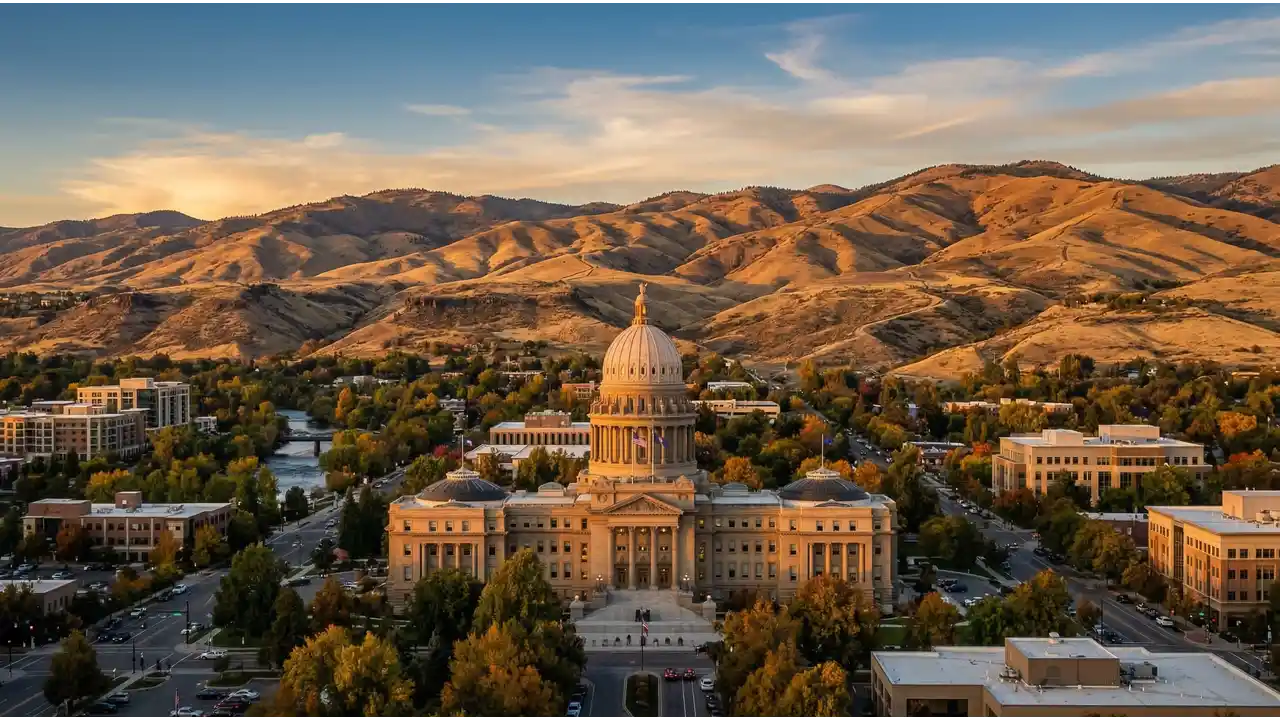
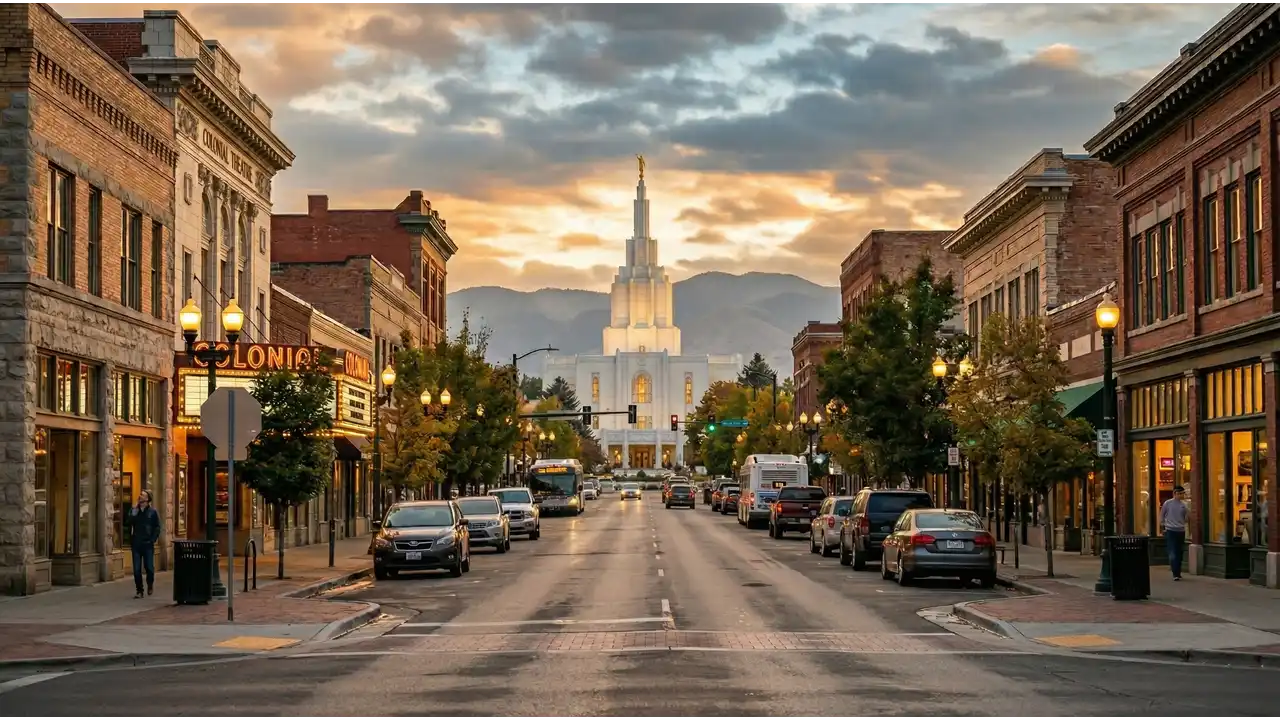
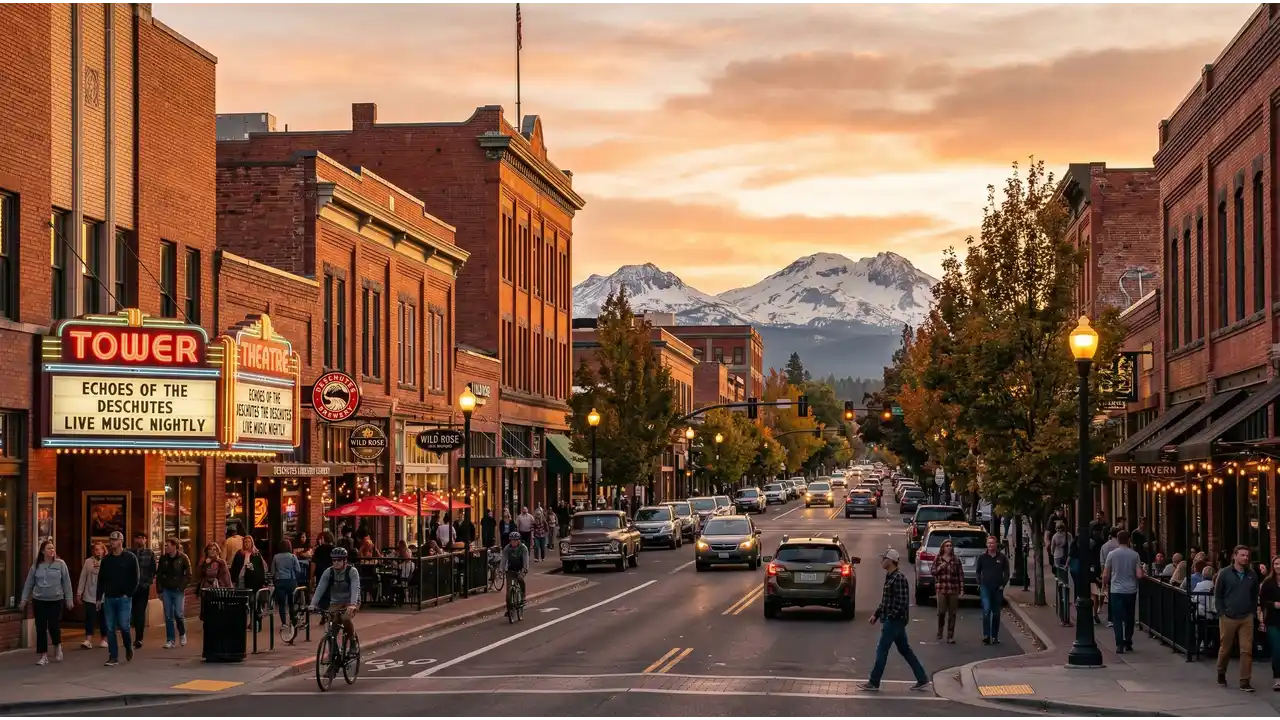
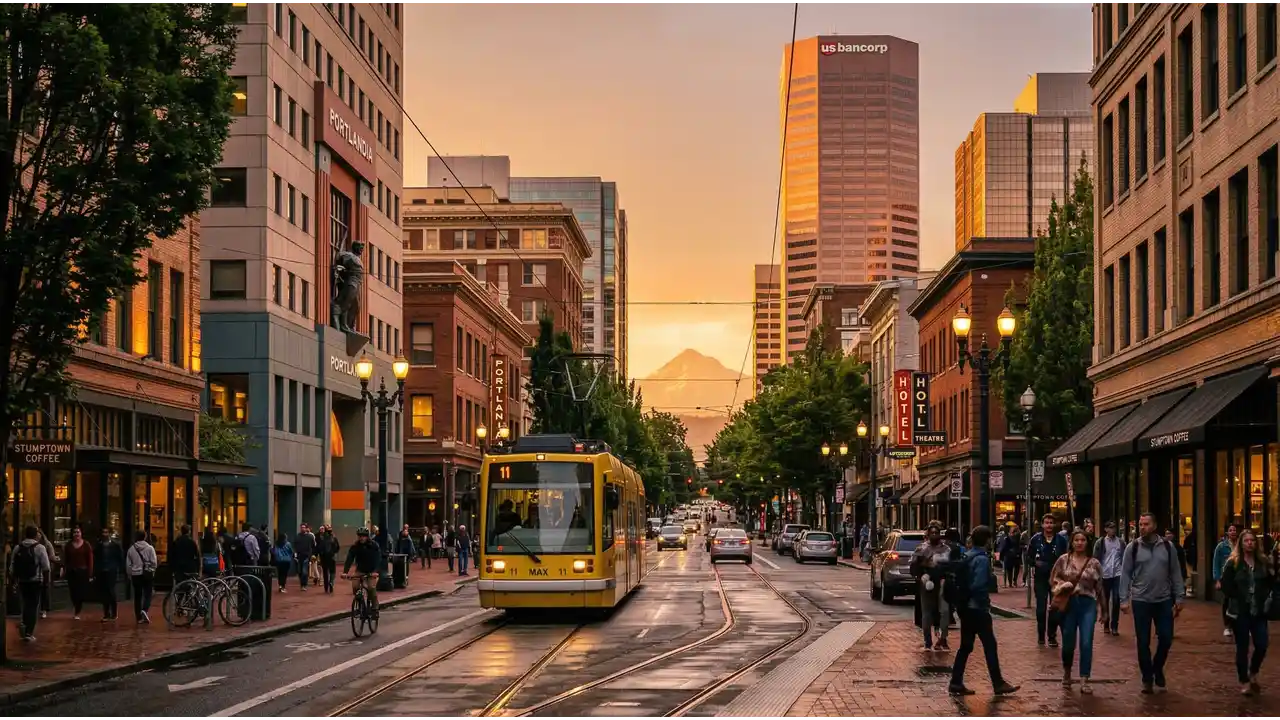
Boise is Idaho's capital and largest city, home to around 240,000 people in the metro area. The city sits in a high desert valley with four seasons, hot dry summers and cold winters with occasional snow. It attracts young professionals, families, and retirees drawn by lower costs than West Coast cities, outdoor recreation (hiking, skiing nearby), and a growing tech sector. Daily life centers on downtown's pedestrian core, tree-lined neighborhoods like North End and Barber Park areas, and easy access to foothills trails. The pace is slower than Seattle or Portland but faster than rural Idaho.
💡 Local Insights
Boise ID · 2026
Boise has seen real cost pressure since 2020 as remote workers and Californians relocated here, but it remains cheaper than major Pacific Northwest cities. Housing runs $1,523/month on average for the moderate lifestyle, with one-bedroom apartments in central areas (downtown, North End) ranging from $1,300 to $1,800, and two-bedrooms from $1,600 to $2,200. Outer neighborhoods and suburbs pull averages down; rural areas within 30 minutes can be $200 to $400 less. Groceries average $509/month, roughly in line with national costs. The Boise Foothills Trail system is free. Car ownership is nearly essential outside downtown. Public transit exists (Valley Transit) but service is limited compared to larger cities. No significant local vs expat pricing difference; prices are posted and consistent. The moderate budget of $3,100/month includes housing, groceries, utilities, transport, and modest dining out.
Frequently Asked Questions
How much does it cost to live in Boise ID per month?
A moderate lifestyle in Boise costs $3,100/month. This covers housing ($1,523/month), groceries ($509/month), utilities, public transit or car expenses, and modest dining and entertainment. A tight budget runs $1,860/month, cutting housing to shared or outer-area rentals and limiting dining out. A comfortable lifestyle is $4,805/month, allowing for newer housing, regular restaurant meals, and discretionary spending. Actual costs depend on neighborhood choice and personal habits.
What is the average rent in Boise ID?
Average housing costs are $1,523/month for the moderate lifestyle tier. One-bedroom apartments in central neighborhoods (downtown, North End) typically rent $1,300 to $1,800. Two-bedroom apartments range $1,600 to $2,200. Suburban or outer areas drop to $1,200 to $1,500 for one-bedrooms. Houses for rent are generally $1,600 to $2,400. Prices have risen since 2021 but remain well below Seattle or Portland. Winter months sometimes offer slight discounts. Utilities add $120 to $180/month depending on heating needs.
Is Boise ID cheap to live in for expats?
Boise is moderately priced for North America. It is cheaper than San Francisco, Seattle, Denver, or Portland, but more expensive than rural US areas or most non-Western cities. For expats from Western Europe, Australia, or Canada, costs are broadly similar or slightly lower. For expats from Southeast Asia, Latin America, or Eastern Europe, it will feel expensive. The real draw is stability, good public services, and safety rather than low absolute costs. Visa sponsorship and remote work are the main routes for expat settlement.
How much does food cost per month in Boise ID?
Groceries for a moderate diet average $509/month per person. This covers standard supermarket staples: milk around $3.50/gallon, eggs $3 to $4/dozen, ground beef $5 to $6/pound, chicken breasts $8 to $10/pound, fresh produce $1 to $3 per item. Grocery chains include Albertsons (local roots), Safeway, Winco Foods (cheaper option), and New Seasons. Eating out is $15 to $30 per entree at casual restaurants; fine dining $50 to $80+. Coffee shops charge $5 to $6 for specialty drinks. Food costs are stable year-round.
What salary do you need to live comfortably in Boise ID?
A comfortable lifestyle costs $4,805/month, suggesting an annual gross income of around $58,000 to $62,000 for a single person, accounting for taxes. Couples can split costs. Comfortable living allows newer housing ($2,000 to $2,500/month), frequent dining out, regular entertainment, and travel. The median household income in Boise is roughly $70,000. Tech workers, healthcare professionals, and government employees typically meet or exceed comfort thresholds. Renters on less than $45,000/year will feel cost pressure; remote workers with $55,000+ are generally fine.
How does the cost of living in Boise ID compare to other places?
Boise runs $3,100 per month for a moderate lifestyle, with housing at $1,523 per month. That puts it in the middle of the pack nationally. Pittsburgh, a peer city of similar size and amenities, costs about $3,200 monthly, so Boise is slightly cheaper overall and considerably cheaper on housing (Pittsburgh runs $1,583 for rent). If you're coming from the coasts, you'll notice the difference immediately. San Antonio is genuinely affordable at $2,575 per month with housing at $1,030, making it notably less expensive than Boise. Honolulu, Hawaii sits at the opposite end at $4,475 monthly with housing at $2,214, so Boise is substantially cheaper than what you'd pay in Hawaii. For most people relocating from major metros, Boise offers real savings without sacrificing urban conveniences.
Yes, but with constraints. The budget tier of $1,860/month requires housing around $1,000 to $1,100/month (shared apartments, roommates, or outer suburbs), groceries at $400 to $450/month (bulk buying, budget stores), and minimal dining out. You will need reliable transportation (used car or heavy transit reliance, though transit is limited). Entertainment is mostly free or low-cost (hiking, parks). Single person budgets tighter than couples. This requires discipline but is viable for students, early-career workers, or those with very local job placements. No margin for emergencies or travel.