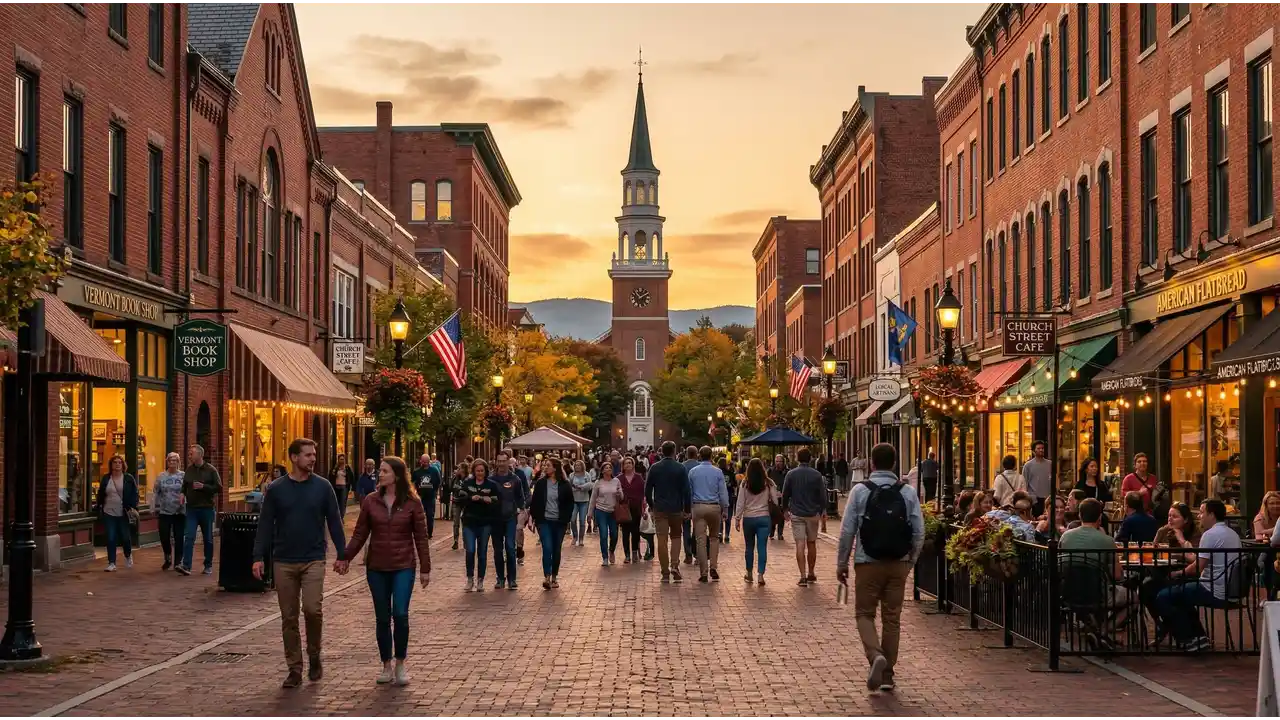
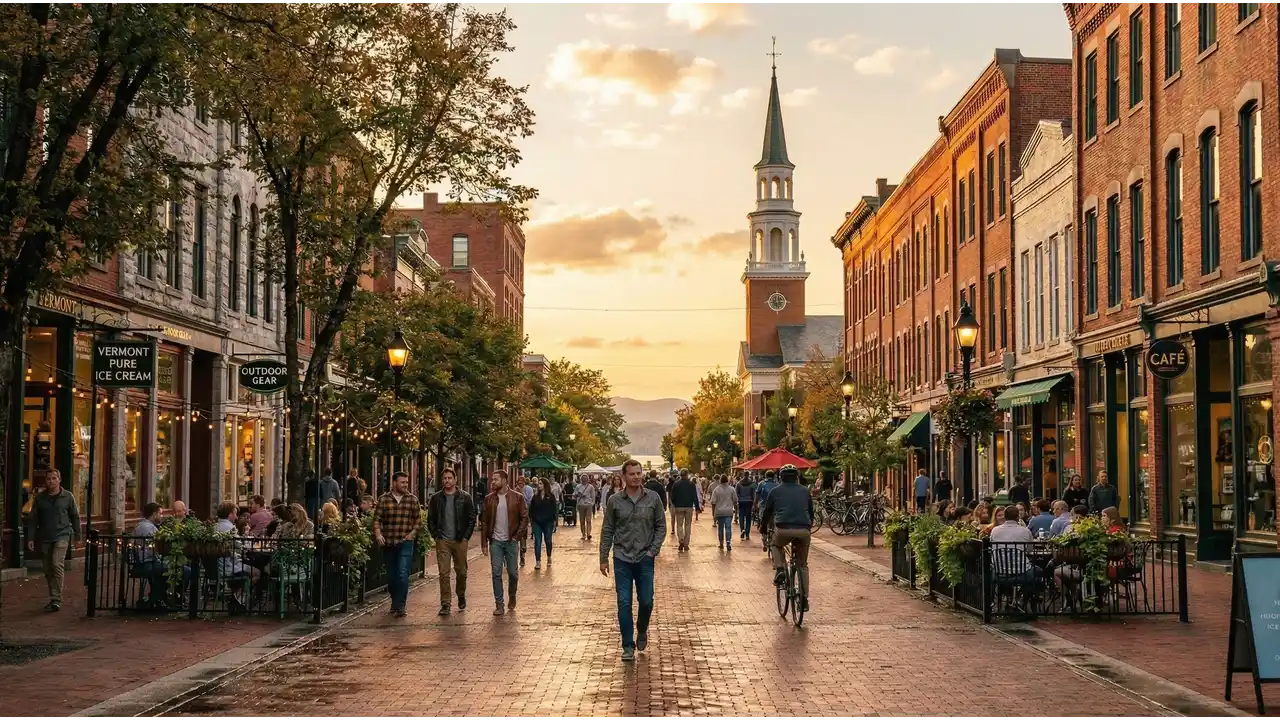
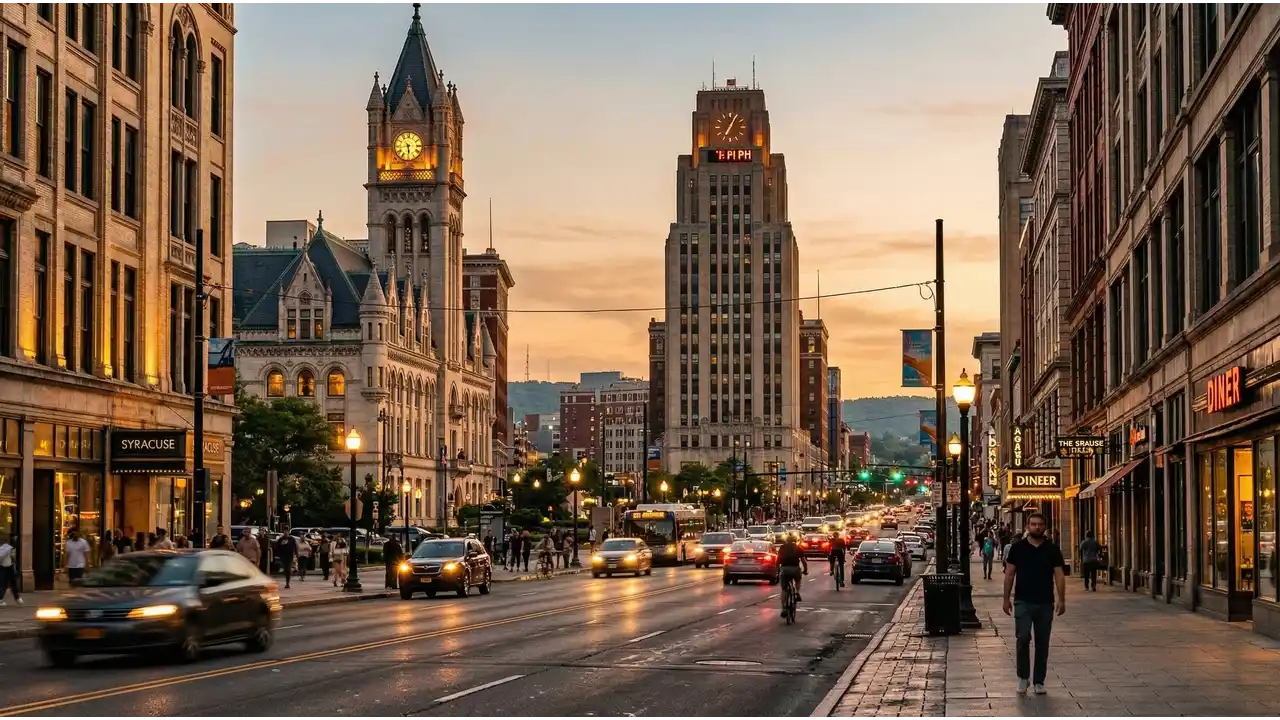
Burlington is Vermont's largest city, home to about 45,000 people on the eastern shore of Lake Champlain. The downtown is walkable, with independent shops, restaurants, and cultural venues concentrated around Church Street. The University of Vermont anchors the local economy and student population. Winters are cold and snowy, lasting five months. Summers are short and mild. The city draws a mix of young professionals, families, academics, and remote workers seeking smaller-city life with access to outdoor recreation. Daily life centers on walking or biking downtown, farmers markets in summer, and proximity to hiking and skiing.
💡 Local Insights
Burlington · 2026
Burlington's costs reflect a small city with limited housing supply and strong demand from university employees and remote workers. Housing runs $2,171 per month on average, ranging from $1,500 to $2,800 depending on neighborhood and whether you rent a one-bedroom or shared space. Downtown and Old North End units command premiums. South Burlington and Winooski offer slightly lower rents but require a car. Groceries average $550 monthly because Vermont has no sales tax on food, but local produce costs more than national chains. Eating out is moderate; most dinners run $15 to $25. Public transit exists but is limited; most residents own cars or bike. Property taxes are high (about 1.9 percent of assessed value), so long-term ownership costs more than short-term rent. Winter heating costs ($100 to $200 monthly) spike from November through March.
Frequently Asked Questions
How much does it cost to live in Burlington per month?
A moderate lifestyle costs $3,875 per month. This breaks down roughly as housing $2,171, groceries $550, utilities and transport $400 to $500, and the remainder on dining out, entertainment, and personal services. A budget tier lifestyle costs $2,325 per month, cutting back on eating out and entertainment. A comfortable lifestyle costs $6,006 per month, allowing for dining out regularly, travel, and hobbies. Your actual cost depends heavily on housing choices, car ownership, and dining habits.
What is the average rent in Burlington?
Average rent is $2,171 per month. One-bedroom apartments downtown or in Old North End range from $1,600 to $2,400. Two-bedroom units run $1,900 to $2,800. Shared housing or rooms cost $800 to $1,200. South Burlington and Winooski, just outside the city, offer similar ranges. Prices have risen steadily over the past five years due to limited new construction and strong demand from university staff and remote workers. Most leases require first month, last month, and a security deposit upfront.
Is Burlington cheap to live in for expats?
Burlington is not cheap by international standards. Europeans accustomed to major cities like London or Berlin will find it affordable. Those from Eastern Europe or Southeast Asia will find it expensive. Americans from New York, Boston, or San Francisco will see it as a cost saving. For Canadian expats from Toronto or Vancouver, it is slightly cheaper but comparable. The trade-off is that you get a quieter, more outdoor-focused lifestyle, no sales tax on groceries, and strong healthcare access. Currency exchange rates matter significantly for those earning in euros or pounds.
How much does food cost per month in Burlington?
Groceries average $550 per month for one person eating at home. A typical week includes milk ($4), eggs ($4), bread ($3), chicken ($8 per pound), ground beef ($6 to $7 per pound), local produce in season ($30 to $40 per week), and pantry staples. Farmers markets run May through October and offer cheaper local vegetables. Eating out costs $15 to $25 for a casual dinner, $35 to $60 for moderate restaurants. Coffee is $3 to $4. Vermont's lack of sales tax on groceries helps keep food costs lower than neighboring states.
What salary do you need to live comfortably in Burlington?
A comfortable lifestyle costs $6,006 per month, or about $72,000 annually before tax. This assumes you can afford $2,171 for housing, eat out regularly, travel once or twice per year, maintain a car, and pursue hobbies. After federal and Vermont state tax (roughly 20 percent combined), you need gross income around $90,000. Many University of Vermont positions and tech jobs pay in this range. Remote workers earning more should expect lower financial stress. The median household income in Burlington is roughly $68,000, so comfortable living requires either dual income or a higher-paying role.
How does the cost of living in Burlington compare to other places?
Burlington ranks as moderately expensive for the Northeast. A moderate lifestyle here costs $3,875 per month, with housing alone running $2,171 per month. That housing figure is notably higher than Tampa, where a moderate lifestyle costs $3,100 total with housing at $1,492 per month. Indianapolis is considerably cheaper overall at $2,675 per month, with housing at just $1,110 per month. Boston, by contrast, is significantly dearer than Burlington. Boston runs $4,675 monthly for a moderate lifestyle, with housing at $2,813 per month. If you're coming from a lower-cost region, Burlington will feel like a substantial jump. If you're relocating from Boston or other Northeast metros, you'll find meaningful savings here, particularly in housing costs.
Yes, but with significant constraints. A budget of $2,325 requires housing around $1,400 to $1,500 (shared accommodation or a studio outside downtown), $350 for groceries, $200 for utilities and transport, and $250 for everything else. This means no car, limited eating out, and no travel budget. It suits students living with roommates or individuals with very low discretionary spending. Winter heating becomes painful without backup income. Many people at this budget work part-time or receive financial aid. It is doable but leaves almost no margin for medical costs, car repairs, or emergencies.