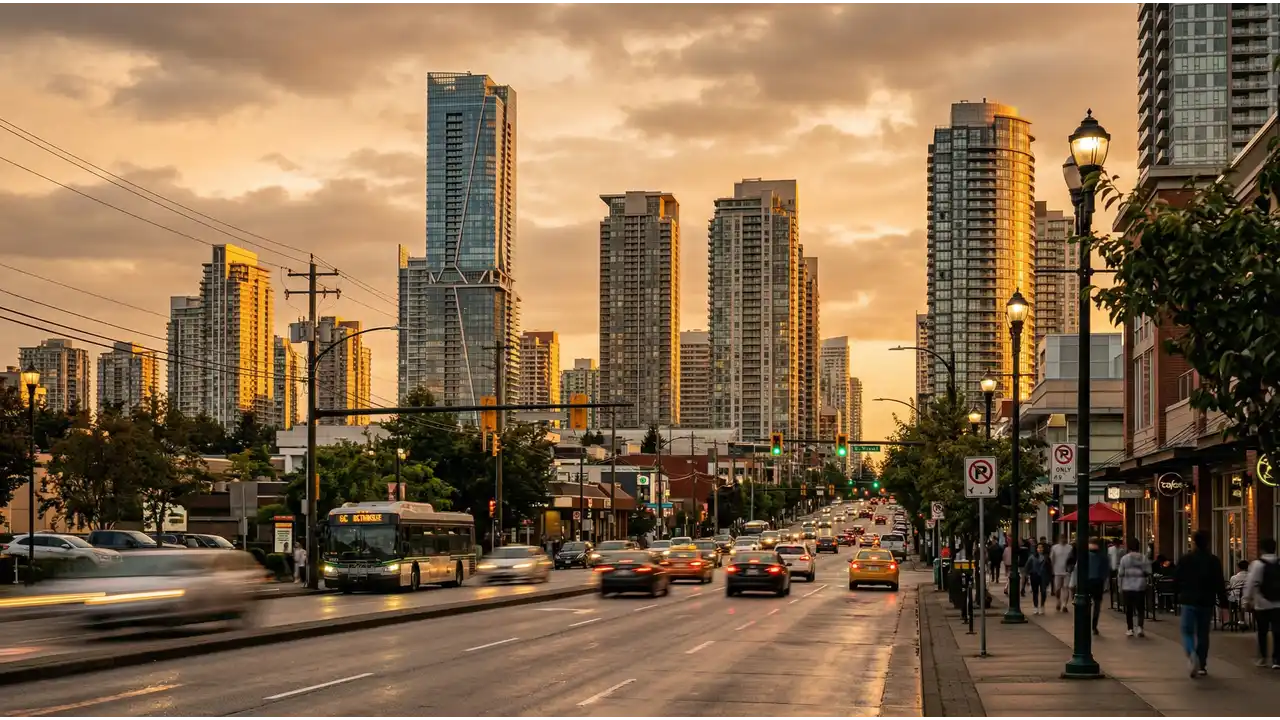
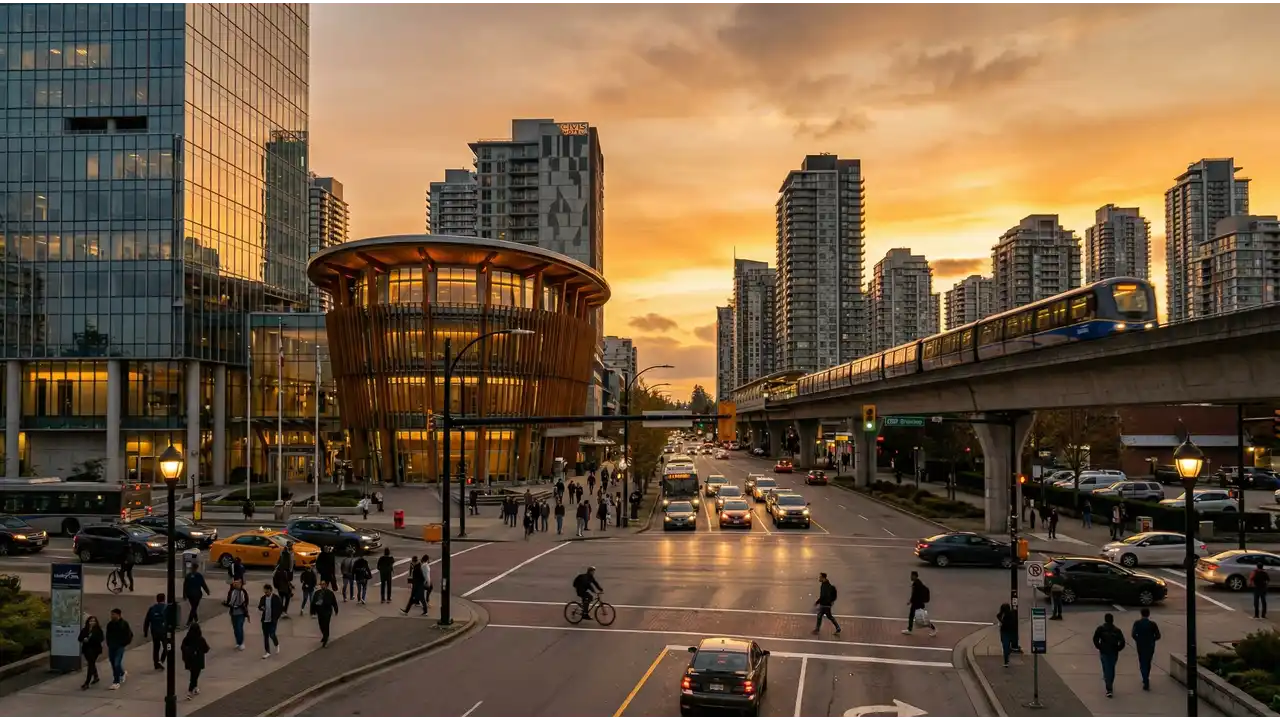
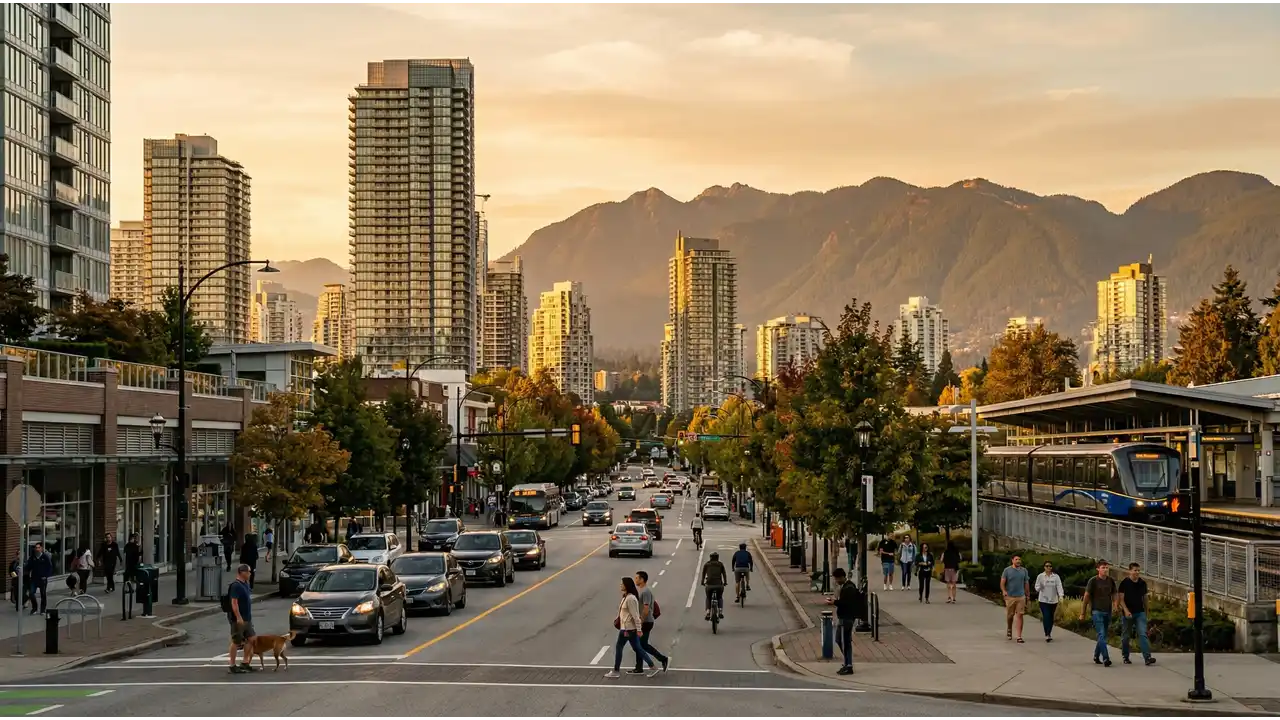
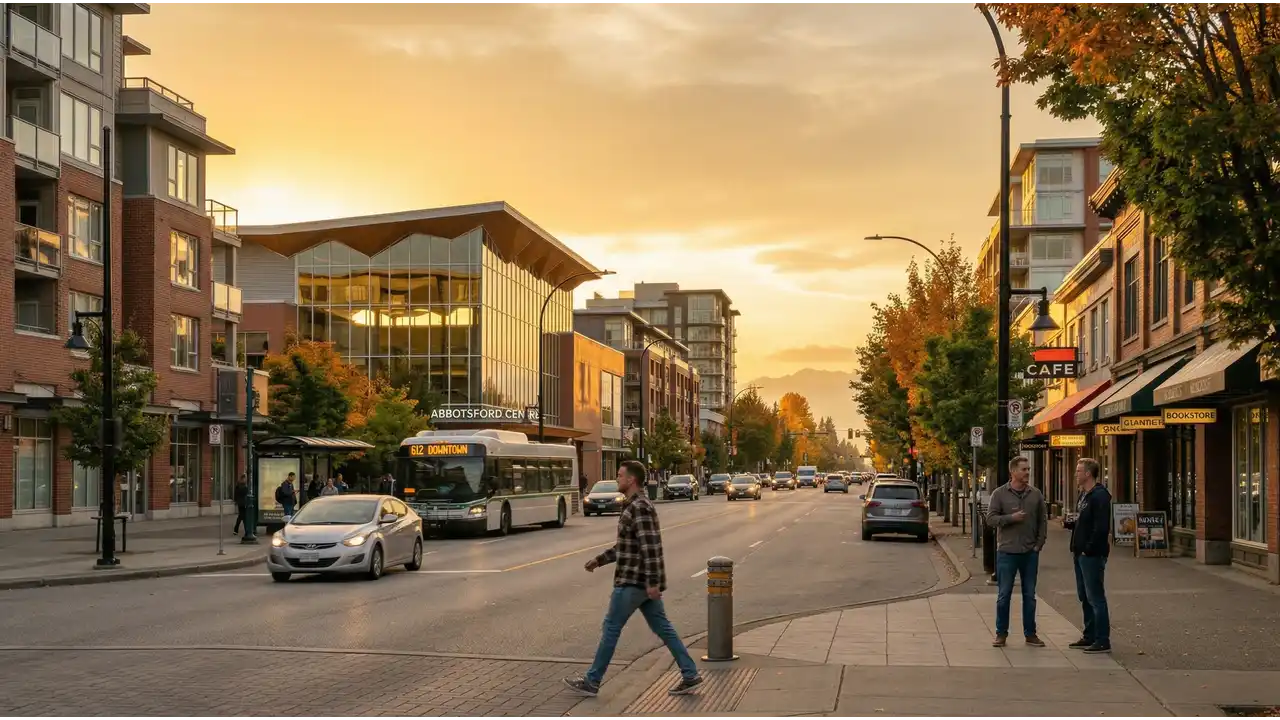
Burnaby is a mid-sized city of about 250,000 people in Metro Vancouver, British Columbia. It sits east of Vancouver proper, between the city and the mountains. The population is diverse, with significant Chinese, South Asian, and European communities. Winters are mild but wet (average 5-10°C, frequent rain). Summers reach 20-25°C. Daily life centers on car commuting or transit, shopping at malls like Metrotown, and accessing the North Shore mountains for hiking within an hour. It's primarily residential and commercial, less touristy than Vancouver proper. The city has a pragmatic, suburban feel rather than a cultural epicenter.
💡 Local Insights
Burnaby BC · 2026
Burnaby's cost of living sits firmly in Metro Vancouver's middle tier. Housing dominates your budget at $1,462/month for a moderate lifestyle. Rents for a one-bedroom apartment typically run $1,300-$1,500, while a two-bedroom sits around $1,600-$1,900. The closer you are to Metrotown or transit corridors, the higher the rent. Neighborhoods like Burnaby Lake and northeast Burnaby offer slightly lower rents than central areas. Groceries average $432/month for a single person buying staples at Costco, Save-on-Foods, or T&T Supermarket. Fresh produce, dairy, and meat run 20-30% higher than US prices. Transit via TransLink (bus, SkyTrain) costs $115-$175/month depending on zones; a car adds $200-$300/month in fuel and insurance on top of ownership. Expats often find Burnaby cheaper than Vancouver but more expensive than most North American cities. Local pricing is uniform; expats don't pay more than residents. The biggest cost surprise is usually utilities (heating, electricity) at $150-$200/month in winter.
Frequently Asked Questions
How much does it cost to live in Burnaby BC per month?
A moderate lifestyle costs around $2,800/month. This breaks down to housing at $1,462/month, groceries at $432/month, utilities around $175/month, transit at $140/month, and discretionary spending (dining out, entertainment, personal care) at roughly $600/month. A tighter budget of $1,680/month cuts discretionary spending and assumes shared housing. A comfortable lifestyle runs $4,340/month, allowing for a larger apartment, frequent dining out, car ownership, and leisure activities. Your actual spend depends heavily on whether you own a car and your neighborhood choice.
What is the average rent in Burnaby BC?
Average rent in Burnaby is around $1,462/month for a moderate lifestyle. A one-bedroom apartment typically costs $1,300-$1,500/month; a two-bedroom runs $1,600-$1,900/month. Central Burnaby near Metrotown SkyTrain station commands higher rents (top end of these ranges), while neighborhoods like Burnaby Lake, northeast Burnaby, or areas farther from transit offer savings of $100-$200/month. House rentals start around $2,000-$2,500/month for a two-bedroom bungalow. Prices have remained relatively stable. Furnished rentals cost 10-15% more. Most leases require first and last month's rent upfront plus a damage deposit.
Is Burnaby BC cheap to live in for expats?
Burnaby is moderately expensive for expats but cheaper than central Vancouver or Toronto. At $2,800/month for a moderate lifestyle, it sits well below comparable US cities (San Francisco, Seattle, New York), but costs roughly 20-30% more than mid-sized American metros like Denver or Austin. For expats from Australia, UK, or Northern Europe, Burnaby feels pricey. For those from developing nations, it's substantially expensive. The main cost drivers are housing and vehicle ownership. Expats from Asia often find the diverse food scene and established immigrant communities offset the cost premium. There's no expat tax or local pricing markup; you pay what locals pay.
How much does food cost per month in Burnaby BC?
Groceries average $432/month for one person buying staples. A loaf of bread costs $3-$4; a dozen eggs $3-$4; a kilogram of chicken breast $10-$13; a kilogram of rice $1-$2; fresh vegetables and fruit run $2-$5 per pound. Shopping at Costco or Asian supermarkets (T&T, Save-on-Foods) is cheaper than smaller grocers. Eating out at casual restaurants costs $12-$18 for a main course; mid-range dining runs $18-$30. Coffee is $3-$5. A meal for two at a casual restaurant averages $35-$50. Fast food remains affordable at $8-$12 per meal. Alcohol and imported goods carry a 15-20% premium over US prices.
What salary do you need to live comfortably in Burnaby BC?
A comfortable lifestyle costs $4,340/month, suggesting an annual salary of around $52,000-$55,000 (gross) to cover expenses comfortably after taxes. In British Columbia, with a 20% effective tax rate on that income, you'd need closer to $65,000 gross annually. This comfortable tier assumes a one-bedroom apartment or small two-bedroom, regular dining out, a car with insurance and fuel, and moderate entertainment spending. Many two-income households fall into this tier. A single earner on $55,000-$65,000 gross will feel squeezed; couples earning $70,000-$90,000 combined typically experience genuine comfort. Higher salaries are needed if you have dependents or want to save significantly.
How does the cost of living in Burnaby BC compare to other places?
Burnaby sits in the mid-range for major Canadian cities. A moderate lifestyle costs $2,800 per month, with housing at $1,462 per month. Toronto runs $2,600 for a moderate lifestyle and $1,462 for housing, making it slightly cheaper overall despite identical housing costs. Quebec City is noticeably more affordable at $1,975 monthly, with housing at $974. If you're comparing North America more broadly, Burnaby is substantially cheaper than Singapore, which costs $4,125 monthly with housing at $2,649. The main difference between Burnaby and Toronto is that Toronto's lower total cost masks equivalent housing prices, meaning you'll save primarily on non-housing expenses there. Burnaby's positioning reflects typical Metro Vancouver pricing: higher than most Canadian alternatives except Toronto, but significantly lower than premium global cities.
Yes, but with significant trade-offs. A $1,680/month budget requires shared housing (room rental or roommate split), costing $700-$900/month. This leaves $780-$980 for groceries ($400), transit ($140), utilities ($100-$150), and personal items. Dining out is nearly impossible; you'll cook all meals. Phone, internet, and entertainment disappear or shrink drastically. This budget works for students, recent graduates, or people in temporary situations. Many people do it by living in outer neighborhoods, taking transit instead of driving, and using discount grocers. It's tight but feasible if you have no dependents and accept limited social spending. Emergency savings are minimal.