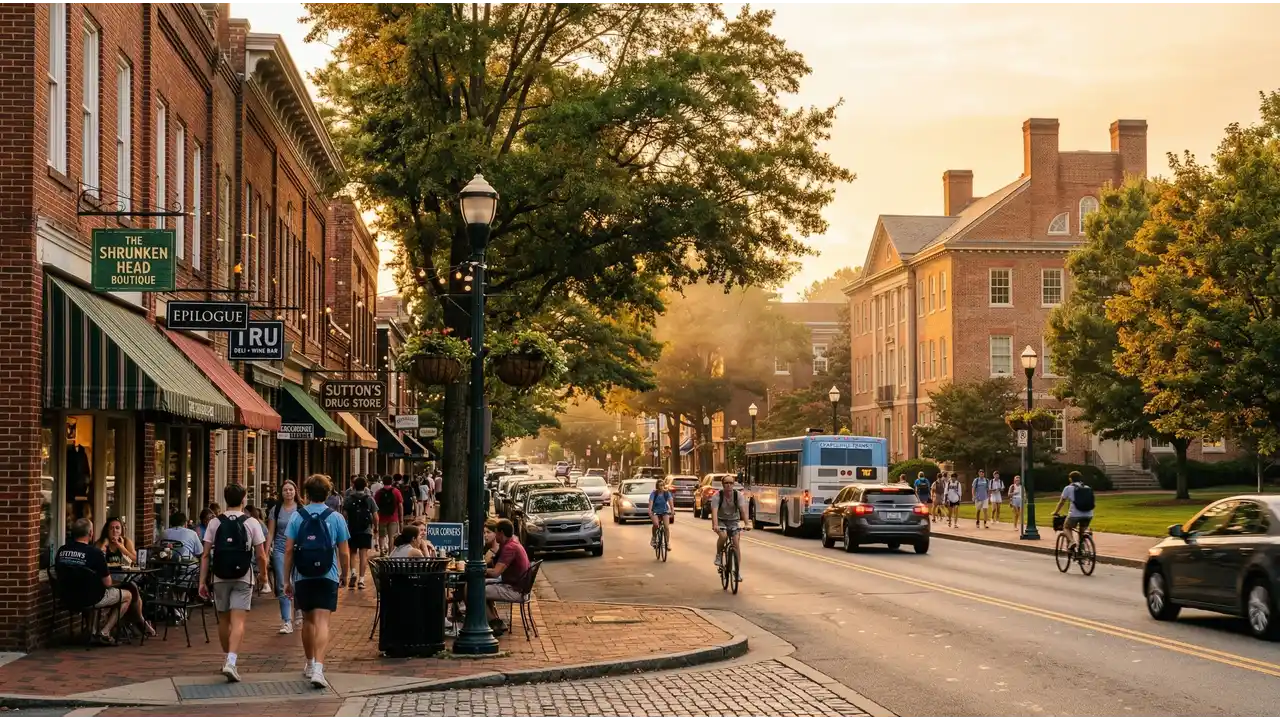
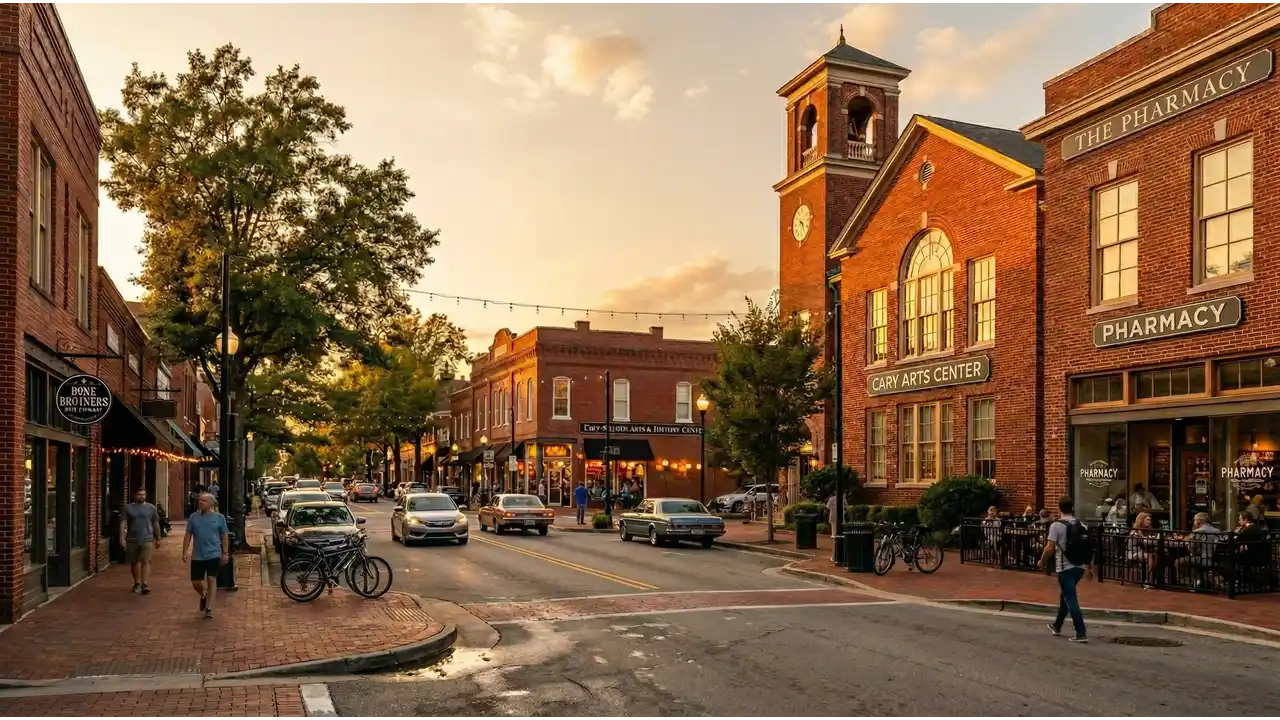
Durham is a mid-sized city in North Carolina's Research Triangle, home to Duke University and a growing tech sector. The population is around 280,000, with a mix of students, professionals, and families. The climate is humid subtropical with hot summers and mild winters. Daily life centers on neighborhoods like downtown (walkable, mixed-income), Trinity Park (historic residential), and Brightleaf Square (trendy shopping and dining). Most people drive, though bus service exists. The city has experienced rapid growth over the past decade, pushing costs up but keeping them lower than major metros.
💡 Local Insights
Durham NC · 2026
Durham's costs have risen significantly due to tech sector growth and Duke's expansion, but it remains affordable compared to peer cities. Housing runs around $1,332/month on average, varying by neighborhood. Downtown and near-Duke areas command premiums (one-bedroom apartments $1,100-$1,400), while older residential neighborhoods like Old West Durham and Walltown offer lower rents ($850-$1,200). Groceries average $514/month for a moderate diet at chains like Food Lion, Harris Teeter, and local markets. Eating out is moderate (casual meal $12-$15, nicer dinner $40-$60). Transit via GoTrianglebus is cheap ($2 per ride), but owning a car is nearly essential; gas and parking are standard US rates. Expats often find Durham cheaper than expected, with no special pricing for outsiders. Property taxes and utilities add roughly $150-$200/month depending on season and efficiency.
Frequently Asked Questions
How much does it cost to live in Durham NC per month?
A moderate lifestyle in Durham costs around $2,925/month. This covers housing ($1,332), groceries ($514), transport, utilities, and personal spending. A lean budget of $1,755/month is possible in cheaper neighborhoods and by cooking at home. A comfortable tier with dining out and discretionary spending runs $4,534/month. Costs vary by location within the city and household composition. These figures are based on local pricing data and regional consumer surveys.
What is the average rent in Durham NC?
Average rent is around $1,332/month. A one-bedroom apartment in downtown Durham or near Duke University runs $1,100-$1,400. Older neighborhoods like Old West Durham and East Durham have lower rents, $850-$1,100 for one-bedroom units. Two-bedroom apartments average $1,400-$1,650. Prices reflect recent growth and the university presence. Rental demand is high during the academic year (August-May). Most leases are month-to-month or 12-month terms; deposits typically equal one month's rent.
Is Durham NC cheap to live in for expats?
Durham is moderately affordable for expats, especially those coming from Western Europe, Australia, or major US cities like New York or San Francisco. At $2,925/month for a moderate lifestyle, it is cheaper than Boston, Seattle, or the Bay Area, but more expensive than many secondary US cities. Expats should expect US-level car dependence and no special pricing on housing or goods. The tech job market is solid, and the international student population at Duke creates community. Healthcare costs are reasonable by US standards if you have insurance.
How much does food cost per month in Durham NC?
Groceries average $514/month for a single person eating a mix of prepared and fresh food. A week of staples runs $80-$120 depending on where you shop. Harris Teeter is pricier ($15-$20 per trip baseline), Food Lion cheaper ($12-$16). Farmers markets (Saturday mornings downtown) offer competitive prices on produce. Eating out is moderate: casual lunch $12-$15, coffee $4-$5, casual dinner $15-$25, nicer restaurant $40-$60. International groceries (Asian, Latin, Indian markets) are available at competitive prices in certain neighborhoods.
What salary do you need to live comfortably in Durham NC?
A comfortable lifestyle with dining out, entertainment, and discretionary spending costs around $4,534/month, or roughly $54,400 per year gross (before taxes and benefits). This assumes a single person; families need more. A household earning $55,000-$65,000 annually can live comfortably with room for savings. The median household income in Durham is around $55,000, so this is achievable for dual earners or professional roles. Cost of living is low enough that remote workers from higher-wage markets find significant savings.
How does the cost of living in Durham NC compare to other places?
Durham's moderate budget of $2,925/month is notably cheaper than Boston ($4,300/month), Seattle ($4,100/month), or Austin ($3,800/month). It is slightly more expensive than Pittsburgh ($2,650/month) or Nashville ($2,850/month), reflecting its tech-sector growth. Compared to Raleigh (the state capital, 30 miles away), Durham rents are very similar, with slight differences by neighborhood. Compared to international cities, Durham is much cheaper than London, Toronto, or Melbourne, but more expensive than Mexico City or Lisbon. The US South in general offers lower costs than coastal metros.
Can you live in Durham NC on $1,755/month?
Yes, but it requires discipline. This budget tier means living in an older neighborhood (East Durham, Old West Durham) with rent around $800-$950, cooking nearly all meals ($300-$350/month), minimal dining out, and using the bus or cycling instead of owning a car. Utilities and phone add $100-$150. This leaves very little for entertainment, clothing, or unexpected expenses. Students and young professionals do it, but quality of life is tight. A roommate drops the rent share to $400-$500, making the budget much more livable.