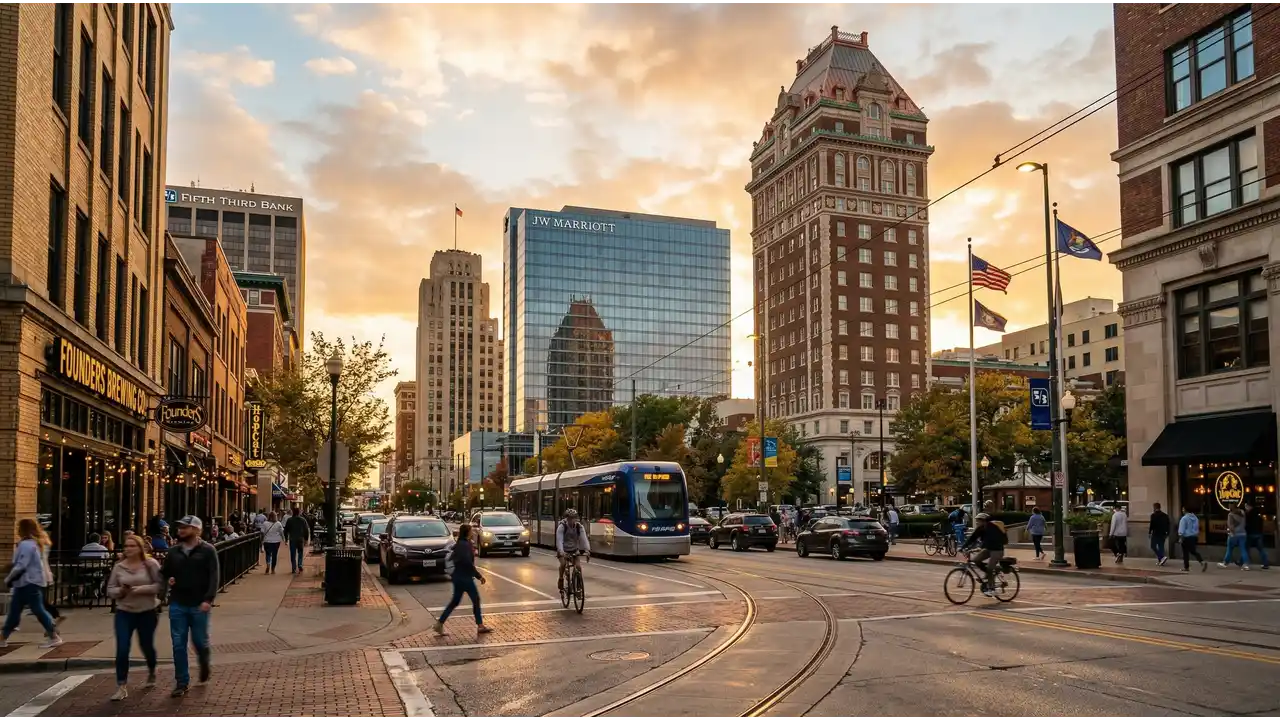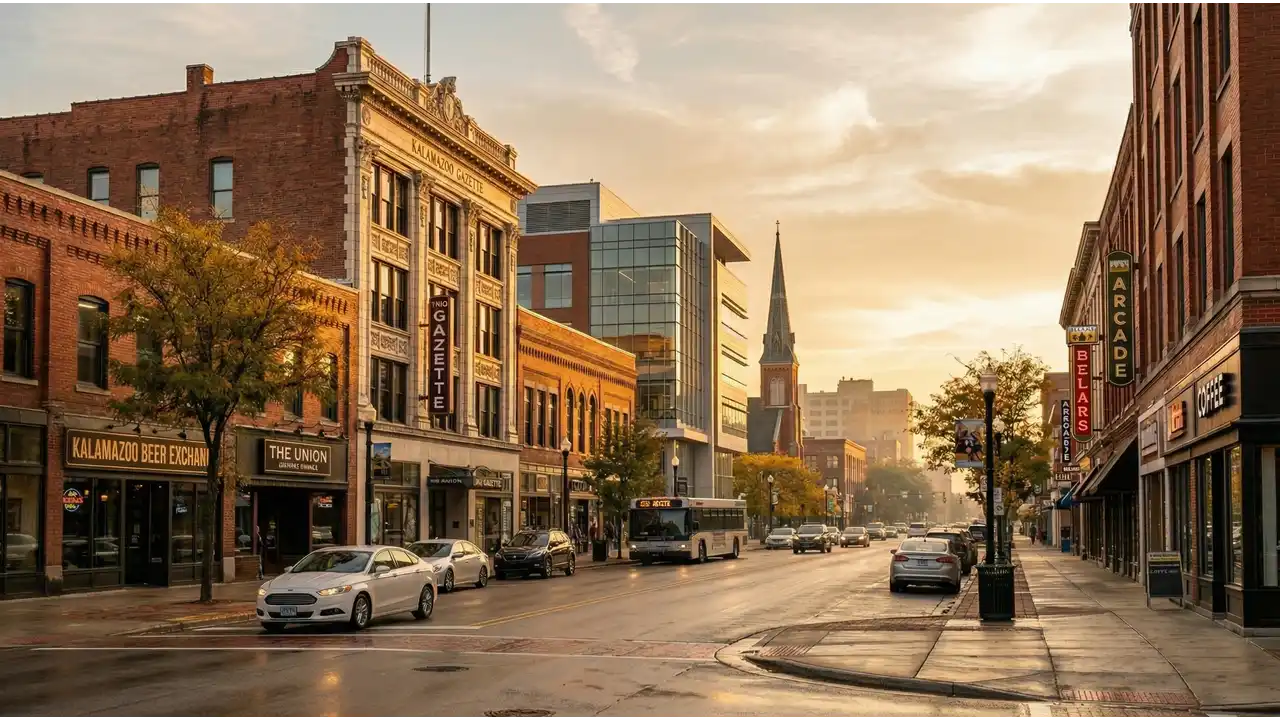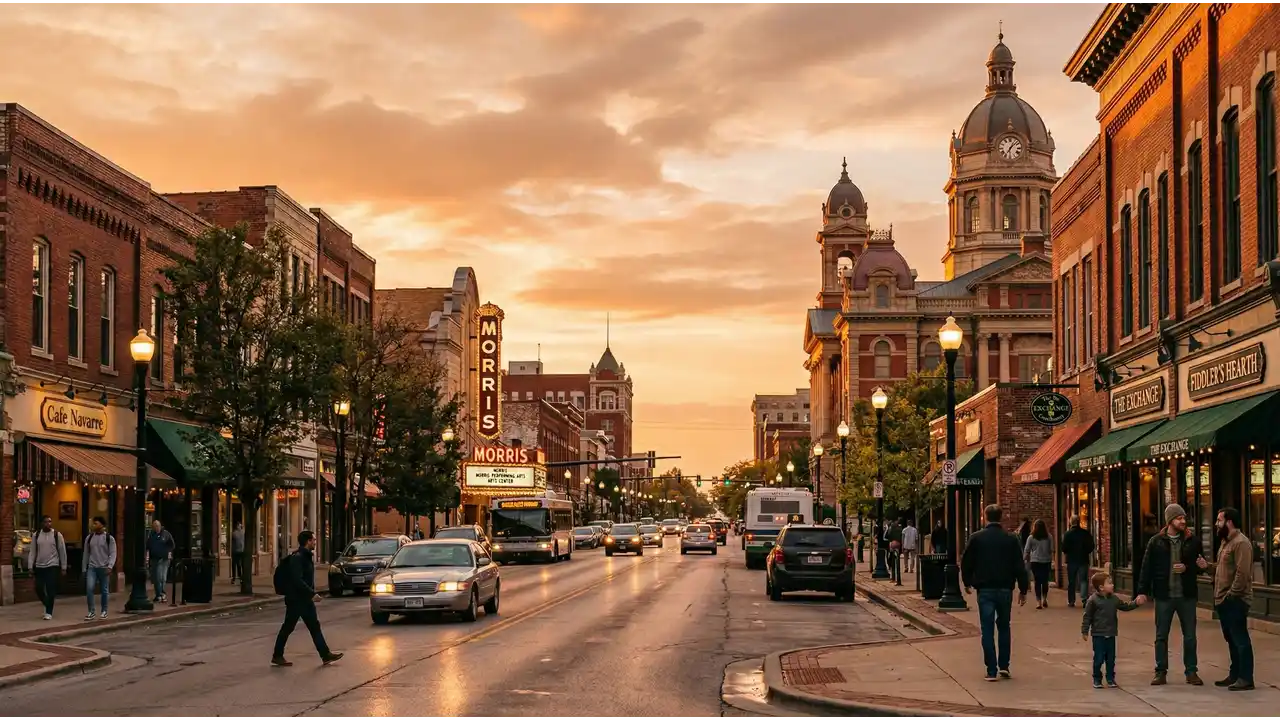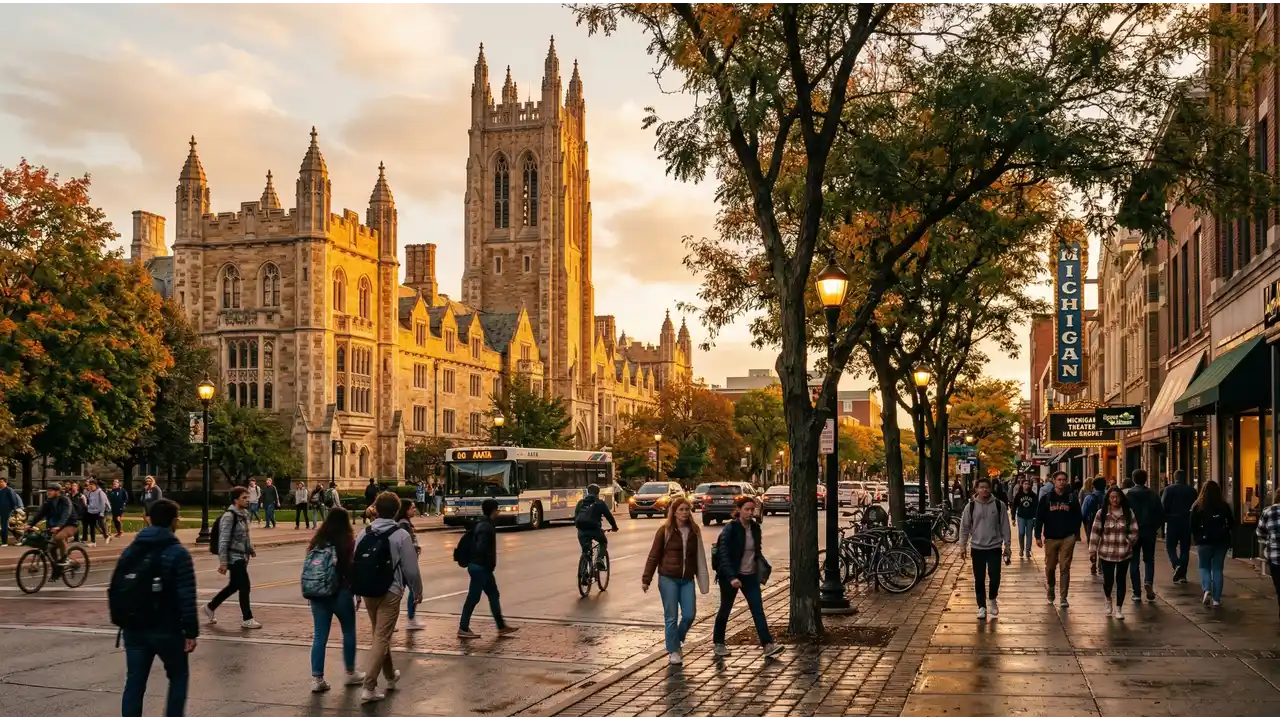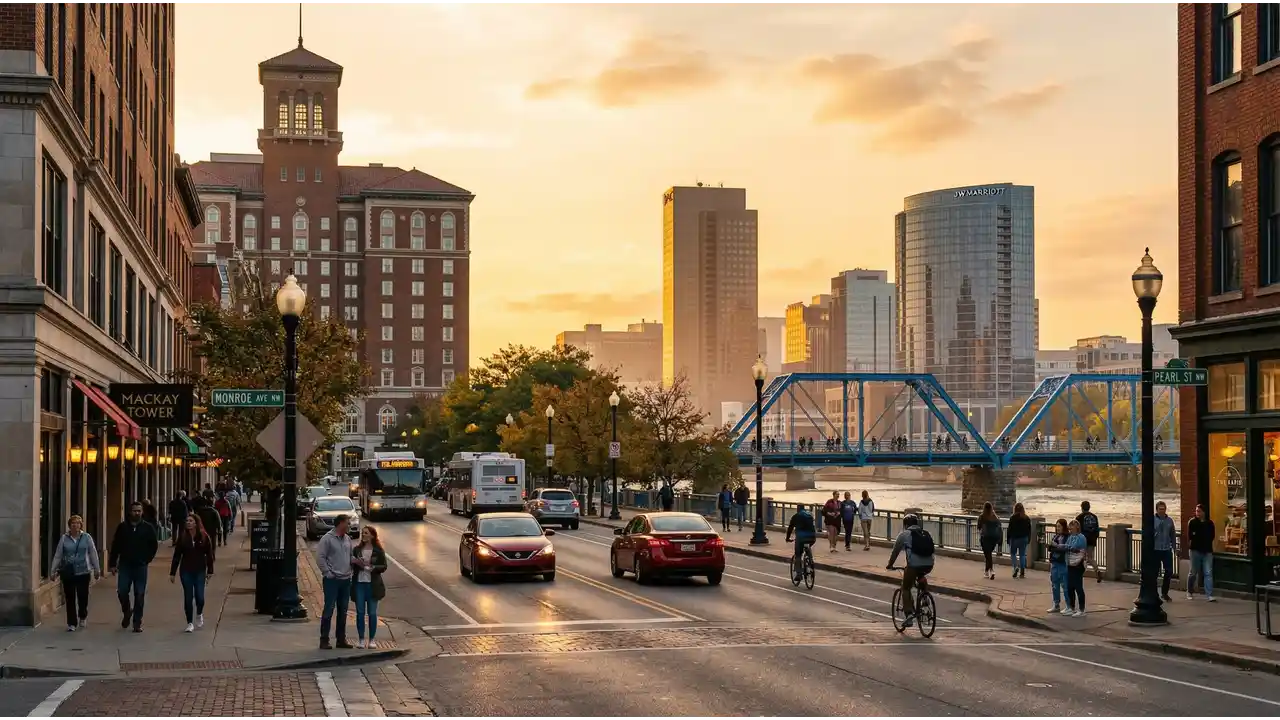
Grand Rapids is Michigan's second-largest city, sitting on the eastern shore of Lake Michigan. The city has a manufacturing heritage (furniture, automotive) that shaped its economy, though it has diversified into healthcare, technology, and brewing. Winters are cold and snowy. Summers are mild. The population is around 200,000 in the city proper, with a metro area over 1.3 million. Daily life centers on downtown revival efforts, a growing food and craft beer scene, and relatively easy car-dependent commuting. It attracts young professionals, young families, and people seeking lower costs than coastal metros while maintaining urban amenities.
💡 Local Insights
Grand Rapids · 2026
Grand Rapids costs substantially less than national averages. A moderate lifestyle runs $3,525 per month, well below the US median. Housing is the largest variable. Downtown and East Hills neighborhoods command $1,200 to $1,600 for a one-bedroom apartment. Suburbs and outlying areas drop to $950 to $1,250. Single-family home rentals range $1,400 to $2,000 depending on condition and location. Groceries run 5-10% below national average according to MERIC C2ER data. Eating out is affordable: casual meals $12 to $18, mid-range dinners $25 to $40 per person. Utilities average $120 to $150 monthly. Public transit exists but is limited; most residents drive. Car ownership is practical, not luxury. Property taxes are moderate compared to neighboring states. The city attracts cost-conscious professionals and families relocating from coasts, though job market strength varies by sector.
Frequently Asked Questions
How much does it cost to live in Grand Rapids per month?
A moderate lifestyle costs $3,525 per month. This covers rent ($1,200 to $1,400 for a one-bedroom apartment), utilities ($120 to $150), groceries ($300 to $350), dining out ($150 to $200), local transport ($100), entertainment and personal care ($200 to $250), and insurance. A budget lifestyle runs $2,115 monthly (reduced dining out, shared housing, older car or transit reliance). A comfortable lifestyle requiring nicer accommodation, dining, and activities runs $5,464 monthly. These figures assume single-adult spending and vary with family size and personal choices.
What is the average rent in Grand Rapids?
One-bedroom apartments in central neighborhoods (Downtown, East Hills, Eastown) rent for $1,150 to $1,600. Outlying residential areas and suburbs run $850 to $1,250. Two-bedroom apartments average $1,400 to $2,000 depending on age and amenities. Single-family home rentals start around $1,400 and reach $2,500 for newer homes in desirable areas. Rental inventory favors newer construction and renovated downtown lofts. Older properties in transitional neighborhoods offer lower rates but may lack modern finishes. Availability is typically better than coastal markets, reducing competition.
Is Grand Rapids cheap to live in for expats?
Yes, compared to most Western expat destinations. Costs are substantially lower than coastal US cities, Western Europe, or developed Asia. Rent, food, and utilities are accessible on mid-level salaries. Drawbacks exist: car dependence increases transport costs if you're accustomed to walking or transit-based living. Healthcare is expensive without insurance (the US norm). Limited international services and smaller immigrant communities mean fewer established support networks than larger metros. Winter weather requires heating costs and cold-weather gear. For remote workers earning strong salaries in home currency, Grand Rapids offers excellent value. For those seeking community and services familiar to international residents, larger metros (Chicago, Toronto) may feel less isolating.
How much does food cost per month in Grand Rapids?
Groceries run $300 to $350 monthly per person for a balanced diet including vegetables, proteins, and staples. Milk costs $3 to $4 per gallon. Chicken breasts average $7 to $9 per pound. A dozen eggs run $2 to $3. Bread is $2 to $3 per loaf. Fresh produce is cheaper in summer farmers markets (June to September) than winter. Eating out at casual chains costs $12 to $18 per meal. Mid-range restaurants charge $25 to $40 per person before drinks. Fast food remains $8 to $12. Grocery stores like Meijer, Spartan, and independent shops offer competitive pricing. Costs align closely with Midwest averages.
What salary do you need to live comfortably in Grand Rapids?
A comfortable lifestyle requires roughly $5,464 per month, suggesting an annual salary of $65,500 to $70,000 before taxes (accounting for taxes, retirement savings, and unexpected costs). This budget supports a nicer one-bedroom or modest two-bedroom apartment, frequent dining out, hobbies, and travel. For a household of two people, combined income of $100,000 to $120,000 provides financial security and flexibility. Families with children should expect higher costs for childcare, schools, and larger housing. The moderate lifestyle of $3,525 monthly requires around $45,000 annually and leaves minimal cushion for emergencies. Cost of living is low enough that remote workers earning US salaries experience significant purchasing power.
How does the cost of living in Grand Rapids compare to other places?
Grand Rapids is 15-20% cheaper than Chicago or Detroit for similar amenities. Rent is roughly comparable to Cleveland or Indianapolis but slightly higher. Compared to smaller Midwest cities (Des Moines, Cedar Rapids), prices are similar but Grand Rapids offers more job variety and cultural institutions. Against coastal metros (Boston, San Francisco, New York), Grand Rapids is 40-50% less expensive. Against rural Michigan, Grand Rapids is more expensive but justifies costs through job availability and services. Within Michigan, Grand Rapids ranks mid-range between expensive areas around Ann Arbor and cheaper rural regions. For cost-conscious professionals seeking an urban base in the Midwest, Grand Rapids offers better value than Minneapolis-St. Paul.
Can you live in Grand Rapids on $2,115/month?
Yes, but with significant constraints. Budget breakdown: rent ($850 to $950 in outer areas or shared housing), utilities ($100), groceries ($250), limited dining out ($50), transport ($70 to $100 if using transit or sharing costs), personal care ($40). This leaves minimal flexibility for entertainment, clothing, medical costs, or emergencies. Food requires cooking most meals and shopping sales. Entertainment comes from free or low-cost options (parks, free events, libraries). Unexpected expenses (car repair, medical bill, phone replacement) create hardship. This budget works for students, those with low expenses, or people with significant non-monetary support (free housing, family help). Most adults find this tight unless earning additional income or receiving subsidies.
💰 What's Your Budget?
Enter your monthly budget and see what lifestyle you can afford in Grand Rapids.