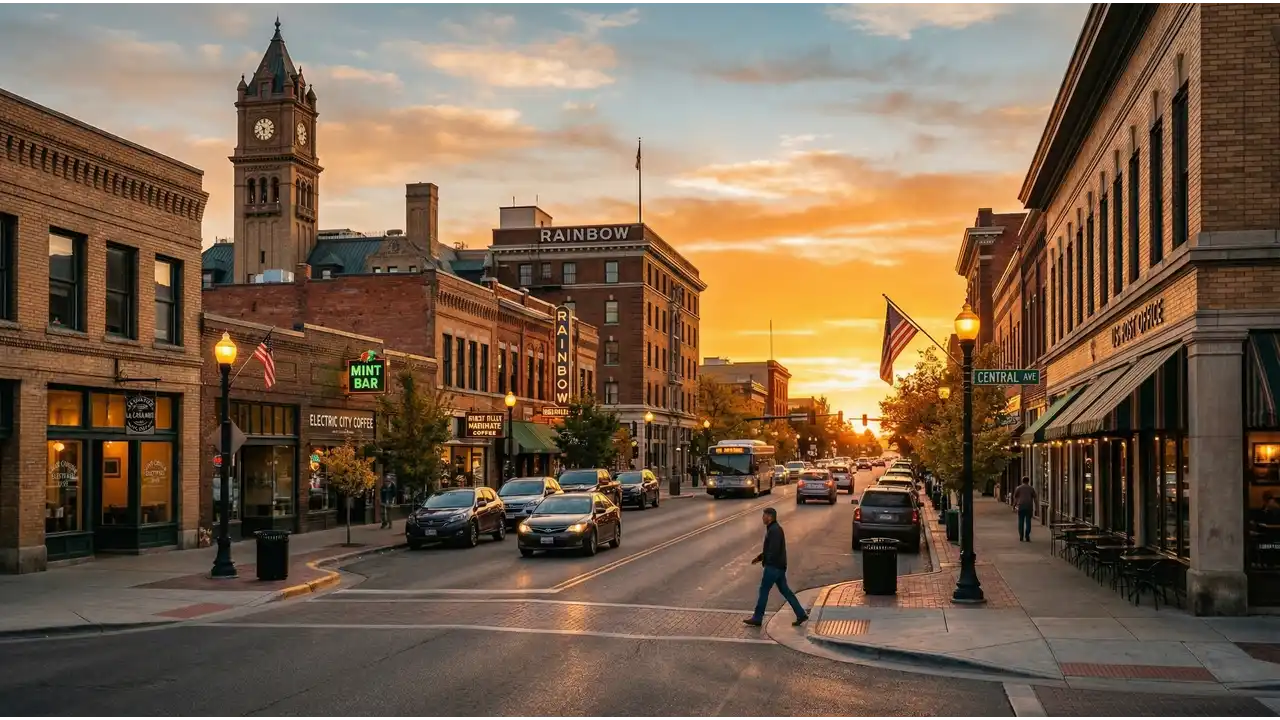
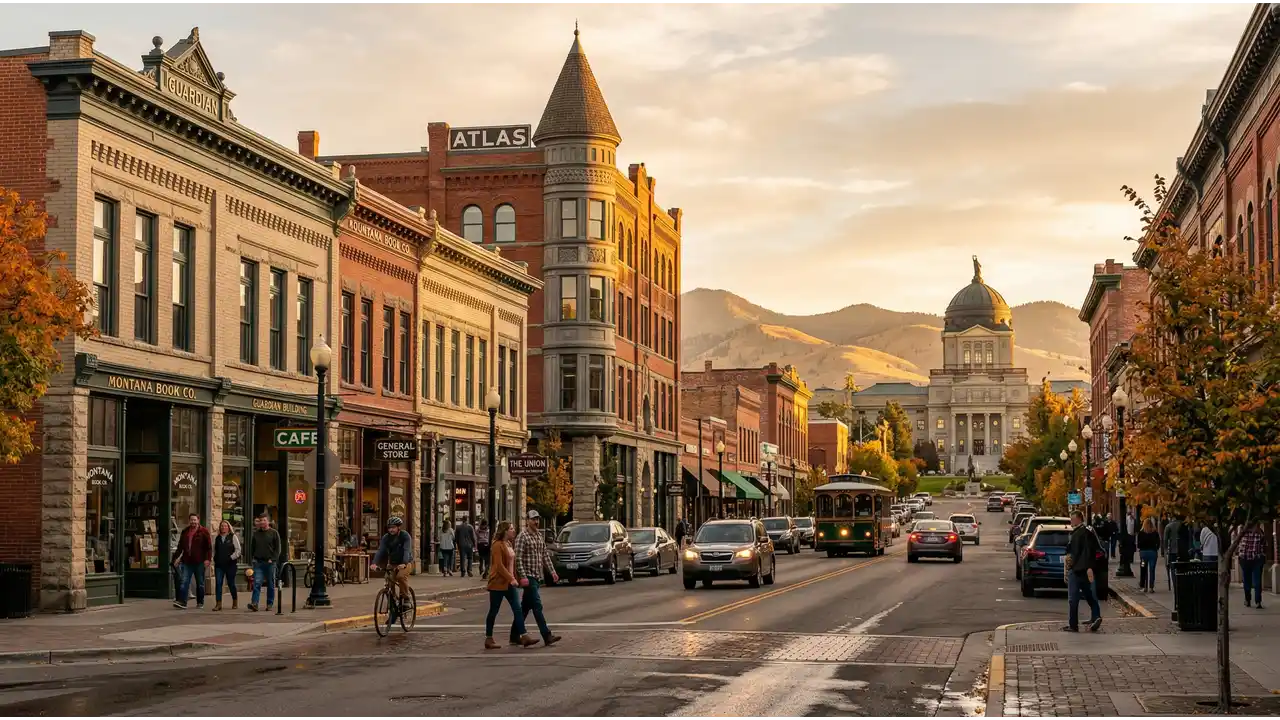
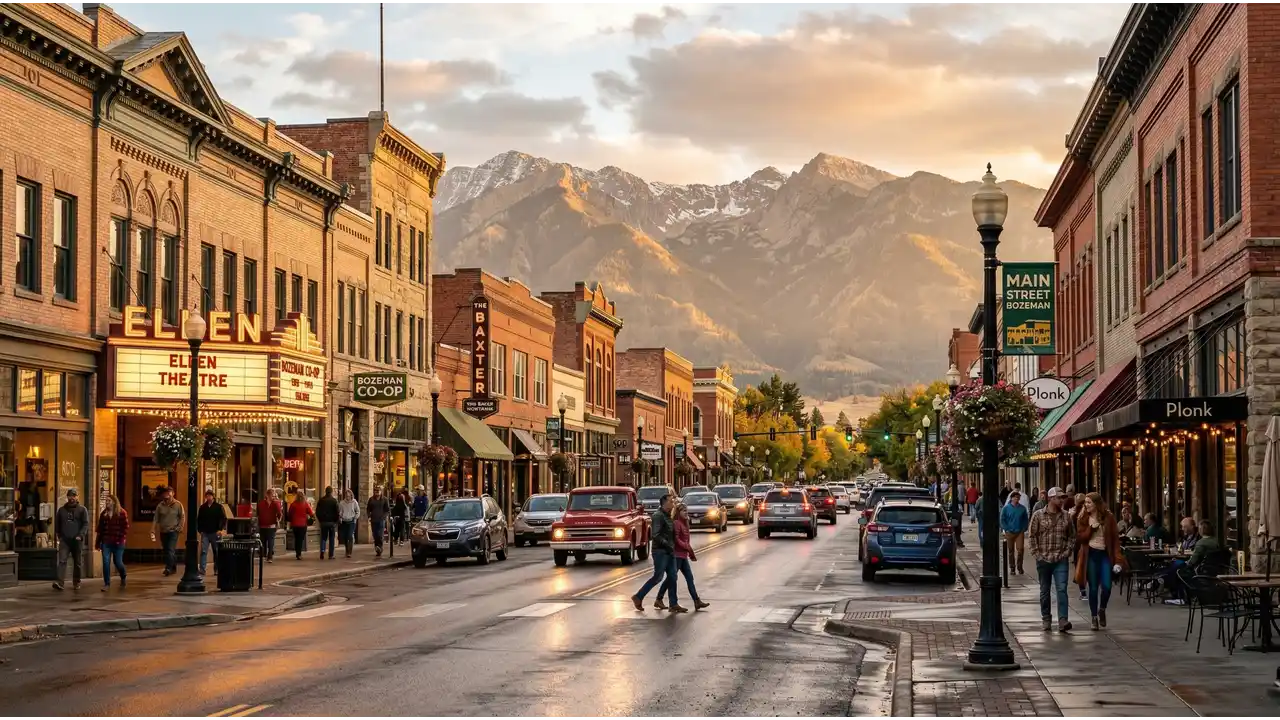
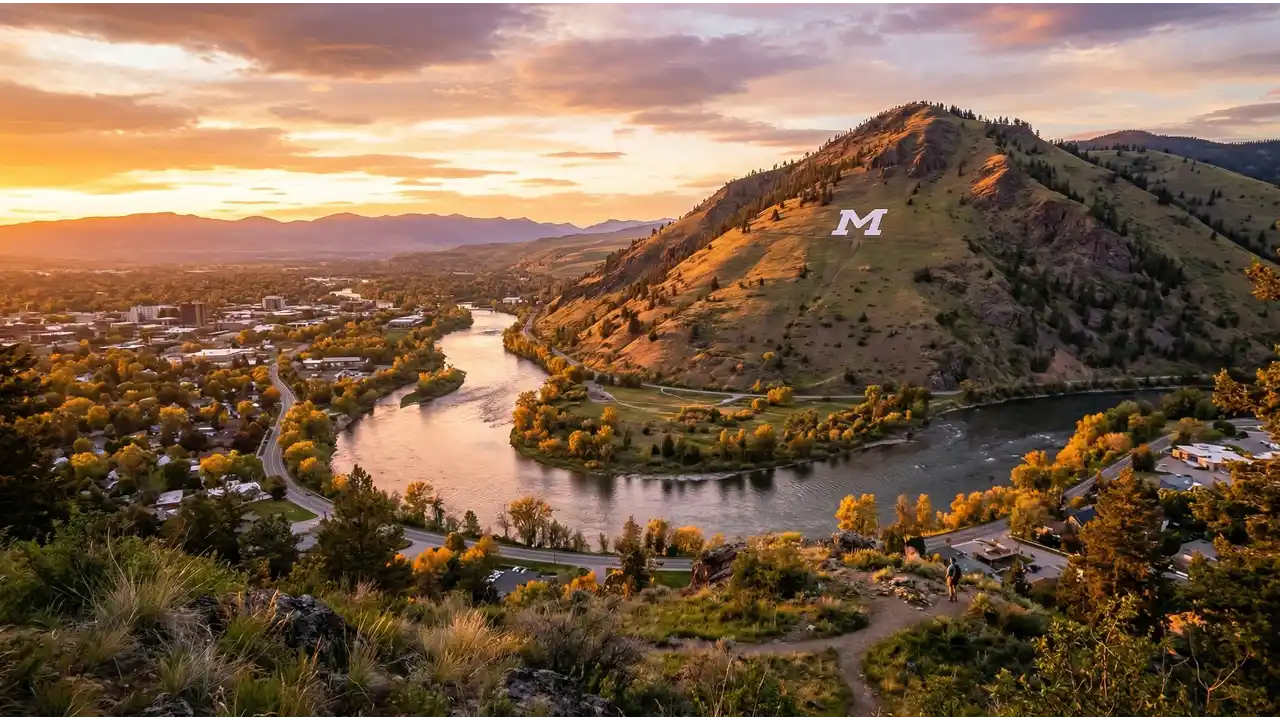
Great Falls is a regional hub in central Montana with roughly 60,000 people. It sits on the Missouri River and serves as a commercial and government center for the region. The economy relies on agriculture, energy, and a major Air Force base (Malmstrom). Winters are cold and long (December through March regularly drop below freezing). Summers are short and dry. Daily life centers on main-street retail, outdoor recreation (fishing, hunting, hiking), and family-oriented activities. The pace is slower than major cities, and most errands are car-dependent. The population is predominantly white and working-class, with stable employment anchored by military presence.
💡 Local Insights
Great Falls MT · 2026
Great Falls costs roughly $3,000 per month for a moderate lifestyle, making it genuinely affordable compared to coastal metros or mountain resort towns. Housing is the largest expense at $1,433 per month. A one-bedroom apartment downtown rents for $800 to $1,100; a two-bedroom for $1,200 to $1,600. Buying is cheaper than renting long-term (median home price around $350,000 to $400,000). Groceries run $505 monthly for a single person buying at standard supermarkets (IGA, Town Pump). Eating out is inexpensive (casual lunch $12 to $15). Utilities average $120 to $180 monthly depending on season. Car ownership is essential; gas prices track national averages. Expats report minimal price differences for foreign goods (the city has standard US retail chains). The real cost pressure comes from heating bills in winter and limited public transit (a car is mandatory). A salary of $50,000 to $60,000 annually supports a comfortable single-person lifestyle.
Frequently Asked Questions
How much does it cost to live in Great Falls MT per month?
A moderate lifestyle costs $3,000 per month. Housing runs $1,433 (one-bedroom apartment $800 to $1,100; two-bedroom $1,200 to $1,600). Groceries are $505 monthly. Utilities add $120 to $180. Transportation (car-dependent) costs $200 to $300 for gas and maintenance. Dining out and entertainment add another $300 to $500. Budget tier living is possible at $1,800 per month (shared housing, minimal dining out, no car). A comfortable lifestyle requires $4,650 per month and includes a larger apartment, regular dining out, and discretionary spending.
What is the average rent in Great Falls MT?
Average rent is $1,433 per month. A one-bedroom apartment in or near downtown Great Falls runs $800 to $1,100. Two-bedroom apartments rent for $1,200 to $1,600. Three-bedroom homes or newer apartments cost $1,500 to $2,000. Older, smaller units on the outskirts go lower ($700 to $900). The rental market is tight but not expensive by national standards. Lease terms are typically 12 months. Landlords often require proof of income at 3x monthly rent. Utilities are separate and not included in quoted rent prices. Pet deposits are common ($200 to $500).
Is Great Falls MT cheap to live in for expats?
Yes, relative to major US cities and Western Europe. At $3,000 per month, it is cheaper than Denver, Seattle, or Portland. For expats from Scandinavia, Western Europe, Canada, or Australia, housing and food are significantly less expensive. However, expats often find the isolation challenging. The city has limited cultural diversity, few international restaurants, and no direct international flights (nearest major airport is Billings, 2 hours south). English fluency is assumed. Healthcare is available but specialist care often requires travel. Expats on remote work or relocations find it workable for cost savings, but social integration takes effort.
How much does food cost per month in Great Falls MT?
Groceries average $505 per month for one person. A loaf of bread costs $3 to $4; a gallon of milk $3.50 to $4.50; eggs $3 to $4 per dozen; chicken breast $8 to $10 per pound. Standard supermarkets (IGA, Town Pump) stock US brands at national prices. Eating out is inexpensive: lunch at a casual cafe runs $12 to $15; dinner at a mid-range restaurant $18 to $28 per entree. Fast food (McDonald's, Taco Bell) is $8 to $12 per meal. Alcohol is less regulated than some states; beer and wine are cheap at grocery stores. Farmers markets operate seasonally (June through September) with local produce.
What salary do you need to live comfortably in Great Falls MT?
A comfortable lifestyle requires $4,650 per month, or roughly $56,000 per year (before tax). This covers housing ($1,400 to $1,600), groceries and dining ($800 to $900), utilities ($150), transport ($300), insurance ($300), and discretionary spending ($1,000 to $1,500). Couples can live comfortably on a combined $80,000 to $90,000 annually by sharing housing and some expenses. Families with children should budget higher due to childcare and school expenses (public schools are free, but activities and supplies add up). Maltmen Air Force base employment offers stable salaries starting $35,000 to $45,000; civilian contractors and government workers earn more. Remote work at coastal salaries is common among expats and provides significant cushion.
How does the cost of living in Great Falls MT compare to other places?
Great Falls sits in the middle of the US cost-of-living spectrum. A moderate lifestyle here runs $3,000 per month, with housing at $1,433 per month. This puts it very close to Raleigh, where a moderate lifestyle costs $2,900 monthly and housing runs $1,317. You'll find Great Falls notably more expensive than Tucson, which costs $2,550 for a moderate lifestyle and $930 for housing. On the other end, Providence is significantly dearer at $3,925 monthly for a moderate lifestyle and $2,215 for housing. Great Falls offers a reasonable cost-of-living position: cheaper than many coastal metros but more expensive than Sun Belt alternatives. Housing here is the largest expense category, representing roughly half your monthly budget at the moderate tier.
Yes, but with significant trade-offs. At $1,800 per month, you need shared housing ($600 to $800 for a room in a house or duplex), groceries bought carefully at discount stores ($300 to $350), minimal dining out ($100), and reliable public transit or a beater car maintained cheaply ($200 to $300). No streaming services, limited phone plans, no savings. This works for students, remote workers with lower cost-of-living visa sponsorship, or those with a car already paid off. It requires discipline: cooking at home, no hobbies that cost money, and using Malmstrom base services if military-connected. Many budget travelers and digital nomads do this, but it leaves no safety margin for emergencies or entertainment. Winter heating bills can spike and strain the budget.