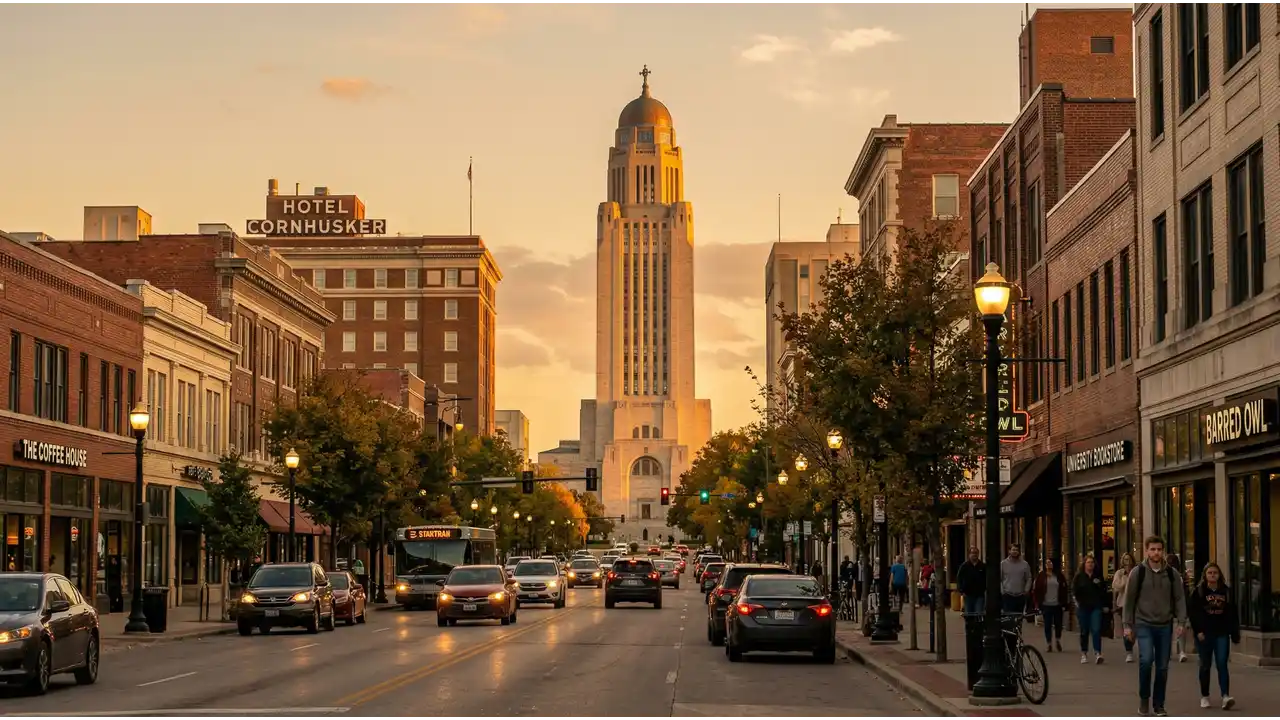
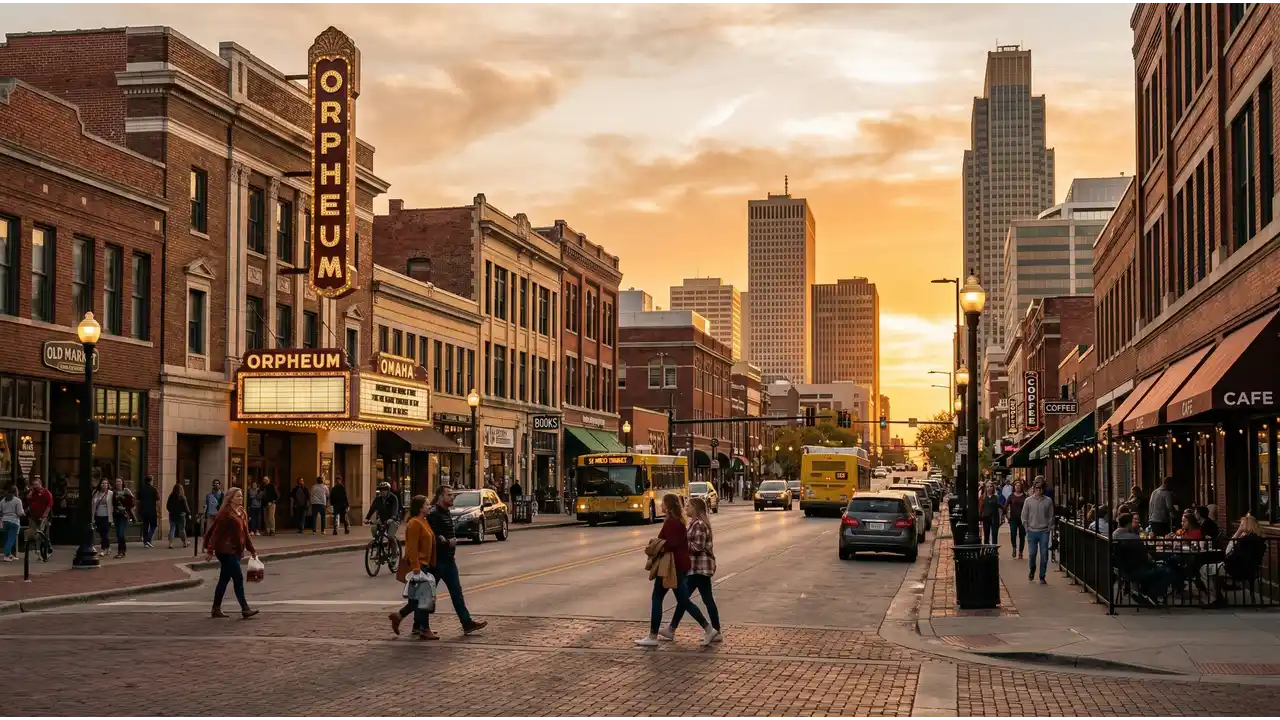
Kansas City straddles the Missouri-Kansas border with a population around 500,000 in the city proper and 2+ million in the metro area. The climate is continental, with hot summers (85-90 degrees Fahrenheit) and cold winters (25-35 degrees). The city has a strong jazz heritage, working-class roots, and a growing tech and startup presence. Daily life centers on neighborhoods like Midtown, Crossroads, and the River Market. Public transit exists but is limited; most residents drive. The food scene emphasizes barbecue and comfort food rather than fine dining. Cost of living remains well below coastal US metros.
💡 Local Insights
Kansas City · 2026
Kansas City's affordability comes from plentiful housing stock and low land costs outside downtown. Rent sits around $1,097/month for a moderate lifestyle, with one-bedroom apartments in established neighborhoods like Midtown running $900-1,100, while newer downtown units and South Kansas City can reach $1,200-1,400. Older rentals in Westport or Northeast are cheaper but may need inspection. Groceries average $485/month, roughly 20% below national averages. Aldi and Costco locations are widespread. Eating out is affordable: casual meals run $12-16, local barbecue $14-18. Public transit (KCATA bus) costs $60 monthly for unlimited pass; most people drive. Utilities average $120-150 monthly. Property taxes are moderate by US standards. Expats find prices comparable to or cheaper than Denver, Austin, or Nashville. The main cost trap is transportation if you're car-dependent without nearby employment.
Frequently Asked Questions
How much does it cost to live in Kansas City per month?
A moderate lifestyle costs around $2,600 per month. This includes rent ($1,097), groceries ($485), utilities ($130), transport ($80), and dining and entertainment ($200-250). A tighter budget runs $1,560 monthly if you share housing and minimize eating out. A comfortable lifestyle with dining flexibility, entertainment, and newer housing costs around $4,030 per month. Costs vary by neighborhood and personal habits, but Kansas City remains significantly cheaper than major coastal cities.
What is the average rent in Kansas City?
Average rent is approximately $1,097 per month for a moderate one-bedroom apartment. In popular neighborhoods like Midtown and Crossroads, expect $900-1,100 for a one-bedroom and $1,200-1,400 for a two-bedroom. Downtown lofts run higher, $1,300-1,600. More affordable options exist in Northeast, Westport, and outer South Kansas City at $750-950. Suburbs like Overland Park (Kansas side) or Lee's Summit run slightly higher. Rental prices have risen in recent years but remain low compared to peer cities.
Is Kansas City cheap to live in for expats?
Yes, for most expats. At $2,600 per month for a moderate lifestyle, Kansas City is cheaper than Austin, Denver, Portland, or Nashville. Housing is particularly affordable. Expats accustomed to European or Australian costs will find it very inexpensive; those from Mexico City or Southeast Asia will find it comparable or slightly pricier. The tradeoff is limited public transit and car dependency. International communities exist in Midtown and Crossroads, but Kansas City lacks the density of established expat infrastructure in larger metros.
How much does food cost per month in Kansas City?
Groceries average $485 per month for one person on a moderate diet. A week's shopping (bread, eggs, chicken, produce, dairy, pantry staples) costs $35-50 at chain stores like Aldi, Walmart, or Dillons. Whole Foods runs 20-30% higher. Eating out is cheap: casual lunch $12-16, barbecue $14-18, coffee $4-5. A restaurant dinner for two with drinks runs $50-70 at mid-range establishments. Food costs are below national averages, and competitive grocery pricing makes budget shopping feasible.
What salary do you need to live comfortably in Kansas City?
A comfortable lifestyle costs around $4,030 per month, translating to roughly $50,000-55,000 annually after taxes for a single person, or $65,000-75,000 for a household with dependents. This budget includes newer or premium housing, frequent dining out, entertainment, and travel. A household income of $60,000-80,000 provides solid comfort with savings. The moderate tier at $2,600 requires $35,000-40,000 annually. Kansas City's low cost means modest salaries stretch further than in coastal cities.
How does the cost of living in Kansas City compare to other places?
Kansas City is genuinely affordable compared to most mid-size American cities. A moderate lifestyle costs $2,600 per month, with housing running $1,097 monthly. That puts it close to Memphis, where a moderate lifestyle costs $2,500 with housing at $1,022, making these two cities practical peers for budget planning. If you're coming from a pricier market, the difference is sharper. Anchorage, Alaska runs $3,375 for a moderate lifestyle and $1,282 for housing, so Kansas City costs meaningfully less. On the flip side, if you're considering international moves, Cancún comes in at $1,800 monthly with $912 housing, offering genuine savings, though that's a different context entirely. For a US city of Kansas City's size and amenities, the cost-to-value ratio remains solid.
Yes, but with constraints. This budget tier requires studio or shared housing ($600-750), strict grocery discipline ($300-350), minimal transport costs (KCATA pass, carpool, or bicycle), and almost no dining out. Utilities must stay under $100. Entertainment is limited to free or very cheap options. This works for students, remote workers with low expenses, or those with subsidized housing. It's tight but viable. You sacrifice flexibility, spontaneous meals, and regular entertainment, but basic needs are covered. Emergency savings become difficult.