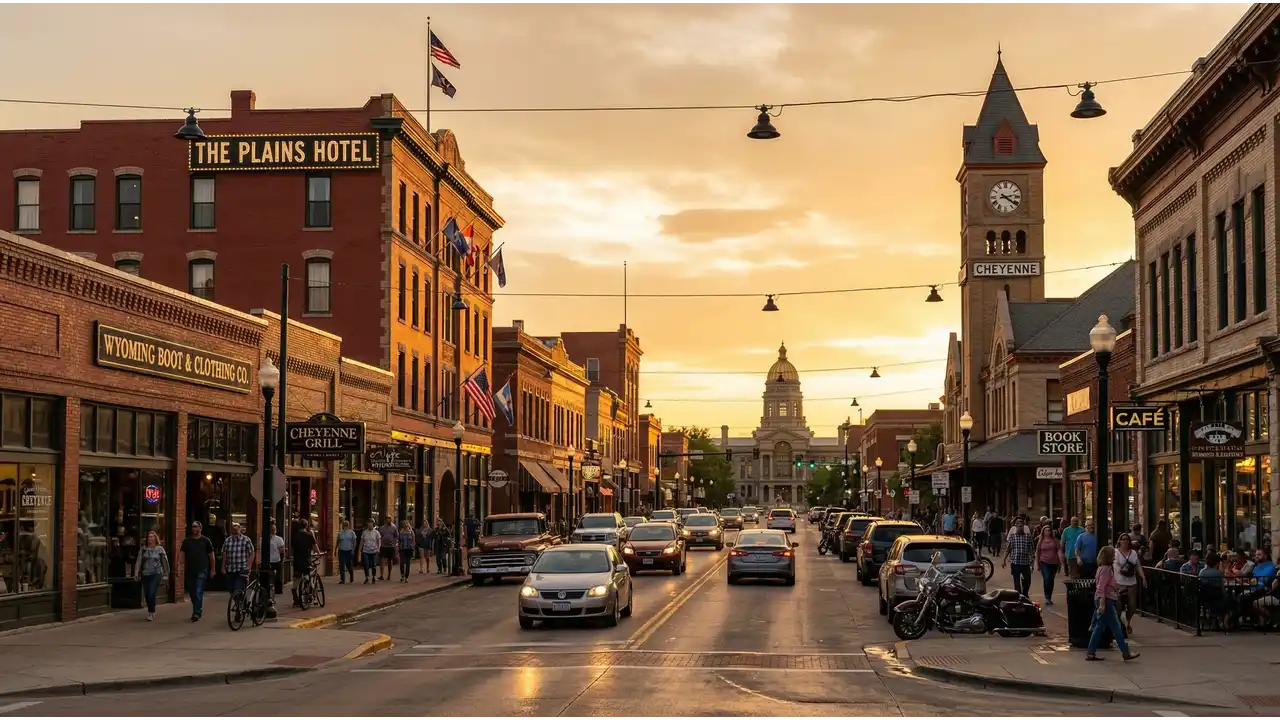
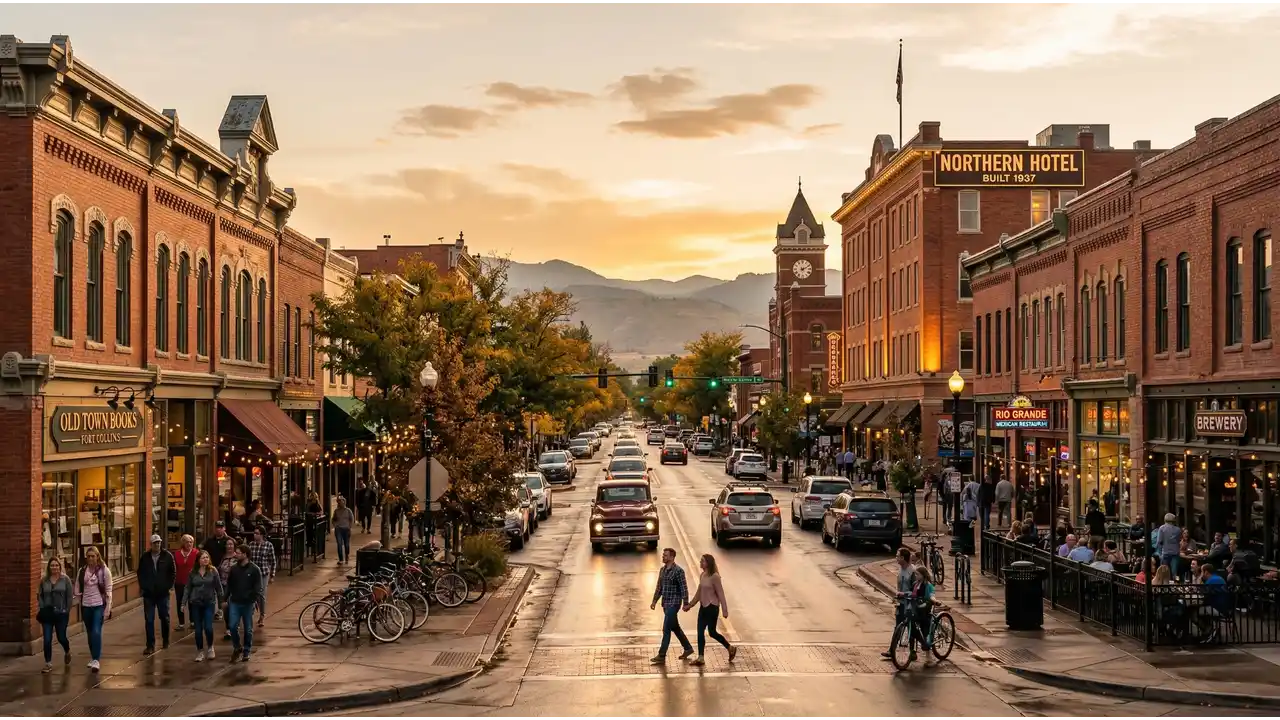
Laramie is a college town of about 32,000 people in southeastern Wyoming, home to the University of Wyoming. The landscape is high prairie and mountains at 7,200 feet elevation, with cold winters and short summers. Daily life centers around campus activities, outdoor recreation (hiking, skiing, mountain biking), and a modest downtown with local restaurants and shops. Most residents are students, university staff, or people drawn by outdoor access and lower costs than larger metros. The town feels quieter than typical American cities but has enough services, a brewery scene, and genuine community. Weather dominates life here: snow is heavy, wind is frequent, and the sun is intense at this altitude.
💡 Local Insights
Laramie WY · 2026
Laramie's cost structure reflects its small size and college-town character. Housing runs $793 per month on average, with older rentals and student apartments anchoring the lower end and newer properties or houses reaching higher. The University of Wyoming stabilizes the rental market and keeps some prices moderate, though competition for student-friendly units is seasonal. Groceries cost about $502 monthly for a moderate diet, slightly below national averages because Wyoming has no state sales tax on food, though the selection at local stores is smaller than major metros. Transport costs are minimal if you have a car (essential here); public transit is limited. Utility costs run high in winter due to heating demands and altitude. Eating out is cheaper than coastal cities but less varied. The biggest financial shock for expats is often winter gear, vehicle winterization, and heating bills. Laramie attracts people fleeing expensive coastal areas, but the isolation and weather are real trade-offs.
Frequently Asked Questions
How much does it cost to live in Laramie WY per month?
A moderate lifestyle costs $2,350 per month. Housing averages $793 per month. Groceries run about $502 monthly. Beyond these, utilities (especially heating in winter) typically cost $150-200, transportation $100-150 if you own a vehicle, and dining out or entertainment another $200-300. A budget tier at $1,410 per month is possible but means shared housing, cooking most meals, and minimal recreation spending. A comfortable lifestyle costs $3,643 per month and includes newer housing, varied dining, and regular activities.
What is the average rent in Laramie WY?
Average rent is $793 per month, reflecting a mix of student housing, older apartments, and standalone rentals. A one-bedroom apartment in central Laramie typically rents for $700-900 per month. Shared houses or student-oriented units drop to $500-700. Newer or larger properties reach $1,000-1,200. Prices are lowest near campus and highest in quieter residential areas north of town. Rental availability fluctuates with the university calendar; summer often brings discounts as students leave. Wyoming's lack of rent control and small market mean landlords set prices independently, so shopping directly is essential.
Is Laramie WY cheap to live in for expats?
Yes, relative to coastal US cities or Western Europe, Laramie is genuinely affordable. At $2,350 per month for a moderate lifestyle, it costs roughly one-third of San Francisco or London equivalents. Housing at $793 monthly is the main draw. However, expats should expect trade-offs: extreme winter weather requiring extra spending on heating and gear, limited cultural diversity, fewer international services, and real isolation. It suits people prioritizing outdoor space, affordability, and community over restaurants, nightlife, or cosmopolitan amenities. Europeans find it dramatically cheaper but adjust to the car dependency and winter intensity.
How much does food cost per month in Laramie WY?
Groceries average $502 monthly for a moderate diet. Wyoming's lack of state sales tax on food helps. Local supermarkets (Albertsons, Safeway, Save-A-Lot) stock basics reasonably; milk is about $3-4 per gallon, ground beef $4-6 per pound, and produce varies seasonally. Specialty or organic items cost more and selection is limited compared to larger cities. Eating out is cheaper than coastal metros: a burger and fries runs $10-14, a casual dinner $12-18 per person. Laramie has a handful of ethnic restaurants but limited variety. Cooking at home is much more economical and necessary on a budget tier.
What salary do you need to live comfortably in Laramie WY?
A comfortable lifestyle costs $3,643 per month, or about $44,000 annually. This supports newer or larger housing, regular dining out, recreation, and some travel. For a household or dual earners, this is achievable in university jobs, skilled trades, or remote work paying above Wyoming median wages (around $35,000). University staff and faculty often earn $40,000-60,000 starting, sufficient for comfortable living. Those earning less (say, $30,000) can live on the moderate budget of $2,350 by being deliberate about housing and entertainment but face tighter constraints.
How does the cost of living in Laramie WY compare to other places?
Laramie ranks as genuinely affordable for a college town. A moderate lifestyle costs $2,350 per month with housing at $793 per month. That puts you well below peer markets like Columbus, where a moderate lifestyle runs $2,725 and housing costs $1,146 per month. You'll pay substantially less than Pittsburgh, which runs $3,200 for a moderate lifestyle with housing at $1,583 per month. Budapest offers lower overall costs at $1,650 per month, though housing there sits at $795 per month, nearly identical to Laramie's. The difference is that everything else in Laramie, from groceries to utilities to dining out, remains considerably cheaper than Budapest's European prices. For American cities, Laramie delivers real value, especially if you work remotely or earn a regional salary that stretches further here than in larger metros.
Yes, but with strict discipline. The budget tier of $1,410 per month means shared housing (you pay $500-600 in a house share), cooking 95 percent of your meals from groceries, using a bicycle or carpooling instead of car ownership, and minimal discretionary spending. It works for students, remote workers with low burn rates, or people prioritizing savings over comfort. Heating costs in winter can strain this budget if you are not careful. Unexpected car repairs or medical costs break it. This budget is feasible but leaves no margin for entertainment, travel, or non-essentials. Better suited to temporary stays than permanent living.