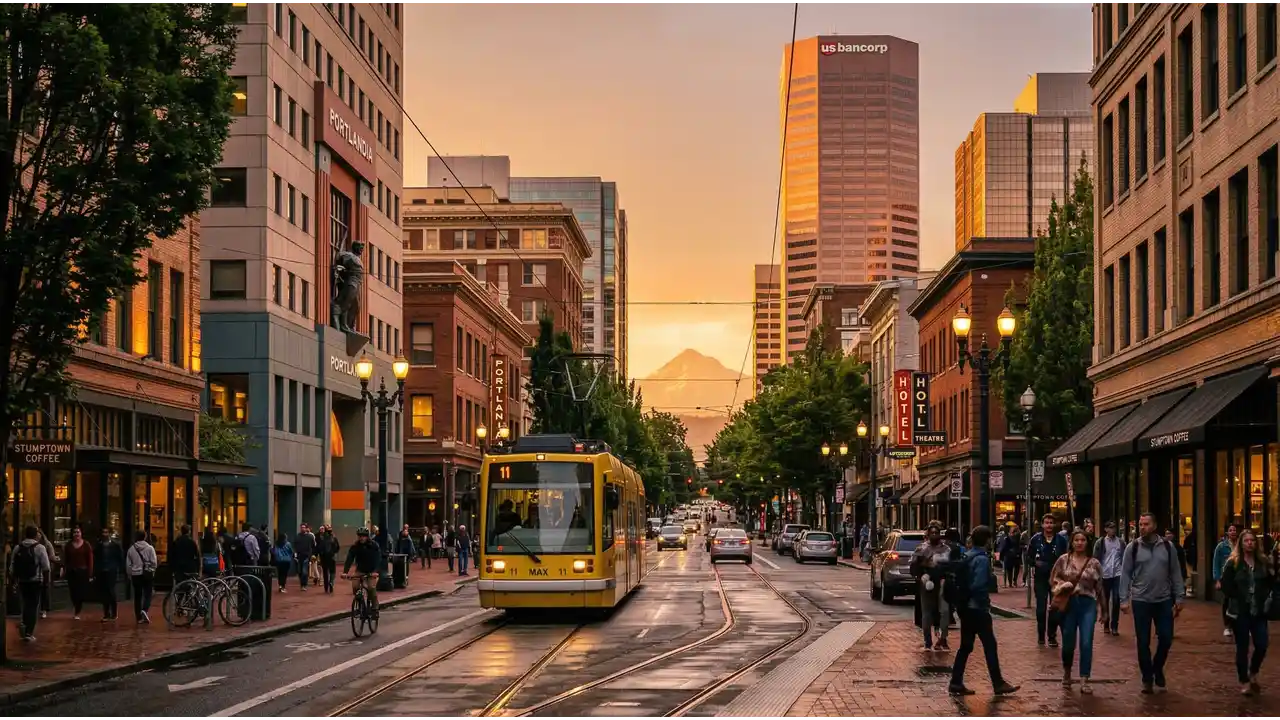
Michigan is a two-peninsula state in the Great Lakes region with a population around 10 million, concentrated in the Detroit and Grand Rapids metros. Winters are cold and snowy; summers are mild. Daily life centers on car ownership for most residents, though Detroit and a few other cities have public transit. The state has a mix of industrial heritage, suburban development, and rural areas. Cost of living is below the US average, making it accessible for mid-range budgets. Most people work in manufacturing, healthcare, education, or service sectors.
💡 Local Insights
Michigan · 2026
Michigan's cost of living sits well below the national average, primarily because housing and labor markets remain relatively soft outside major metros. A moderate lifestyle costs $2,625 per month. Housing averages $1,055 per month, reflecting affordable rents across most neighborhoods. Detroit and Grand Rapids command higher prices, but secondary cities like Ann Arbor, Lansing, and Kalamazoo offer reasonable options. Groceries run about $506 per month for a household, consistent with Midwest food prices. Car ownership is nearly mandatory outside the metro cores, so factor in vehicle costs and gas. Public transit exists in Detroit (SMART, M-1 Rail) and Grand Rapids (The Rapid), but coverage is limited. Expats often find Michigan cheaper than comparable Midwestern metros. Utility costs spike in winter due to heating; bundling internet, electric, and gas with providers like DTE Energy or Consumers Energy can lower per-unit costs. Restaurant meals range from $12 to $18 for casual dining, higher in downtown areas.
Frequently Asked Questions
How much does it cost to live in Michigan per month?
A moderate lifestyle in Michigan costs $2,625 per month. This includes housing ($1,055), food and groceries ($506), utilities, transport, and discretionary spending. A tighter budget of $1,575 per month is possible in smaller towns and rural areas, cutting back on dining out and entertainment. A comfortable lifestyle with more dining, entertainment, and travel runs around $4,069 per month. Actual costs vary by region: Detroit and Ann Arbor are pricier, while smaller cities like Battle Creek or Sault Ste. Marie are significantly cheaper.
What is the average rent in Michigan?
Average rent in Michigan is $1,055 per month for a moderate lifestyle. In Detroit proper, a one-bedroom apartment in an average neighborhood runs $850 to $1,100; in downtown or upscale areas, $1,200 to $1,600. Ann Arbor, home to the University of Michigan, runs $950 to $1,400 for a one-bedroom due to student demand. Grand Rapids averages $850 to $1,150. Smaller cities like Lansing or Kalamazoo range $700 to $950. Rural areas can be $600 to $850. Single-family home rentals run $1,200 to $2,000 depending on location and condition.
Is Michigan cheap to live in for expats?
Yes, Michigan is relatively cheap for expats compared to coastal US metros or Western Europe. Rent and groceries are below US average. However, expats should note the climate (harsh winters), car dependency outside metros, and limited international community outside Detroit and Ann Arbor. Detroit has growing immigrant populations and international services; Ann Arbor has a university community. For expats from high-cost countries (UK, Western Europe, Australia), Michigan offers significant savings. For those from lower-cost regions, it may feel expensive. The state has no income tax advantage, so tax planning matters less than in some states.
How much does food cost per month in Michigan?
Groceries average $506 per month for a household. Specific costs: milk ($3.50 per gallon), bread ($2.50 per loaf), chicken ($8 per pound), eggs ($3 per dozen), and seasonal produce $1 to $3 per pound. Eating out varies: fast casual meals run $10 to $14, casual dining $13 to $18 per entree. Ethnic groceries (Asian, Hispanic, Middle Eastern) are cheapest in Detroit and Grand Rapids; smaller towns have fewer options and slightly higher prices. Farmers markets operate summer through fall, offering savings on produce.
What salary do you need to live comfortably in Michigan?
A comfortable lifestyle in Michigan requires approximately $4,069 per month, or about $49,000 annually (gross). This budget allows for dining out twice weekly, entertainment, hobbies, and modest travel. For a household of two, $65,000 to $75,000 annually provides comfort. Housing, utilities, and transport consume the bulk; a comfortable salary accounts for newer vehicles, regular maintenance, heating costs, and occasional entertainment. Minimum wage in Michigan is $10.33 per hour, meaning full-time minimum-wage work covers a basic budget but not comfort. Professional salaries (engineering, healthcare, education) range $50,000 to $80,000 statewide.
How does the cost of living in Michigan compare to other places?
Michigan's moderate lifestyle costs $2,625 per month, putting it roughly in the middle of the Northeast and Appalachia. A moderate lifestyle in Maine costs $2,725 per month, making it slightly more expensive overall, though Maine's housing at $1,028 per month is actually cheaper than Michigan's $1,055. If you're looking for significantly lower costs, West Virginia's moderate lifestyle runs $2,150 per month with housing at $627 per month. On the opposite end, Massachusetts is noticeably pricier. A moderate lifestyle in Massachusetts costs $3,575 per month, with housing alone at $1,715 per month. Michigan's advantage lies in its balance. You're not paying New England premiums, but you're also not making significant sacrifices on urban amenities or job availability compared to more rural, lower-cost states.
Yes, but with significant constraints. A $1,575 budget works in smaller cities and rural areas: expect shared housing or a studio apartment ($500 to $700), groceries from discount chains like Aldi ($400), and minimal dining out. You will cut entertainment, limit travel, and delay non-emergency repairs. Car ownership is difficult; you would rely on public transit (available only in Detroit, Grand Rapids, Ann Arbor) or live car-free. Utilities and internet might strain the budget in winter. This budget suits students, single individuals in rural areas, or people with subsidized housing. In larger metros, $1,575 requires roommates and very careful spending.