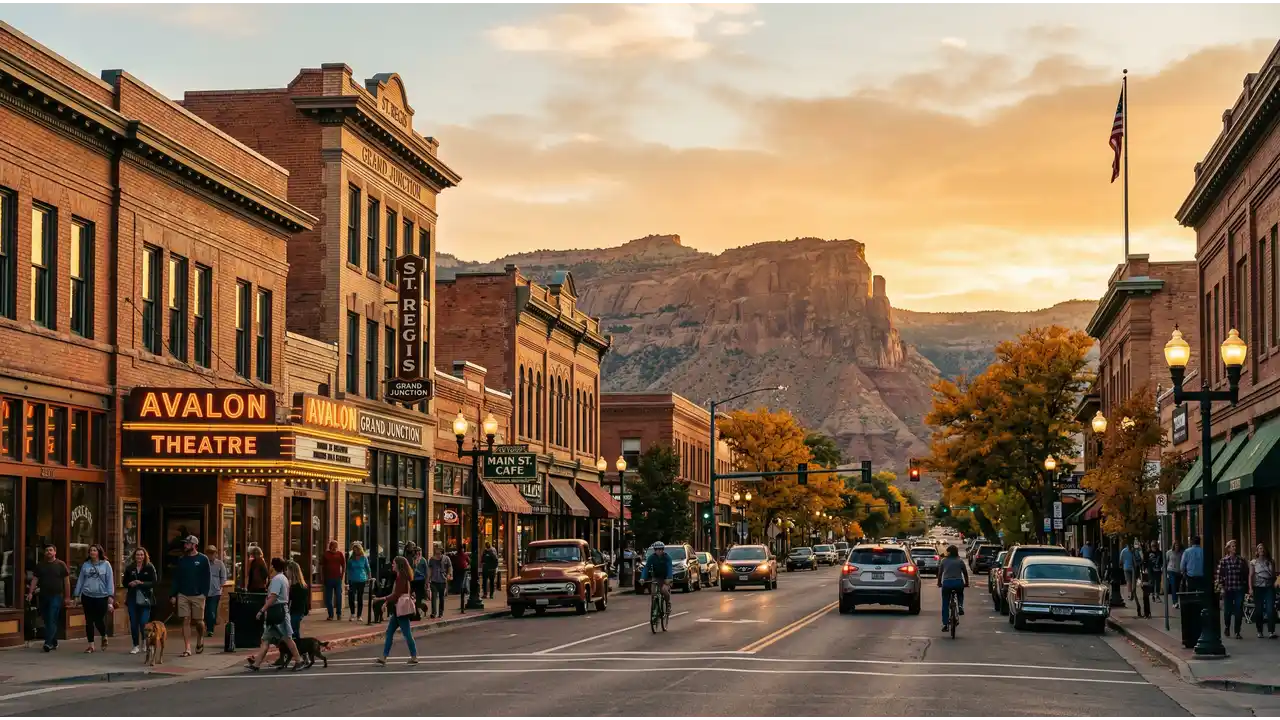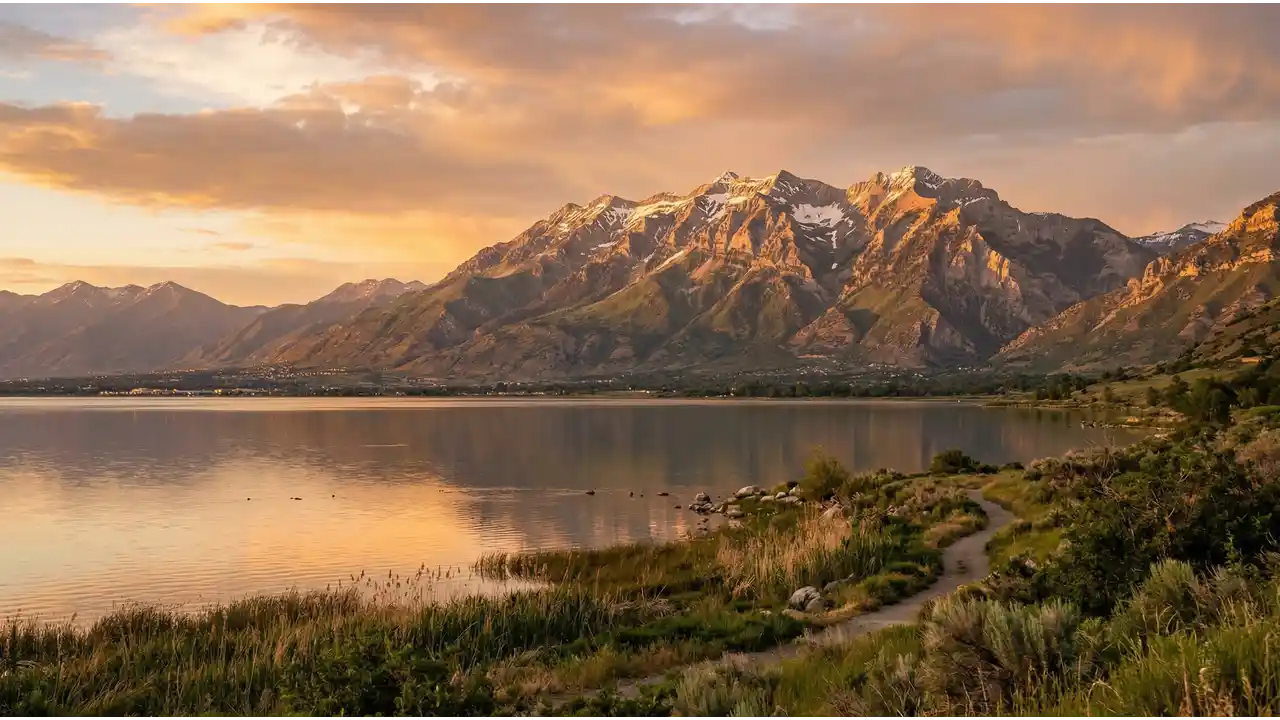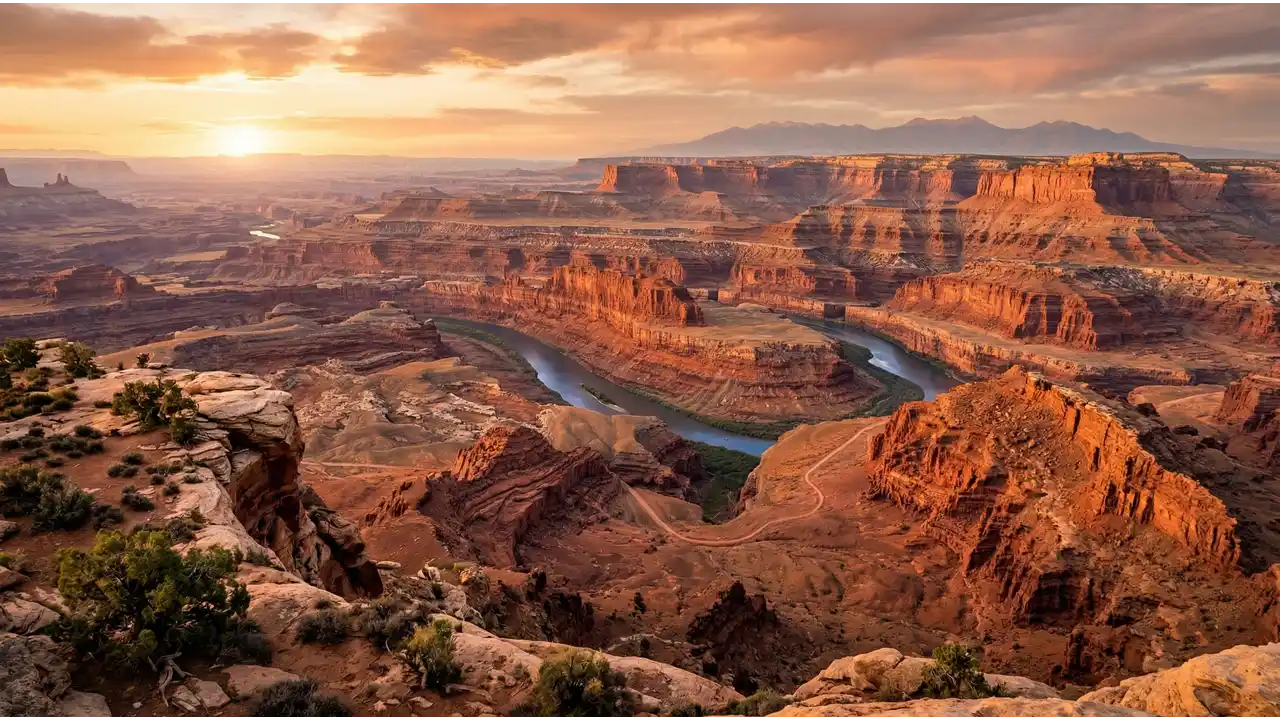
Moab is a small city of roughly 5,000 residents in eastern Utah, located near Arches and Canyonlands National Parks. The town exists primarily because of tourism and outdoor recreation, not as a regional hub. Most residents work in hospitality, tourism services, or remote roles. Summers are hot and dry (95-105 degrees Fahrenheit regularly), winters are mild. The community includes seasonal workers, retirees drawn by the outdoor access, and remote professionals. Daily life revolves around hiking, mountain biking, and river access. The main commercial strip along Main Street contains restaurants, outfitters, and galleries. Traffic increases sharply during peak season (spring and fall).
💡 Local Insights
Moab · 2026
Moab's cost of living is driven primarily by limited housing supply and seasonal tourism demand. Rent is the largest expense for most residents. Long-term rentals range from $1,200-$1,800/month for a one-bedroom, but availability shrinks during tourist season when owners convert units to vacation rentals. Homebuying is expensive relative to regional comparables, with median home prices around $550,000-$650,000. Groceries cost roughly 5-10 percent more than national averages because most goods are trucked in from larger cities. Eating out is expensive (dinner entrees $16-$28) due to tourist-oriented pricing. Utilities run higher in summer due to air conditioning demand. Transportation is car-dependent. Gas prices track slightly above the national average. The budget tier of $2,115/month requires roommates, a subsidized housing situation, or remote income below local wage levels. The comfortable tier of $5,464/month assumes car ownership, dining out occasionally, and no major home repairs.
Frequently Asked Questions
How much does it cost to live in Moab per month?
A moderate lifestyle in Moab costs approximately $3,525/month. This breaks down roughly as: rent $1,400-$1,600 for a one-bedroom apartment, utilities $120-$160, groceries $280-$350, dining out $150-$200, transportation $200-$300, and discretionary activities $400-$600. These figures assume you own a car and eat most meals at home. Single-occupant budgets will be closer to $4,000/month. Remote workers and those with outdoor hobbies built into their social life (hiking, biking, river trips) can reduce entertainment costs significantly.
What is the average rent in Moab?
Long-term rental prices in Moab vary by season and location. One-bedroom apartments in older buildings or outside downtown run $1,200-$1,400/month. One-bedrooms with updated amenities or closer to downtown range $1,500-$1,800/month. Two-bedroom units start at $1,600 and reach $2,200+. During peak tourist season (April-May and September-October), landlords often convert long-term units to vacation rentals, tightening supply. Mobile homes or rooms in shared houses can be found for $800-$1,100/month but require advance searching. Housing availability is tightest February through June.
Is Moab cheap to live in for expats?
Moab is moderately priced for the US, but not cheap in absolute terms. For expats arriving from Europe or Australia, costs feel reasonable. For those coming from Mexico, Southeast Asia, or Central America, housing and food will shock you as expensive. The main advantage for expats is that salaries for remote work (often paid in USD from home-country employers) stretch further here than in larger US cities. Healthcare quality is lower than major metro areas; specialists require travel to Salt Lake City (240 miles north). The visa situation is unchanged from other US locations. Expats typically find good value if they keep housing costs to $1,400-$1,600/month and avoid frequent dining out.
How much does food cost per month in Moab?
Groceries average $280-$350/month for one person eating most meals at home. Specific examples: eggs $4-$5/dozen, milk $3.50-$4/gallon, chicken breast $7-$9/pound, bread $2.50-$3.50/loaf. Moab has one main grocery store (City Market) and a smaller natural foods store, limiting competition and keeping prices 5-10 percent above national averages. Eating out is expensive: casual lunch runs $12-$15, dinner entrees $16-$28. Coffee shops charge $4-$6/cup. Grocery shopping in Green River (50 miles south) or Price (70 miles north) can save money but requires travel time.
What salary do you need to live comfortably in Moab?
A comfortable lifestyle in Moab requires roughly $5,464/month, or $65,000/year gross before taxes. This budget assumes: rent $1,600-$1,800, vehicle ownership and insurance, eating out twice per week, regular outdoor activities, modest home maintenance, and annual travel. After state and federal taxes, you need approximately $78,000-$82,000/year household income to reach this comfortably. For single earners working locally, this is difficult; median household wages are lower, which is why many residents are remote workers or couples with dual incomes. Couples with combined remote income of $80,000+ find Moab sustainable and pleasant.
How does the cost of living in Moab compare to other places?
Moab is more expensive than most of rural Utah but cheaper than Salt Lake City (100 miles north), Denver (240 miles east), or Las Vegas (240 miles southwest). A one-bedroom apartment costs $400-$600/month more in Salt Lake City. Moab is roughly comparable to small tourist towns in Colorado (Telluride, Aspen area, though Aspen is significantly pricier). For US context, Moab ranks above rural areas across the Mountain West but below major metros. Compared to similar outdoor recreation hubs, it's moderately priced. International comparison: it's roughly 2-3 times more expensive than Costa Rica or Mexico, comparable to parts of Portugal.
Can you live in Moab on $2,115/month?
The budget tier of $2,115/month is possible but requires significant constraints. This means: shared housing ($600-$750/month), groceries only ($150-$200), no car (relying on biking, walking, or carpooling), minimal dining out, and limited entertainment spending. Single-occupant housing at this budget forces you to either live 5+ miles from downtown or accept an older trailer. A car adds $300-$400/month (payment, insurance, gas, maintenance), which breaks this budget. Remote workers with low cost-of-living salaries from developing countries, or those with substantial savings, can make this work for 1-2 years. Long-term sustainability requires either income above $2,115/month or significant subsidies (housing assistance, partnerships).
💰 What's Your Budget?
Enter your monthly budget and see what lifestyle you can afford in Moab.