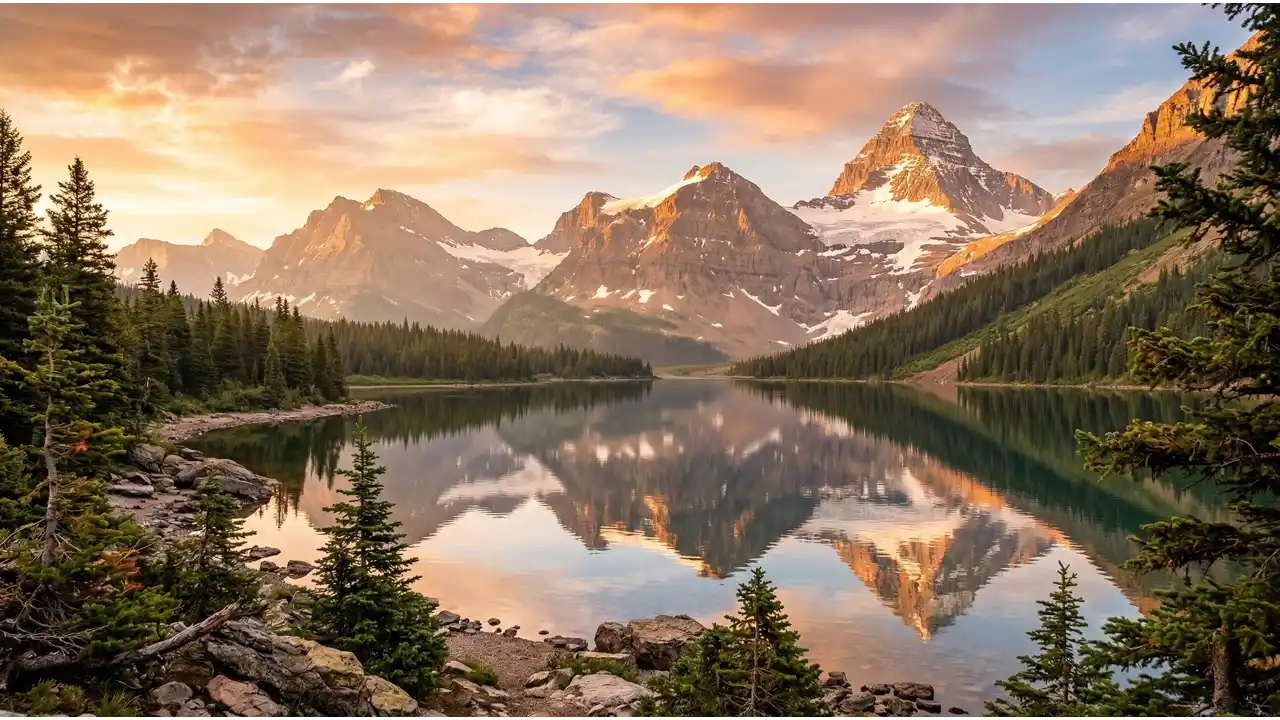
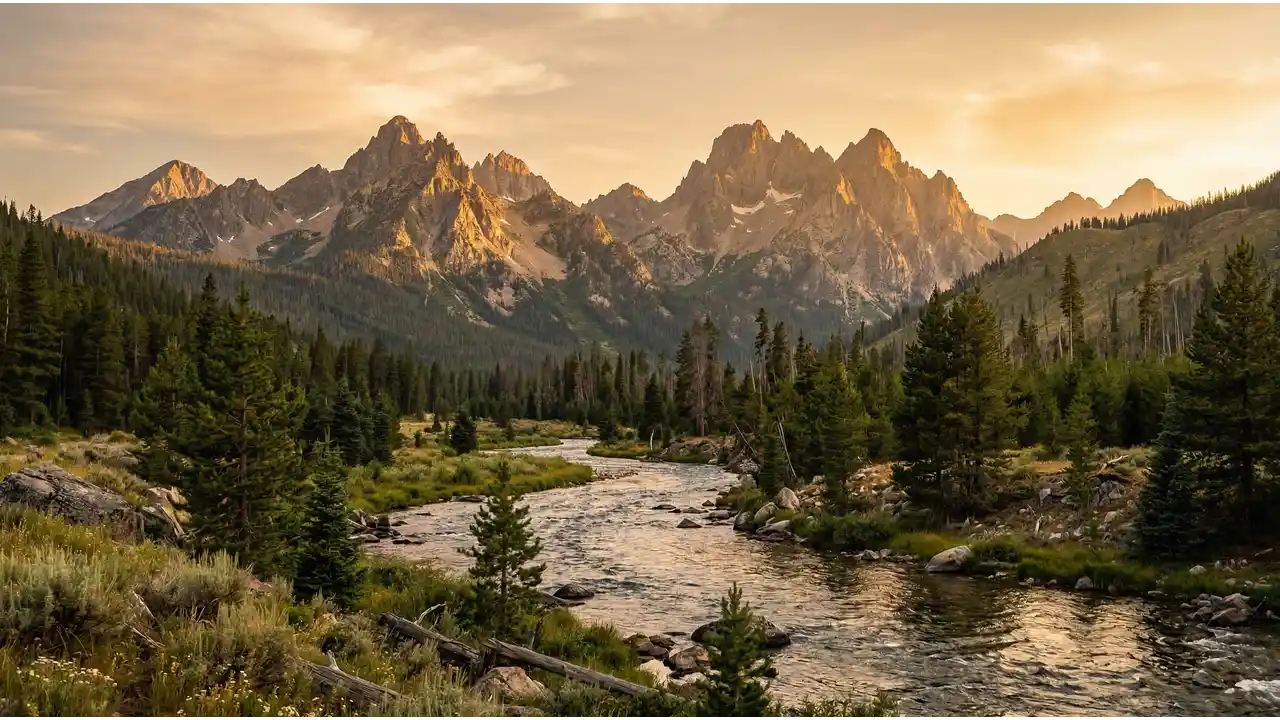
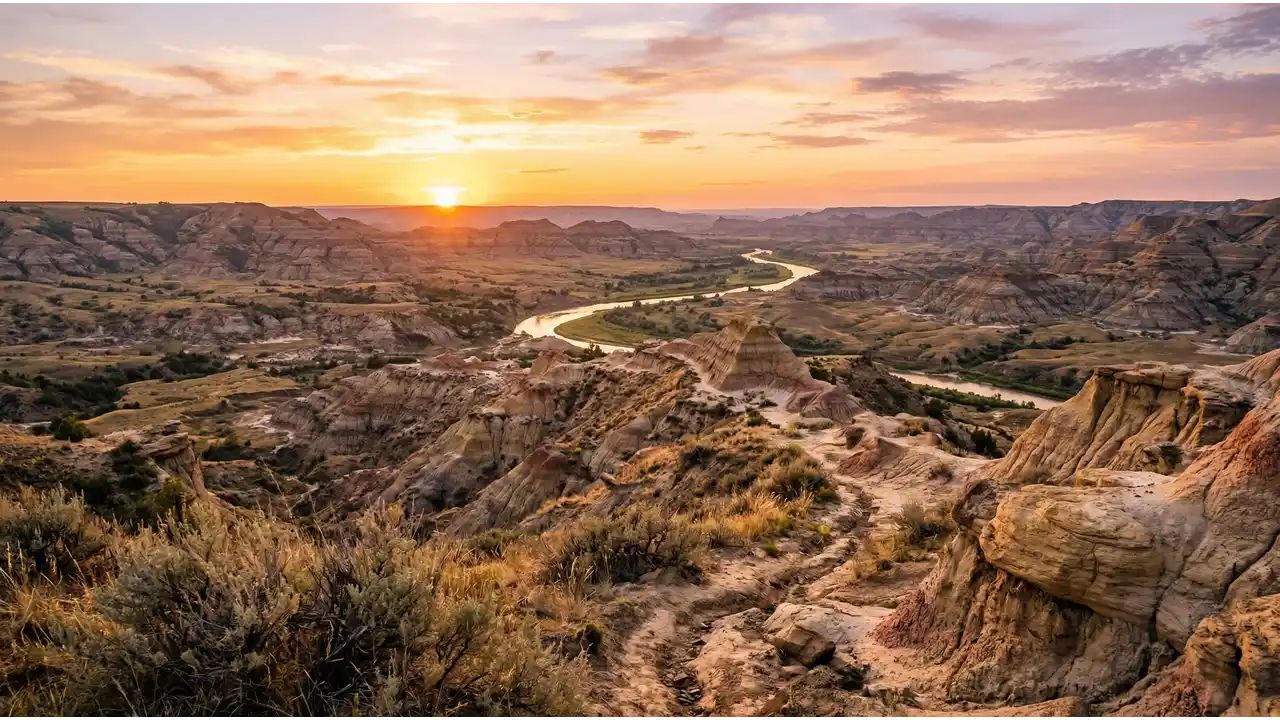
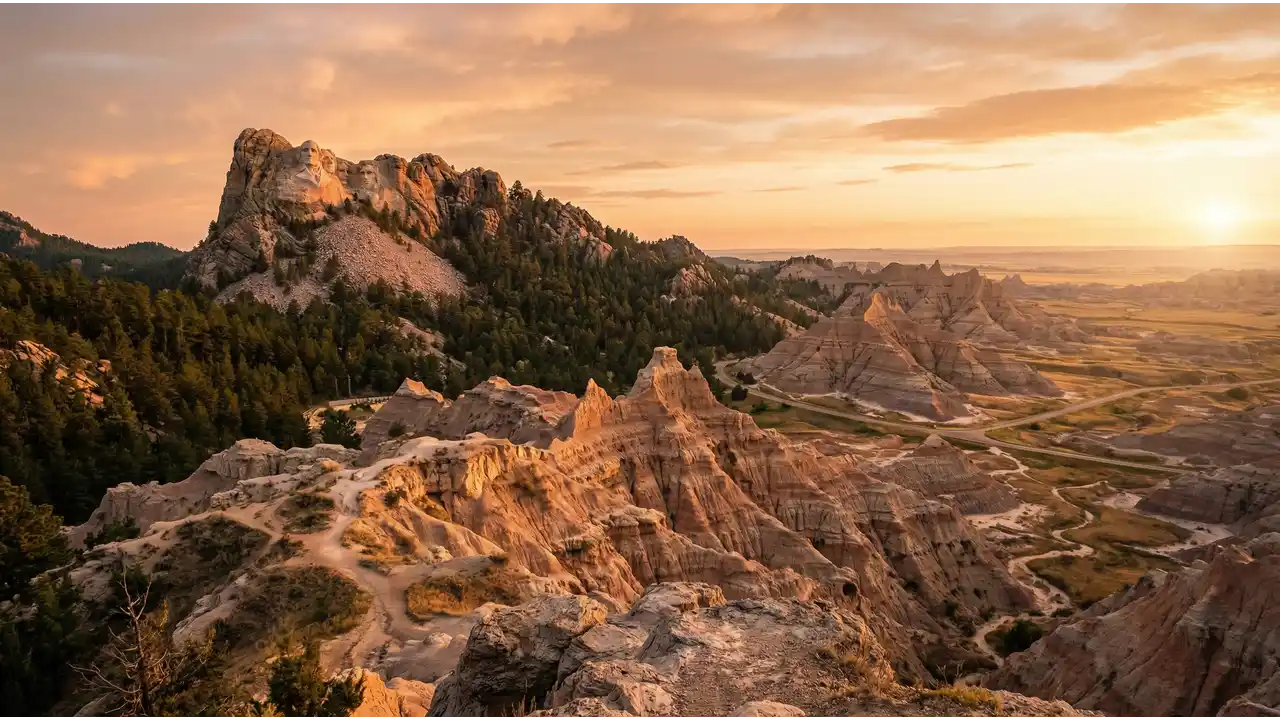
Montana is a large rural state with small pockets of urbanism. Missoula and Bozeman draw professionals and remote workers; Helena is the capital. The population is sparse outside towns, with vast landscapes of forest, mountains, and prairie. Winters are cold and long, summers mild. Daily life revolves around outdoor access: hiking, fishing, skiing are embedded in the culture, not marketed tourism. Housing stock ranges from older single-family homes to new construction in college towns. Most residents drive everywhere. The pace is slower than cities, but not sleepy if you're in a town with a university or tech presence.
💡 Local Insights
Montana · 2026
Montana costs less than the US median but not as little as it appears on national rankings. Housing averages $1,074/month and varies sharply by town. Missoula and Bozeman (university towns attracting remote work) have rents $400-800/month higher than rural counties or Helena. Groceries run $508/month for a moderate household, slightly below US average. Fuel and vehicle maintenance are material costs because public transit is minimal outside Missoula. Property taxes are moderate. Summer tourism season can inflate prices in resort areas (West Yellowstone, Big Sky). Expats often underestimate heating bills in winter. A used car is almost mandatory outside town centers. Food costs rise for imported goods in rural areas. The budget widens quickly if you want newer housing, frequent dining out, or proximity to ski resorts. Real savings come from choosing a secondary town and keeping housing modest.
Frequently Asked Questions
How much does it cost to live in Montana per month?
A moderate lifestyle in Montana costs around $2,650/month. This breaks down to $1,074 for housing (rent or mortgage-equivalent), $508 for groceries, and the remainder for utilities, transport, insurance, and discretionary spending. The budget tier runs $1,590/month (tight housing, minimal eating out, no car payments). A comfortable lifestyle costs $4,108/month, typically reflecting newer housing, regular dining and entertainment, and more flexibility. Actual costs vary significantly by town and personal choices.
What is the average rent in Montana?
Average rent in Montana is around $1,074/month across the state. In secondary markets (Helena, Great Falls, Billings), a one-bedroom apartment rents for $700-900/month; a two-bedroom for $900-1,200. Missoula and Bozeman, the state's largest towns and university centers, command premiums: one-bedrooms run $950-1,250/month, two-bedrooms $1,200-1,600. Rural counties and smaller towns (Livingston, Kalispell) sit $600-850 for one-bedrooms. Buying is common for longer stays; median home prices in towns exceed $400,000, but rural properties and fixer-uppers are cheaper. Renters should expect year-round leases and deposits equivalent to one month's rent.
Is Montana cheap to live in for expats?
Montana is moderately affordable for expats compared to US urban centers but not a bargain destination. It costs more than rural Mexico, Southeast Asia, or Central America, but less than major US cities (New York, San Francisco, Seattle). The real cost for expats often exceeds the headline figures because remote work visas are not standard, and most expats rent furnished or short-term, which commands premiums. Expats in Bozeman and Missoula report finding community easily but paying 15-25% above local average rent. The state has no state income tax, which helps. Healthcare outside towns is limited. Vehicle ownership is nearly essential and adds $500-800/month (fuel, insurance, maintenance).
How much does food cost per month in Montana?
Groceries average $508/month for a moderate household. A week of basics (chicken, beef, eggs, milk, bread, vegetables, fruit) runs $80-110 depending on where you shop. Missoula and Bozeman have conventional supermarkets; smaller towns rely on one or two stores with limited selection and slightly higher prices. Eating out is cheap by US standards: a casual meal costs $12-18, a nicer dinner $25-40. Chain restaurants cluster in larger towns. Local breweries and farm-to-table spots are common in Missoula and Bozeman but rare elsewhere. Farmers markets operate summer through early fall. Imported or specialty items carry markups in rural areas.
What salary do you need to live comfortably in Montana?
A comfortable lifestyle in Montana requires around $4,108/month, or roughly $49,300/year before tax. This allows for newer or well-maintained housing, regular dining and entertainment, reliable transportation, and modest savings. For a household of two, $70,000-80,000 combined income is typical. Remote workers on US or international salaries find this accessible; local jobs in tourism, healthcare, and forestry often pay less. Factor in Montana's lack of state income tax, which effectively increases take-home pay by 5-6% compared to states with income tax. If you plan to buy a home, mortgage lending typically requires income to housing ratio no higher than 28-30%, meaning you would need $35,000+ annually to qualify for a $400,000 home.
How does the cost of living in Montana compare to other places?
Montana's moderate lifestyle costs $2,650 per month, with housing running $1,074 per month. This places it solidly in the middle of the country.
For direct comparison, North Dakota is Montana's closest peer at $2,525 for a moderate lifestyle and $978 for housing. You'll spend slightly more in Montana, but not dramatically.
West Virginia is notably cheaper overall at $2,150 per month, with housing particularly affordable at $627 per month. If you're coming from a coastal state, however, Montana will feel like a bargain.
Massachusetts is considerably dearer at $3,575 per month for a moderate lifestyle, and housing there runs $1,715 per month, roughly 60 percent higher than Montana's housing costs.
Montana offers reasonable living costs without the expense premiums of Northeast or West Coast locations, making it competitive for those seeking space and lower expenses.
Yes, but with tight constraints. The $1,590 budget tier means finding housing below $900/month (older apartments, shared rentals, or small towns), keeping groceries to essentials, minimal eating out, and owning a paid-off vehicle. This works in secondary towns like Helena or Kalispell but is strained in Missoula or Bozeman. You would cut utilities, skip entertainment spending, and have minimal buffer for medical or repair costs. Feasible for a single person or couple with low ongoing expenses, but not comfortable. Expats on this budget should avoid summer season in tourist areas and plan for shared housing or house-sitting to offset rent. Health insurance is a major line item; budget carefully for it.