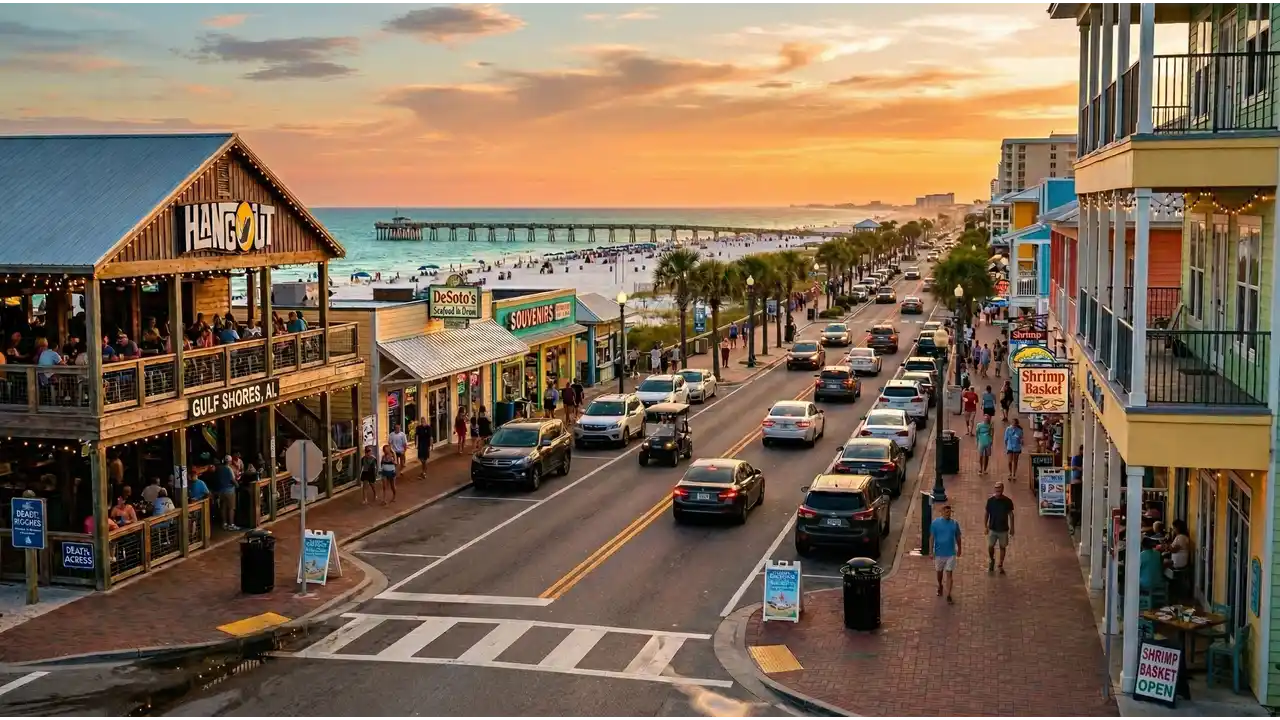
New Orleans is a port city of roughly 370,000 people in southeast Louisiana, known for live music, Creole architecture, and dense neighborhood character. Summers are hot and humid, winters mild. The city sits below sea level, shaped by Mississippi River commerce and a long history of African American, French, and Caribbean cultural influence. Daily life centers on walking neighborhoods like the Marigny, French Quarter, and Bywater. Traffic is heavy. Public transit exists but is limited. Most residents drive or use rideshare. Food is central to social life. The economy depends on tourism, shipping, and hospitality work.
💡 Local Insights
New Orleans · 2026
New Orleans costs less than most major U.S. cities, but prices have climbed in popular neighborhoods over the past decade. Housing averages $1,254/month, though this varies sharply by location. The French Quarter and nearby Marigny command premium prices. Mid-city neighborhoods like Gentilly and Treme offer lower rents. Groceries cost around $491/month for a single person buying basics at chains like Whole Foods or Rouses (a regional chain). Farmers markets in City Park offer competitive produce prices. Eating out is cheap by national standards, especially for po'boys and casual Creole food. Transportation costs are low if you drive, but car insurance and parking can surprise newcomers. Public transit (the RTA streetcar and bus system) costs $81 for a monthly pass. Utilities run high because of air conditioning and humidity. Expats often find New Orleans cheaper than comparable U.S. cities like Austin, Charleston, or Nashville, but neighborhoods popular with remote workers have gentrified noticeably.
Frequently Asked Questions
How much does it cost to live in New Orleans per month?
A moderate lifestyle in New Orleans costs $2,775/month for one person. Housing runs $1,254/month, food (groceries) around $491/month, transportation roughly $150-$200/month if you own a car or use transit regularly, and utilities $150-$200/month depending on air conditioning use. A tight budget works at $1,665/month, which requires shared housing and careful spending. A comfortable lifestyle with dining out and leisure spending runs closer to $4,301/month. Costs vary significantly by neighborhood and personal habits.
What is the average rent in New Orleans?
Average rent in New Orleans is $1,254/month, based on moderate-lifestyle housing costs. Studio and one-bedroom apartments in walkable neighborhoods like Marigny and Bywater range from $950-$1,400/month. The French Quarter runs higher, $1,200-$1,600/month for a one-bedroom. Mid-city and Gentilly neighborhoods offer $750-$1,050/month for comparable units. Garden District and Uptown are pricier, $1,100-$1,500/month. Shared housing drops costs significantly. Most leases run 12 months. Landlord requirements typically include proof of income and a deposit equal to one month's rent.
Is New Orleans cheap to live in for expats?
New Orleans is relatively affordable compared to other major U.S. cities, but not dirt-cheap. Expats coming from San Francisco, Boston, or New York will find it significantly cheaper. Compared to Austin, Denver, or Nashville, it's competitive but not dramatically lower. Southeast Asian expats may find it expensive. Housing at $1,254/month is manageable for remote workers or those earning Western salaries. Utilities and car costs surprise some expats. Visa options are limited (no digital nomad visa), so expats typically need employment sponsorship or investor status. The lack of a large existing expat community means less built-in infrastructure than Bangkok or Mexico City.
How much does food cost per month in New Orleans?
Groceries cost roughly $491/month for a single person buying staples at supermarkets like Rouses or Whole Foods. Milk runs $3-$4/gallon, eggs $3-$4/dozen, chicken breast $5-$7/pound. Fresh produce is cheaper at farmers markets, especially in summer. Eating out is affordable: po'boys cost $8-$12, casual Creole plates $12-$15, and ethnic restaurants (Vietnamese, Mexican) run $10-$14 per meal. Casual sit-down restaurants average $15-$20 per entree before tip. Fine dining in the French Quarter or Uptown costs $40-$70/entree. Alcohol (beer, local spirits) is cheap; bars serve drinks for $4-$7.
What salary do you need to live comfortably in New Orleans?
A comfortable lifestyle in New Orleans requires around $4,301/month. For a single person, that's roughly $51,600/year gross income. This budget includes housing at $1,254/month, food and dining out, regular transportation, entertainment, and modest savings. Most employment-based visa sponsorships (EB-3, EB-2) or investor visas require income documentation showing you can support yourself without public assistance, typically 125-250% of the federal poverty line. Remote workers earning U.S. or European salaries find this range comfortable. Local wages in hospitality, retail, and service work are $28,000-$38,000/year, making the comfortable tier realistic for dual-income households or salaried professionals.
How does the cost of living in New Orleans compare to other places?
New Orleans is genuinely affordable compared to most major US cities. A moderate lifestyle costs $2,775 per month, with housing running $1,254 per month. That puts it slightly above Omaha, which runs $2,650 for the same lifestyle and $1,111 for housing. You'll spend considerably less than in Seattle, where moderate living costs $3,950 monthly with housing at $2,177. The city is measurably more expensive than Wichita at $2,325 per month overall and $808 for housing, but Wichita is a much smaller market with fewer cultural amenities. New Orleans offers the real advantage of being a major cultural center with genuine character while staying well below the costs of comparable coastal cities. Your money stretches further here than in most places with equivalent restaurants, music venues, and neighborhood life.
Yes, but tightly. That's the budget tier for New Orleans. Rent needs to stay around $700-$850/month, requiring a shared apartment or a room in a house away from tourist areas (Gentilly, Algiers, parts of Mid-City). Groceries at $491/month leave $375 for utilities, transport, phone, and everything else. No car means using transit ($81/month) or rideshare. Dining out happens rarely. Internet, phone, and insurance must stay under $150/month combined. Emergencies are hard to absorb. This budget works for students, freelancers with low overhead, or people with housing subsidy. Most adults building savings need $2,200+/month.