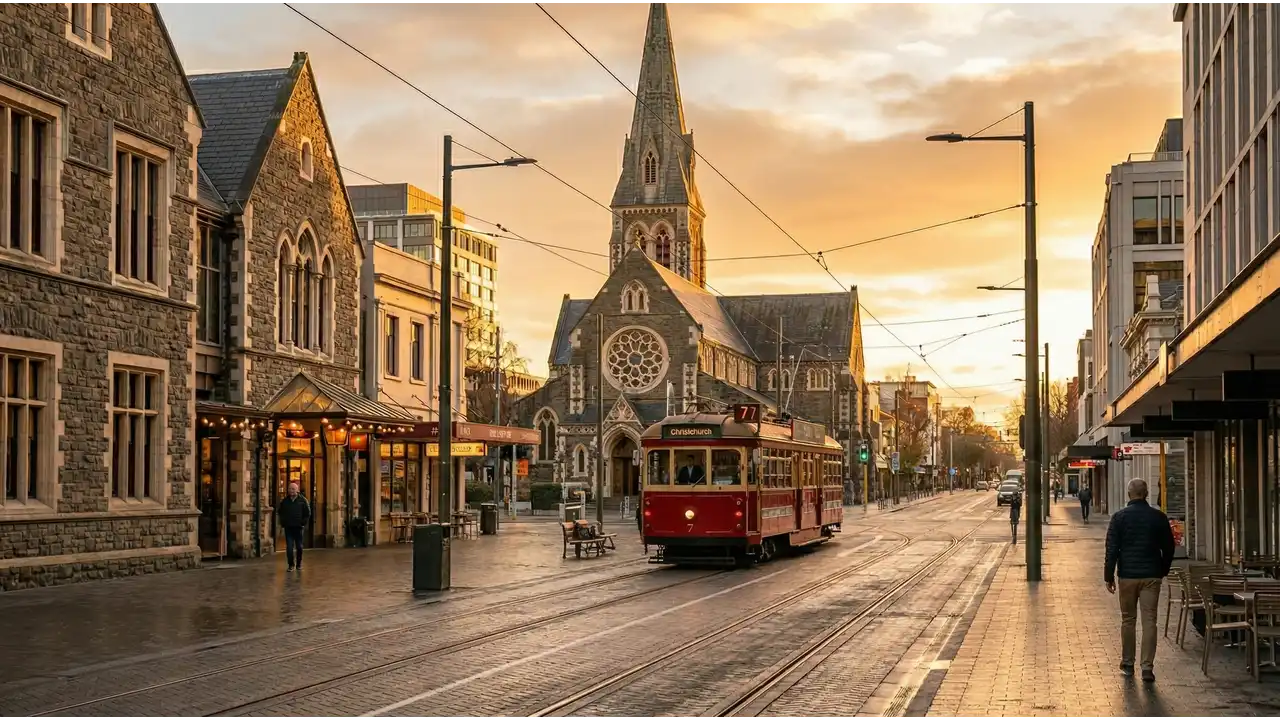
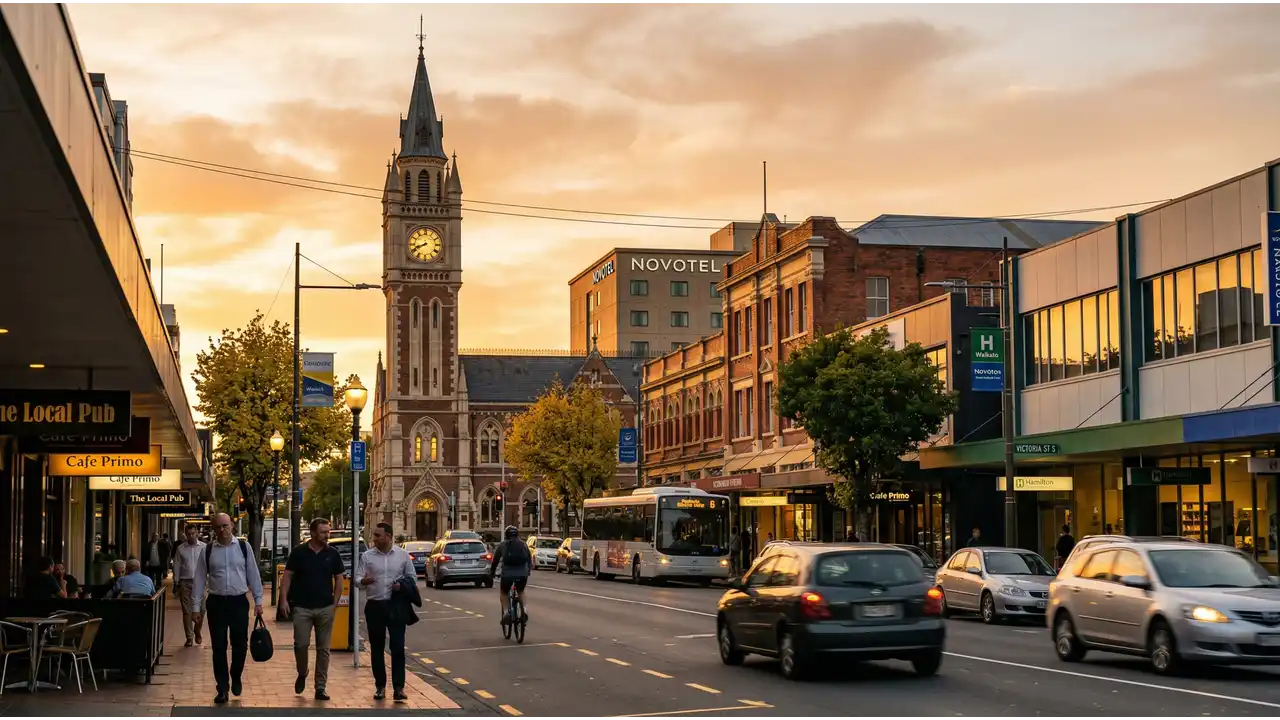
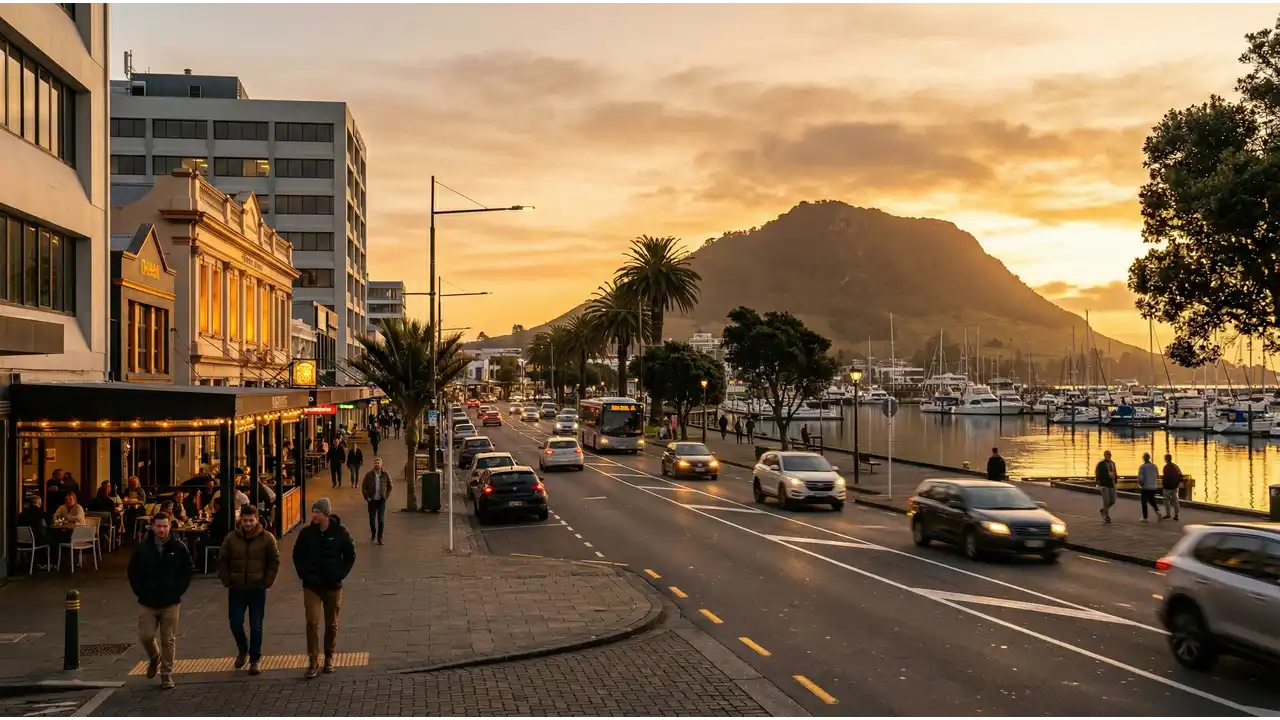
New Zealand is a South Island and North Island country in the southwestern Pacific, home to about 5.1 million people. Most residents live in cities like Auckland, Wellington, and Christchurch, though the population is spread across both urban and regional areas. The climate ranges from subtropical in the north to temperate in the south, with four distinct seasons. Daily life revolves around outdoor activity, a strong cafe culture, and relatively informal social norms. The country has a high cost of living compared to much of Asia and parts of Europe, driven by geographic isolation and import dependency. Most expats and locals rely on cars outside city centers, though public transit exists in major urban areas.
💡 Local Insights
New Zealand · 2026
New Zealand's cost of living reflects its isolation and developed-economy status. A moderate lifestyle costs around $2,500/month, with housing accounting for roughly $1,074/month across the country. Rent varies significantly by location: Auckland and Wellington command higher prices at the upper end of that range, while provincial cities like Hamilton or Dunedin sit lower. Most rental listings in major cities fall between $900 and $1,300 for a one-bedroom apartment in central areas. Groceries cost around $460/month for a single person buying at supermarkets like Countdown or New World. Imported goods and fresh produce are notably expensive; a liter of milk runs about $3, cheese around $12 per 500g, and avocados $2.50 each. Eating out is costly, with cafe coffee at $4 to $5 and a casual restaurant meal around $15 to $20. Public transport in Auckland and Wellington is available but limited; many households budget heavily for car ownership, registration, and fuel. Expats often report groceries and dining as bigger shocks than rent. Local wages have not kept pace with housing costs, making the budget tier of $1,500/month realistic only with significant compromise on space or location.
Frequently Asked Questions
How much does it cost to live in New Zealand per month?
A moderate lifestyle in New Zealand costs around $2,500/month for one person. That breaks down to roughly $1,074/month for housing (rent and utilities), $460/month for groceries, and the remainder for transport, dining out, entertainment, and other expenses. A budget lifestyle can work on $1,500/month if you live outside a major city, share accommodation, and cook at home. A comfortable lifestyle with more flexibility on dining and entertainment runs closer to $3,875/month. Costs are highest in Auckland and Wellington, lower in smaller cities and regional towns.
What is the average rent in New Zealand?
Average rent in New Zealand is around $1,074/month, but this varies substantially by location and property type. In Auckland, a one-bedroom apartment in the city center or inner suburbs typically rents for $1,100 to $1,300/month, while outer suburbs or smaller cities like Hamilton see one-bedroom places for $800 to $950/month. Wellington central rents are comparable to Auckland's, around $1,100 to $1,250/month. Regional cities like Christchurch, Dunedin, and Palmerston North offer lower rents, often $700 to $900/month for similar space. Shared flats or rooms run cheaper, typically $400 to $600/month per person. Most listings are advertised weekly, and landlords often ask for references and proof of income.
Is New Zealand cheap to live in for expats?
New Zealand is not cheap for expats. It ranks among developed nations with higher living costs, particularly for housing and groceries. If you come from Australia, the UK, or Scandinavia, costs are comparable or slightly lower. If you come from Southeast Asia or Eastern Europe, it will feel expensive. Expats often cite food prices and housing as the biggest budget shocks. Wages are lower than Australia or the US, so expats on a fixed income or remote salary sometimes find the math difficult. However, if your income is in USD or GBP and you work remotely, New Zealand remains affordable relative to major US or UK cities. The key is understanding that $2,500/month is a baseline for moderate comfort, not a tight budget.
How much does food cost per month in New Zealand?
Groceries cost around $460/month for one person shopping at major supermarkets like Countdown, New World, or Pak'nSave. Specific items are pricey: milk around $3 per liter, bread $2.50 to $3.50, chicken approximately $8 to $10 per kilogram, cheese $10 to $14 per 500g, and coffee beans $12 to $18 per kilogram. Fresh produce is seasonal and expensive when imported. Eating out is costly: a cafe coffee runs $4 to $5, a casual lunch $12 to $18, and a restaurant dinner $20 to $35 per person. Supermarket loyalty programs (like Countdown's Clubcard) offer modest discounts. Farmers markets in urban areas offer fresher produce at slightly lower prices than supermarkets.
What salary do you need to live comfortably in New Zealand?
A comfortable lifestyle in New Zealand costs around $3,875/month, suggesting a gross monthly income of roughly $5,000 to $5,500 depending on tax burden and debt. In annual terms, that implies a salary around $60,000 to $66,000 NZD before tax. This allows you to live in a decent apartment, eat out regularly, travel domestically, and have money for hobbies and savings. The minimum wage in New Zealand is around $23/hour (as of recent data), which translates to roughly $3,900/month gross for full-time work, putting minimum-wage earners just at or below the moderate budget. Most expats aiming for comfort report needing at least a mid-level professional role or remote income from overseas.
How does the cost of living in New Zealand compare to other places?
New Zealand sits in the middle of the international cost-of-living spectrum. A moderate lifestyle here costs $2,500 per month, with housing at $1,074 per month.
Australia, as a peer economy, runs higher at $2,800 monthly overall, though housing there costs considerably more at $1,382 per month. If you're coming from New York state, expect relief: it runs $3,475 for a moderate lifestyle and $1,792 for housing alone.
On the other end, Fiji is notably cheaper at $1,350 monthly with housing at $705 per month, though it offers a different lifestyle and climate entirely.
New Zealand's costs reflect a developed-world standard of living without the premium you'd pay in major US metros or Australian cities. Housing remains your largest expense, typical for wealthy Pacific nations.
Yes, but with real constraints. A $1,500/month budget requires living outside Auckland and Wellington in smaller cities like Dunedin or Hamilton, sharing a flat or house, and cooking nearly all meals at home. Rent in these locations might be $600 to $800/month, groceries $350 to $400/month, leaving $300 to $550 for transport, utilities, phone, and entertainment. You will have little cushion for emergencies, dining out, or travel. This budget works for students, long-term travelers, or people with very low discretionary spending. If you own a car, fuel and maintenance will strain it. If you rely on public transport in major cities, costs rise. Most people on this budget report feeling financially tight and unable to save meaningfully.