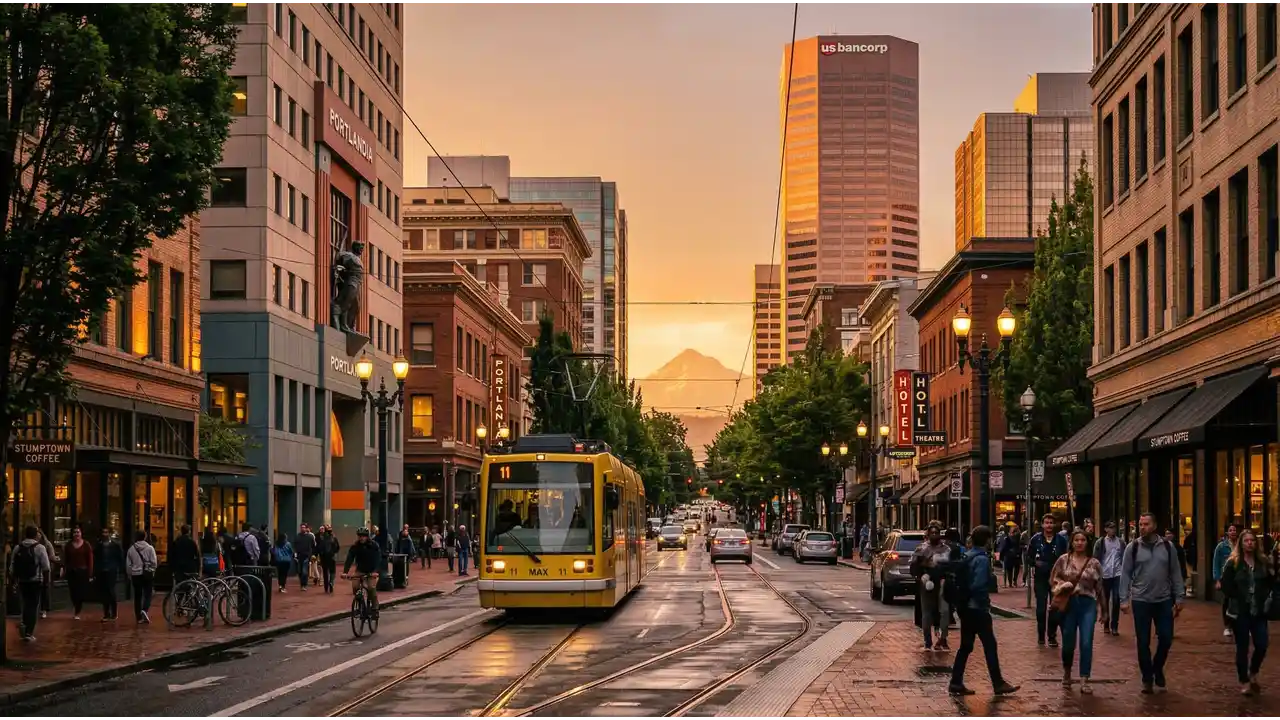
Pennsylvania spans 46,000 square miles with two major cities (Philadelphia and Pittsburgh) and significant rural and small-town areas in between. The state has a humid continental climate with cold winters and warm summers. Population is around 13 million, including long-term residents, working families, and retirees. Daily life varies sharply by region: urban centers offer public transit and walkable neighborhoods, while rural areas require a car. Manufacturing, healthcare, education, and tech sectors anchor the economy. Housing stock ranges from historic row homes in Philadelphia to suburban developments to farmland.
💡 Local Insights
Pennsylvania · 2026
Pennsylvania's cost of living depends almost entirely on where you settle. Philadelphia and Pittsburgh drive regional averages upward, while counties outside these metros offer substantially lower costs. Housing runs $1,161/month on average, but this masks real variation: a one-bedroom apartment in central Philadelphia rents for $1,300 to $1,600, while similar space in smaller cities like Allentown or Erie drops to $900 to $1,100. Suburban areas and rural counties often range $800 to $1,200. Groceries average $521/month per person, consistent across the state due to major chains operating statewide; a gallon of milk runs $3.50 to $4.00, ground beef around $5.50 per pound. Transport costs differ sharply: Philadelphia and Pittsburgh have functional transit systems, reducing car dependency. Outside these cities, owning a car is essential; gas, insurance, and maintenance add $400 to $500 monthly. Pennsylvania has no income tax on wages earned, though it does levy sales tax (6 percent) and property taxes on homeowners. Winter heating costs spike from November through March, sometimes adding $150 to $250 monthly in colder regions.
Frequently Asked Questions
How much does it cost to live in Pennsylvania per month?
A moderate lifestyle in Pennsylvania costs $2,775/month. This breaks down to housing at $1,161/month, groceries at $521/month, with the remainder covering utilities, transport, dining out, and discretionary spending. A budget-conscious approach runs $1,665/month; a more comfortable lifestyle that includes dining out regularly, entertainment, and higher-quality housing costs $4,301/month. These figures are averages across the state. Philadelphia and Pittsburgh run 10 to 20 percent higher; rural areas run 15 to 25 percent lower.
What is the average rent in Pennsylvania?
Average rent is $1,161/month, but this varies significantly by location. In Philadelphia, one-bedroom apartments in walkable neighborhoods (Center City, Rittenhouse, University City) rent for $1,350 to $1,600/month; two-bedrooms for $1,700 to $2,100/month. Pittsburgh one-bedrooms average $1,000 to $1,300/month. In smaller cities like Allentown, Scranton, or Erie, one-bedrooms drop to $750 to $950/month. Suburbs 20 miles from Philadelphia or Pittsburgh typically range $900 to $1,250/month. Rural rental stock is limited; single-family homes for rent run $800 to $1,100/month outside metro areas.
Is Pennsylvania cheap to live in for expats?
Pennsylvania offers mid-tier value for expats compared to US standards. Philadelphia and Pittsburgh attract international residents for job markets and universities, but both cities cost more than secondary US metros. Housing ($1,161/month average) is cheaper than Boston or New York, comparable to Chicago. Groceries ($521/month) are slightly higher than Midwestern states. If you're coming from Western Europe or major global cities, Pennsylvania feels affordable. If you're relocating from Southeast Asia or Central Europe, US costs will shock you. Expat communities exist in Philadelphia (particularly around universities) and Pittsburgh (tech and healthcare sectors), which can ease adjustment but also concentrate in higher-rent neighborhoods.
How much does food cost per month in Pennsylvania?
Groceries average $521/month per person. For a household of two, budget $1,040/month. Specific prices: milk $3.75/gallon, eggs $2.80/dozen, ground beef $5.50/pound, chicken breast $7.50/pound, apples $1.80/pound, bread $2.30/loaf. Eating out runs $12 to $18 for casual lunch, $18 to $30 for casual dinner. Philadelphia and Pittsburgh have higher restaurant costs; rural areas are cheaper. Ethnic groceries (Asian, Latin, Middle Eastern) are accessible in urban areas and certain suburbs but cost more than mainstream supermarkets. Farmers markets operate seasonally in spring through fall and offer competitive produce prices.
What salary do you need to live comfortably in Pennsylvania?
A comfortable lifestyle costs $4,301/month, suggesting an annual income of $51,600 to maintain that spending without debt accumulation. This tier includes higher-quality housing ($1,400 to $1,800/month), dining out 2 to 3 times weekly, entertainment, travel, and savings. For a household with two working adults, a combined household income of $60,000 to $70,000 provides comfortable breathing room. Philadelphia and Pittsburgh residents should aim higher (around $75,000 combined) due to higher housing costs. This excludes healthcare insurance, childcare, and student loan repayment, which shift the threshold upward.
How does the cost of living in Pennsylvania compare to other places?
Pennsylvania's moderate lifestyle costs $2,775 monthly, with housing at $1,161 of that. This puts it in the middle of the American cost spectrum. You'll find it modestly more expensive than Arkansas, where a moderate lifestyle runs $2,300 monthly and housing costs $810. South Carolina sits slightly higher at $2,875 monthly with housing at $1,324, making it a near peer to Pennsylvania. Hawaii is substantially dearer at $4,125 monthly, reflecting its island location and limited housing supply. Within Pennsylvania itself, costs vary considerably. Rural areas and smaller cities like Erie or Altoona run well below the state average, while Pittsburgh and Philadelphia command premiums. Compared to coastal metros or major tech hubs, Pennsylvania remains genuinely affordable.
Yes, but with real constraints. This is the budget tier and requires discipline. Rent must stay under $900/month, which means sharing an apartment, living in secondary cities, or rural areas. Food budget drops to $400/month (cooking at home, minimal eating out). Transport must be transit-heavy or you own a paid-off car. No car payments, minimal entertainment, no travel. Healthcare, childcare, and student loans are not included. Philadelphia and Pittsburgh become difficult on this budget; smaller cities like Allentown or Erie are more feasible. This tier suits single individuals or couples with no dependents, or those with a fully paid home.