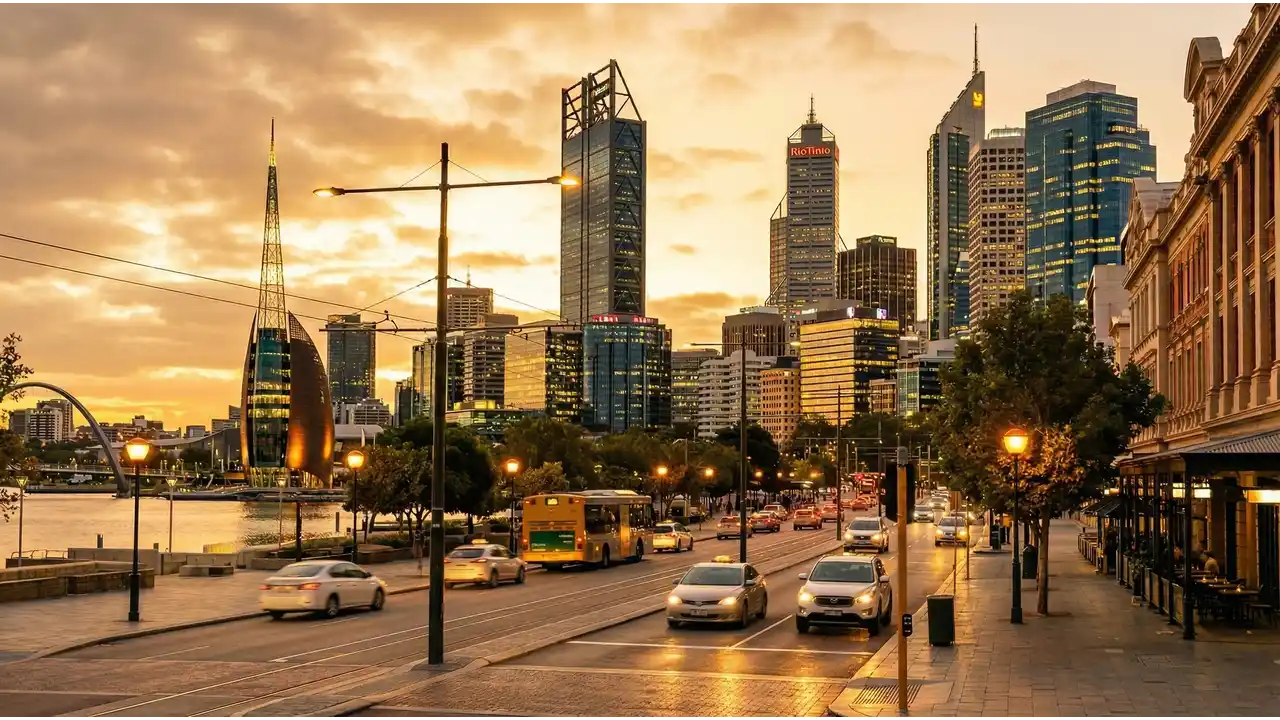
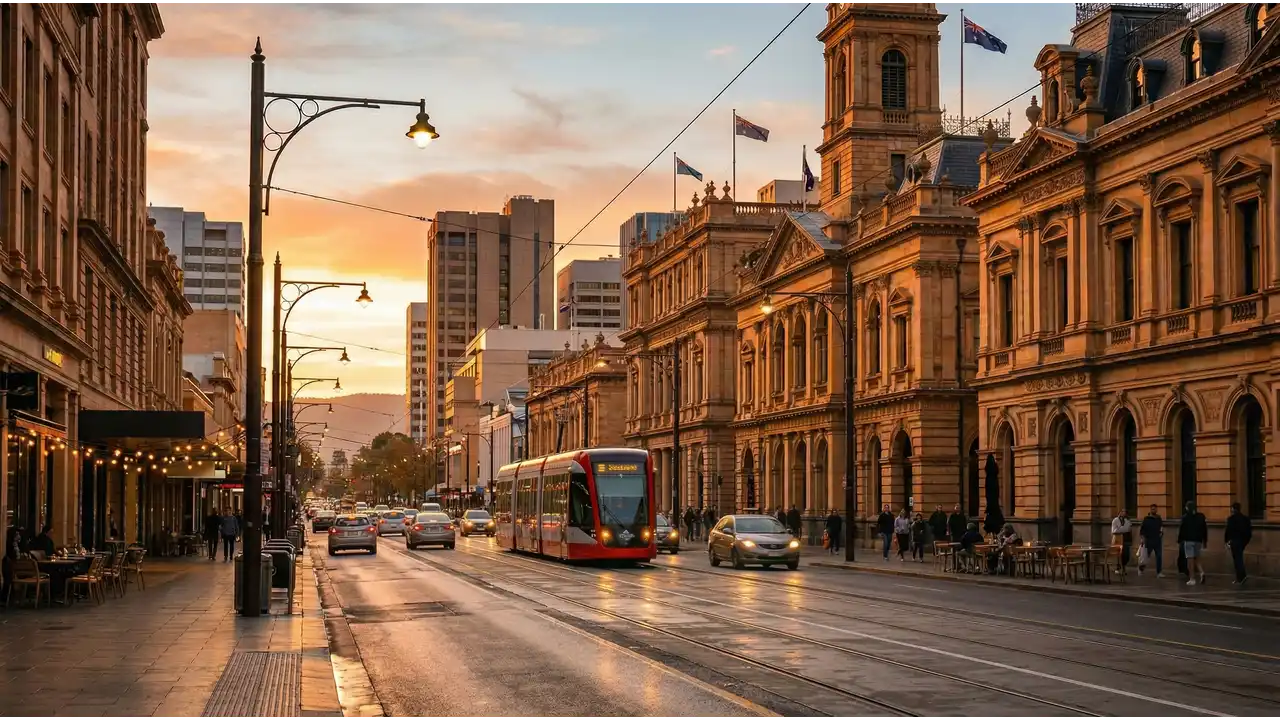
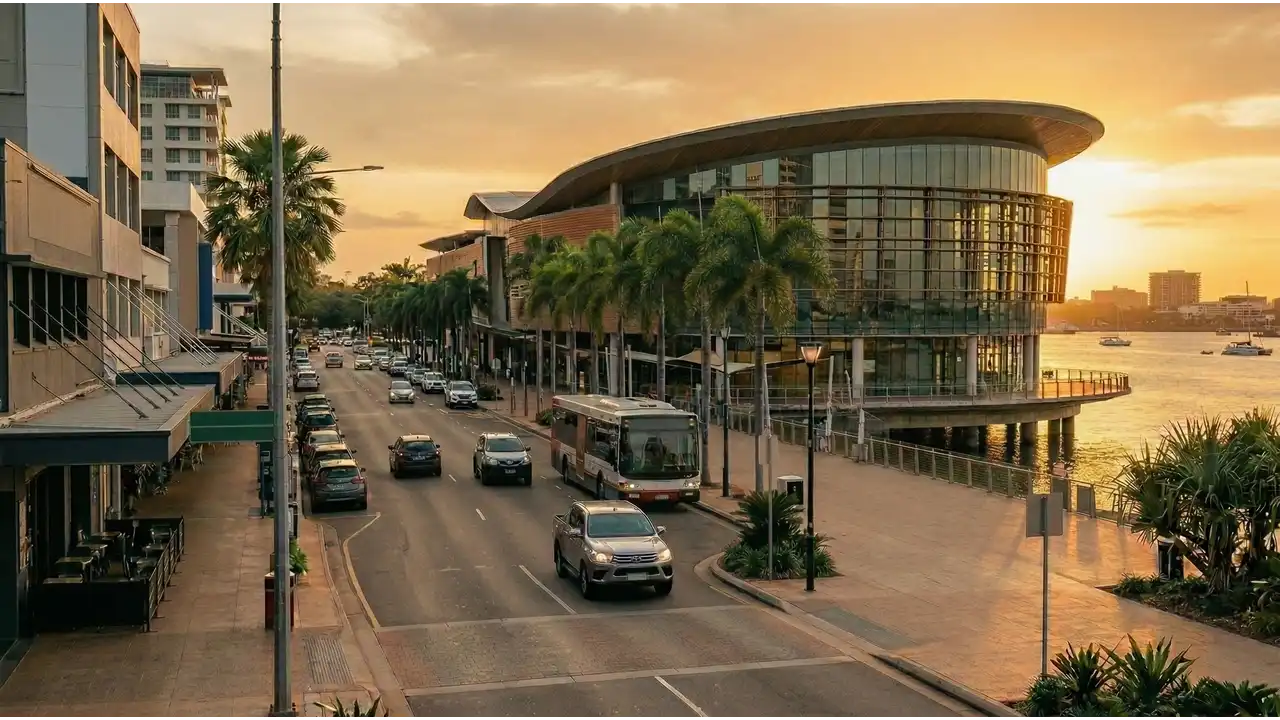
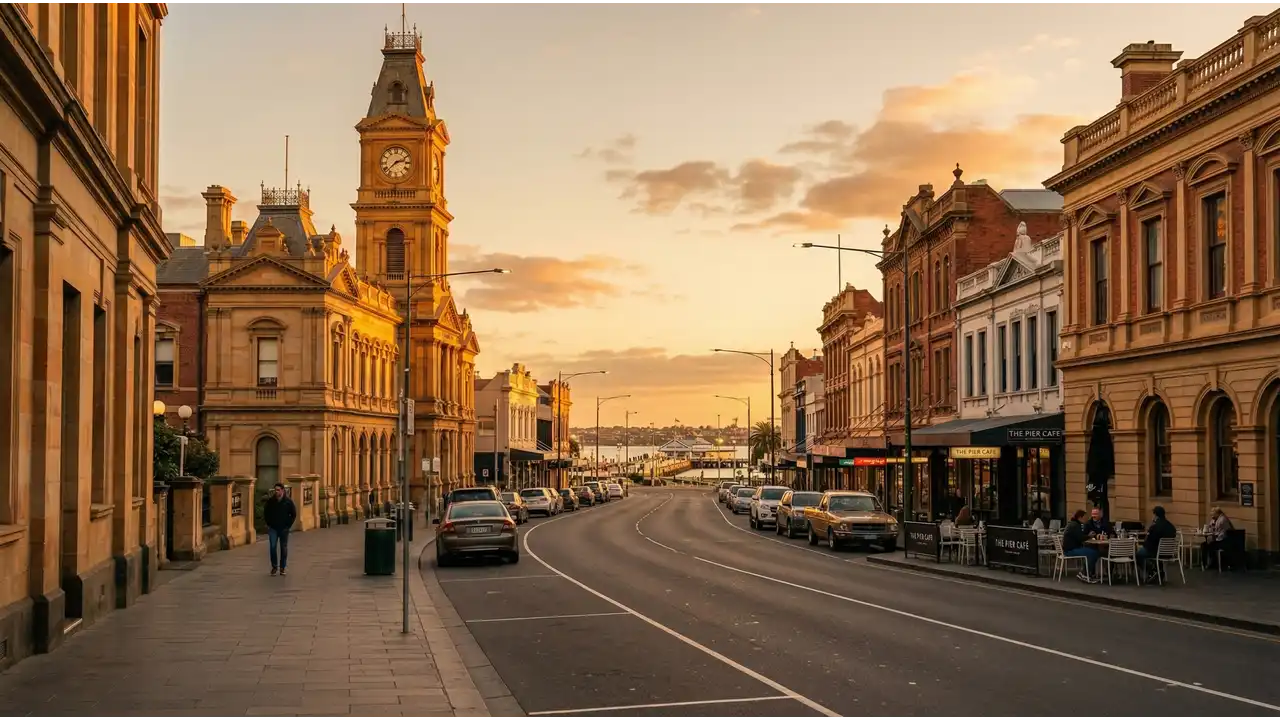
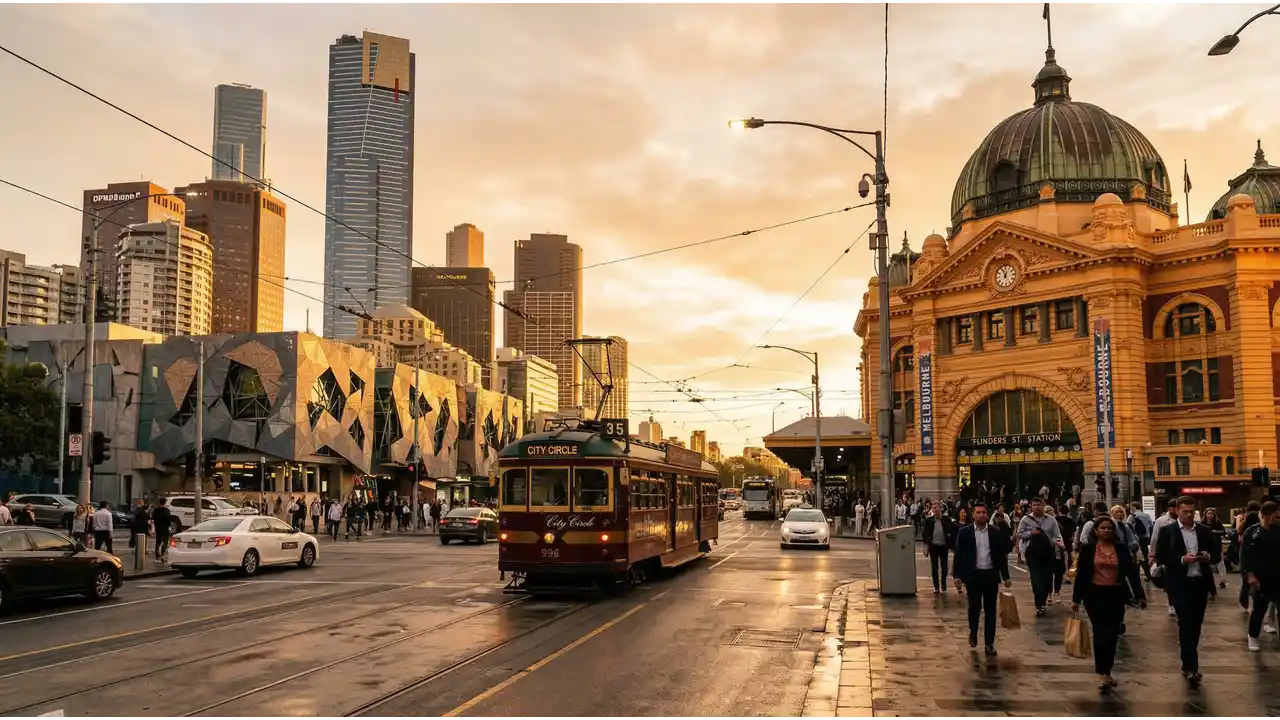
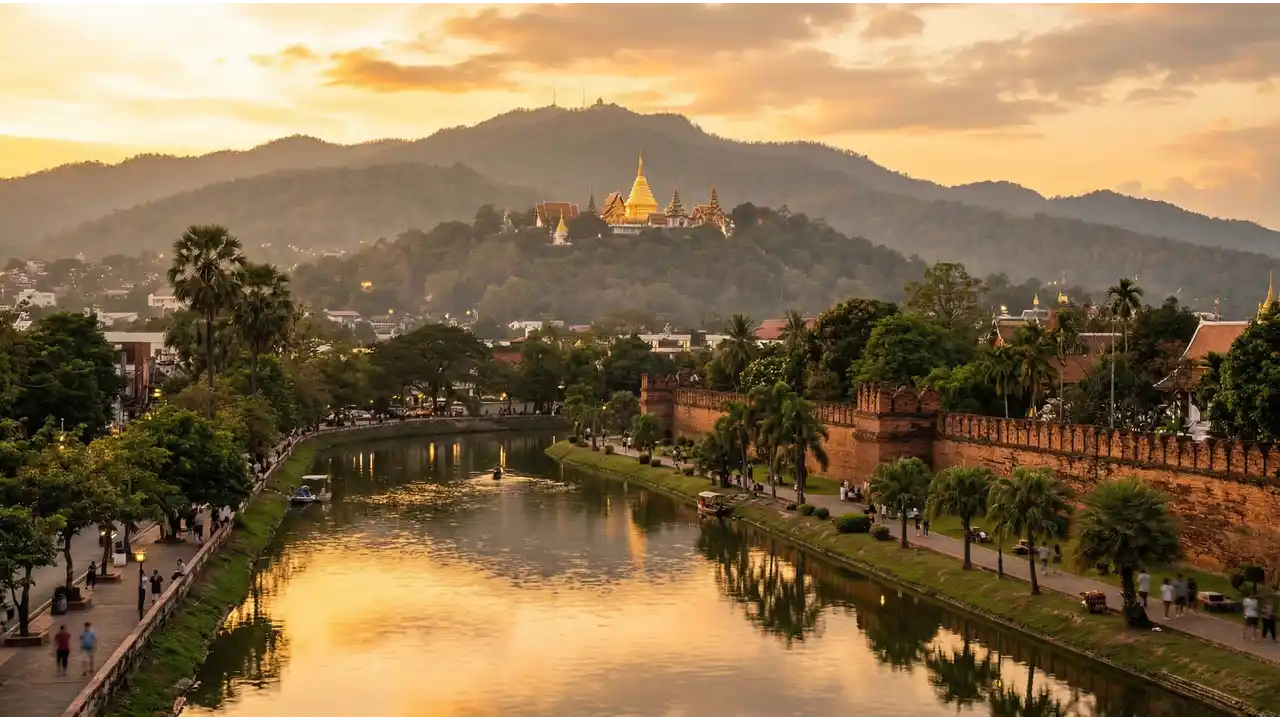
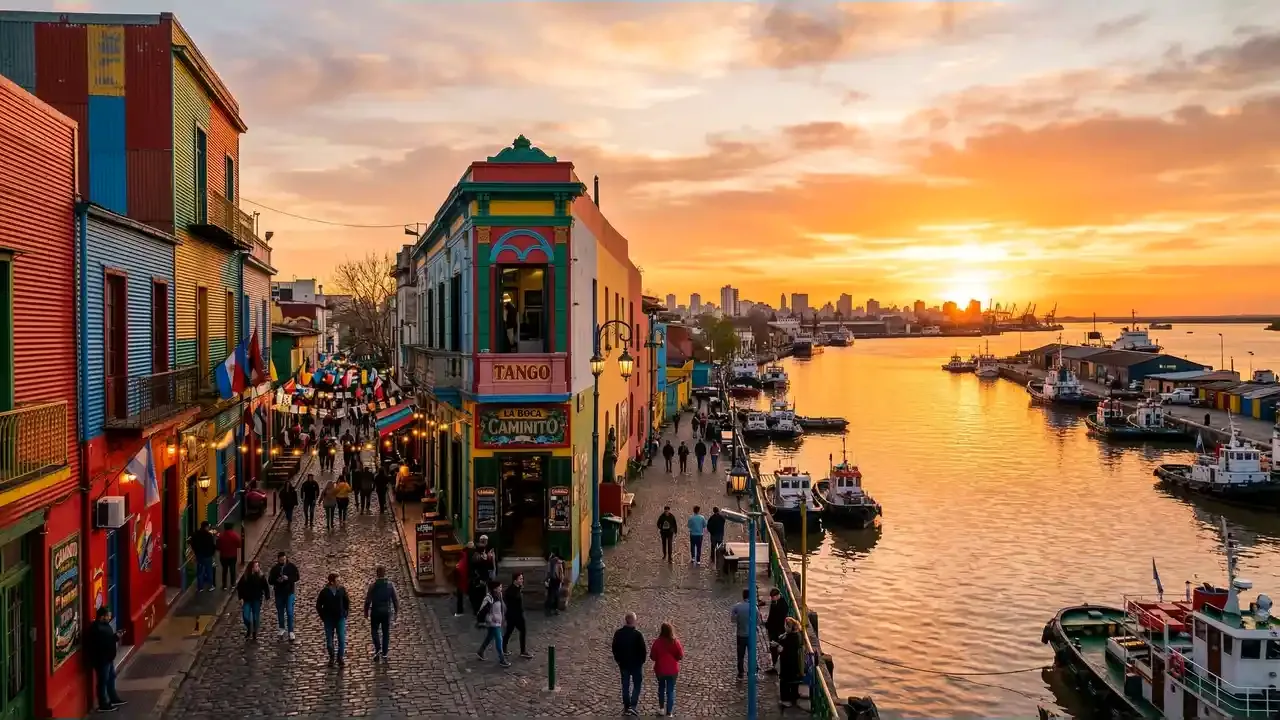
Perth is Australia's most isolated major city, located on the Indian Ocean coast of Western Australia. It's a sprawling, car-dependent city of roughly 2.3 million people with a Mediterranean climate, hot dry summers and mild winters. The lifestyle is outdoor-focused: beaches, parks, and water sports dominate weekends. The population is younger than Australia's average, with significant migration from Europe and Asia. Daily life revolves around driving; public transport exists but is limited outside the CBD. The city has grown rapidly over the past two decades, driven by mining wealth, but this has plateaued. It's quieter and less crowded than Sydney or Melbourne, with a laid-back feel that many find either refreshing or isolating depending on their preference.
💡 Local Insights
Perth · 2026
Perth's cost of living is moderate by developed-world standards but has risen sharply over the past decade. Housing dominates the budget at $1,435/month and is the primary cost driver. Rental availability varies by suburb and distance from the CBD; inner suburbs like Subiaco and Nedlands command higher rents, while suburbs 20-30 kilometers out offer more affordable options but require a car. Groceries cost around $384/month for a single person buying local produce and basics; imported goods are expensive due to distance. Transport is essential to budget for: public transport passes run $150-200/month, but most residents own cars and factor in fuel, parking, and maintenance. International expats often pay premiums for furnished rentals and sometimes 10-15 percent more for Western Australian-specific food imports. Utilities are moderate. Eating out is pricier than Asian neighbors but cheaper than Northern Europe. The tight rental market means competition is real; many landlords ask for references and proof of income before leasing.
Frequently Asked Questions
How much does it cost to live in Perth per month?
A moderate lifestyle in Perth costs around $2,625/month. This breaks down roughly as housing at $1,435/month, groceries at $384/month, and the remaining $806 split among transport, utilities, dining out, and discretionary spending. A tight budget is feasible at $1,575/month if you share housing, use public transport, and cook most meals. A comfortable lifestyle that includes dining out regularly, hobbies, and travel within Australia runs closer to $4,069/month. These figures assume you are renting; home ownership is significantly more expensive upfront but lower monthly for mortgages on the long term.
What is the average rent in Perth?
Average rent in Perth sits around $1,435/month for a one-bedroom apartment in reasonable areas. In inner suburbs like Subiaco, Cottesloe, or North Perth, expect $1,600-1,900/month for a one-bedroom. In outer suburbs like Cannington or Joondalup, one-bedroom rents fall to $1,200-1,350/month. Two-bedroom apartments range from $1,500-1,700/month in outer areas to $2,000-2,400/month closer to the CBD. Rental markets are competitive; landlords typically require Australian references, proof of income at 30 times the weekly rent, and bonds equal to four weeks' rent. Furnished rentals cost 15-20 percent more. Lease terms are usually 12 months.
Is Perth cheap to live in for expats?
Perth is not cheap, but it is cheaper than Sydney or Melbourne. For North American or Northern European expats, rents feel high relative to suburban counterparts back home, though lower than London or Toronto. For Southeast Asian or Indian expats, Perth is noticeably more expensive across all categories. The main challenge is isolation: flights out are expensive, and imported goods carry premiums. Furnished rental markets cater to expats but at 15-20 percent markup over unfurnished. Expats with local employment contracts adapted to Perth wages find it reasonable. Those on home-country salaries or fixed budgets often struggle. The upside is stability, clean air, beaches, and minimal corruption; many expats stay longer than planned despite the cost.
How much does food cost per month in Perth?
Groceries for one person average $384/month when shopping at Coles, Woolworths, or Aldi. Fresh produce is cheap during local seasons (September to April for berries and stone fruit) but imported vegetables spike in cost. A loaf of bread runs $2-3, milk $1.10-1.40 per liter, chicken $8-12 per kilogram, and eggs $3-4 per dozen. Eating out is moderate: cafe coffee costs $4-5, a casual lunch $12-15, and a dinner entree at a mid-range restaurant $18-26. Alcohol is taxed heavily; a bottle of wine runs $10-20 retail. Asian groceries and specialty imports (European cheese, Scandinavian goods) carry 20-40 percent premiums due to import distance.
What salary do you need to live comfortably in Perth?
A comfortable lifestyle in Perth requires roughly $4,069/month, or about $49,000/year after tax. This assumes renting, dining out 2-3 times weekly, occasional entertainment, and modest travel within Australia. For a couple sharing housing, this stretches further. For a family of four, add $1,500-2,000/month. To own a home, you need substantially more: median house prices are around $600,000-700,000, so mortgage payments on a family home easily exceed $2,500-3,000/month before rates and insurance. Most professionals in Perth earn $50,000-80,000/year; dual incomes are common. Skilled trades often earn $60,000-100,000+. International expats on visa sponsorship sometimes negotiate premium packages that include housing allowances, which can shift the calculus significantly.
How does the cost of living in Perth compare to other places?
Perth sits in the middle of Australia's major cities for cost of living. A moderate lifestyle in Perth runs $2,625 per month, which is notably cheaper than Sydney at $3,050 per month but slightly more expensive than Melbourne at $2,725 per month. Housing follows a similar pattern: Perth's moderate-tier housing costs $1,435 per month compared to Sydney's $1,709 per month, while Melbourne comes in at $1,449 per month.
If you're considering other parts of Oceania, Christchurch offers lower costs overall at $2,050 per month for a moderate lifestyle, with housing at $1,050 per month. Perth's positioning makes it an affordable choice relative to Sydney, though you'll find it roughly comparable to Melbourne for day-to-day expenses. The main difference between Perth and these peers lies in housing pressure, which remains less acute here than in Sydney.
Yes, but with significant constraints. A $1,575/month budget requires sharing housing to keep your rent at $600-750/month, buying groceries strategically at $250-300/month, using public transport or carpooling ($100-150/month), and minimal dining out. Social life is limited to free or cheap activities: beaches, parks, community events. You can afford a small one-bedroom apartment solo only in outer suburbs like Armadale or Rockingham and must minimize discretionary spending. This budget works for students, early-career workers, or those receiving housing subsidies. Unexpected costs like car repairs or medical bills create genuine hardship. Many on this budget receive family support or combine it with casual work. It's livable but leaves no buffer; most financial advisors recommend $2,000+/month for stability.