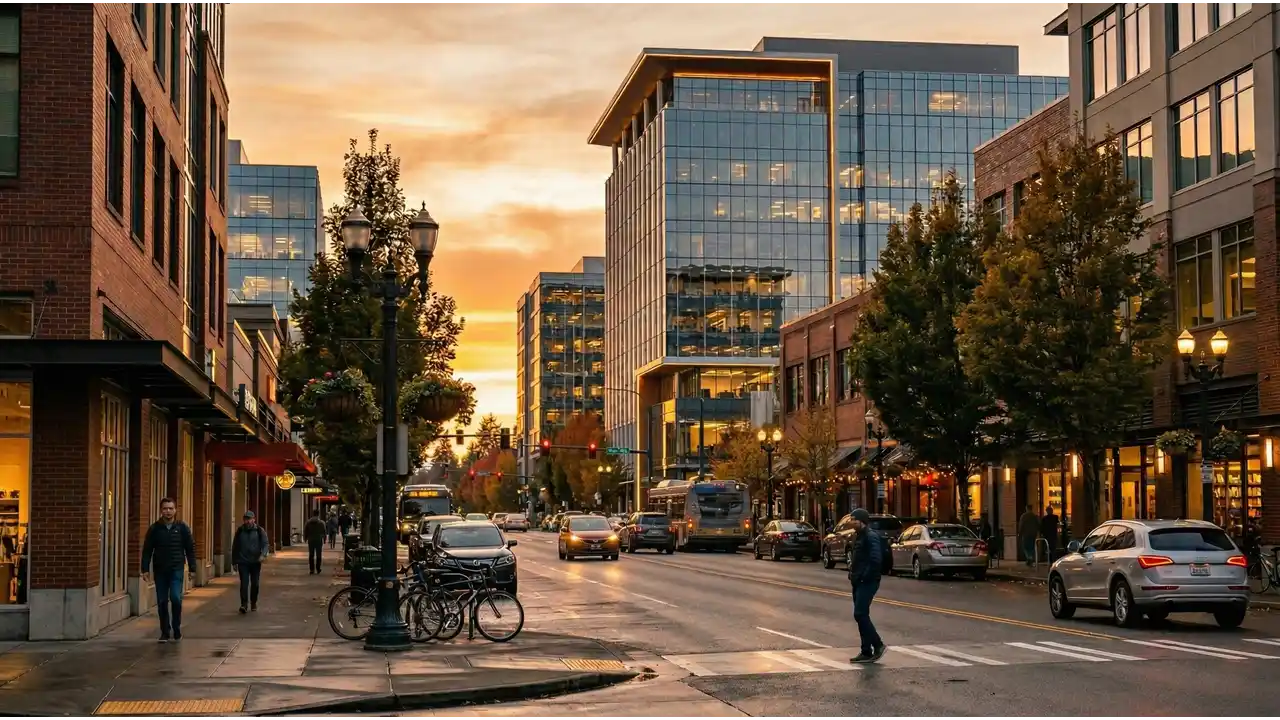
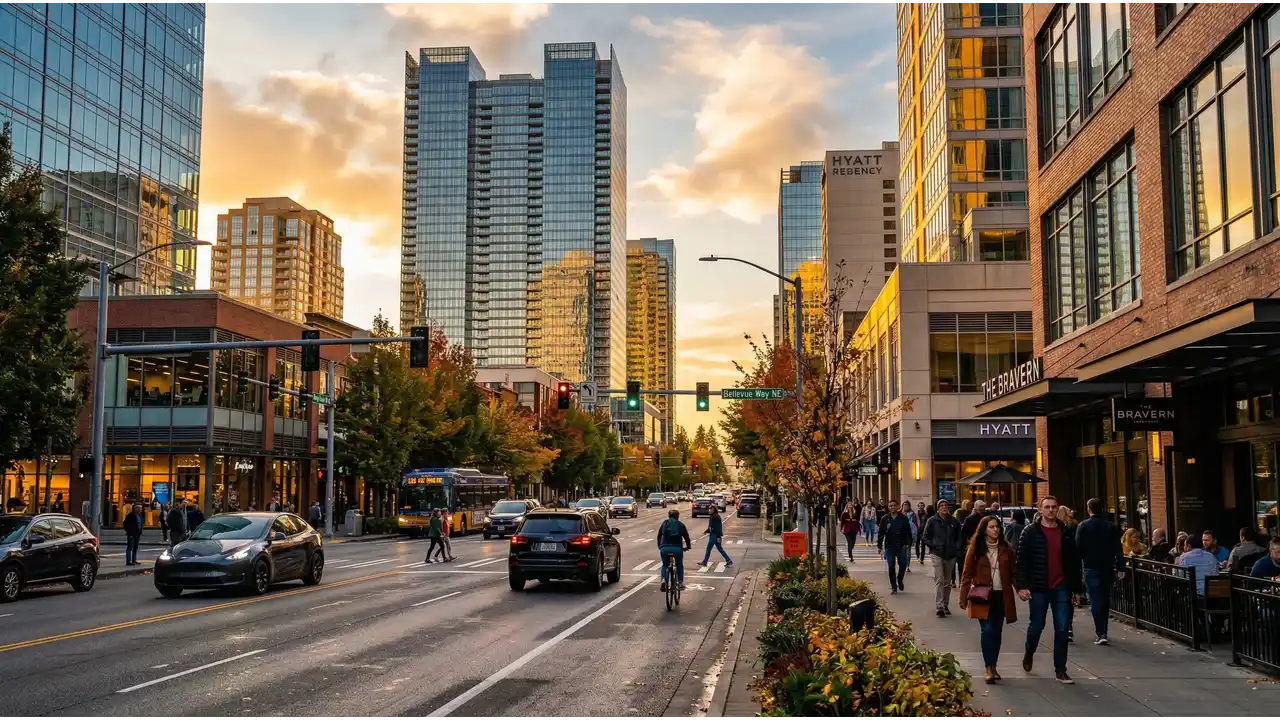
Redmond is a mid-sized city in the Seattle metropolitan area, 20 miles east of downtown Seattle. It is home to Microsoft's main campus and attracts tech workers from around the world. The population is around 75,000, with a median age in the mid-30s. Daily life involves commuting to tech offices, working in software and cloud services, or running service businesses that support the tech sector. The climate is mild and rainy, with few extreme temperatures. Redmond has extensive parks, trail systems, and proximity to the Cascade Mountains. Public transportation connects to Seattle via light rail and bus, though many residents drive. Neighborhoods range from established residential areas near downtown to newer suburban developments on the outskirts.
💡 Local Insights
Redmond WA · 2026
Redmond's cost of living is driven primarily by housing demand from tech workers. Median rent for a one-bedroom apartment is around $1,600 to $1,800, while a two-bedroom runs $2,000 to $2,400, averaging $2,169 across the rental market. Purchasing a home typically starts at $800,000 and rises significantly from there. Grocery costs run about $566 monthly for a moderate diet, comparable to Seattle but higher than national averages. Eating out is expensive, with casual dining at $15 to $25 per entree. Public transit via King County Metro costs $99 monthly for an unlimited pass. Many residents own cars, though traffic congestion is heavy during rush hours. Tech workers often receive stock options and higher salaries that offset costs. Service workers and those outside tech find housing particularly challenging. Proximity to Microsoft, Amazon, and other tech campuses keeps rents elevated.
Frequently Asked Questions
How much does it cost to live in Redmond WA per month?
A moderate lifestyle in Redmond costs $3,925 per month. Housing averages $2,169 per month across rentals and includes utilities. Groceries cost around $566 monthly. Transportation via public transit runs $99 monthly, though car ownership adds insurance, gas, and maintenance. Dining out, entertainment, and personal services make up the remainder. A budget tier lifestyle costs $2,355 monthly by cutting housing and dining expenses. A comfortable lifestyle runs $6,084 monthly with more spacious housing, frequent dining out, and entertainment.
What is the average rent in Redmond WA?
Average rent in Redmond is $2,169 per month across all apartment types and locations. One-bedroom apartments typically range from $1,600 to $1,800. Two-bedroom apartments range from $2,000 to $2,400. Three-bedroom homes and townhouses range from $2,800 to $3,500. Downtown Redmond near the town center commands higher rents. Areas south of Highway 90 or north toward Bothell offer slightly lower rates. New construction apartments lease at premium prices. Older complexes built in the 1990s and early 2000s offer the best value within this range. Many landlords require first month, last month, and a security deposit upfront.
Is Redmond WA cheap to live in for expats?
Redmond is not cheap for expats compared to most international locations. Housing at $2,169 monthly is expensive by global standards, though reasonable for the Seattle region. Expats on visa sponsorship from tech companies typically receive salaries that accommodate these costs. For expats not working in tech, housing and overall living expenses create significant financial pressure. International groceries are available but cost 20 to 40 percent more than standard items. Public transit is reliable, reducing transportation costs compared to car-dependent areas. Redmond's cost is comparable to San Francisco or New York, though less than central London or Tokyo. Expats should budget at least $4,500 monthly for comfortable independent living.
How much does food cost per month in Redmond WA?
Groceries cost approximately $566 per month for a moderate diet. Staples like bread, milk, eggs, and chicken cost 10 to 15 percent above the US national average. A loaf of bread runs $3 to $4. A gallon of milk is $4 to $5. Chicken breasts are $6 to $8 per pound. Produce varies seasonally, with apples and berries local in fall and expensive in winter. Eating out is costly: casual restaurants charge $15 to $25 per entree. Coffee shops charge $5 to $7 per drink. Grocery stores include Whole Foods, QFC, Safeway, and Asian markets offering competitive prices on international items. Meal planning and buying at discount stores like Costco reduces monthly food spending.
What salary do you need to live comfortably in Redmond WA?
A comfortable lifestyle in Redmond requires roughly $6,084 per month, or about $73,000 annually. This supports housing at $2,500 to $3,000 monthly, regular dining out, entertainment, and leisure travel. Tech workers typically earn $100,000 to $200,000+ in base salary plus stock options, well above this threshold. Non-tech professionals such as teachers, healthcare workers, and service industry staff often earn $50,000 to $70,000 annually and budget tightly. A household with two earners each making $40,000 to $50,000 can live moderately but have limited savings. Single earners below $60,000 struggle with housing costs and typically share apartments or live further from downtown. Tech compensation makes higher comfort levels accessible for that sector.
How does the cost of living in Redmond WA compare to other places?
Redmond's moderate lifestyle costs $3,925 per month, with housing representing the largest expense at $2,169 per month. This puts Redmond in the upper tier for US cost of living, though not at the extreme high end.
For direct comparison, Denver runs $3,225 monthly at the moderate tier, making it roughly 18 percent cheaper than Redmond, while Denver housing specifically costs $1,624 per month. Columbus is substantially more affordable at $2,725 for a moderate lifestyle, with housing at $1,146 per month. If you're comparing upward, San Francisco runs $5,200 monthly at moderate tier with housing at $3,302 per month, considerably outpacing Redmond on both counts.
Redmond's costs reflect its role as a major tech hub with strong job markets and demand for housing. For most people relocating here from lower-cost regions, expect a meaningful increase in housing expenses especially.
Yes, you can live on $2,355 monthly in Redmond, but it requires deliberate choices and limits flexibility. Housing must be kept to $1,400 to $1,600 monthly, meaning shared apartments, rooms in houses, or older studios away from central locations. Groceries must stay near $400 monthly through careful shopping and minimal dining out. Public transit costs $99 monthly. This leaves roughly $250 to $350 for phone, internet, personal care, and entertainment. Medical expenses or car emergencies create serious strain. This budget works for students, recent graduates sharing housing, or those with minimal expenses. Building savings is difficult. Most people at this budget report feeling financially stressed and unable to handle unexpected costs. A modest increase to $3,000 monthly substantially improves financial stability.