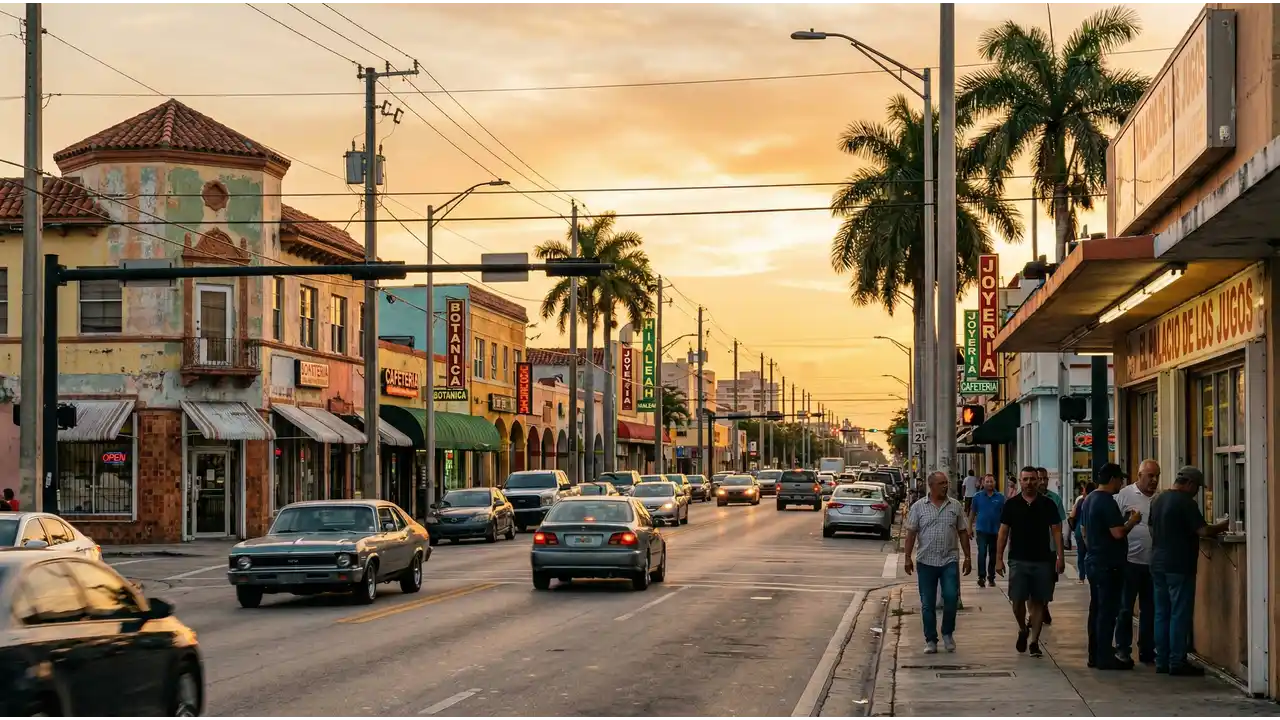
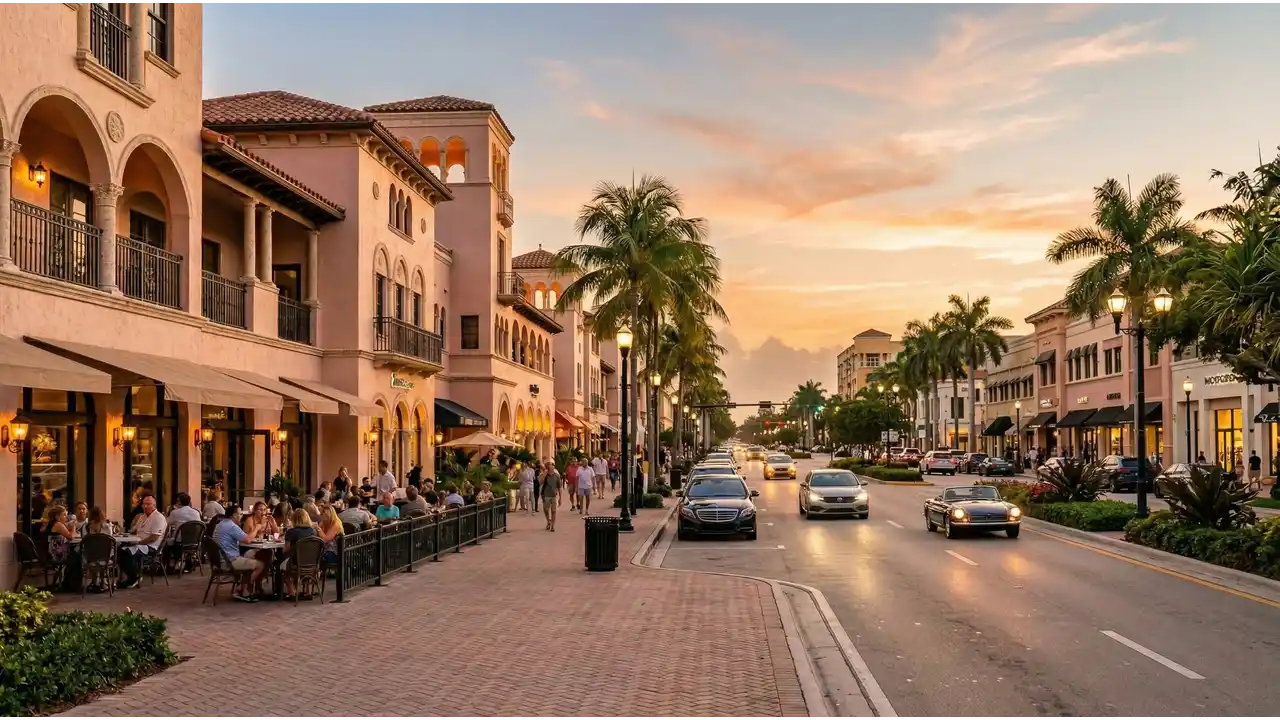
San Juan is Puerto Rico's capital and largest city, home to about 320,000 residents in the metro area. The city sits on the northern coast and functions as the economic and cultural hub of the island. Daily life centers on Old San Juan's colonial architecture and waterfront, newer neighborhoods like Condado and Santurce with higher expat density, and residential areas inland. Summers are hot and humid with frequent rain; winters stay warm year-round. The pace is Caribbean but with US infrastructure and electrical grid standards. Spanish is the primary language, English widely spoken in business and among younger residents.
💡 Local Insights
San Juan PR · 2026
San Juan's cost of living sits between mainland US cities and other Caribbean capitals. Housing drives most variation: Old San Juan and Condado command premium prices, while neighborhoods like Santurce or Río Piedras offer better value. Monthly rent averages $942, but a furnished one-bedroom in Condado runs $1,200 to $1,500, while Santurce ranges $800 to $1,100. Groceries cost $559 monthly for moderate eating; US-branded items at supermarkets like Plaza or Pueblo run higher than island-produced goods. Local produce at markets is cheaper. Eating out averages $12 to $18 for casual meals, $35 to $60 for dinner. No public transit system exists; most residents use cars or taxis (Uber available). Expats typically pay more for housing but less for imported food than a decade ago due to shipping improvements. Water and electricity run $80 to $120 combined in most units.
Frequently Asked Questions
How much does it cost to live in San Juan PR per month?
A moderate lifestyle costs $2,675 per month. This breaks down roughly as $942 for housing, $559 for groceries, $150 to $200 for utilities and water, $80 to $120 for transportation (gas or ride-shares), and $200 to $300 for personal care, entertainment, and dining out occasionally. A budget tier lifestyle runs $1,605 monthly, suitable for shared housing and minimal dining out. A comfortable lifestyle requiring a private apartment in a good neighborhood and regular restaurant visits costs $4,146 monthly.
What is the average rent in San Juan PR?
Average monthly rent is $942. This varies significantly by neighborhood. Condado and Old San Juan, popular with expats, range $1,200 to $1,600 for a one-bedroom. Santurce, Río Piedras, and Miramar offer $800 to $1,100 for one-bedrooms. Studio apartments in older buildings run $700 to $900. Houses and larger units typically cost $1,400 to $2,200. Furnished short-term rentals command 20 to 40 percent premiums. Utilities (electricity, water) add $80 to $120 monthly. Most leases require first month, last month, and deposit upfront.
Is San Juan PR cheap to live in for expats?
San Juan is moderately priced compared to major US cities but not cheap by Caribbean standards. Rent runs higher than many Caribbean islands but lower than Miami or New York. Food costs reflect US pricing for imported goods plus local produce, creating a middle ground. Utilities and services cost less than the mainland. For expats from Europe or Australia, it feels affordable. For those from Latin America or Southeast Asia, costs are noticeable. Act 60 tax benefits attract remote workers, which has pushed rents up in Condado and Old San Juan over the past decade. Neighborhoods outside tourist zones offer better value.
How much does food cost per month in San Juan PR?
Groceries average $559 monthly for moderate eating. A week of basics (rice, beans, chicken, eggs, produce, milk, bread) costs $80 to $120 at supermarkets like Plaza or Pueblo. US brands cost 15 to 25 percent more than stateside. Local produce at neighborhood markets is cheaper; a pound of plantains runs $0.50 to $0.75, avocados $1 to $2. Eating out: casual lunch or dinner $12 to $18, pizza or casual chains $10 to $15, mid-range restaurant $25 to $40. Coffee and snacks $3 to $5. Alcohol (beer, rum) is inexpensive.
What salary do you need to live comfortably in San Juan PR?
A comfortable lifestyle costs $4,146 monthly, requiring a gross annual income around $60,000 to $65,000 (accounting for taxes and contingencies). This supports a private one-bedroom or two-bedroom apartment in a good neighborhood, regular restaurant dining, car ownership or frequent ride-shares, and entertainment. For those filing taxes under Act 60 (Act 20 or Act 60 Cap Gains), the math improves. Remote workers earning USD salaries find this level accessible. Single earners on less manage with roommates or outside neighborhoods like Santurce. Local Puerto Rican salaries typically run lower, requiring careful budgeting.
How does the cost of living in San Juan PR compare to other places?
San Juan sits in the middle ground for US cities. A moderate lifestyle costs $2,675 per month here, which puts it slightly above Tucson at $2,550 but well below Sacramento at $3,450. Valencia is considerably cheaper at $2,000 monthly, though that's outside the US.
Housing is where San Juan's advantage shows. Rent and related costs run $942 monthly at the moderate tier, nearly identical to Tucson's $930 and far below Sacramento's $1,537. Even Valencia, despite its lower overall cost, has higher housing at $1,133 per month.
The real factor is what you're leaving. If you're coming from a major coastal city, San Juan will feel notably affordable. If you're relocating from the Midwest or smaller metros, the difference is minimal. You're paying for Caribbean location and US citizenship benefits, not for steep urban premiums.
Yes, on the budget tier of $1,605 monthly, but with real constraints. You need shared housing ($500 to $650 per person) or a small studio far from Condado. Groceries are $400 to $450 if you cook almost all meals and buy local. Utilities run $60 to $80. Transportation is minimal (walking, occasional Ubers, or a used car). Dining out happens rarely. Entertainment is free or very low-cost (beaches, parks). This works for young professionals, students, or those with no dependents. It's tight but livable, especially outside tourist zones. Medical emergencies or car repairs become stressful. Most expats living here have supplementary income or lower housing costs via family connections.