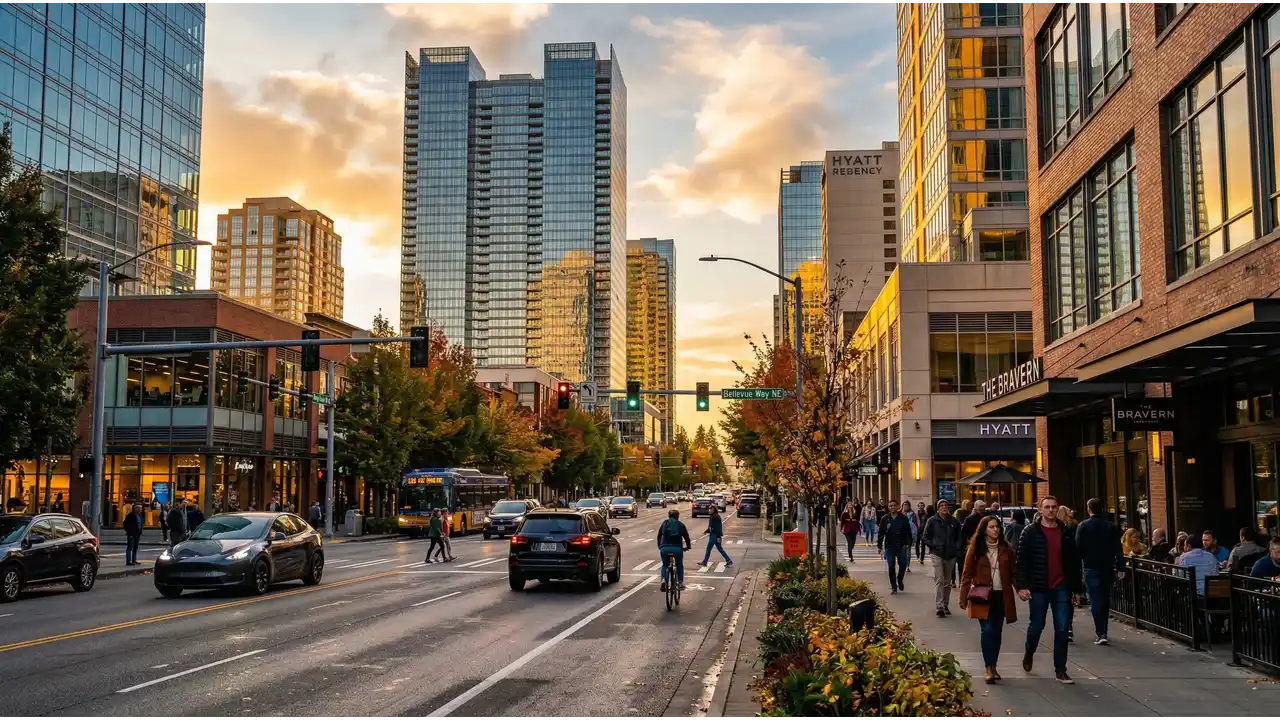
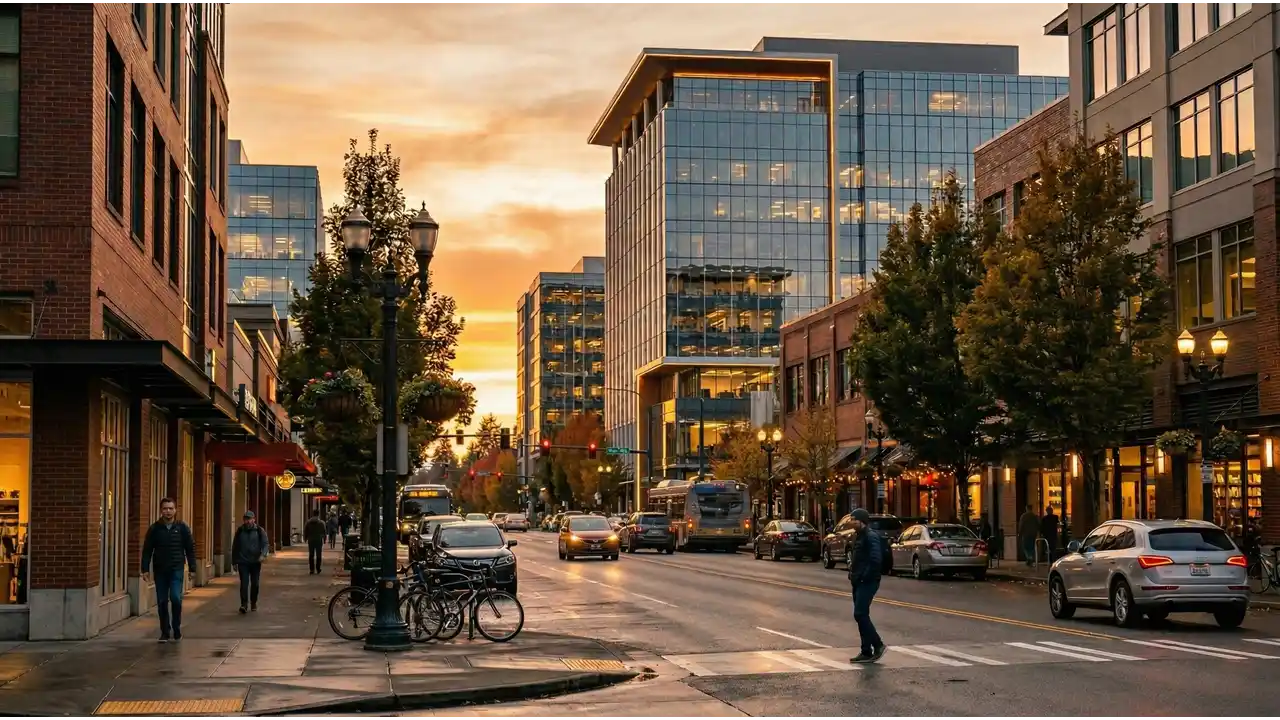
Seattle is a mid-sized Pacific Northwest city of about 750,000 people, surrounded by water and mountains. The weather is cool and rainy most of the year, with mild summers. The economy centers on technology (Amazon, Microsoft satellite offices), aerospace, and maritime industries. Daily life involves short commutes for many, though traffic has worsened. Coffee culture is serious. Neighborhoods range from dense urban cores like Capitol Hill and Ballard to quieter residential zones like Wallingford. The city draws young professionals, tech workers, and families. Public transit exists but is car-centric compared to major East Coast cities.
💡 Local Insights
Seattle · 2026
Seattle's cost of living sits at $3,950/month for a moderate lifestyle, driven primarily by housing. Rent averages $2,177/month and dominates the budget. The city has no state income tax, which offsets some costs, but housing prices have risen sharply due to tech sector demand. Groceries run around $572/month for basic shopping at chains like Safeway or QFC. Eating out is expensive; a casual meal costs $15-20. Public transit (King County Metro) is affordable at roughly $100/month for a pass, but many residents own cars due to sprawl. Neighborhoods matter significantly for rent: Capitol Hill and Fremont command premiums, while Beacon Hill, Rainier Valley, and areas south of downtown offer lower rents within the $1,800-2,200 range. Expats often pay standard local prices, though short-term rentals (Airbnb) run 30-50% higher than long-term leases. Winter months (November to March) are gray and damp; budget for mental health.
Frequently Asked Questions
How much does it cost to live in Seattle per month?
A moderate lifestyle in Seattle costs around $3,950/month. Housing accounts for $2,177/month, groceries about $572/month, and the remainder covers utilities (roughly $120-150), transportation ($80-120), and discretionary spending. A budget tier exists at $2,370/month (minimal rent, shared housing, limited dining out), while a comfortable lifestyle runs $6,123/month (larger apartment, more dining flexibility, regular entertainment). Actual costs vary based on neighborhood, household size, and spending habits.
What is the average rent in Seattle?
Average monthly rent in Seattle is $2,177/month for a moderate lifestyle. Studio and one-bedroom apartments in central neighborhoods (Capitol Hill, Ballard, Fremont) typically range from $1,900-2,400. Two-bedroom units run $2,400-2,800 in the same areas. South Seattle neighborhoods (Beacon Hill, Rainier Valley, Columbia City) offer lower rents, roughly $1,750-2,100 for a one-bedroom. Outlying areas like Shoreline or Renton drop to $1,600-1,900. These figures reflect recent market data. Furnished short-term rentals cost 30-50% more. Leases typically require first month, last month, and a security deposit equal to one month's rent.
Is Seattle cheap to live in for expats?
Seattle is moderately expensive for expats, ranking below San Francisco or New York but above most Midwestern or Southern US cities. For expats from low-cost countries (Southeast Asia, parts of Latin America), it will feel expensive. For those from London, Toronto, or Sydney, costs are comparable or slightly lower. Tech salaries in Seattle are strong (often $100,000-180,000 for mid-level roles), which makes it feasible for that demographic. Expats typically pay local market rates, not inflated "expat pricing" as in some countries. No visa tie-in to employment exists, so housing flexibility is high. The lack of state income tax helps slightly, but housing demand from the tech sector keeps rents elevated year-round.
How much does food cost per month in Seattle?
Groceries cost around $572/month for one person shopping at mainstream chains like Safeway, QFC, or Whole Foods. Basic items: milk ($3-4/gallon), bread ($2-3/loaf), chicken ($7-9/pound), eggs ($2-3/dozen), vegetables ($1-3 per item depending on season). Eating out is significantly more expensive: casual lunch $12-18, dinner at mid-range restaurant $18-28 per person. Coffee culture is strong; specialty lattes run $5-6. International neighborhoods (International District, Ballard) offer cheaper groceries at Asian or Scandinavian markets. Farmers markets operate year-round at Pike Place Market and neighborhood locations; prices are higher but quality is premium. Budget-conscious shoppers can reduce monthly food costs to $400-450 by cooking most meals.
What salary do you need to live comfortably in Seattle?
A comfortable lifestyle in Seattle requires approximately $6,123/month or roughly $73,500 annually (before taxes). This covers a modest one-bedroom apartment ($2,200-2,400), regular dining out (2-3 times weekly), entertainment and hobbies, and transportation flexibility. With the lack of state income tax, $75,000-80,000 gross salary provides genuine breathing room. Tech sector roles commonly offer $100,000-150,000+ for mid-career positions, making Seattle accessible for that workforce. A household of two earning $50,000 each can live comfortably by Seattle standards. Lower salaries ($40,000-50,000) require roommates or distant neighborhoods. The comfortable tier assumes no major debt and some savings; it is not luxurious.
How does the cost of living in Seattle compare to other places?
Seattle's moderate lifestyle costs $3,950 per month, with housing at $2,177. This places it squarely in the middle-to-upper range for U.S. cities. Los Angeles runs $4,350 monthly with housing at $2,446, making it slightly more expensive overall. Boston is notably dearer at $4,675 per month, driven partly by housing costs of $2,813. If you're considering a move for affordability, Jacksonville offers real savings at $2,850 monthly with housing at $1,253, roughly a third less than Seattle's housing costs. Seattle's expense reflects its strong job market and desirable neighborhoods, but you'll pay substantially more here than in smaller metros while spending less than coastal peer cities like Boston.
Yes, but with significant constraints. The $2,370/month budget tier requires shared housing (rooms $1,000-1,300/month) or a studio in outer neighborhoods, minimal dining out (home cooking nearly every meal, groceries around $450), public transit only, and limited entertainment. A one-bedroom apartment solo is not feasible on this budget after covering food, utilities, and basics. This tier works for students, roommate-based households, or those receiving subsidized housing. It demands discipline: no car ownership, no subscription services, no regular restaurants or bars. Many Seattle residents on lower incomes use this approach. It is livable but leaves little room for emergencies or savings. Those earning $30,000-35,000 annually often live this way in Seattle; the gap to a comfortable lifestyle is significant.