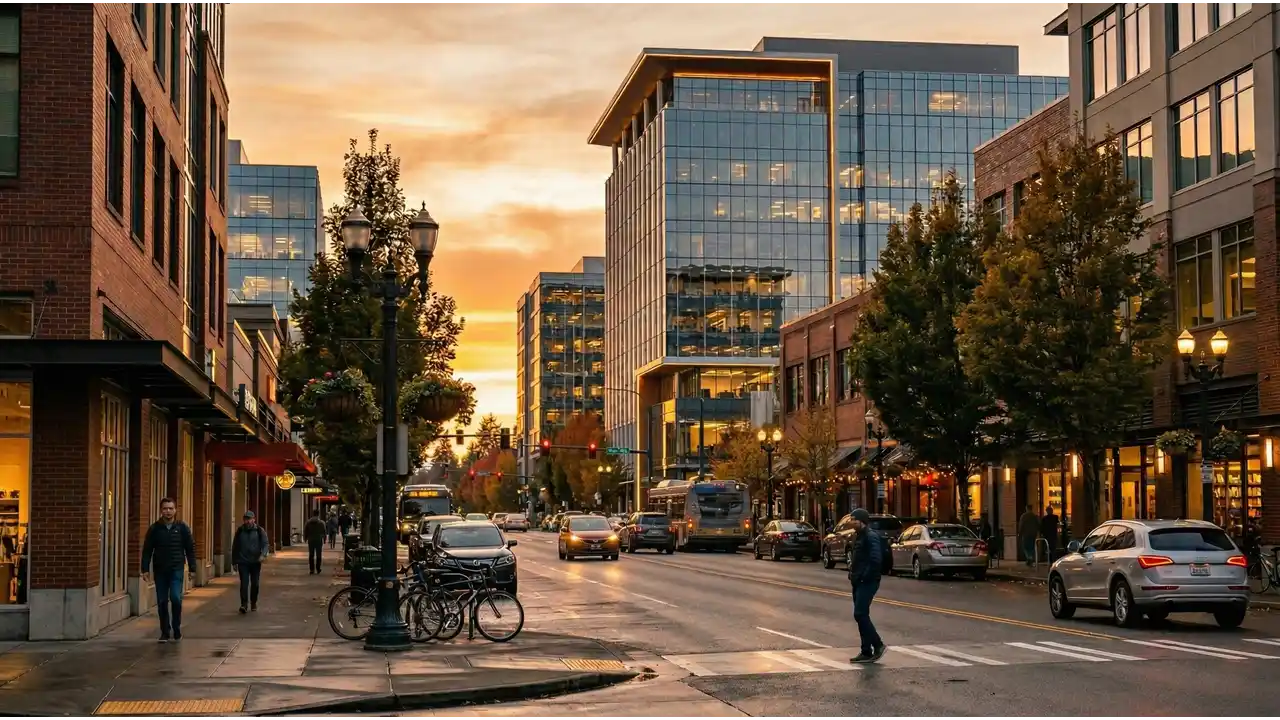
Spokane is a mid-sized city in eastern Washington with around 230,000 residents, serving as a regional hub for healthcare, education, and light manufacturing. Winters are cold and dry, summers warm and dry. The city has a downtown core with historic neighborhoods, strip malls and car-dependent sprawl in outer areas, and proximity to outdoor recreation (lakes, hiking). Most residents drive; public transit is minimal. The population is predominantly white, middle-class, and includes retirees, young families, and college students. Daily life centers around work, school, shopping at big-box stores, and weekend trips to nearby mountains or lakes.
💡 Local Insights
Spokane · 2026
Spokane's cost of living sits comfortably below the US average, primarily because housing and land remain affordable compared to coastal metros. A moderate budget of $2,975/month covers stable housing, food, transport, and some entertainment. Housing averages $1,207/month and drives cost variation most sharply. Apartments in downtown or South Hill neighborhoods run higher (around $1,300 to $1,400 for one-bedroom), while areas further east or north offer $950 to $1,100. Grocery costs at $570/month reflect national pricing; local chains like Safeway and Albertsons match regional averages. Eating out is cheaper than Seattle or Portland. Transport is car-dependent; most residents own vehicles and budget for gas, insurance, and maintenance. Public transit (Spokane Transit Authority) exists but covers limited routes. Property taxes are moderate. No state income tax in Washington is a real financial advantage. Expats often find Spokane surprisingly affordable; the tradeoff is smaller job market and cultural amenities compared to larger metros.
Frequently Asked Questions
How much does it cost to live in Spokane per month?
A moderate monthly budget for Spokane is $2,975. This covers rent or mortgage ($1,207), groceries and food ($570), utilities (typically $120 to $150), transport including car ownership or transit ($400 to $500), and discretionary spending on dining out, entertainment, and personal care. A tighter budget is possible at $1,785/month if you minimize housing and eat mostly at home. A comfortable lifestyle, with a nicer apartment or house, eating out regularly, and more activities, runs around $4,611/month. Individual costs vary by neighborhood and personal choices.
What is the average rent in Spokane?
Average rent in Spokane is $1,207/month across the city. Downtown and South Hill (the most desirable neighborhoods) rent one-bedroom apartments for $1,300 to $1,450. Central neighborhoods like Browne's Addition and the Garland District run $1,150 to $1,250. East Spokane and North Spokane are cheaper, with one-bedrooms at $950 to $1,100. Two-bedroom apartments range from $1,300 to $1,700 depending on location. Single-family home rentals start around $1,400 and go higher. Vacancy rates are typically moderate, so negotiating lease terms is sometimes possible. Utilities add $120 to $150 per month beyond rent.
Is Spokane cheap to live in for expats?
Yes, Spokane is significantly cheaper than major expat hubs like Seattle, San Francisco, or Portland. A moderate budget of $2,975/month is achievable without cutting major corners. Housing ($1,207/month) is the main advantage. Expats should expect a smaller international community, fewer ethnic restaurants and services, and a car-dependent lifestyle compared to denser metros. No state income tax in Washington is financially meaningful for earners. Job market is weaker, particularly for specialized work. For remote workers or retirees, Spokane offers real affordability; for those seeking job opportunities or cultural diversity, Seattle or Portland may be worth the higher costs.
How much does food cost per month in Spokane?
Groceries cost approximately $570/month for a single person on a moderate budget. A week of basic groceries (bread, eggs, chicken, beef, beans, rice, seasonal vegetables, milk, cheese) runs $100 to $130 depending on store choice. Safeway and Albertsons are standard; Costco offers bulk discounts for members. Whole Foods and farmers markets are more expensive. Eating out is cheaper than Seattle: casual lunch $12 to $15, dinner $18 to $28, fast food around $8 to $10. Alcohol (beer, wine) is moderately priced. Food costs are fairly consistent with national averages; no regional surprise either way.
What salary do you need to live comfortably in Spokane?
A comfortable lifestyle in Spokane costs around $4,611/month, suggesting a gross annual salary of $55,000 to $65,000 (accounting for taxes, which are lower in Washington due to no state income tax). This budget allows for a nicer rental ($1,400 to $1,600), eating out frequently, moderate entertainment and travel, and an emergency fund. For a couple, combined income of $80,000 to $100,000 provides solid comfort. Median household income in Spokane is around $58,000, so comfortable living is achievable for above-average earners. Lower salaries require careful budgeting; higher salaries allow significant savings or upgraded housing and lifestyle.
How does the cost of living in Spokane compare to other places?
Spokane's moderate lifestyle costs $2,975 per month, positioning it squarely in the middle tier of US cities. It's meaningfully cheaper than Los Angeles, where a moderate lifestyle runs $4,350 per month, but noticeably more expensive than El Paso at $2,450 per month. Las Vegas is the closest comparison at $2,825 per month, making it slightly cheaper than Spokane overall.
Housing tells a similar story. Spokane's moderate-tier rent is $1,207 per month, compared to $2,446 in Los Angeles and $912 in El Paso. Las Vegas housing runs $1,230 per month, nearly identical to Spokane. If you're coming from a coastal metro or Southwest sunbelt city, Spokane will feel like genuine savings. If you're relocating from smaller Mountain West towns, expect your budget to rise.
Yes, but with discipline. The budget tier of $1,785/month is tight but viable. You would rent a studio or one-bedroom outside downtown (expect $850 to $950), spend $400 to $450 on groceries and basic food, keep utilities and phone to $120, and have little left for transport, entertainment, or savings. A car is nearly essential; public transit alone may not suffice. This budget works for students, remote workers with low spending, or those with roommates (splitting $1,200 to $1,400 rent brings costs down further). No margin for emergencies. Most people find $2,400 to $2,600/month much more sustainable.