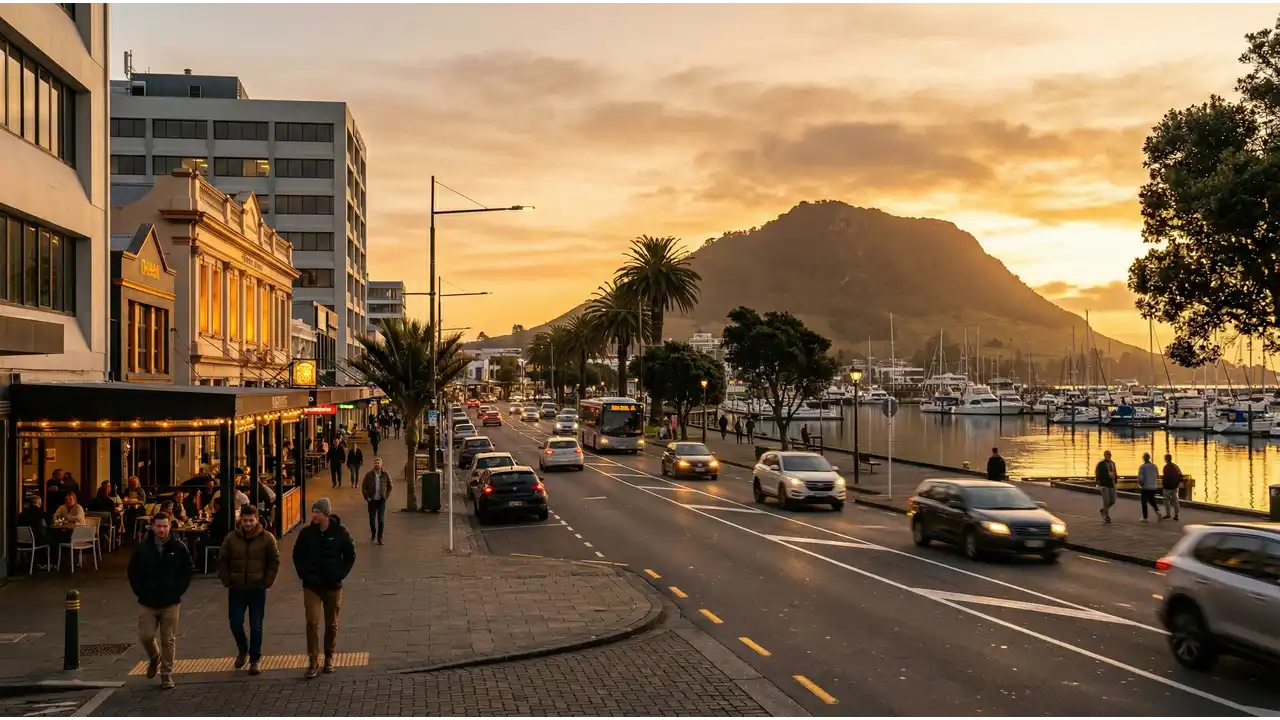
Tahiti is the largest island in French Polynesia, located in the South Pacific about 3,200 miles southeast of Hawaii. It serves as the administrative and economic center of the territory, with the capital Papeete functioning as the main urban hub. The population is roughly 280,000 across the archipelago, with most concentrated on Tahiti and Moorea. Daily life centers on the coast; the interior is mountainous and largely uninhabited. The climate is tropical, warm year-round with a wet season from November to April. Most residents speak French and Tahitian, though English is increasingly common in tourism and business. Life moves at a slower pace than major Western cities, with strong ties to Polynesian culture alongside French colonial influences.
💡 Local Insights
Tahiti · 2026
Tahiti's cost of living reflects its geographic isolation and dependence on imports. A moderate lifestyle costs $2,625 per month, with housing at $1,182 and groceries at $465. Housing dominates the budget because nearly everything is rented; property ownership is complicated by customary land claims and French legal frameworks. Rental stock varies sharply by neighborhood. Central Papeete and the waterfront command premium prices, while areas like Arue or Pirae offer modest savings. Food costs are structural: French Polynesia imports 80 percent of its food, driving retail prices far above mainland France or North America. Local produce (breadfruit, coconut, tropical fruit) is cheaper at markets than imported goods. Expats often pay 10 to 20 percent more for familiar Western products. Transportation relies on rental cars (limited public transit), ferries between islands, or domestic flights. Local wages are lower than metropolitan France, which creates a two-tier pricing system: locals pay different rates at some establishments. Internet and utilities are expensive. The French Pacific franc (CFP) is pegged to the euro, making Tahiti expensive for dollar-based budgets.
Frequently Asked Questions
How much does it cost to live in Tahiti per month?
A moderate lifestyle in Tahiti costs $2,625 per month. Housing runs $1,182 per month, groceries $465 per month, and the remainder covers transport, utilities, dining out, and personal expenses. A tighter budget of $1,575 per month is possible but requires cutting housing significantly, cooking nearly all meals, and avoiding frequent island-hopping. A comfortable lifestyle costs $4,069 per month and allows for more dining out, regular interisland travel, and discretionary spending. Exchange rate fluctuations affect real costs for expats earning outside French Polynesia.
What is the average rent in Tahiti?
Average rent is $1,182 per month. Studio and one-bedroom apartments in central Papeete or waterfront areas range from $900 to $1,400 per month; older buildings or shared accommodations may run $700 to $950. Outside Papeete, in neighborhoods like Arue or Pirae, rentals drop to $800 to $1,100. Two-bedroom family homes range from $1,200 to $1,800. Rental agreements typically require proof of income and a local guarantor. Long-term leases (12 months or more) offer better rates than short-term. Furnished rentals cost more. Very few properties accept month-to-month terms.
Is Tahiti cheap to live in for expats?
No. Tahiti is expensive for expats, especially those on North American or Australian salaries. At $2,625 per month for a moderate lifestyle, it costs significantly more than Thailand, Mexico, or Portugal, and roughly matches urban Australia or New Zealand. If you earn in euros or French salaries, costs feel lower. If you earn in dollars or other currencies, inflation compounds. Healthcare is good but expensive. Expats report that small conveniences (imported cheese, coffee, electronics) carry 30 to 50 percent markups. Utility bills and internet are notably high. The main savings versus Europe or North America come from fresh tropical fruit and fish at markets, not overall living costs.
How much does food cost per month in Tahiti?
Groceries average $465 per month. This assumes cooking at home, shopping at supermarkets and local markets, and eating seasonal tropical produce. Imported goods (cheese, butter, cereal, meat) cost 30 to 40 percent more than in mainland France. Fresh local fish costs $8 to $12 per pound; tropical fruit and vegetables at outdoor markets run $1 to $3 per pound. Dining out is expensive: a meal at a casual restaurant costs $12 to $18, while mid-range establishments charge $25 to $40. A beer at a bar costs $4 to $6. Buying imported Western groceries can push monthly food spending to $600 or $700.
What salary do you need to live comfortably in Tahiti?
A comfortable lifestyle costs $4,069 per month, suggesting a gross monthly income of $5,200 to $5,500 to account for taxes and savings. This tier allows dining out regularly, occasional travel between islands, car rental, and discretionary purchases without tight budgeting. For families, add $1,200 to $1,500 per child monthly for schooling, childcare, and activity costs. Those earning local Tahitian wages (typically $1,800 to $2,500 monthly) live modestly. Expats working remotely or drawing overseas income have a clear advantage. French government employees and private-sector workers in tourism or finance earn higher local salaries that better match comfortable budgets.
How does the cost of living in Tahiti compare to other places?
Tahiti runs $2,625 per month for a moderate lifestyle, with housing at $1,182 per month. That puts it squarely in the middle of the Pacific cost bracket. Fiji is significantly cheaper at $1,350 monthly, making it the budget option if you're comparing island destinations. Australia sits at $2,800 per month with housing at $1,382, so it's roughly comparable to Tahiti overall, though slightly dearer. The Bahamas is meaningfully more expensive at $3,625 per month, with housing alone hitting $2,058. If you're moving from a developed country, Tahiti will feel expensive. Most costs stem from import dependence, particularly for food and goods. If you're comparing it to other Pacific islands or Australia, expect to pay a moderate premium for the French Polynesian lifestyle, but you're not entering the highest cost-of-living tier globally.
Yes, but with real constraints. This is the budget tier and requires discipline. Rent drops to $600 to $800 monthly by sharing accommodation, living outside Papeete, or securing subsidized employer housing. Groceries stay near $350 by cooking exclusively from local markets and avoiding imported goods. Transport relies on walking, public transport, or a shared car. No frequent dining out, no interisland travel, minimal entertainment spending. Healthcare and unexpected expenses create stress on this budget. Locals manage it because wages are lower and they have family safety nets. Expats on this budget report feeling squeezed and often supplement with remote work or dip into savings.