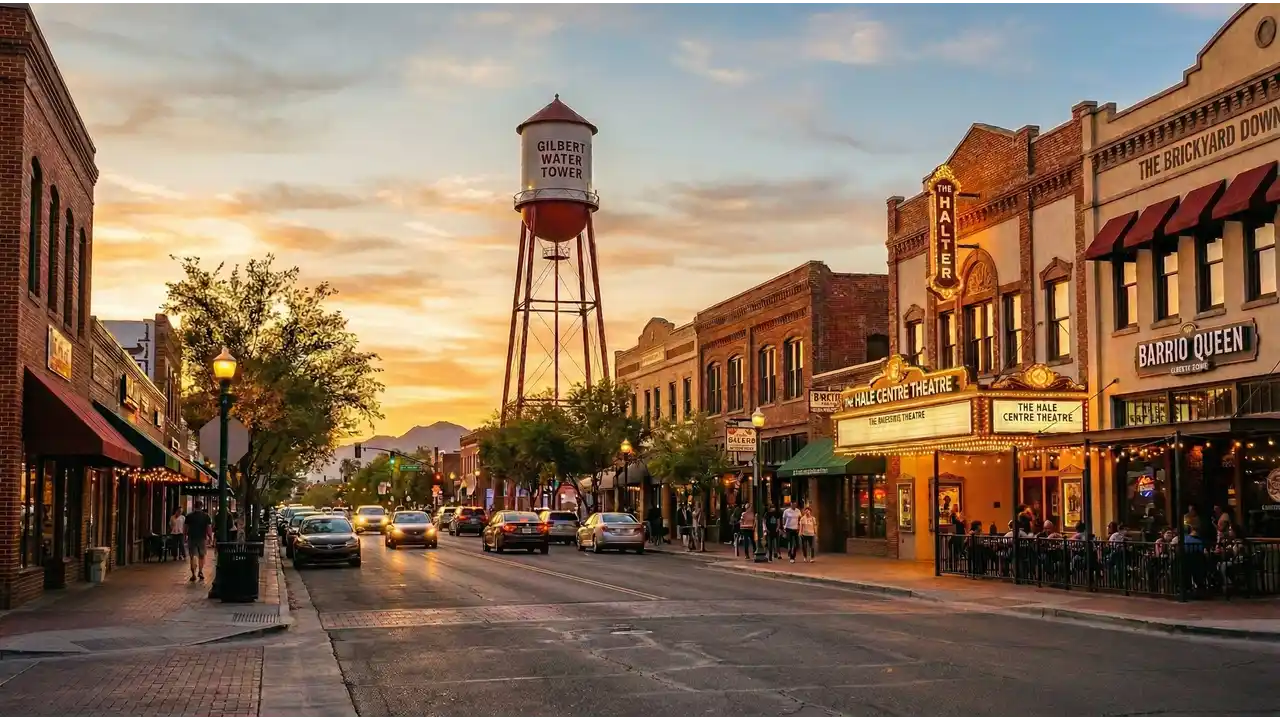
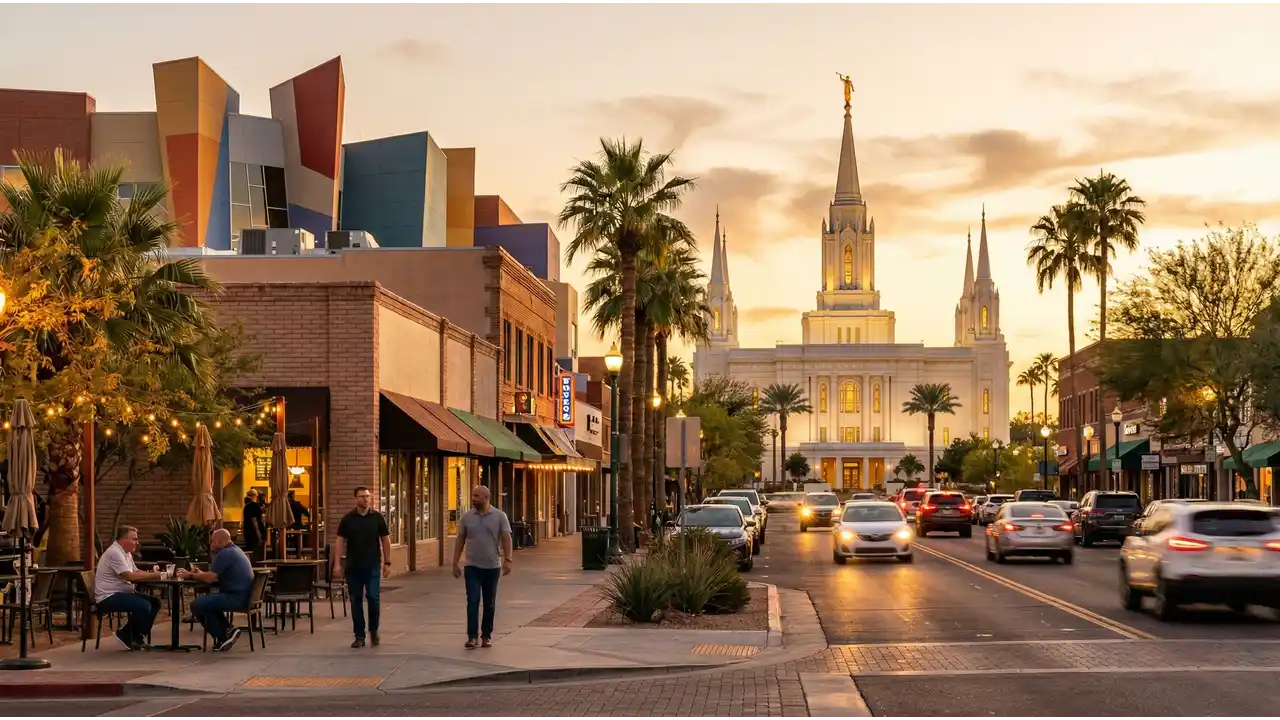
Tucson is a desert city in southern Arizona with a population around 545,000. The character is laid-back and economical compared to Phoenix or coastal US cities. The University of Arizona anchors the midtown area and brings a younger demographic. Summers are intensely hot (110°F+ common), winters mild. The city has a substantial Hispanic population and Mexican cultural influence visible in food, architecture, and street life. Daily life revolves around driving; public transit exists but is limited. Neighborhoods range from historic infill downtown to sprawling suburbs. The pace is slower than major metros, and outdoor recreation (hiking, desert landscapes) is accessible.
💡 Local Insights
Tucson · 2026
Tucson's affordability stems from lower real estate demand than Phoenix, limited public transit forcing car ownership costs, and a smaller job market that keeps wages modest. Housing at $930/month reflects a mix of older multifamily units, suburban rentals, and homes in transition neighborhoods. Newer apartments in central locations (midtown, university area) run $950-1,100 for a one-bedroom; older or south-side units $750-850. Buying is cheaper per square foot than most US metros but still requires financing. Groceries at $523/month are close to national average. Eating out is economical, especially at independent Mexican restaurants ($8-12 for a meal) and chain options. Car ownership is near-essential outside downtown; gas, insurance, and maintenance add $400-600/month to budgets. The trade-off is that Tucson offers genuine affordability in a real city, not a booming market where costs rise monthly.
Frequently Asked Questions
How much does it cost to live in Tucson per month?
A moderate lifestyle in Tucson costs $2,550/month. This covers housing at $930/month, groceries at $523/month, utilities around $150, transportation roughly $450, and discretionary spending. A tighter budget of $1,530/month is possible by sharing housing, minimizing transport, and cooking most meals. A comfortable lifestyle targeting more amenities, dining out, and leisure runs $3,953/month. Most residents fall between moderate and comfortable depending on housing choices and car usage.
What is the average rent in Tucson?
Average housing costs sit at $930/month, reflecting Tucson's position as one of the more affordable US cities. A one-bedroom apartment in central neighborhoods (midtown, university area) typically rents $950-1,100/month. South-side or older stock runs $750-900/month. Two-bedroom units average $1,100-1,300/month. Single-family home rentals start around $1,000/month and climb to $1,500+ in better areas. Prices vary by neighborhood age and amenities; downtown infill generally costs more than sprawling suburbs.
Is Tucson cheap to live in for expats?
Tucson is genuinely affordable compared to expat hubs like San Francisco, Austin, or Denver, though housing costs have risen. It ranks cheaper than most major US metros. For expats from high-cost countries (UK, Australia, Canada, Northern Europe), Tucson feels inexpensive, especially for housing and dining. The catch is the car-dependent layout, which adds ongoing costs expats may not anticipate. Retirees and remote workers find Tucson practical; those seeking dense walkability may find the sprawl frustrating regardless of cost.
How much does food cost per month in Tucson?
Groceries average $523/month for one person eating a mix of proteins, produce, staples, and occasional prepared foods. Milk is roughly $3.50/gallon, eggs $3-4/dozen, chicken breast $6-7/pound, ground beef $5-6/pound. Supermarkets include Sprouts, Safeway, and regional chains; ethnic markets (Mexican, Asian) offer lower prices on specific items. Eating out is economical: casual Mexican restaurants average $8-12 per plate, chain restaurants $12-16. Coffee shops run $3-5. A monthly dining-out budget of $300-400 is sustainable on moderate income.
What salary do you need to live comfortably in Tucson?
A comfortable lifestyle costs $3,953/month, suggesting a gross monthly income of roughly $5,200-5,500 (accounting for taxes and contingency). That translates to an annual salary around $62,500-66,000. This budget covers housing, utilities, groceries, regular dining out, entertainment, and a car. Many professionals in healthcare, education, and tech in Tucson earn $55,000-75,000 annually. Remote workers earning US salaries while living in Tucson can live well above comfortable. Single-income household stability typically requires the comfortable tier or higher.
How does the cost of living in Tucson compare to other places?
Tucson sits in the moderate range for US cities. A moderate lifestyle here costs $2,550 per month, with housing at $930 monthly. That puts it slightly above Oklahoma City, where a moderate lifestyle runs $2,400 with housing at $891. Both are genuinely affordable compared to many larger metros.
If you're considering extremes, Anchorage, Alaska is substantially dearer at $3,375 for a moderate lifestyle and $1,282 for housing. On the other end, you'd need to look internationally. Yokohama, Japan costs $1,675 monthly at the moderate tier with housing at $603, but that's a different cost structure and currency altogether.
For most people relocating within the US, Tucson offers solid value without the sacrifices of truly cheap markets or the premiums of coastal cities.
Yes, but with careful choices. This budget is the lean tier and requires roommates or a studio apartment at $600-750/month, cooking nearly all meals ($300/month groceries), no car, and minimal discretionary spending. Public transit exists but is slow and limited; living walkable to work or using a bicycle is essential. Utilities, phone, and basic insurance consume another $150. This leaves roughly $330 for everything else: entertainment, clothing, healthcare. It works for students, minimalists, or those with supplementary income but offers little flexibility or comfort.