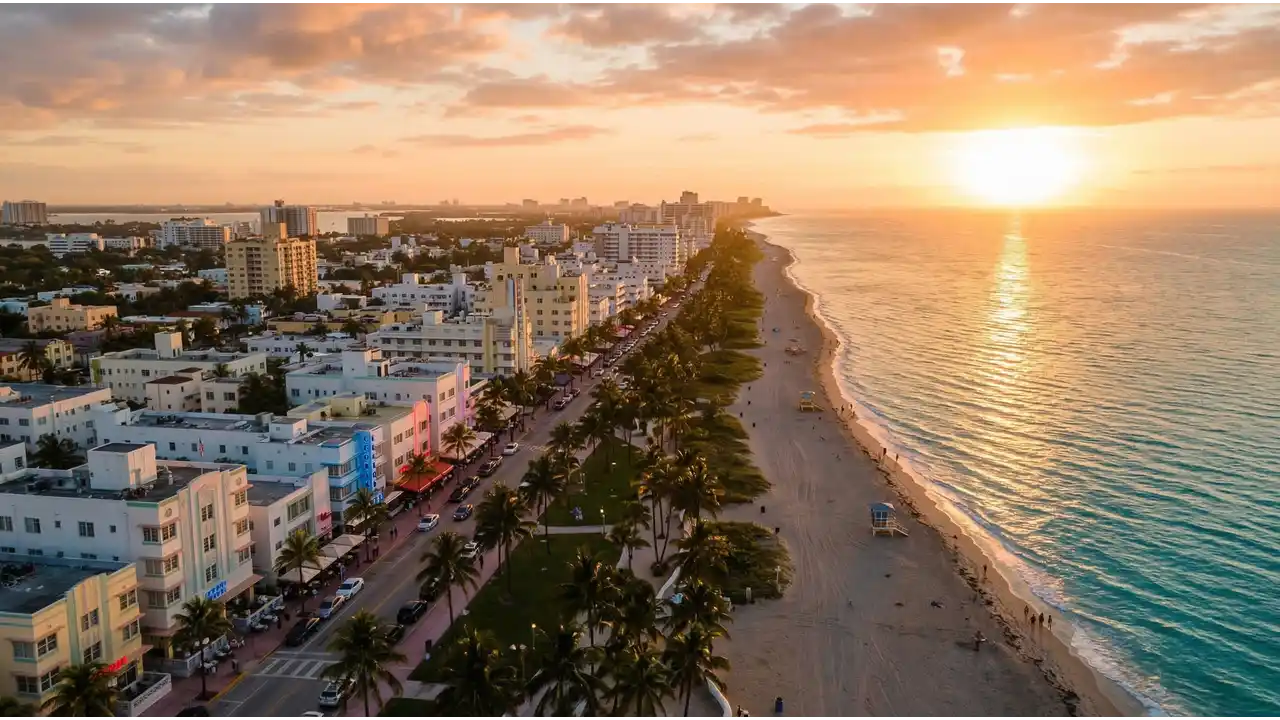
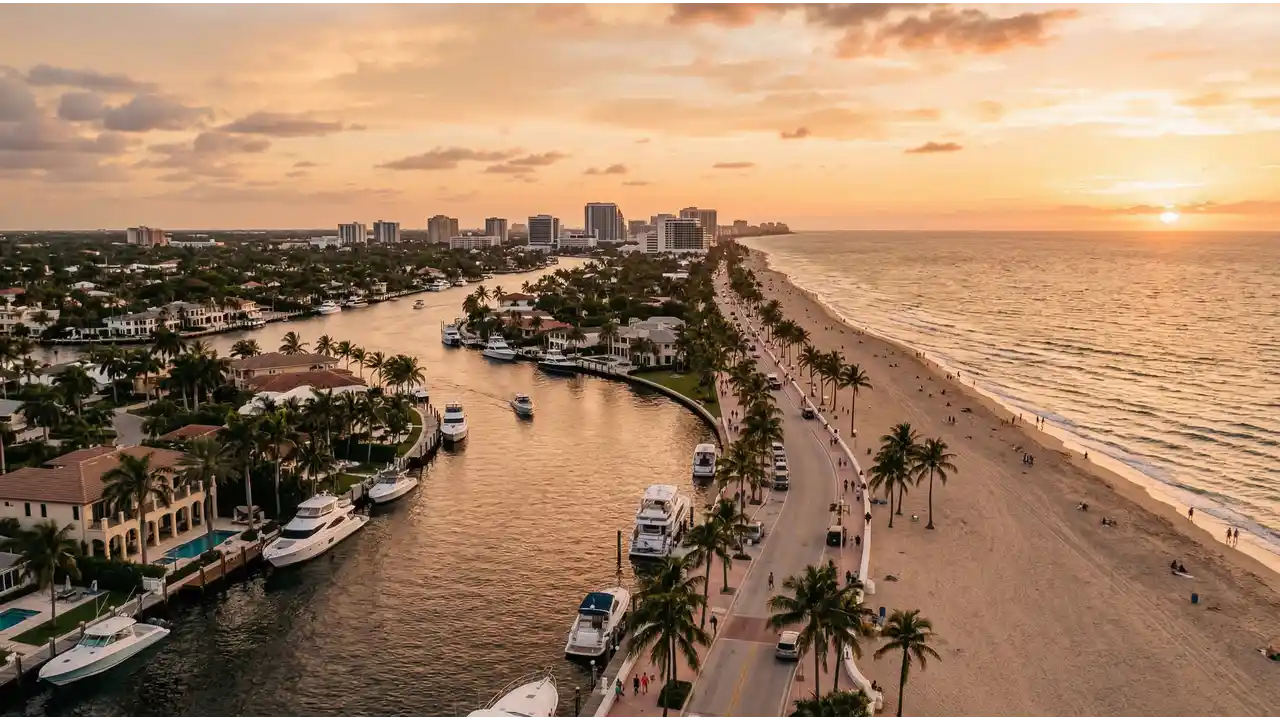
The US Virgin Islands consists of three main islands: St. Croix, St. John, and St. Thomas. It functions as an unincorporated US territory with no state income tax on local earnings, which draws retirees and remote workers. The climate is tropical year-round, with hurricane season running June through November. Daily life centers on island time and water access. Most residents speak English, though you will hear Spanish. Infrastructure is functional but limited. Grocery stores stock American goods alongside Caribbean imports. Roads are narrow and driving is on the left side. The islands feel both American and Caribbean at once, with a laid-back pace that takes adjustment.
💡 Local Insights
US Virgin Islands · 2026
The USVI is expensive compared to the US mainland, but not the most costly island destination. Housing costs around $989/month for a moderate setup, though this varies sharply by island and whether you rent a villa, apartment, or house. St. Thomas (home to Charlotte Amalie) and St. John tend toward the higher end. St. Croix offers more affordable rental options. Groceries run about $552/month because most food is imported. Electricity is particularly high due to reliance on diesel generators, often adding $200-300/month to housing costs. Local produce and fish at farmer markets cost less than supermarkets. No state income tax applies to bona fide residents on local-source income, a major draw for remote workers. Healthcare and professional services reflect US pricing. Transportation is informal: taxis, car rentals, or private ownership. Public transit exists but is limited. Expat pricing happens at restaurants and tourist areas, but local spots offer better value.
Frequently Asked Questions
How much does it cost to live in US Virgin Islands per month?
A moderate lifestyle costs around $2,700/month. This breaks down roughly as: housing $989/month, groceries $552/month, and utilities, transport, dining, and personal expenses making up the remainder. A budget lifestyle runs $1,620/month, suitable only for those sharing housing or eating very simply. A comfortable lifestyle reaches $4,185/month, which includes dining out regularly, car ownership, and travel flexibility. Actual costs depend heavily on which island you choose and your lifestyle choices.
What is the average rent in US Virgin Islands?
Average rent sits around $989/month for a moderate setup. A studio or one-bedroom apartment in less touristy areas of St. Thomas runs $800-$1,200/month. St. Croix offers lower rents, often $700-$1,000/month for comparable space. St. John is priciest due to its size and appeal, with limited rentals starting around $1,100/month. Villas and larger homes command $1,500-$3,000/month or more. Most leases run annually and require first, last, and security deposit upfront. Furnished rentals cost more. Utilities are not included and add significantly.
Is US Virgin Islands cheap to live in for expats?
No. The USVI is expensive compared to the continental US and significantly pricier than most Caribbean nations like Dominican Republic or Puerto Rico. However, it appeals to expats for its US legal system, currency, and no state income tax on local earnings, not for affordability. For remote workers with US or international income, the tax benefit often justifies higher living costs. For retirees on fixed income, the USVI is manageable if carefully budgeted. Compare it against Miami or Hawaii for perspective, not cheaper Caribbean islands.
How much does food cost per month in US Virgin Islands?
Groceries average $552/month for one person eating simply. A dozen eggs costs $4-6, milk $4-5 per gallon, chicken $7-10 per pound. Local produce at farmer markets is cheaper than supermarkets. A meal at a casual local restaurant runs $12-18. Tourist-area restaurants charge $25-50 per entree. Eating out regularly can double your food budget quickly. Buying at Pueblo Supermarket or Cost-U-Less (bulk warehouse) saves money. Fish and local vegetables are cheaper than imported goods.
What salary do you need to live comfortably in US Virgin Islands?
A comfortable lifestyle costs around $4,185/month, suggesting a gross monthly income of $5,000-$5,500 or annual salary of $60,000-$66,000+ to cover taxes and savings. This budget allows dining out regularly, car ownership with fuel and insurance, occasional travel, and modest entertainment. Remote workers earning US salaries find this comfortable. Those on local USVI wages (typically lower than mainland equivalents) struggle to reach this comfortably. Self-employed individuals should budget for health insurance, which is not universally provided.
How does the cost of living in US Virgin Islands compare to other places?
A moderate lifestyle in the US Virgin Islands costs $2,700 per month, with housing running $989 monthly. This puts the territory slightly above Indiana, where a moderate lifestyle is $2,575 with housing at $993 per month. The US Virgin Islands is notably more expensive than West Virginia, where $2,150 covers a moderate lifestyle and housing costs just $627. If you're considering Washington, understand that it's significantly dearer: a moderate lifestyle there runs $3,725 with housing at $1,959 per month. The US Virgin Islands occupies middle ground within the US, more costly than some mainland states but less expensive than high-cost coastal areas. Your actual expenses will depend on your specific choices around dining, transportation, and whether you're renting or buying.
Can you live in US Virgin Islands on $1,620/month?
Yes, but barely, and only with significant constraints. This budget tier requires shared housing to reduce rent below $600/month, eating exclusively groceries and local spots, no car ownership, and minimal entertainment. A single person would live frugally. Couples can stretch it further by sharing costs. This budget assumes no emergencies, healthcare beyond basics, or travel. It works for those with free housing or those willing to live very simply. Most people find it unsustainable long-term without additional income or a significant reduction in lifestyle expectations.