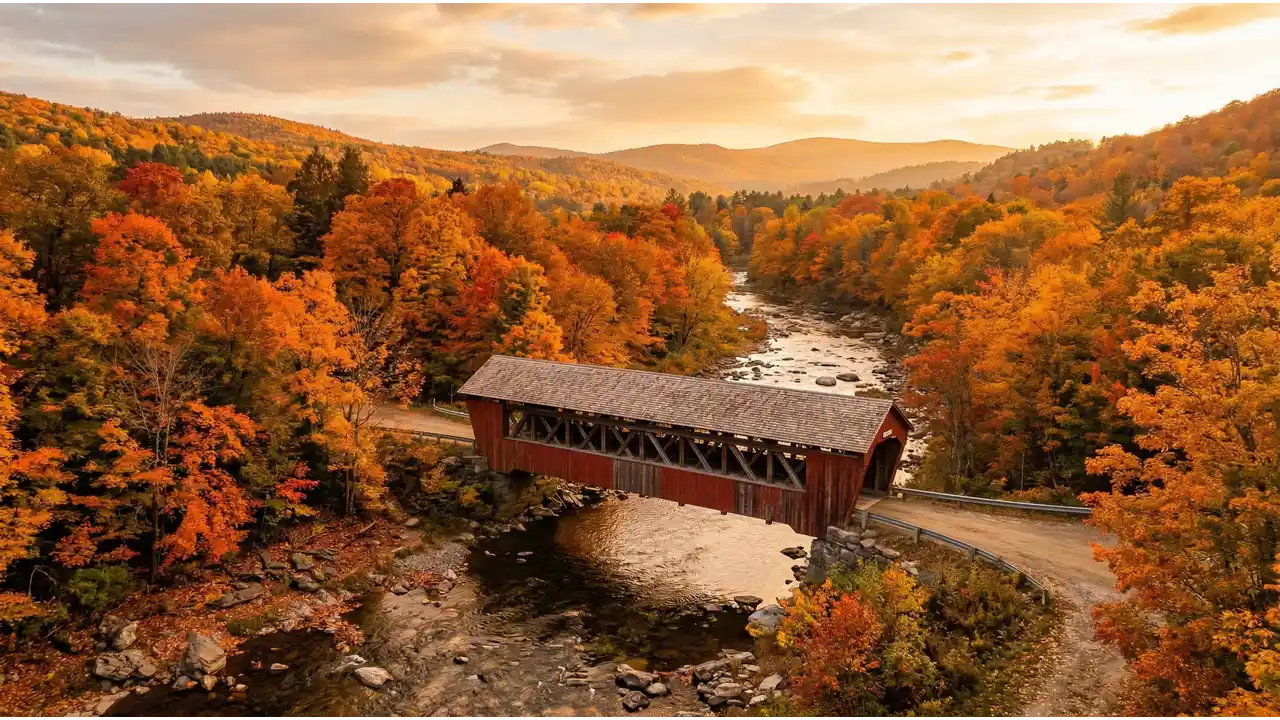
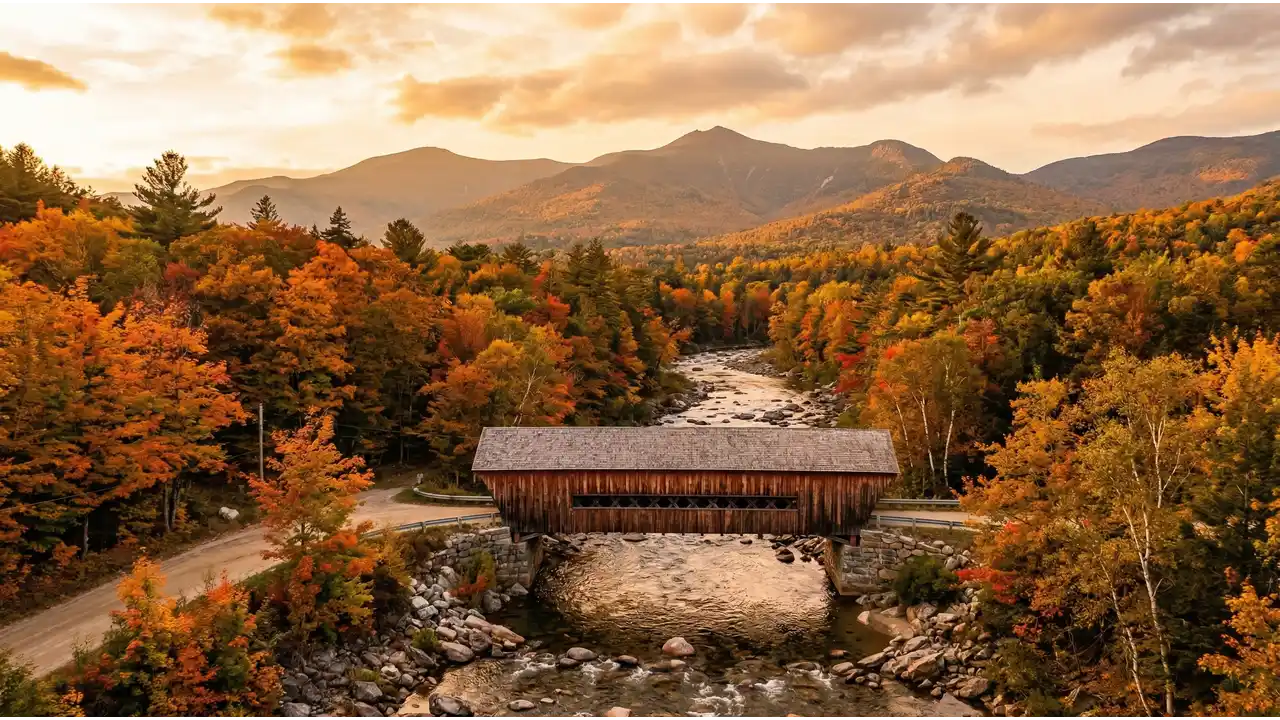
Vermont is a rural, mountainous state in the Northeast with a population around 645,000. Winters are long and cold, summers mild. The economy centers on dairy farming, maple syrup, tourism, and small manufacturing. Daily life revolves around outdoor recreation: skiing, hiking, local farmers markets. Towns are small, walkable, and tight-knit. Housing ranges from farmhouses to modern condos. Most residents own cars. Burlington, the largest city, has about 45,000 people and offers restaurants, culture, and nightlife. Much of the state feels quiet and agricultural, especially outside summer.
💡 Local Insights
Vermont · 2026
Vermont is moderately priced for the Northeast, but housing and heating are the main cost drivers. A moderate lifestyle runs $2,950/month. Housing averages $1,244/month (rent or mortgage-equivalent), making it less expensive than Boston or New York City but pricier than much of the US Midwest. Long winters mean higher utility bills, especially for heating oil or propane in rural areas. Groceries cost around $550/month for a single adult buying basics at supermarkets like Village Market or Hannaford. Farmers markets and local producers offer cheaper seasonal vegetables in summer and fall. Public transit is limited outside Burlington. Most people need a car, adding insurance, fuel, and maintenance costs. Childcare and healthcare are available but not cheap. Expat salaries often match US rates, so foreign workers don't get special pricing advantages. Seasonal tourism (winter skiing, fall foliage) drives up prices in certain areas and times. Jobs tend to pay less than Boston or New York, so compare salary offers carefully against these living costs.
Frequently Asked Questions
How much does it cost to live in Vermont per month?
A moderate lifestyle costs $2,950/month. This covers housing at $1,244/month, groceries at $550/month, utilities, transport, and entertainment. On a budget tier of $1,770/month, you live very frugally: shared housing or a small apartment, minimal dining out, and limited recreation. The comfortable tier of $4,573/month allows for a nice home, regular restaurant meals, travel, and hobbies. Actual costs vary widely by location. Montpelier and Stowe are more expensive. Rural counties are cheaper. Winter heating can spike monthly expenses by $100 or more in colder years.
What is the average rent in Vermont?
Average rent is around $1,244/month, based on current data. A one-bedroom apartment in Burlington runs $900 to $1,100/month. Two-bedroom apartments range from $1,200 to $1,500/month. Outside Burlington in towns like Montpelier or Rutland, rent drops to $700 to $950/month for one-bedroom units. Rural farmhouses and rentals can be cheaper, $600 to $800/month, but often lack modern amenities or utilities included. Home purchase prices average $350,000 to $450,000 statewide, higher in ski towns. Summer tourism season can bump short-term rental rates 30 percent higher. Landlord approval timelines are slow, so start searching early.
Is Vermont cheap to live in for expats?
Vermont is moderately priced compared to coastal US cities, but not cheap compared to most of Europe, parts of Asia, or Latin America. If you're coming from London or Toronto, you'll save money. If you're relocating from Thailand or Portugal, costs will feel steep. Expats typically earn US salaries, which helps, but they don't receive special local pricing. Healthcare is good but expensive without insurance. Schools are solid and free to residents. The main appeal is lifestyle and safety, not affordability. Consider it a middle-ground destination: cheaper than major metros, more expensive than most developing countries.
How much does food cost per month in Vermont?
Groceries average $550/month for one adult buying basics. Milk costs $3 to $4 per gallon. Eggs run $3 to $4 per dozen. Ground beef is $5 to $6 per pound. Apples and seasonal produce are cheaper in fall, more expensive in winter when supplies come from distant farms. Eating out costs $12 to $18 for casual lunch, $20 to $35 for dinner at a mid-range restaurant. Coffee is $2 to $3.50. Farmers markets in summer and early fall offer better prices on produce. Burlington and Montpelier have more restaurants and food options than smaller towns. Many Vermonters cook at home to manage food budgets.
What salary do you need to live comfortably in Vermont?
A comfortable lifestyle costs $4,573/month, or about $55,000/year gross. This allows a nice apartment or home, regular dining out, hobbies, and modest travel. For a family of four, comfortable living is closer to $80,000 to $95,000/year, depending on childcare and school choices. Median household income in Vermont is roughly $70,000, so comfortable living is achievable on a full-time professional salary. Teachers, nurses, and skilled trades earn $45,000 to $65,000/year and manage comfortably. Very high earners (over $100,000/year) live well and can afford ski resorts, second homes, and significant travel.
How does the cost of living in Vermont compare to other places?
Vermont's moderate lifestyle costs $2,950 per month, with housing at $1,244. This puts it in the middle of the Northeast. Rhode Island, a peer state, runs $2,850 monthly with housing at $1,141, so it's slightly cheaper overall but not dramatically different. If you're comparing to the broader US, Iowa comes in substantially lower at $2,375 per month and $840 for housing. On the other end, Hawaii's moderate lifestyle reaches $4,125 monthly with housing at $1,881, reflecting the cost pressures of island living. Vermont's expenses reflect typical New England pricing: higher than much of the country, but below the extremes you'll find in major coastal metros or Hawaii. Your actual costs will vary based on which town you choose (Montpelier differs from rural Stowe) and your specific spending habits.
Yes, but tightly. The budget tier of $1,770/month requires shared housing ($600 to $800/month), cooking all meals at home, no car ownership or very low car costs, and minimal entertainment. You'll need reliable public transit or carpool, which limits location options mainly to Burlington or larger towns. This budget works for students or single people with minimal debt and no dependents. Unexpected costs (car repair, medical, heating) create stress. Seasonal work may provide income but reduces stability. It's feasible in rural areas with lower rent, but job options shrink. Plan for modest emergency savings; one $500 surprise will break this budget.