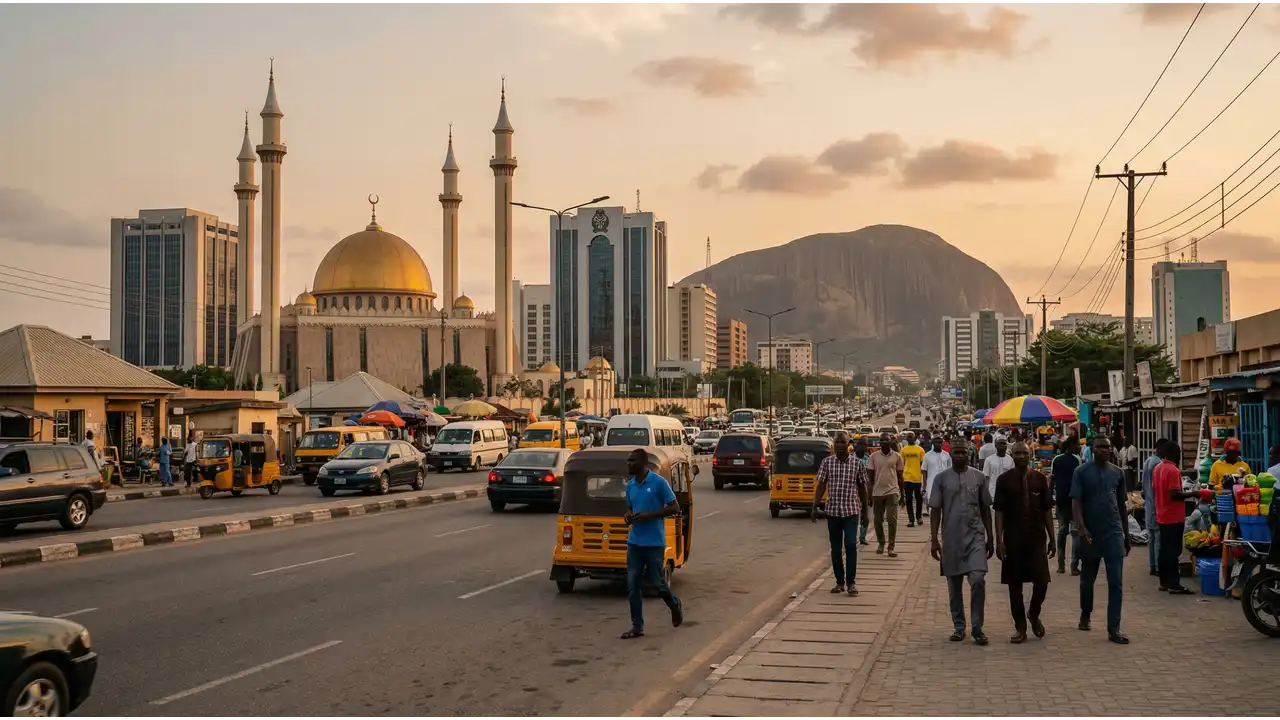
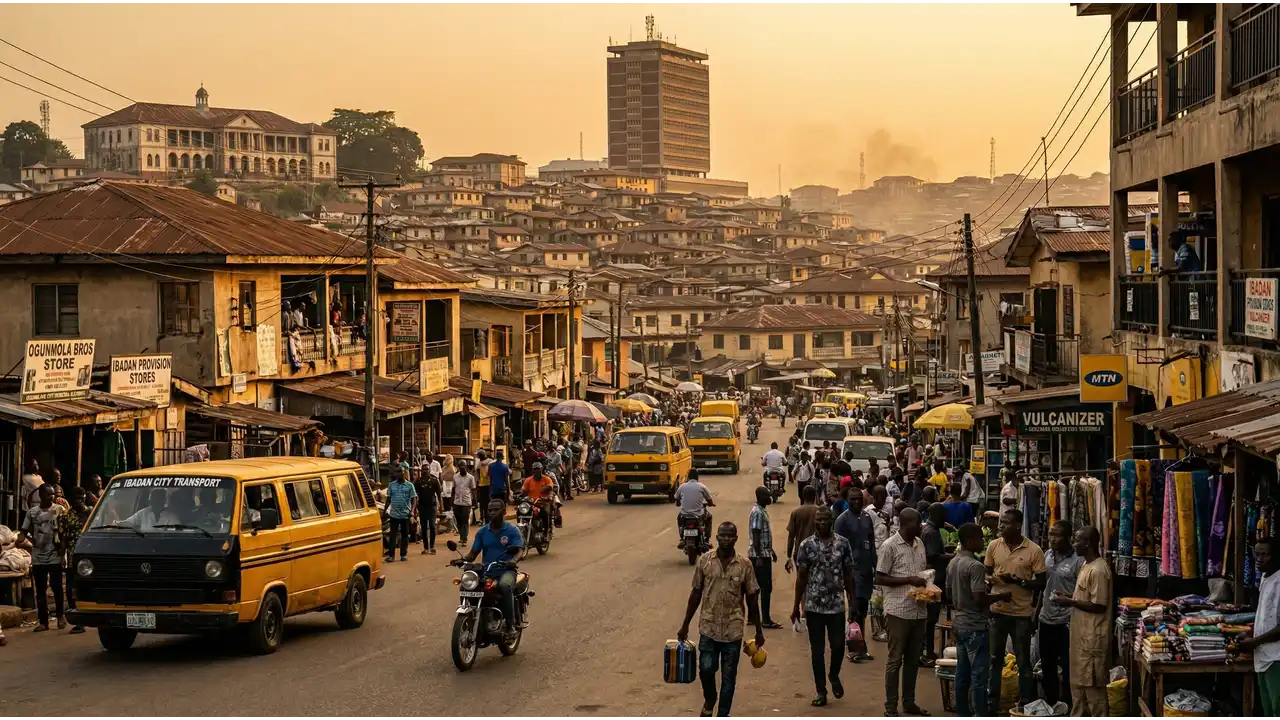
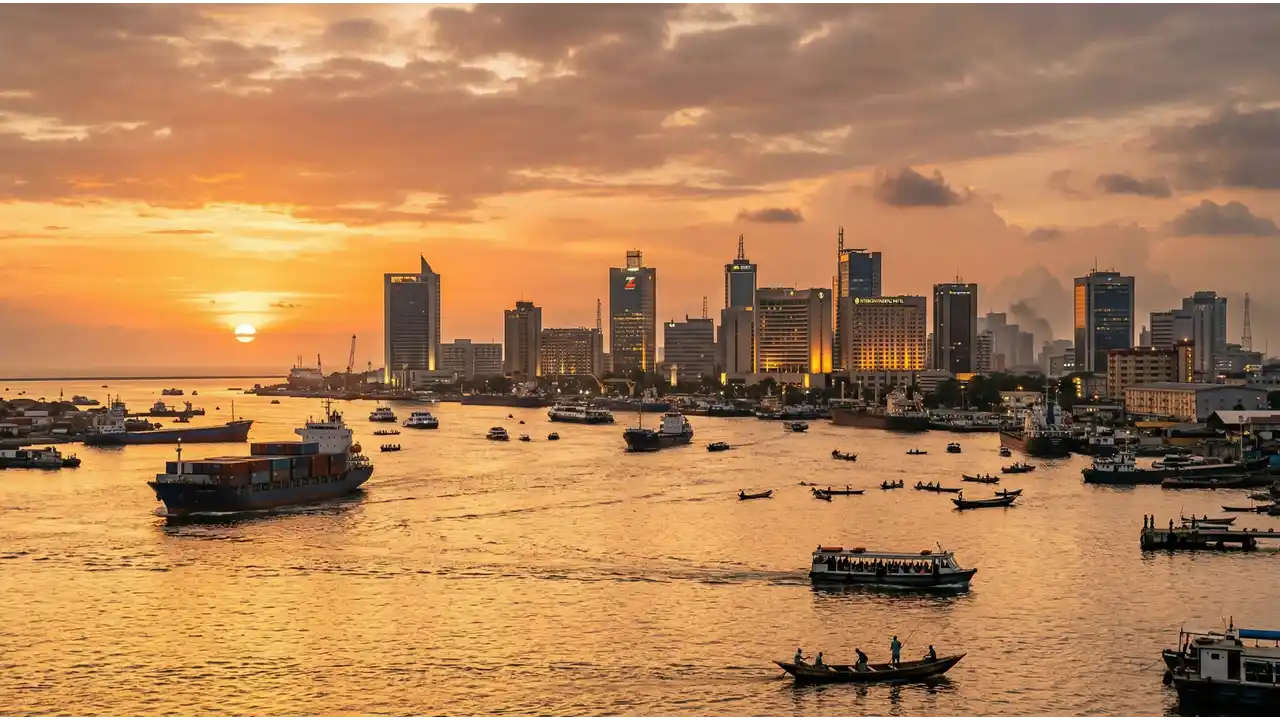
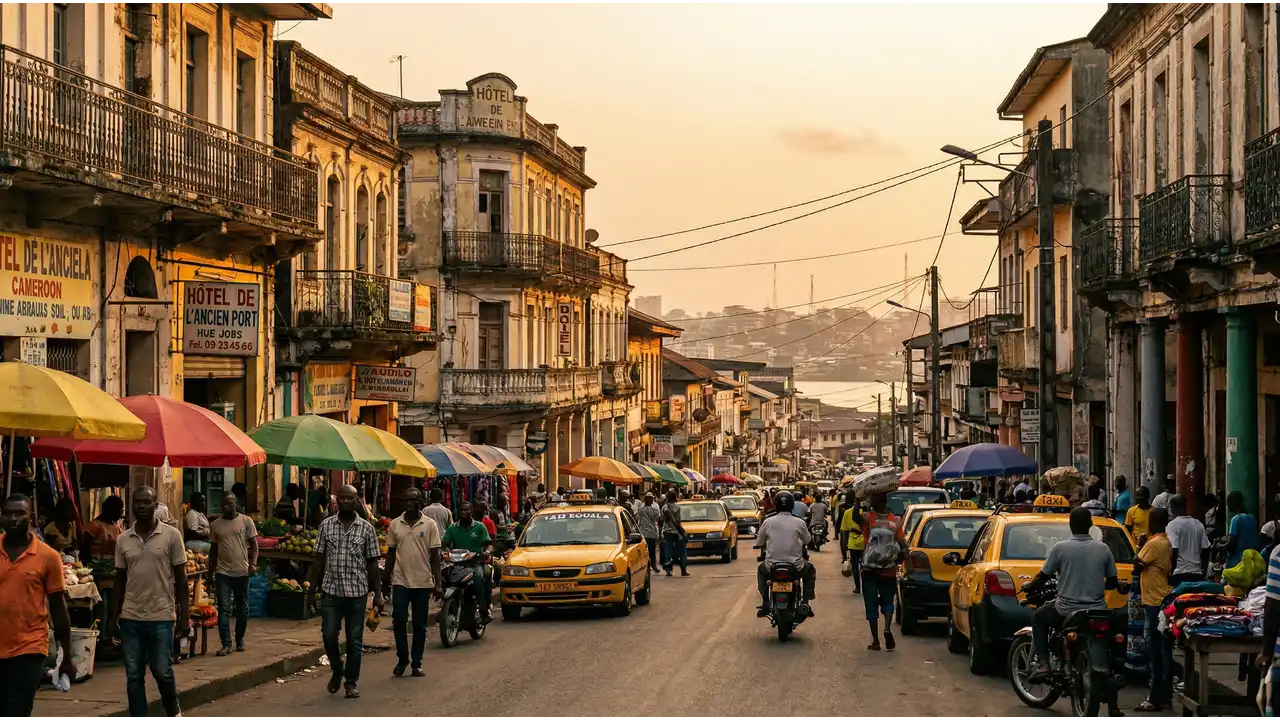
Abuja is Nigeria's planned capital city, purpose-built in the 1980s with a grid layout centered on Three Arms Zone. The city sprawls across a plateau with distinct neighborhoods: Maitama and Asokoro house diplomats and high-income residents; Wuse and Central Area are commercial hubs; Garki and Kubwa offer more affordable options. Daily life revolves around navigating traffic (Lagos-level congestion is common), shopping at malls or markets, and navigating a city where English is widely spoken but Hausa and Yoruba predominate. The climate is hot and dry most of the year, with a rainy season from May to October. Power cuts remain frequent despite improvements. The city has grown rapidly, attracting both Nigerian professionals and international expats working for governments, NGOs, and multinationals.
💡 Local Insights
Abuja · 2026
Abuja's cost structure reflects its role as a capital city with diplomatic and government presence. Housing at $429/month covers modest unfurnished apartments in outer neighborhoods like Kubwa or Nyanya; furnished one-bedroom flats in central areas like Wuse run $500-$600. Landlords often demand one or two years' rent upfront, a practice that catches expats off guard. Groceries at $208/month assumes local markets and eating Nigerian staples; imported goods (cheese, certain cereals, wine) cost 2-3 times more. Transportation relies on shared minibuses (cheap but crowded), ride-hailing apps like Uber and Bolt (unreliable in rain), or private cars. Expats typically spend more on transport, fuel, and generator fuel during outages. Local pricing applies to markets and small restaurants; Western restaurants and expat-oriented shops charge premium rates. Utilities add $30-$50/month and are often unreliable. Healthcare, childcare, and private school fees drive comfortable budgets well above $1,666/month.
Frequently Asked Questions
How much does it cost to live in Abuja per month?
A moderate lifestyle in Abuja costs $1,075/month. That breaks down roughly as: housing $429/month, groceries $208/month, transport $120/month, utilities $40/month, and discretionary spending (dining out, entertainment, clothing) around $278/month. Costs vary sharply by neighborhood and lifestyle choices. Budget travelers can live on $645/month by sharing housing, cooking exclusively at home, and using public transport. Expats with private drivers, security expenses, and international school fees often spend $2,000-$3,500/month or more.
What is the average rent in Abuja?
Average rent is $429/month, though the market is highly location-dependent. Unfurnished one-bedroom apartments in Kubwa, Nyanya, or Karu run $250-$350/month; the same in Wuse or Garki runs $500-$700/month. Maitama and Asokoro, where diplomats and wealthy Nigerians live, range $800-$1,500/month for comparable space. Furnished apartments cost 20-30 percent more. Most landlords require one or two years' rent paid upfront, though month-to-month leases are becoming more common in expat-heavy areas. Utilities (electricity, water, generator fuel) add $30-$50/month and are often unstable, making backup generators common.
Is Abuja cheap to live in for expats?
Abuja is moderately priced compared to global expat hubs. Rent and local food are genuinely affordable, undercutting cities like Accra, Nairobi, or Johannesburg. However, expats rarely access those local prices fully. Security concerns often drive housing choices toward more expensive secured compounds; power outages necessitate generators and inverters ($500-$2,000 upfront); imported goods and Western restaurants add friction costs. If you earn in USD or EUR and accept a local lifestyle (shared transport, Nigerian food, neighborhood apartments), Abuja is economical. If you replicate a Western lifestyle, costs climb quickly. The real advantage lies in housing and domestic staff affordability, not daily essentials.
How much does food cost per month in Abuja?
Groceries for one person average $208/month. Rice, beans, tomatoes, onions, eggs, and local proteins (chicken, fish) are inexpensive at central markets like Wuse or Mararaba. A week of local staples costs $8-$12. Imported goods (cheese, cereal, olive oil, wine) cost 2-3 times Nigerian prices. Eating out varies widely: a plate of jollof rice or suya at a street stall runs $1-$2; a meal at a mid-range Nigerian restaurant costs $4-$6; Western restaurants charge $10-$20 per plate. Expat-oriented supermarkets (Shoprite, Chicken Republic) are 30-50 percent pricier than markets. Cooking at home from markets saves substantially; frequent restaurant meals double food costs.
What salary do you need to live comfortably in Abuja?
A comfortable lifestyle in Abuja costs $1,666/month, roughly $20,000/year. That budget assumes good housing ($600-$800/month in a secure area), reliable utilities, occasional restaurant meals, gym membership, and local travel flexibility. For expats wanting private security, international school for children, or frequent air travel, add $500-$1,000/month. Dual-income expat families often budget $3,000-$4,500/month to maintain familiar standards. Nigerian professionals on local salaries typically earn $300-$800/month, so expat salary expectations are significantly higher. Employers often provide housing allowances, school fees, and hardship premiums that subsidize these costs.
How does the cost of living in Abuja compare to other places?
Abuja sits in the middle tier for African capitals. A moderate lifestyle costs $1,075 per month here, with housing running $429. That puts it slightly above Durban, where a comparable lifestyle is $1,000 monthly with housing at $426. You'll find Abuja considerably cheaper than Addis Ababa, which runs $1,500 for the same moderate tier, though Addis Ababa's housing alone reaches $816. Tunis offers the best value among these comparisons at $775 monthly, with housing at just $246. The gap matters most if you're on a fixed budget. Abuja's prices reflect its status as a planned capital with expat demand, which drives up accommodation and imported goods. Regional travel and proximity to Lagos will influence how far your money stretches beyond the city itself.
Yes, but with real constraints. That budget works if you accept shared housing ($150-$200/month), cook exclusively from markets ($120/month on local staples), use public minibuses ($30/month), and skip restaurants and imported goods. Many Nigerian students and young professionals live this way. Utilities, phone, and occasional transport could add $50-$80. Emergencies (medical, transport home) break the budget quickly. The strategy requires comfort with uncertainty: power cuts mean no fans or lights; public transport is crowded and unreliable; housing is basic. Expats attempting this budget report stress, isolation, and eventual spending increases. It's sustainable short-term for researchers or volunteers with institutional support, impractical as a permanent lifestyle without supplementary income.