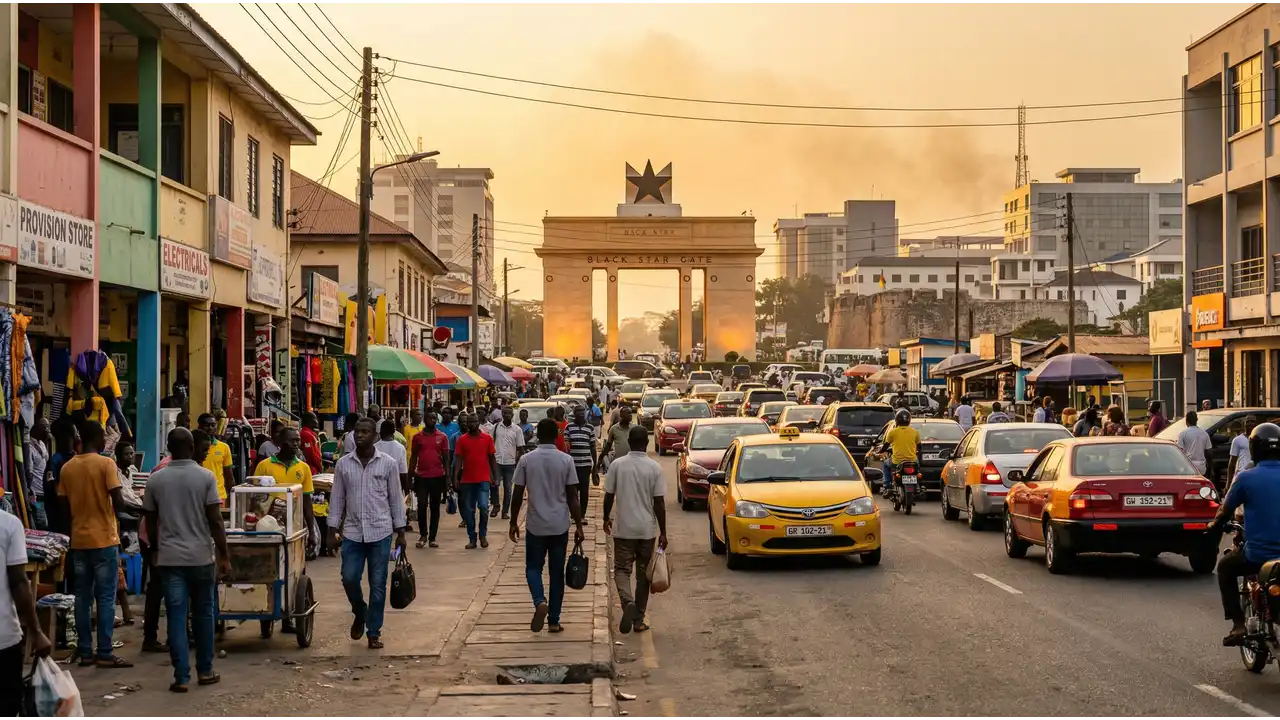
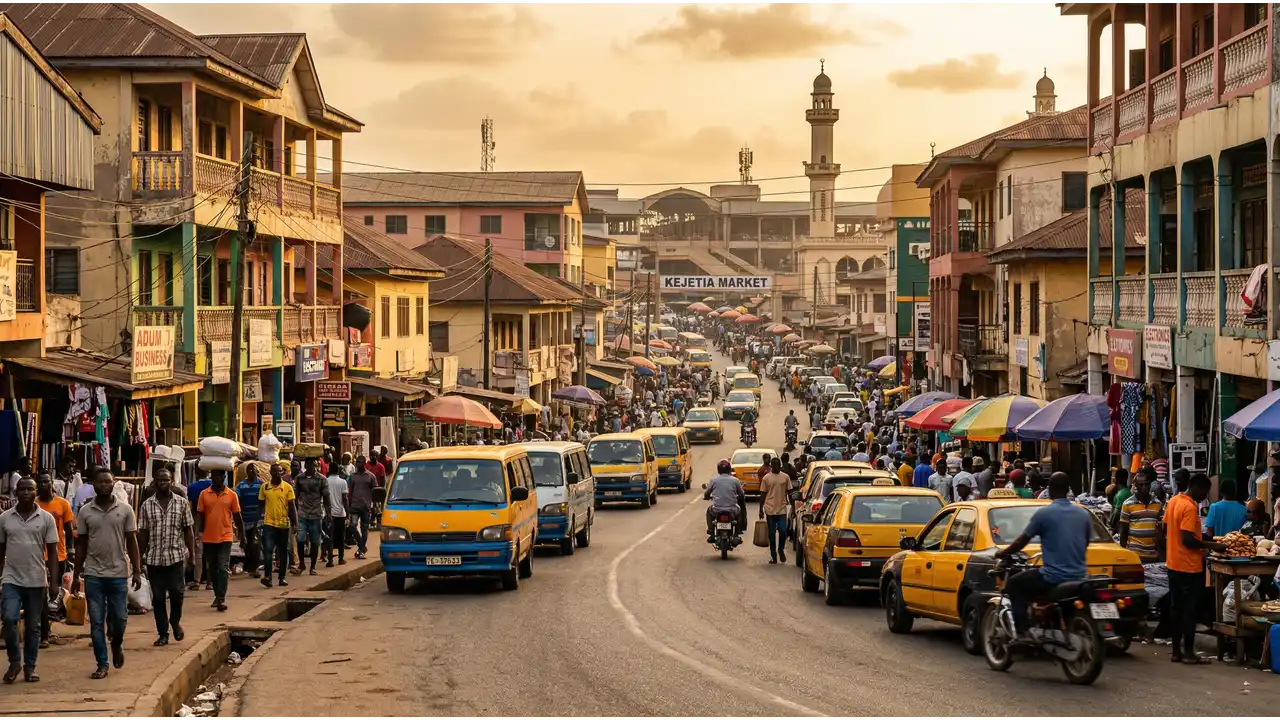
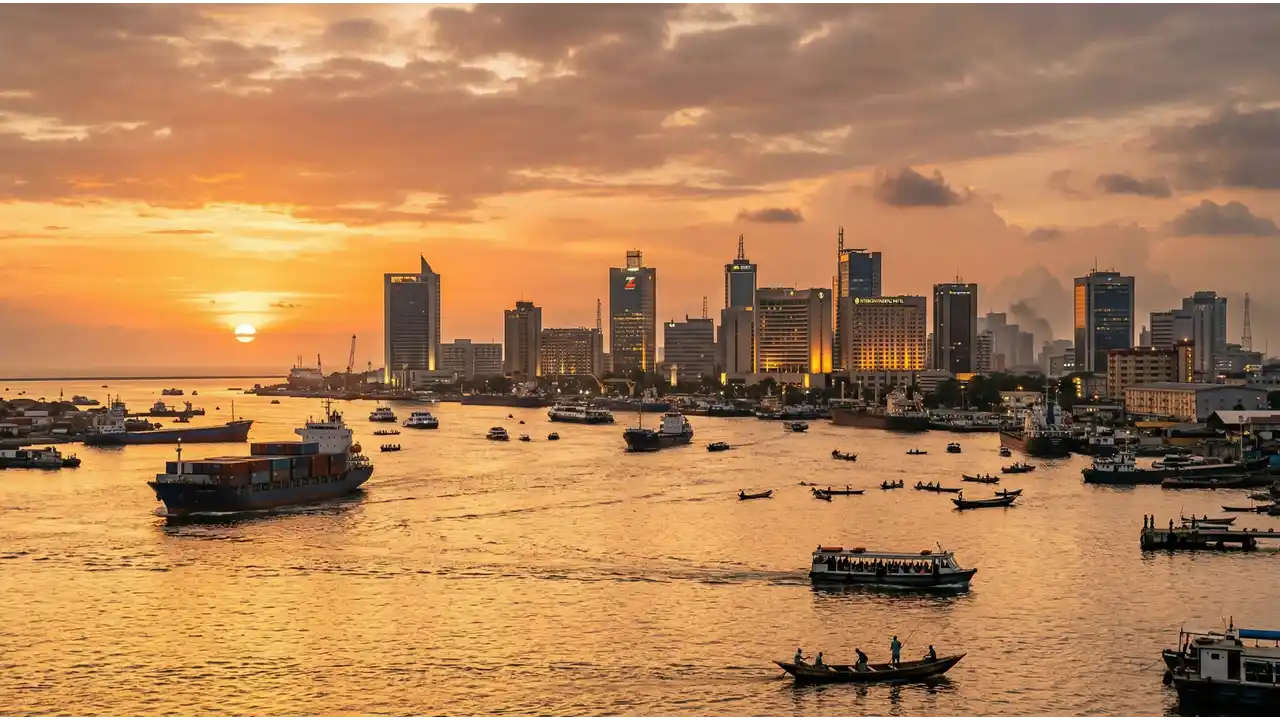
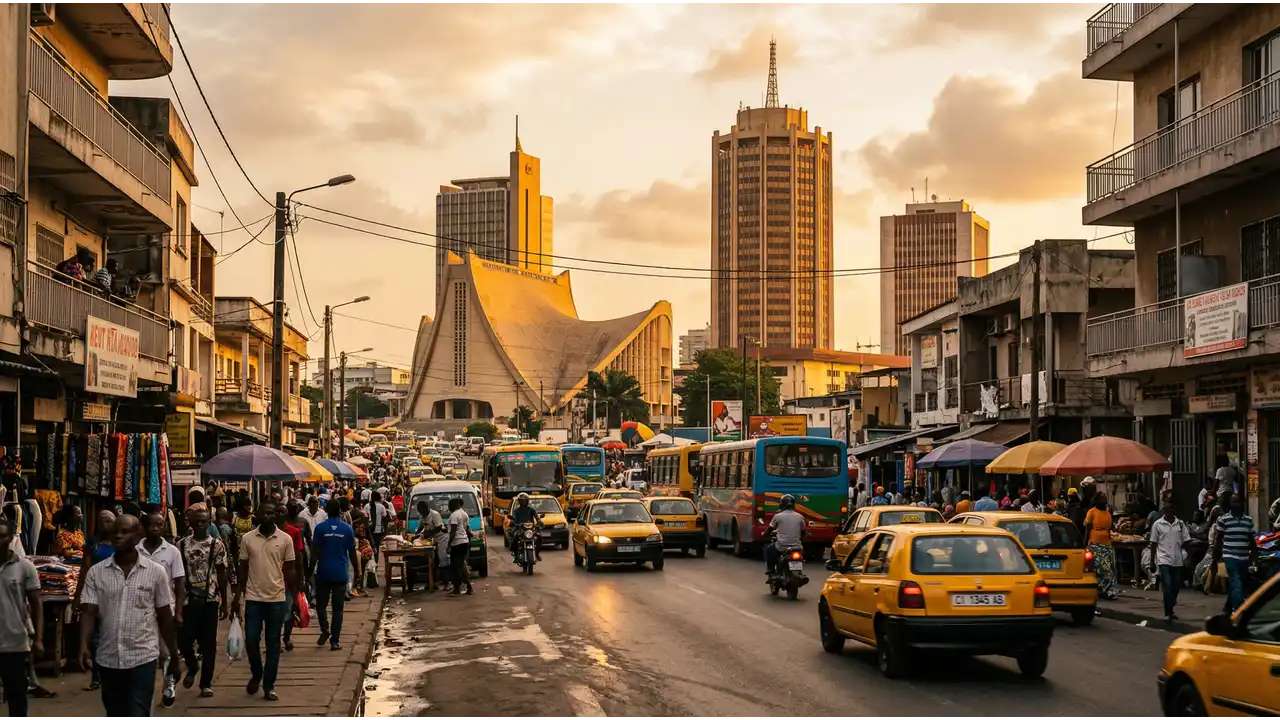
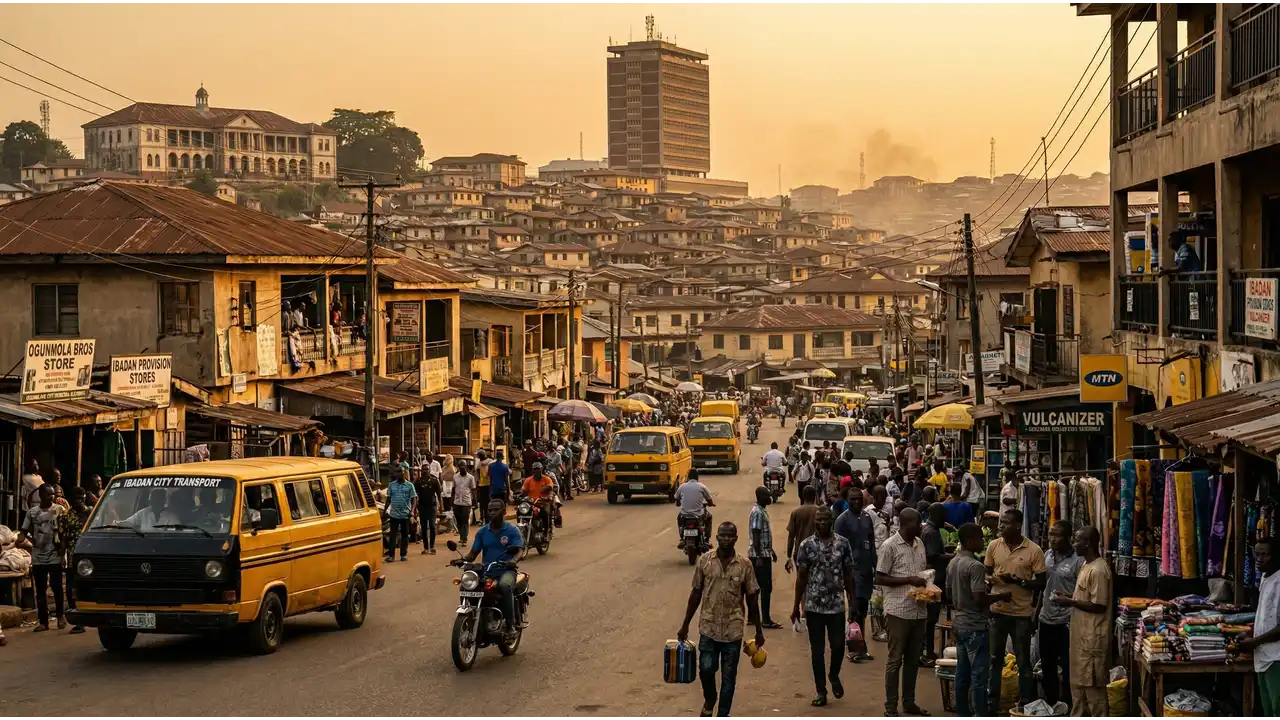
Accra is Ghana's capital and largest city, home to about 2.3 million people. It sits on the Atlantic coast with a tropical climate: warm year-round, humid, and a rainy season from May to June. The city mixes colonial architecture, modern commercial districts, and informal neighborhoods. Daily life centers on Osu, Labone, and Dzorwulu for expats, while Jamestown and Makola pulse with local commerce. Traffic is heavy during rush hours. English is the official language. Power outages happen but are less frequent than in smaller towns. The pace is slower than Lagos or Nairobi, with a more laid-back feel despite ongoing development.
💡 Local Insights
Accra · 2026
Accra costs less than most West African capitals, though prices have risen steadily. Housing runs around $447 per month for a moderate lifestyle, with furnished one-bedroom apartments in expat neighborhoods (Osu, East Legon, Dzorwulu) ranging from $300 to $700 depending on amenities and landlord negotiation. Older or further-out areas cost less. Groceries at supermarkets like Shoprite or local markets cost about $195 per month for basic items. Local markets are cheaper but require more navigation. Expats pay more than locals for the same rent and services; negotiating is standard. Tro-tros (minibuses) cost under $1 per ride; Uber and Bolt operate here but cost more. Utilities (electricity, water, internet) add $40 to $80 monthly. Healthcare and international schools are expensive. Getting a mobile SIM takes minutes and data is affordable. Costs spike during harmattan season (December-February) when AC usage climbs.
Frequently Asked Questions
How much does it cost to live in Accra per month?
A moderate lifestyle in Accra costs around $1,050 per month. Housing runs $447 per month, groceries $195 per month, and the remainder covers utilities, transport, dining out, and entertainment. A tighter budget works at $630 per month if you live outside expat neighborhoods and eat mostly local food. A comfortable lifestyle with a nicer apartment, regular dining out, and some travel costs about $1,628 per month. Actual spending depends heavily on neighborhood choice and whether you use expat-oriented services or local alternatives.
What is the average rent in Accra?
Average rent aligns with $447 per month for a moderate lifestyle. In expat neighborhoods like Osu and East Legon, furnished one-bedroom apartments range from $400 to $650 per month; unfurnished units in the same areas run $300 to $500. Labone and Dzorwulu offer similar prices. Local neighborhoods like Achimota or Adabraka have smaller furnished apartments for $200 to $350. Landlords often expect annual payments upfront or long-term commitments. Deposit negotiation is common. Prices vary by proximity to commercial centers and utility reliability. Most rental agreements require a local guarantor or proof of income.
Is Accra cheap to live in for expats?
Accra is cheaper than Abidjan, Lagos, or Dakar, but not cheap compared to Southeast Asia or parts of Latin America. Expats pay a premium on rent and services; landlords quote higher to foreigners. Groceries at expat supermarkets (Shoprite, Melcom) cost 30 to 50 percent more than local markets. Utilities, healthcare, and private schools are significant expenses. Eating at local chop bars runs $2 to $5 per meal; expat restaurants charge $10 to $25. If you use local markets, tro-tros, and avoid expat services, costs drop sharply. Many expats spend $1,200 to $1,500 monthly for comfortable living. Budget expats manage on $900 to $1,100 by avoiding expat compounds and eating local.
How much does food cost per month in Accra?
Groceries cost around $195 per month at supermarkets like Shoprite or Melcom. Local markets are cheaper: cassava, plantains, and yams cost $0.50 to $2 per kg. Eggs run $1.50 to $2 per dozen. Rice, oil, and canned goods are affordable. Local bread costs $0.30 to $0.50 per loaf. Eating out at chop bars (informal restaurants) costs $2 to $5 for a plate of rice with stew and protein. Mid-range restaurants charge $8 to $15. Imported foods at expat stores cost double or triple local prices. Most expats spend $200 to $250 monthly on groceries if shopping at supermarkets. Local shopping cuts this to $120 to $150.
What salary do you need to live comfortably in Accra?
A comfortable lifestyle costs around $1,628 per month, suggesting a monthly income of $1,800 to $2,000 to leave buffer for savings or unexpected costs. This covers a nicer apartment ($500 to $650), regular dining out, utilities, transport, and some travel. For expats, a salary of $2,000 to $3,000 per month provides genuine comfort without constant cost vigilance. Many expat employers expect to pay in this range for skilled workers. Freelancers or business owners should budget $2,500 to $3,500 monthly to maintain security and quality of life. Lower salaries require strict budgeting and trade-offs on neighborhood, dining, or activities.
How does the cost of living in Accra compare to other places?
Accra sits in the middle range for African cities. A moderate lifestyle runs $1,050 per month, with housing at $447 per month. That makes it slightly cheaper than Harare, which runs $1,100 monthly, though the two cities are close peers in overall cost. You'll find Accra noticeably more expensive than Antananarivo at $750 per month, but considerably less costly than Addis Ababa at $1,500 per month. The difference reflects Accra's position as a major regional hub with better developed infrastructure and services, which typically command higher prices. If you're coming from a Western capital, expect Accra to feel significantly more affordable. Compared to other West African cities, Accra generally ranks on the pricier side, though it remains reasonable for the quality of accommodation and amenities available.
Yes, but with significant constraints. $630 monthly requires living outside expat neighborhoods (Achimota, Adabraka, Darkuman), renting an unfurnished apartment for $200 to $300, and shopping at local markets rather than supermarkets. Groceries drop to $120 to $150 monthly if you cook and avoid packaged goods. Transport via tro-tro costs negligible amounts. Dining out is limited to chop bars ($2 to $5 per meal). Utilities add $30 to $50. Healthcare and emergencies strain this budget quickly. Internet and phone add $15 to $20. This budget works for budget travelers, locals, or those with deep knowledge of the city, but offers little margin for error. Most expats find this unsustainable beyond a few months.