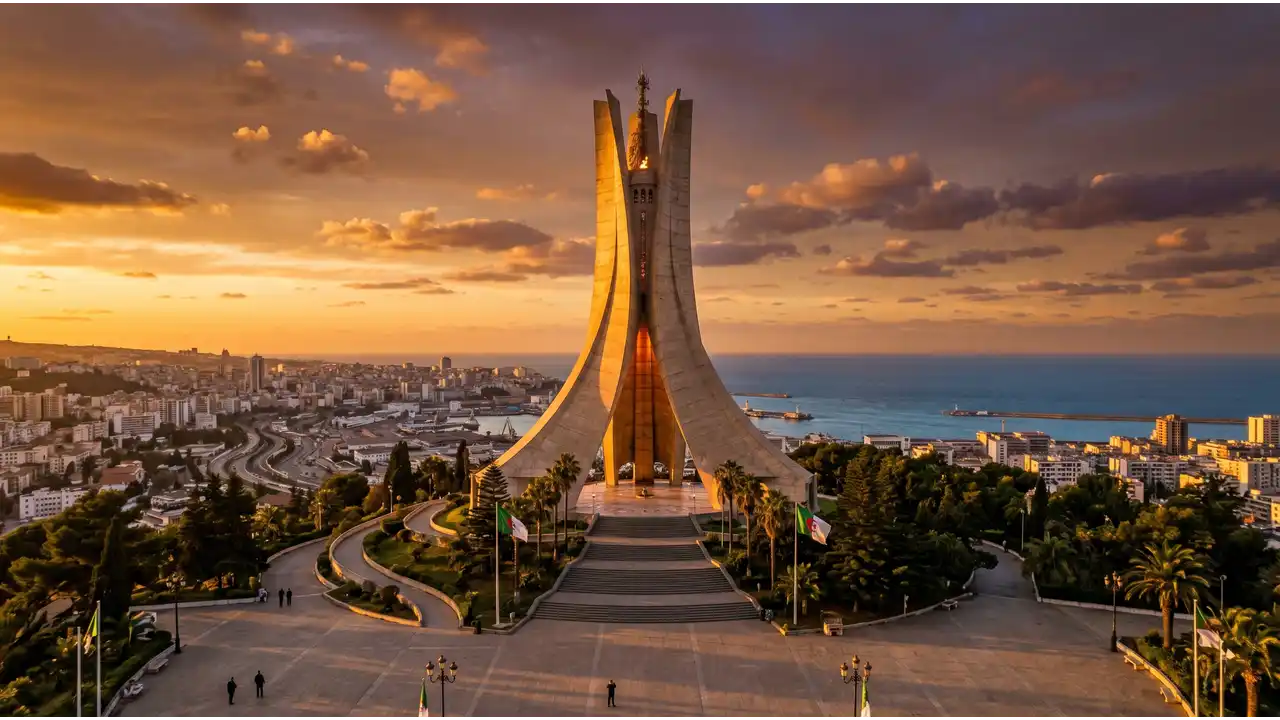
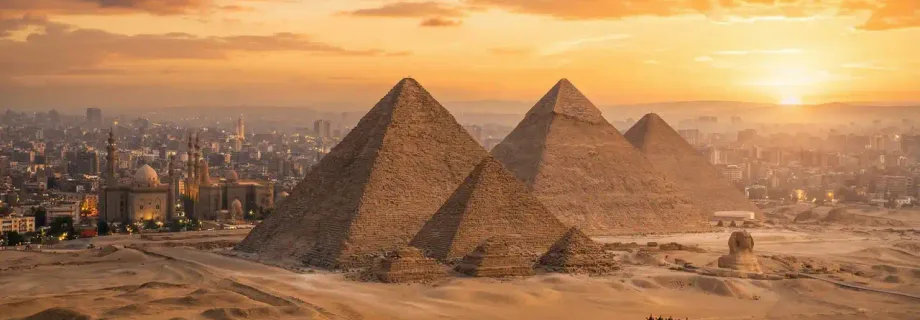
Algeria is North Africa's largest country by area, with 45 million people spread across Mediterranean coastal cities and Saharan interior towns. Daily life centers on family, food, and strong social ties. Algiers, the capital, mixes French colonial architecture with modern development and heavy traffic. The climate ranges from Mediterranean in the north to extreme heat inland. Arabic and French are primary languages. Most expats work in oil, gas, or international organizations. Power cuts and water shortages occur in some areas. Public transport exists but is unreliable; many rely on private cars or taxis. The country has experienced political instability, so security varies significantly by region.
💡 Local Insights
Algeria · 2026
Algeria's cost of living reflects a developing economy with subsidized basics but volatile pricing. Housing averages $144/month because rental markets are thin for foreigners. Most expats pay $200 to $400 for a furnished one-bedroom apartment in central Algiers or Oran, while locals may rent for less in outer neighborhoods. Expect to negotiate and pay deposits upfront. Groceries run about $163/month for a moderate diet of local staples, rice, vegetables, and bread. Imported Western goods cost two to three times local prices. Eating street food or at local restaurants drops meal costs significantly below supermarket shopping. Transport within cities is cheap (minibus rides under $1), but fuel prices fluctuate with global markets. Expats often face informal pricing premiums at restaurants and taxis. Utilities, internet, and phone services are inexpensive but inconsistent. Healthcare quality varies; expats typically use private clinics.
Frequently Asked Questions
How much does it cost to live in Algeria per month?
A moderate lifestyle costs around $650/month. This covers housing at $144/month, groceries at $163/month, transport, utilities, phone, and modest dining out. The budget tier runs $390/month for those eating locally and sharing housing. A comfortable tier reaches $1,008/month with better accommodation, regular restaurant meals, and more discretionary spending. Costs vary significantly between Algiers (most expensive) and smaller towns. Expats typically spend more than locals due to imported goods and informal pricing premiums.
What is the average rent in Algeria?
Average rent is $144/month, though this reflects a wide range depending on location and property condition. A modest unfurnished apartment in outer Algiers or provincial towns runs $100 to $180/month. Furnished one-bedroom units in central neighborhoods cost $200 to $350/month. Expats often pay premiums and should expect $300 to $500/month for secure, modern housing in safe areas with reliable utilities. Deposits and advance rent are standard. Long-term rental markets are less developed than short-term, so negotiation is normal. Shared housing reduces costs substantially.
Is Algeria cheap to live in for expats?
Yes, relative to Western countries, but less so than Southeast Asia or Central America. Basic costs (housing, local food, transport) are very low. However, expats pay premiums for security, comfort, imported goods, and international services. Internet and utilities can be unreliable and frustrating rather than cheap. Expats working for international employers or NGOs often receive housing allowances that cushion these costs. Social isolation and security concerns mean many expats cluster in expensive central neighborhoods. If you adapt to local life and standards, costs stay under $650/month. If you want Western comfort and safety, add $300 to $500/month.
How much does food cost per month in Algeria?
Groceries average $163/month for staple eating. A kilo of bread costs under $1; rice, pasta, and legumes are similarly cheap. Vegetables and fruit vary seasonally but are inexpensive when local. Meat and dairy cost more; chicken runs $3 to $5/kilogram. Imported cheese, cereal, and processed foods are double Western prices. Eating out at local restaurants is very cheap, $2 to $4 for a meal. Street food (merguez sandwiches, falafel) costs under $2. Supermarket shopping in Algiers (Carrefour) is pricier than neighborhood markets. A month of moderate mixed eating (mostly local groceries, occasional restaurants) fits within the $163/month figure.
What salary do you need to live comfortably in Algeria?
A comfortable lifestyle requires around $1,008/month. This covers decent housing in a secure neighborhood ($300 to $400/month), consistent food including restaurant meals ($250/month), transport ($50/month), utilities and phone ($80/month), and discretionary spending ($150/month). International expats often need $1,200 to $1,500/month to include regular travel home, private healthcare, and imported goods. Local salaries are lower (median around $400 to $600/month), so expats with foreign income experience significant purchasing power. Local employees rarely earn enough for the comfortable tier without additional household income.
How does the cost of living in Algeria compare to other places?
Algeria sits in the middle range for North Africa. A moderate lifestyle costs $650 per month, with housing at $144 per month. This puts it slightly cheaper than Tunisia, where a moderate lifestyle runs $675 per month and housing $217 per month. Egypt is notably less expensive, with a moderate lifestyle at $550 per month, though housing there costs $209 per month. If you're comparing across the broader region, Ghana is substantially dearer at $950 per month for a moderate lifestyle, with housing at $447 per month. Algeria's low housing costs relative to overall living expenses make it particularly affordable for budget-conscious expats, especially compared to West African alternatives. Your money stretches furthest in Egypt, but Algeria offers a solid balance between affordability and access to services.
Yes, but only by local standards and with significant compromises. Budget living means shared housing in outer neighborhoods ($80 to $120/month), street food and market shopping only ($120/month), public minibuses ($10/month), and no internet or entertainment spending. You need fluency in Arabic or French and comfort with local daily life. This budget excludes healthcare (beyond public clinics), travel, or emergencies. Expats attempting this face isolation and frustration; locals manage it by using family networks and accepting lower living standards. Most people on this budget in Algeria are students or long-term residents with local knowledge and relationships. It is theoretically possible, practically difficult for newcomers.