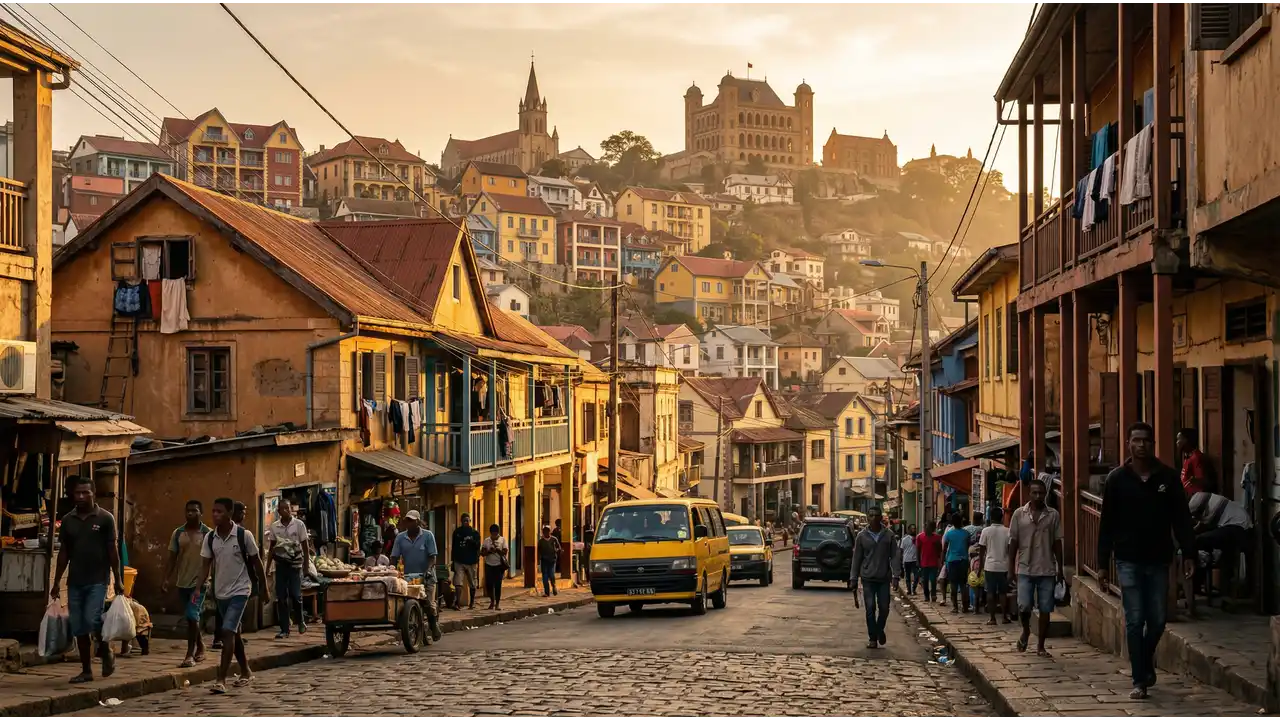
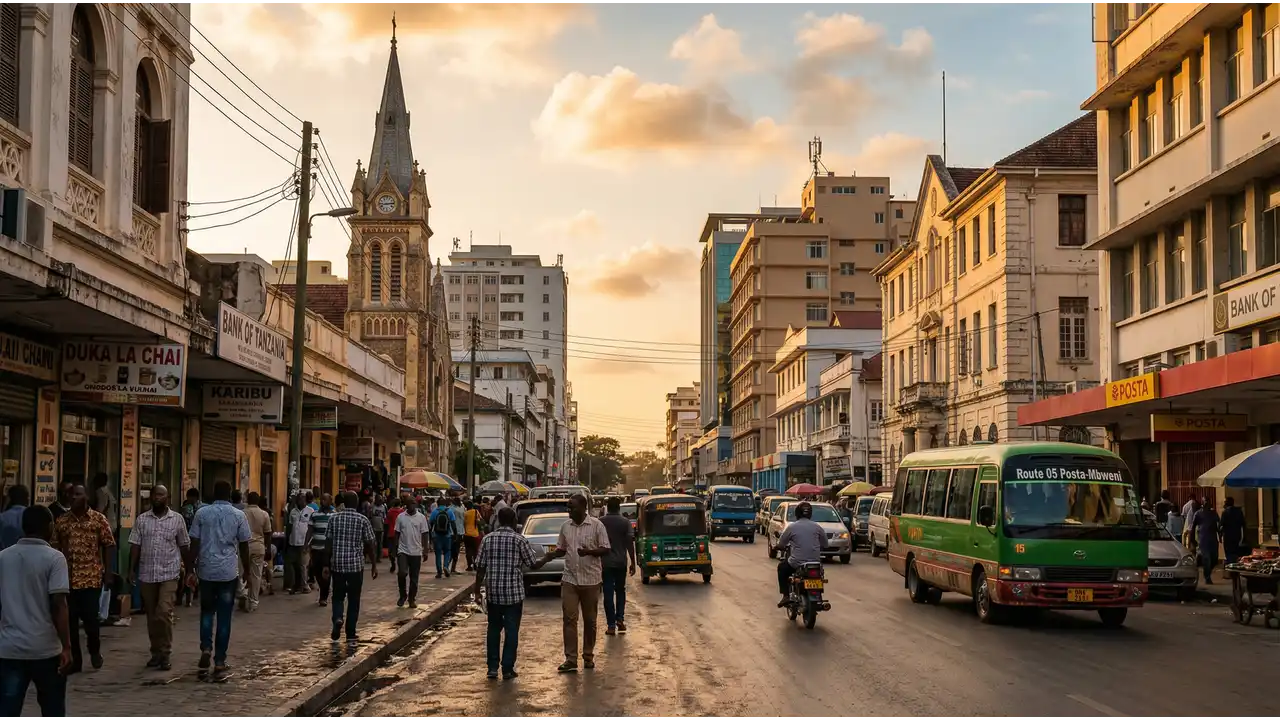
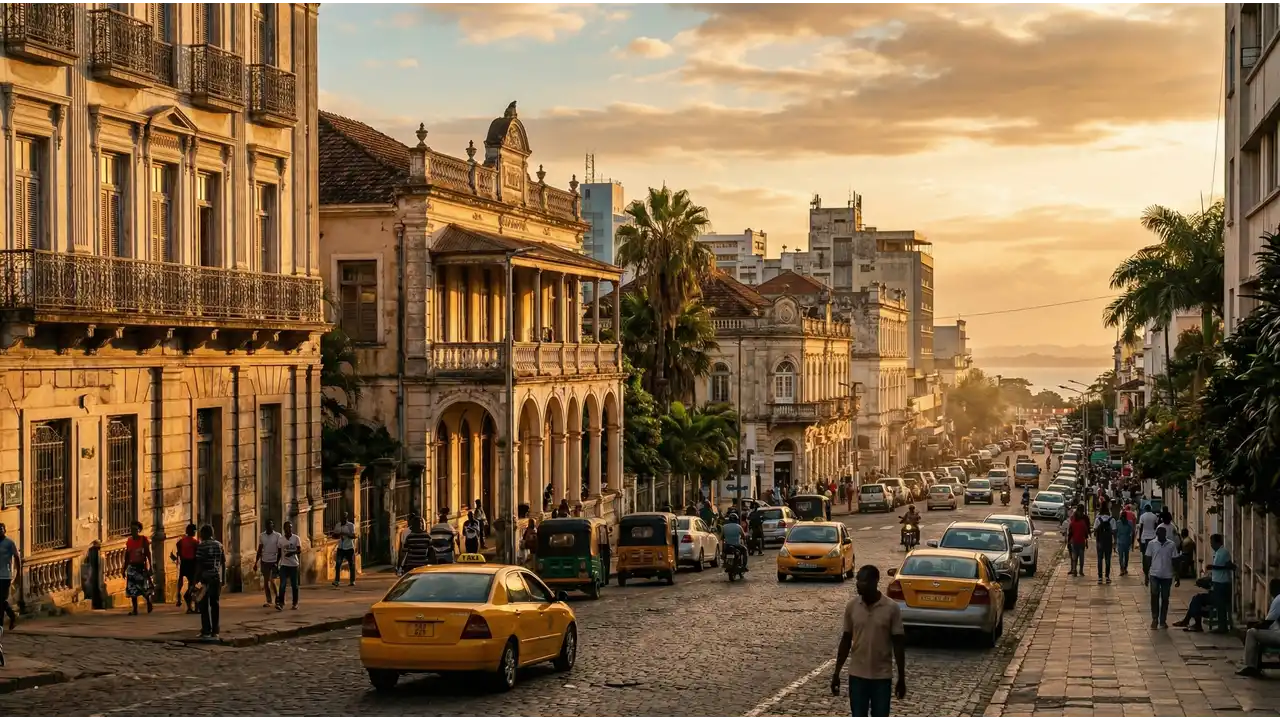
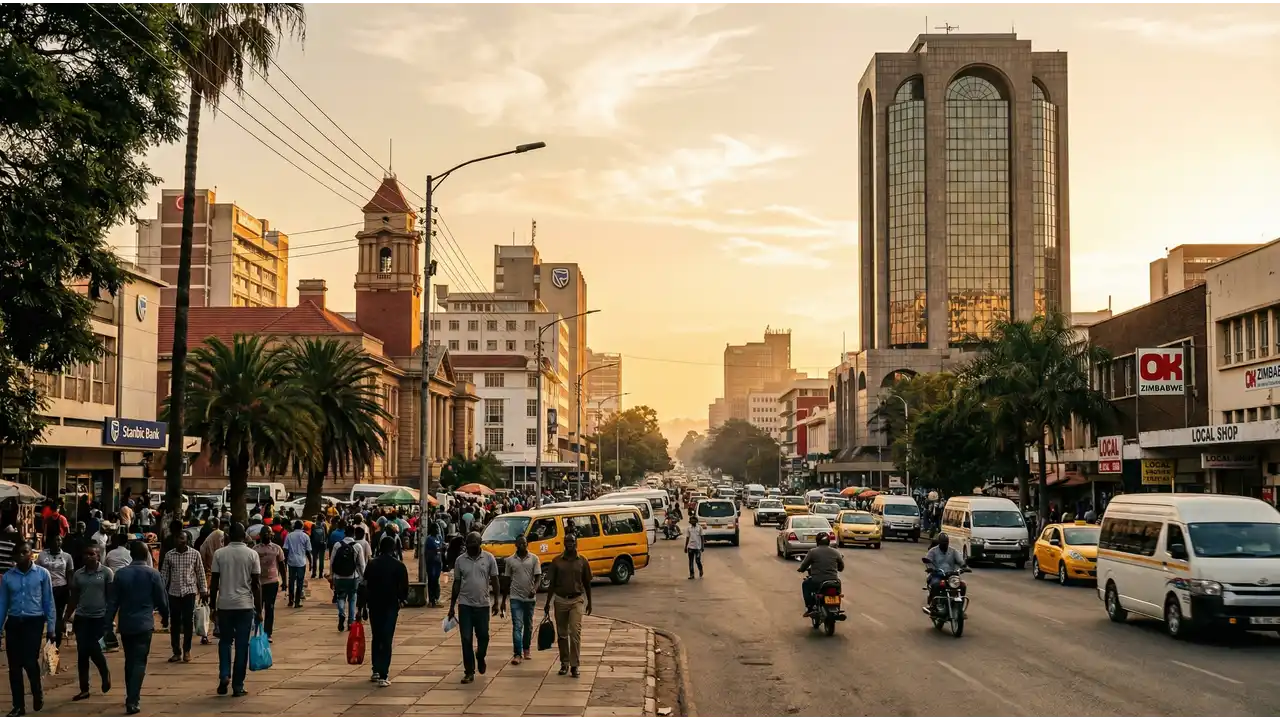
Antananarivo sits on Madagascar's central highlands at roughly 1,280 meters elevation, which means cooler temperatures than the coast but rain during October to March. The city is home to around 1.3 million people, a mix of Merina ethnic groups (historically dominant), other Malagasy communities, and a smaller expat population. Daily life revolves around crowded markets, informal minibus transport (called pousse-pousse or taxi-brousse), and neighborhoods stacked on steep hillsides. Infrastructure is basic: electricity and water can be unreliable, and roads are often potholed. The central market district is dense and chaotic. Most neighborhoods lack Western-style amenities, though some expat-friendly areas like Analakely have better services.
💡 Local Insights
Antananarivo · 2026
Antananarivo's costs are genuinely low by global standards, but price variation between local and expat-oriented services is extreme. A moderate lifestyle at $750/month is realistic if you accept local housing and transport, eat at local restaurants, and skip expat bars and imported goods. Housing in Antananarivo ranges widely: a modest one-bedroom apartment in a central neighborhood rents for roughly $100-200/month locally, but expat-focused compounds or furnished flats in safer areas cost $400-800/month or more. The $303/month figure represents Madagascar's national housing baseline, not a measured Antananarivo rent. Groceries average $144/month if you shop local markets (rice, beans, tomatoes, eggs) rather than import shops. Transport is cheap: minibus rides cost $0.20-0.50, taxis negotiated per trip. Eating at local canteens runs $1-3 per meal; restaurant meals for expats cost $8-15. Water quality varies by district; many expats buy bottled water, adding $10-15/month. Healthcare is unreliable outside private clinics, which charge more. Fuel and imported goods are expensive. Currency is the Malagasy ariary (roughly 4,200 per USD), and cash dominates.
Frequently Asked Questions
How much does it cost to live in Antananarivo per month?
A moderate lifestyle costs around $750/month. This breaks down roughly as: housing $300+, food and groceries $144, transport $30-50, utilities $20-40, and personal/entertainment $100-150. A budget tier at $450/month cuts housing to shared or very basic accommodation, buys only local food, and skips dining out and unnecessary services. A comfortable lifestyle runs $1,163/month and allows for better housing, restaurant meals, private transport, and occasional travel. Actual spending depends heavily on whether you live like a local (cheaper) or seek expat comforts (much more expensive).
What is the average rent in Antananarivo?
The $303/month housing figure is Madagascar's national level inherited by Antananarivo, not a separate measured local rent. In practice, Antananarivo renters face a split market. Local Malagasy find modest apartments in outer neighborhoods for $50-150/month. Expats and wealthier locals pay $300-800/month for furnished or safer central-area apartments. A studio in Analakely or other expat-friendly zones costs $400-600/month. Shared expat housing runs $250-400/month per person. Long-term rentals are negotiable and often quoted in ariary; internet listings or asking at hotels gives current openings. Many landlords prefer cash payments and may not sign written leases.
Is Antananarivo cheap to live in for expats?
Cheap in absolute terms, but not if you insist on expat comfort. A local lifestyle at $750/month is feasible and genuinely low cost compared to Southeast Asia or Africa's major cities. However, the moment you want reliable electricity, private transport, restaurant meals, and social life with other expats, costs climb quickly to $1,200-1,800/month. Healthcare is a hidden cost: serious medical issues often require travel to South Africa or Europe. Internet is slower and pricier than Bangkok or Accra. Antananarivo is cheaper than Nairobi or Lagos but requires comfort with infrastructure gaps. If you speak French or Malagasy and embrace local life, it is genuinely inexpensive; otherwise, expect Western-style prices for sub-Western services.
How much does food cost per month in Antananarivo?
Groceries average $144/month if shopping local markets. A week's staples: rice ($0.50/kg), eggs ($0.15 each), tomatoes ($0.30/kg), dried beans ($0.50/kg), onions, cabbages, and occasional chicken ($2-3/kg) total $15-20 per week. Bread is cheap ($0.30 per loaf). Fruit is seasonal and inexpensive (bananas, mangoes). Imported goods (cheese, cereal, canned goods) cost 2-3x higher and quickly blow the budget. Eating at local canteens (small informal restaurants) costs $1-2 per meal. Restaurant meals targeting expats run $8-15. Markets like Analakely and Anosibe have the cheapest produce and meat. Supermarkets exist but are pricier and aimed at expats.
What salary do you need to live comfortably in Antananarivo?
A comfortable lifestyle costs $1,163/month. This allows for a decent apartment ($400-600), regular restaurant meals, reliable private transport or frequent taxis, utilities and internet, and modest social spending. In USD terms, that is roughly $14,000/year. For expats, a $1,500-2,000/month budget removes the need to choose between amenities and adds buffer for travel, healthcare, and unexpected costs. Local professionals earning 5-10 million ariary/year ($1,200-2,400) are solidly middle class in Antananarivo. Expat salaries typically start higher, reflecting the cost and difficulty of the move. If you are freelancing or retired, $1,200-1,500/month covers a stable, low-stress life; less than $750/month requires significant local adaptation.
How does the cost of living in Antananarivo compare to other places?
Antananarivo is genuinely cheap by African standards. A moderate lifestyle here costs $750 per month, with housing at $303 monthly. That puts it well below Accra, where a moderate lifestyle runs $1,050 and housing costs $447. You'll find it slightly cheaper than Cairo, which runs $575 for a moderate lifestyle and $213 for housing. Tunis is roughly comparable at $775 monthly for a moderate lifestyle, though housing there is less expensive at $246.
The main constraint isn't price but availability. Antananarivo's low costs reflect Madagascar's limited formal economy and infrastructure. You'll encounter supply gaps that make certain expenses unpredictable, and your actual spending depends heavily on what you're willing to access locally versus import. For expats accustomed to convenience, costs can creep upward quickly.
Yes, but tightly. The $450 budget tier assumes basic housing ($100-150), local groceries only ($144), minimal transport ($20-30), and no restaurant meals or paid entertainment. You live in an outer neighborhood, cook at home, use minibuses, and skip expat social life and imports. Internet, phone, and utilities eat another $20-30. Medical emergencies or travel become serious problems on this budget. Many long-term expats and remote workers with local salaries live this way, but it requires fluency in French or Malagasy, comfort with infrastructure gaps, and genuine integration into neighborhood life. Tourist visiting or recently arrived will struggle. For journalists or researchers on assignment, it is doable for 1-3 months; longer requires either adaptation or more money.