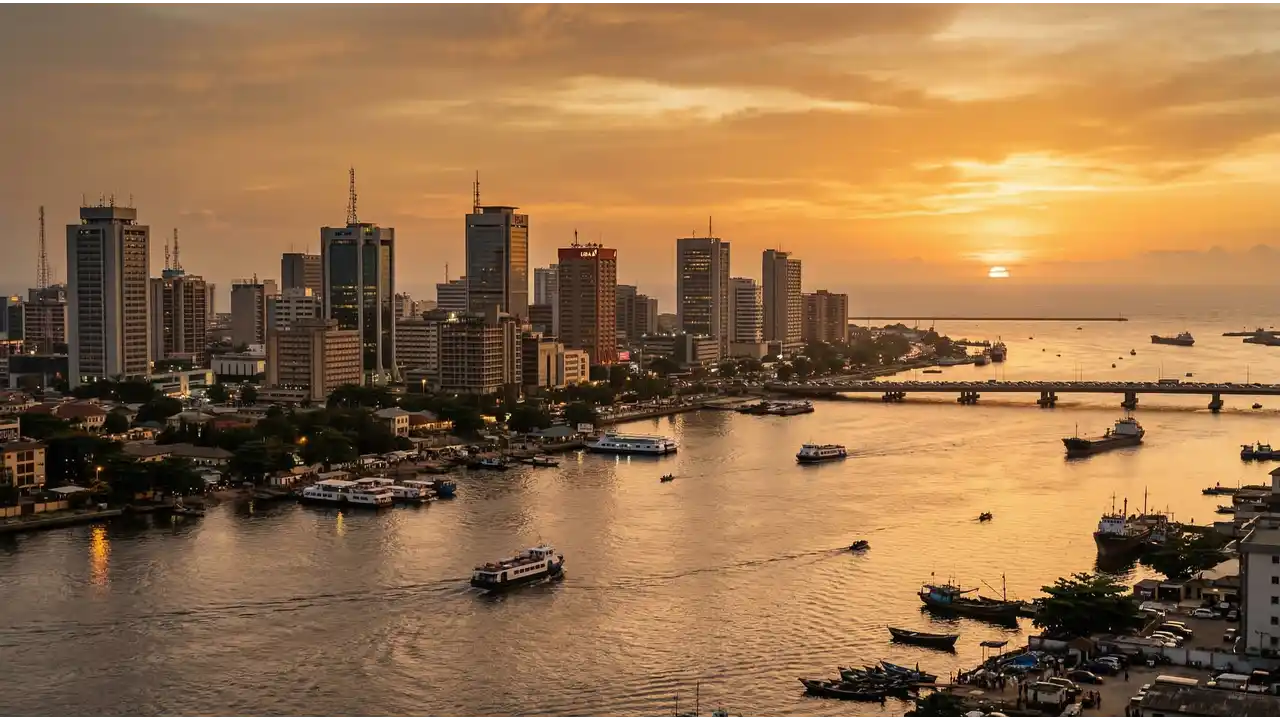
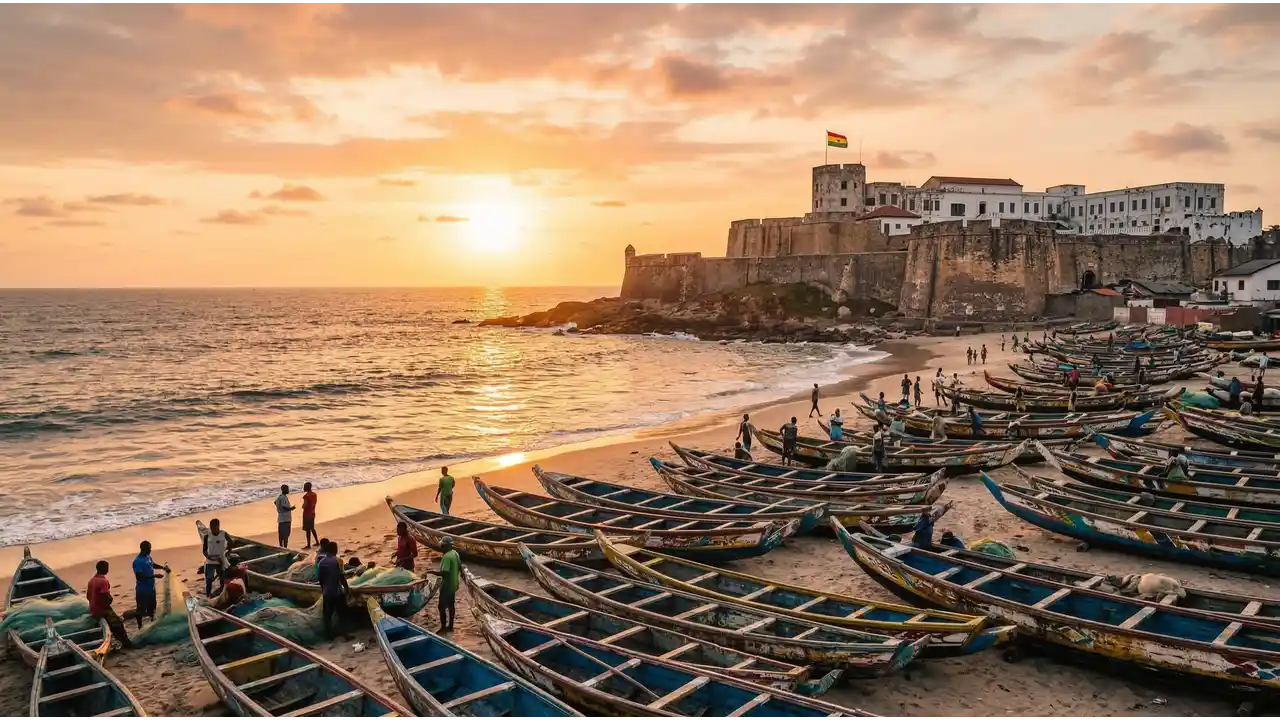
Cameroon is a Central African country of roughly 28 million people, with French and English as official languages reflecting its colonial history. Daily life centers on Yaoundé (the capital) and Douala (the economic hub), though infrastructure and services vary sharply outside these cities. The climate is tropical and humid, with heavy rainy seasons. Most expats live in specific neighborhoods where utilities, security, and services are reliable. Local markets are the norm for groceries; supermarkets exist but cost more. Transport relies on taxis, motorcycle taxis, and private cars. Power cuts and water interruptions occur regularly, especially outside central areas. Healthcare quality depends on which facility you choose. Cost of living is moderate by African standards, but quality and consistency matter more than price alone.
💡 Local Insights
Cameroon · 2026
Cameroon costs $1,225 per month for a moderate lifestyle, with wide variation based on where you live and how expat-dependent your choices are. Housing runs $466 per month on average, but this breaks into clear tiers: a simple one-bedroom apartment in a local neighborhood runs $250–350 per month, while a two-bedroom in an expat-friendly area like Bastos (Yaoundé) or Akwa (Douala) costs $500–700. Furnished apartments command premiums. Food for groceries totals $245 monthly if you cook and shop at markets; eating imported goods and restaurants raises this substantially. Local transport is cheap (under $1 for a shared taxi ride), but many expats buy motorcycles or cars, shifting that line item sharply. Healthcare, schooling, and housing insurance are where expats typically spend more than local wage earners. Power and water utilities are included in many rental agreements but can add $30–60 if separate. The key cost driver is whether you accept local standards (frequent outages, basic amenities) or demand expat-standard reliability, which costs 2–3 times as much.
Frequently Asked Questions
How much does it cost to live in Cameroon per month?
A moderate lifestyle in Cameroon costs $1,225 per month. This covers housing ($466), groceries ($245), transport, utilities, and basic services. A tighter budget of $735 per month is possible if you live like a local, accept shared accommodations, cook at home, and use public transport. A comfortable lifestyle with expat-standard housing, private transport, and some leisure spending runs $1,899 per month. Actual costs depend heavily on neighborhood, housing standards, and whether you buy imported goods or local products.
What is the average rent in Cameroon?
Average rent is $466 per month, but the range is wide. A simple one-bedroom apartment in a local neighborhood costs $250–350 per month. A two-bedroom in an expat area like Bastos in Yaoundé or Akwa in Douala runs $500–750 per month. Furnished apartments cost more; unfurnished saves money. Many rentals include utilities, but confirm this before signing. Deposits typically equal one to three months' rent. Expat compounds with amenities (security, backup power, water tanks) push monthly costs to $800–1,200 or higher.
Is Cameroon cheap to live in for expats?
Cameroon is affordable by global expat standards, but not as cheap as it appears. Local food and basic rent are genuinely inexpensive, but expats typically pay 2–3 times local prices for housing once they demand reliable power, water, security, and furnished space. Schooling, healthcare, and imported goods add up quickly. For someone coming from Western Europe or North America, yes, it is cheaper. For someone from West Africa or Southeast Asia, the cost difference is smaller. The trap is spending moderately on rent but heavily on compensating for unreliable infrastructure.
How much does food cost per month in Cameroon?
Groceries for one person cost approximately $245 per month if you shop at local markets and cook at home. Fresh produce (plantains, cassava, tomatoes, onions) runs $0.50–2 per kilogram. Rice and dried goods are cheap. Meat (beef, chicken, fish) costs $3–6 per kilogram. Imported goods (cheese, cereal, canned goods) cost 2–4 times local prices. Eating out at street stalls costs $1–2 per meal; restaurants in expat areas cost $8–15. Most expats blend local shopping with occasional imported goods, landing around $300–400 per month including some dining out.
What salary do you need to live comfortably in Cameroon?
A comfortable lifestyle in Cameroon costs $1,899 per month. This supports expat-standard housing ($600–800), reliable utilities and backup power, private transport or regular taxis, quality groceries including some imported goods, dining out occasionally, and domestic help. A salary of $2,000–2,500 per month leaves breathing room for savings and unexpected expenses. If your employer also covers housing, schooling, or a car allowance, base salary can be lower. Local salaries are substantially below this; most expats are employed by NGOs, multinationals, or governments.
How does the cost of living in Cameroon compare to other places?
Cameroon sits in the middle of the cost-of-living spectrum for Central Africa. A moderate lifestyle runs $1,225 per month, with housing at $466 monthly. This puts Cameroon slightly more expensive than Tanzania, where a moderate lifestyle costs $850 monthly. South Africa is nearly equivalent, at $1,175 for the same lifestyle tier, though housing there runs higher at $533 monthly compared to Cameroon's $466. The DR Congo is noticeably dearer at $1,675 monthly for moderate living, with housing alone at $637. Your actual spending in Cameroon will depend heavily on where you live (Yaoundé and Douala are pricier than smaller cities), your comfort level with local transport and food markets, and whether you need imported goods. The figures above assume local adaptation rather than expat-standard consumption.
Yes, but with clear limits. A $735 budget requires living like a local: a small unfurnished room in a shared compound ($200–250), cooking all meals at markets ($150–180), using motorcycle taxis or walking ($20–30), skipping restaurants and imported goods, and accepting frequent power cuts and minimal amenities. Healthcare becomes pay-as-you-go (often $10–30 per visit at clinics). No domestic help, no car, no expat-standard housing or leisure spending. This works for researchers, volunteers, and others in transitional situations, but long-term expats find it unsustainable.