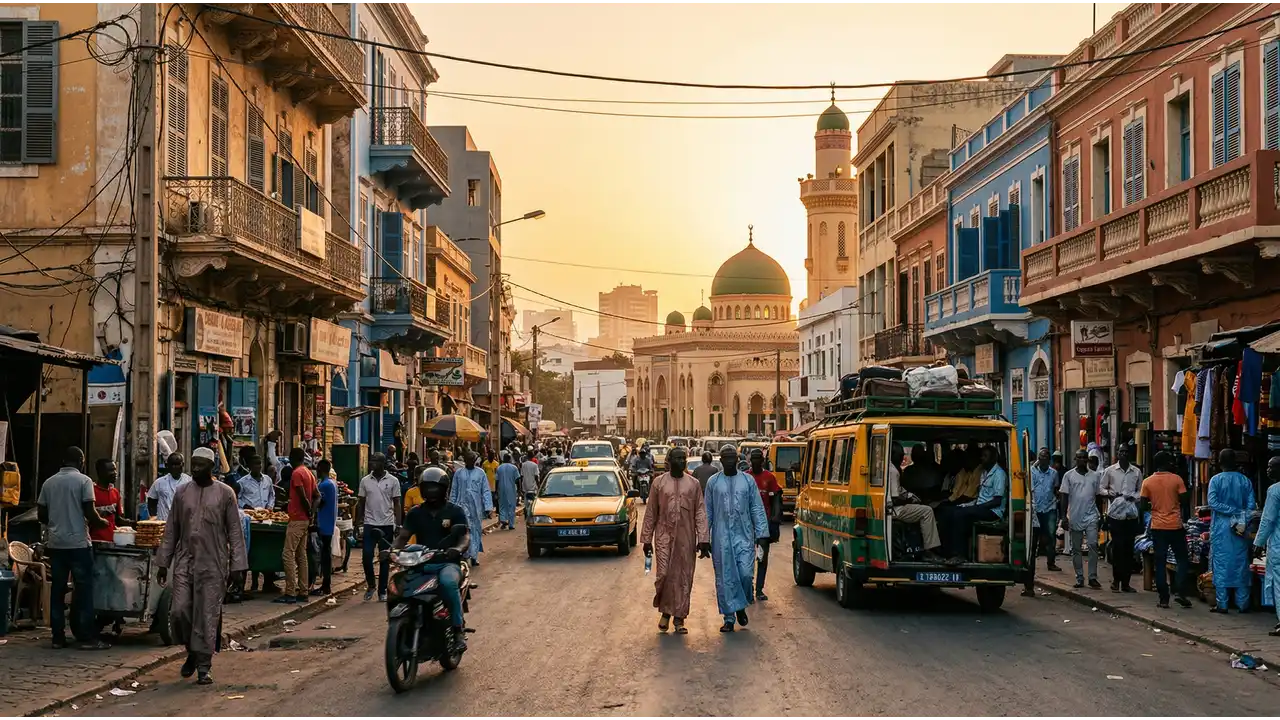
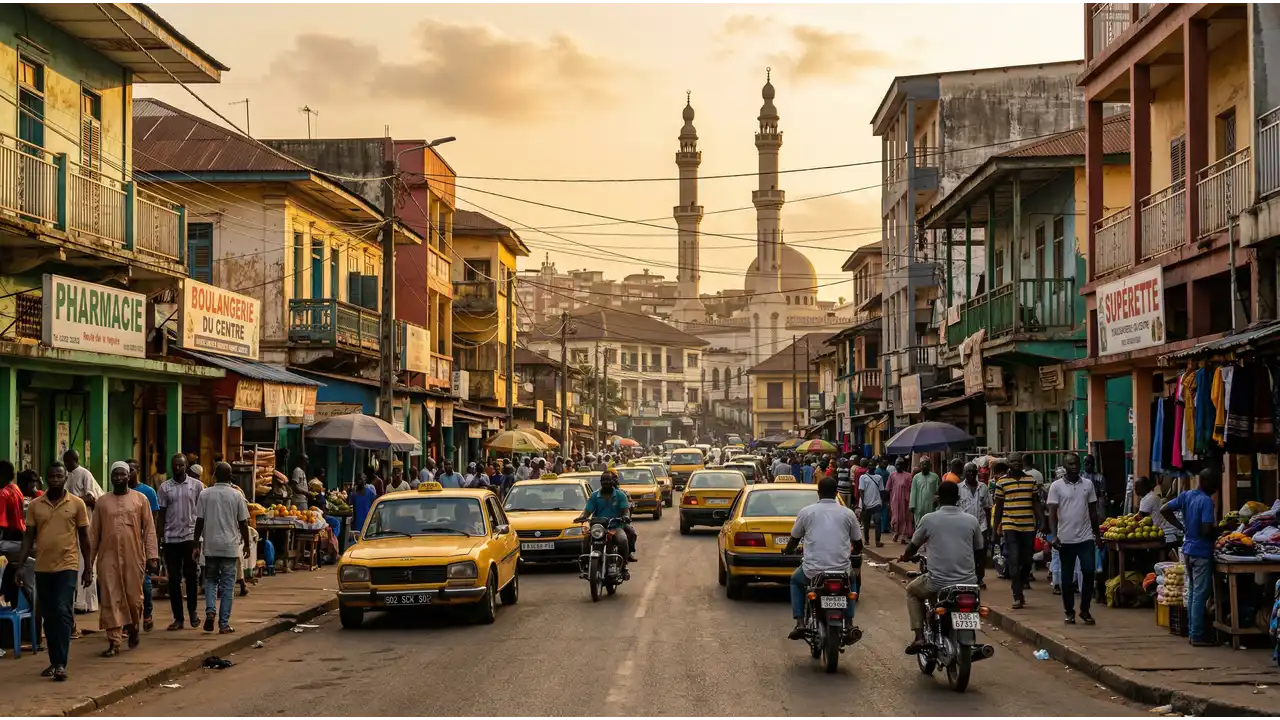
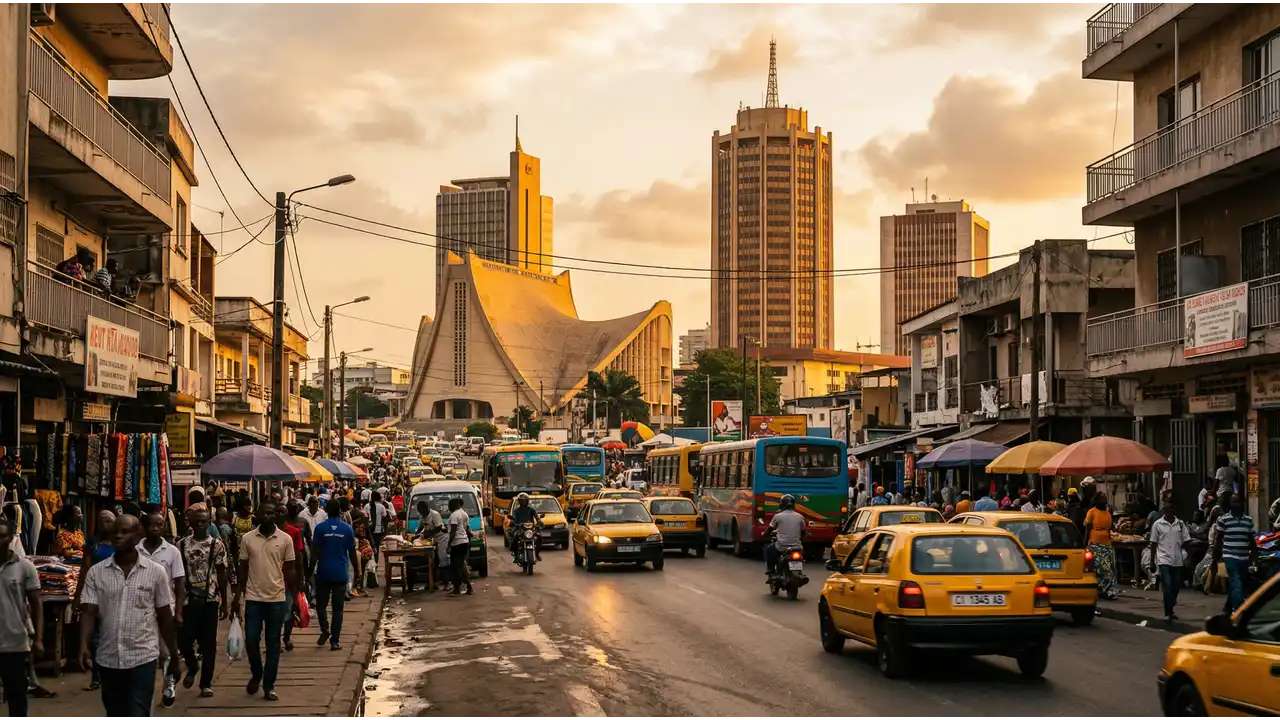
Dakar is Senegal's capital and West Africa's westernmost city, sitting on the Cap-Vert Peninsula. It is the economic and administrative hub of the country, with a population around 1 million in the metropolitan area. Daily life centers on navigating dense traffic, shopping in markets and supermarkets, and dealing with a hot, humid tropical climate year-round. The city has distinct neighborhoods ranging from the colonial-era Plateau to beachfront Ngor and the sprawling suburbs of Pikine and Guédiawaye. French remains the official language, though Wolof is widely spoken. Most expats live in Plateau, Almadies, or Ngor, where services and international amenities are concentrated. The Atlantic coast defines the city's character, and power outages and water shortages still occur, though infrastructure has improved.
💡 Local Insights
Dakar · 2026
Dakar's cost of living sits at $1,400/month for a moderate lifestyle, with real expenses varying sharply by neighborhood and consumption choices. Housing is the largest variable. The $532/month figure listed is Senegal's national average inherited from broader data; Dakar's actual rental market is substantially higher. A modest one-bedroom apartment in central neighborhoods like Plateau or Almadies rents for $400 to $700 per month, while expat-oriented furnished apartments or larger spaces run $800 to $1,500. Groceries at $280/month are reasonable if you shop at local markets (rice, vegetables, fish are cheap) and use supermarkets selectively. Western imports cost triple local equivalents. Eating out ranges from street food at $1 to $3 per meal to restaurant dinners at $12 to $25. Transportation is inexpensive: shared minibus rides cost $0.30 to $0.50, though fuel prices fluctuate with global markets. Expats typically spend more on housing, private transport, and imported goods than locals. Utilities (electricity, water, internet) add $50 to $120 monthly depending on usage and power cuts. Local staff or service workers earn $100 to $300/month, shaping price expectations between resident groups.
Frequently Asked Questions
How much does it cost to live in Dakar per month?
A moderate lifestyle in Dakar costs $1,400/month. This breaks down roughly as housing ($532, the national figure), groceries ($280/month), transport ($40 to $80), utilities ($60 to $100), and discretionary spending on dining, entertainment, and goods ($400 to $500). The budget tier runs $840/month if you rent cheaply outside central areas, cook all meals, and minimize eating out. A comfortable lifestyle with more space, dining flexibility, and services costs $2,170/month. Individual costs vary significantly based on neighborhood, whether you use private transport, and how much you rely on imported goods.
What is the average rent in Dakar?
The $532/month housing figure shown is Senegal's national average, not a Dakar-specific measurement. Dakar's actual rental market is considerably higher. In central neighborhoods like Plateau, Almadies, and Ngor, one-bedroom apartments typically rent for $400 to $700/month for older buildings or smaller spaces, rising to $900 to $1,500 for modern, furnished, or larger units. Outside the center, in Parcelles Assainies or Point E, rents fall to $300 to $500. Utilities (electricity, water, internet) add another $60 to $120. Furnished short-term rentals command premiums. Most expats spend $600 to $1,200 on housing to access reliable power, water, and security.
Is Dakar cheap to live in for expats?
Dakar is moderately priced for expats relative to European or North American cities, but not particularly cheap by West African standards. Housing costs exceed comparable cities like Accra or Lagos if you want reliable infrastructure. A furnished, expat-ready apartment costs $800 to $1,500/month. Food, if you cook with local ingredients, is inexpensive; imported goods double or triple prices. Domestic help (cleaning, cooking) remains affordable at $100 to $250/month. The real cost driver is housing quality and reliability. Expats comfortable with local standards and markets can live on $1,400/month; those expecting consistent services and Western amenities should budget $2,000 to $2,500.
How much does food cost per month in Dakar?
Groceries cost roughly $280/month on a moderate budget if you shop local markets and cook at home. Staples are cheap: rice costs $0.60/kg, tomatoes $0.50/kg, fresh fish $3 to $5/kg, eggs $0.15 each, and bread $0.30/loaf. Imported items (cheese, cereal, canned goods) cost 2 to 3 times more than in the US or Europe. Eating out ranges from $1 to $3 for street food and casual restaurants to $12 to $25 for sit-down dining in expat areas. A month of eating out three times weekly adds $150 to $300. Local supermarkets (Carrefour, Win) offer convenience at higher prices than markets. Budget-conscious expats and locals typically spend $200 to $350/month on food.
What salary do you need to live comfortably in Dakar?
A comfortable lifestyle in Dakar costs $2,170/month. This covers spacious or well-located housing ($700 to $1,000), regular dining out and entertainment ($400 to $500), private transportation or regular taxi use ($100 to $150), utilities and services ($80 to $120), and discretionary spending. Expats typically earn more than this to account for housing preferences, health insurance, and occasional travel. A monthly salary of $2,500 to $3,500 provides genuine comfort with flexibility for dining, services, and occasional international flights. Those prioritizing savings or lower-cost living can manage at $1,400 to $1,800.
How does the cost of living in Dakar compare to other places?
Dakar sits in the middle range for West African cities. A moderate lifestyle runs $1,400 per month here, which puts it slightly higher than Lagos at $1,300 but well below Abidjan at $1,675. If you're coming from Ibadan, expect to spend considerably more; that city costs $1,025 monthly.
Housing follows a similar pattern. Dakar's moderate housing comes to $532 per month. Lagos residents pay $779 for comparable accommodation, while Ibadan renters spend $390. Abidjan is notably pricier at $910 per month for housing.
The difference often hinges on your lifestyle choices and neighborhood. Dakar offers relatively good value for a major Atlantic coastal city, though it's not the cheapest option in the region. If budget is your primary concern, Ibadan is noticeably cheaper across the board.
Yes, but with significant constraints. At $840/month, you must rent outside central neighborhoods (Parcelles Assainies, Guédiawaye) for $200 to $300, spend $200 to $250 on groceries using local markets exclusively, keep utilities low with careful usage, and avoid eating out or buying imported goods. Transport costs under $30/month using shared minibuses. This budget supports a basic, functional lifestyle similar to what locals on modest incomes live. You sacrifice proximity to central amenities, may experience power or water outages, and have minimal discretionary spending. It is viable for long-term expats willing to adapt to local standards, but uncomfortable for those expecting Western amenities or regular dining out. Most expats find this budget genuinely restrictive.