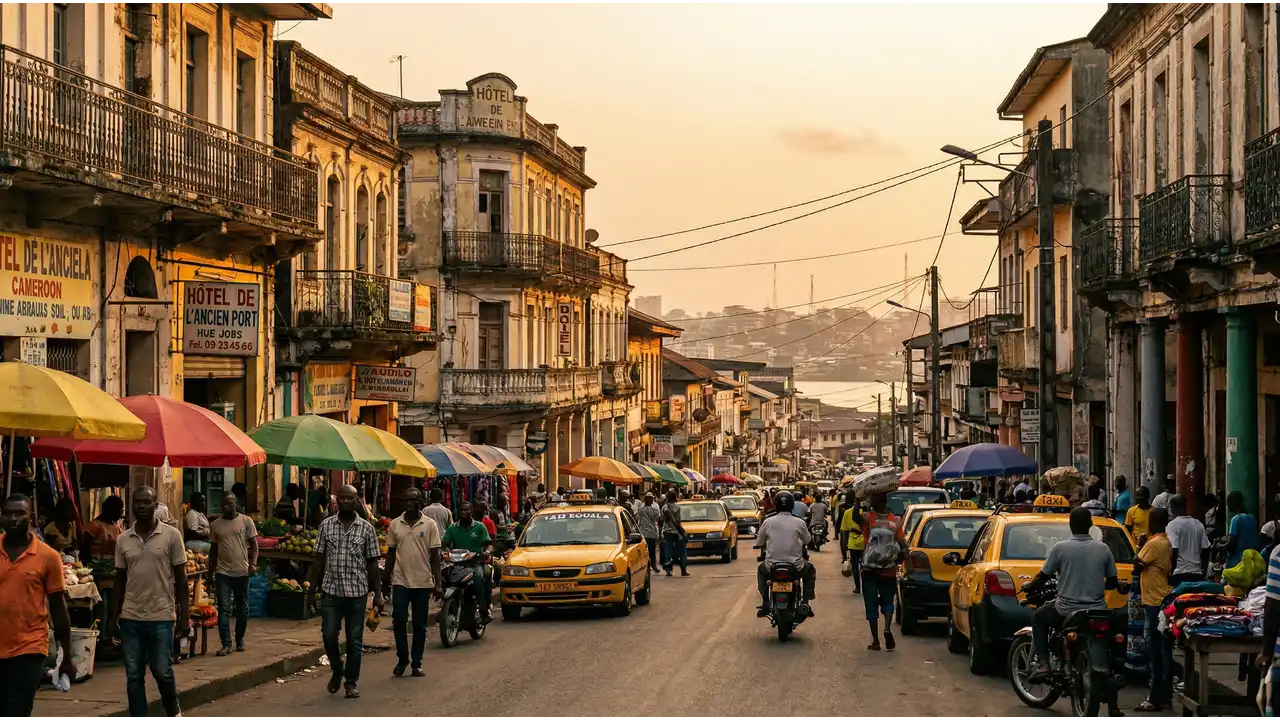
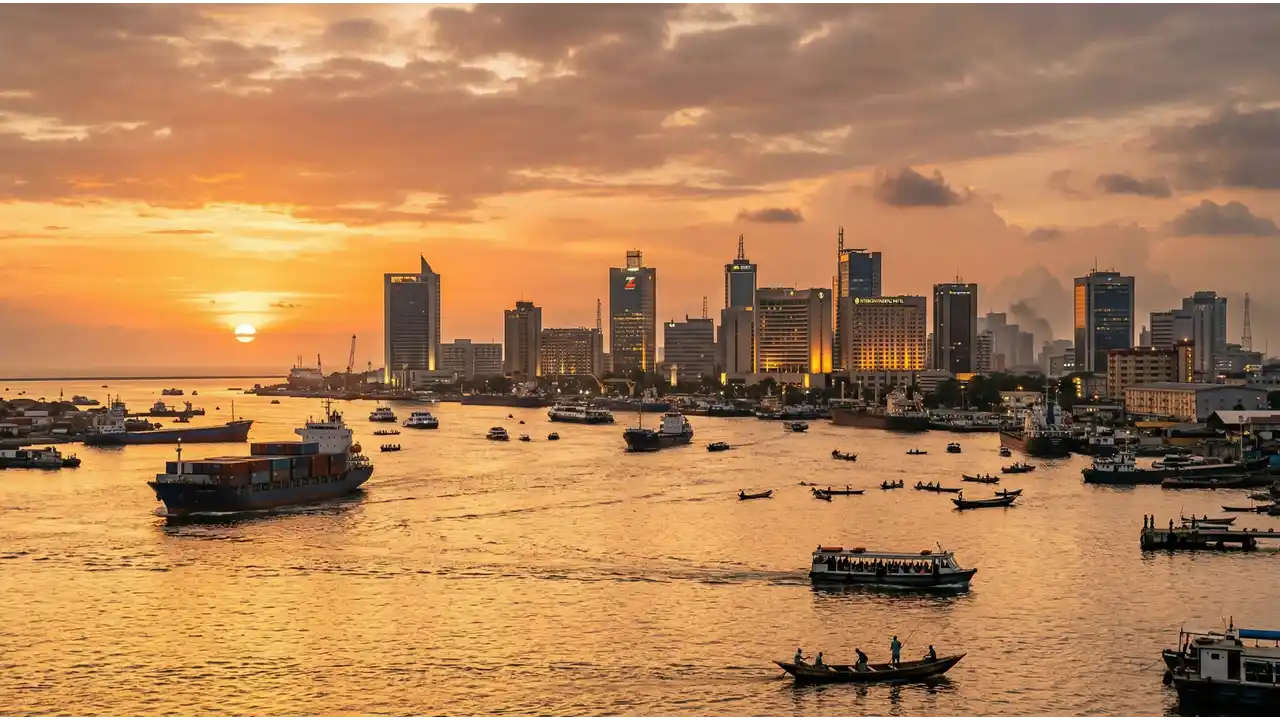
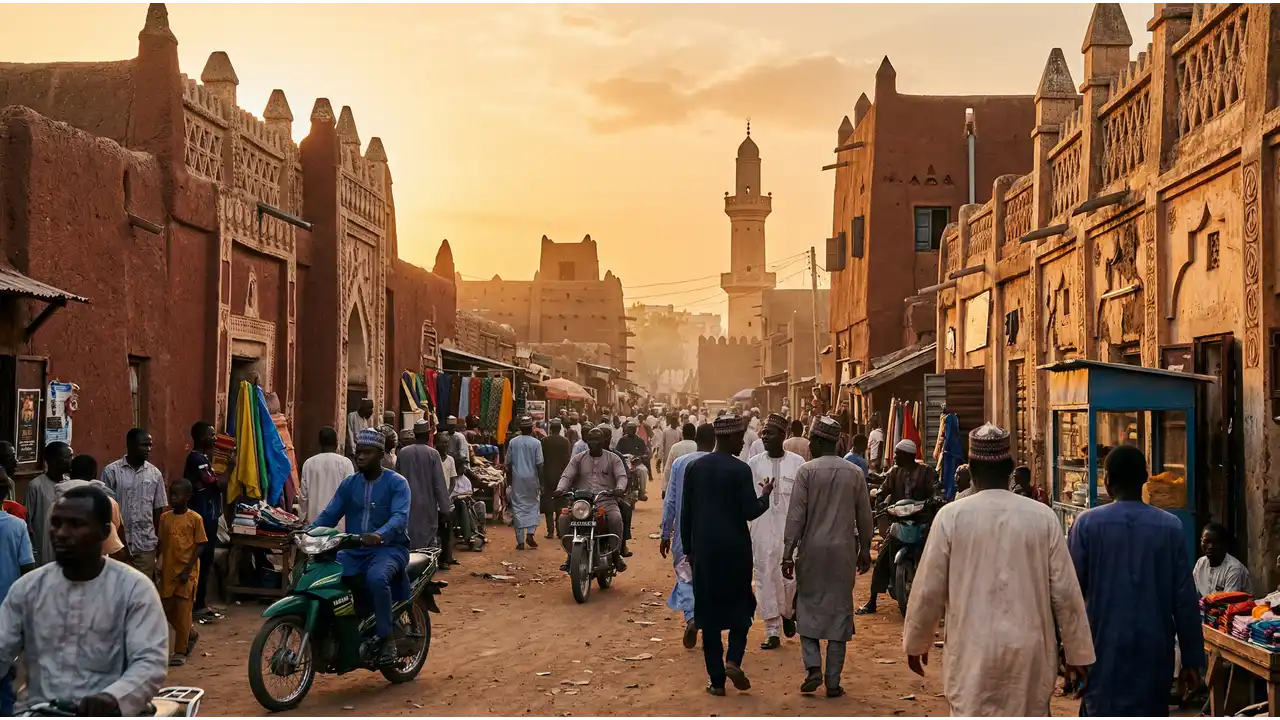
Douala is Cameroon's primary economic hub and main port city, with a population around 4 million. The climate is tropical and humid year-round, with heavy rainfall from June to October. Daily life centers on commerce, informal trade, and port activity. Traffic congestion is common, especially during business hours. The city has significant expat populations from France, China, and other trading nations. Infrastructure is inconsistent: some neighborhoods have reliable electricity and water, others do not. French and Pidgin English are widely spoken alongside Cameroon languages. Cost pressures come from import dependency and limited local competition in many goods categories.
💡 Local Insights
Douala · 2026
Douala's cost of living reflects its role as Cameroon's commercial center. Housing costs inherit Cameroon's national figure of $466/month, as Douala lacks a separate rent measurement. In practice, furnished one-bedroom apartments in central neighborhoods like Akwa or Bonanjo range from $300 to $700 depending on condition and amenities. Unregistered rentals and informal agreements are common, so written contracts matter. Food costs $245/month on average for groceries. Local markets offer inexpensive produce, cassava, and fish, but imported goods carry steep markups. A kilogram of local plantains costs around $0.50; imported cheese runs $8 to $12 per 500 grams. Eating at street food vendors is cheaper than restaurants. Transport relies on shared minibuses and motorcycles (about $0.50 per trip within the city). Taxis and ride-hailing apps cost more but are faster. Expats often spend more due to preferences for imported food, private security, and air-conditioned accommodations. Power and water availability varies by neighborhood, affecting real living costs not fully captured in headline figures.
Frequently Asked Questions
How much does it cost to live in Douala per month?
A moderate lifestyle in Douala costs $1,225/month. Housing is $466/month (the Cameroon national figure), groceries are $245/month, and the remainder covers utilities, transport, dining out, and personal goods. This assumes a one-bedroom apartment in a safe neighborhood, regular use of shared transport, and occasional restaurant meals. A budget lifestyle runs $735/month, cutting back on dining out and housing comfort. A comfortable lifestyle costs $1,899/month, which includes better housing, frequent restaurant meals, and private transport.
What is the average rent in Douala?
The $466/month housing figure is Cameroon's national estimate that Douala inherits; it is not a separate measurement for Douala's actual rental market. Rents in Douala vary widely by neighborhood. In central areas like Akwa, unfurnished one-bedroom apartments run $350 to $600/month. In less developed areas, you may find rentals for $200 to $350/month. Furnished apartments command premiums, sometimes $700 or more. Many rentals are informal, so agreements and payment terms vary significantly. Check neighborhoods in person before committing, as amenities like water pressure and electricity reliability differ substantially between buildings.
Is Douala cheap to live in for expats?
Douala is cheaper than Western cities but not as inexpensive as it appears. While housing and labor are affordable, expats typically pay more than locals because they seek specific amenities (reliable water, consistent power, air conditioning, security). Imported groceries cost two to three times local prices. Many expats budget $1,500 to $2,500/month to maintain a lifestyle they find acceptable, well above the moderate $1,225 figure. Expats without French face higher costs for translation and services. Living like a local (street food, shared transport, basic housing) reduces costs significantly but is not always practical for those unfamiliar with the city.
How much does food cost per month in Douala?
Groceries cost $245/month for a moderate diet of local staples. Markets sell cassava, plantains, rice, and eggs cheaply. Fresh fish from the port runs $2 to $4 per kilogram. Cooking oil, tomatoes, and onions are inexpensive. Imported goods carry heavy tariffs: European cheese costs $10 to $15 per 500 grams, canned goods $3 to $6, and breakfast cereals $5 to $8. Street food (grilled fish, rice, fried plantains) costs $1 to $3 per meal. Restaurants in Douala range from $3 to $15 per meal depending on cuisine and location. Eating primarily local and cooking at home keeps monthly food costs low. Regular restaurant dining doubles or triples the grocery budget.
What salary do you need to live comfortably in Douala?
A comfortable lifestyle in Douala costs $1,899/month. This budget covers a nicer one-bedroom or small two-bedroom apartment in a secure neighborhood, frequent restaurant meals, private or ride-hailing transport, and personal services like housekeeping or laundry. For expats, comfortable often means adding security measures, importing certain foods, and maintaining higher utility costs due to running air conditioning. Many expats earning $2,200 to $3,500/month feel financially secure. Those earning less can live well by adopting local habits; those earning more often choose to spend it on better housing and imported goods rather than strict necessity.
How does the cost of living in Douala compare to other places?
Douala sits in the middle range for West African cities. A moderate lifestyle costs $1,225 per month, with housing at $466 per month. That puts it slightly more expensive than Pretoria, which runs $1,175 monthly overall and $492 for housing. If you're comparing to southern Africa, Maputo is notably cheaper at $825 per month with $336 housing costs. By contrast, Kinshasa is significantly dearer at $1,675 monthly and $637 for housing. Douala's affordability depends on what you're coming from. Against major European or North American cities, it remains genuinely inexpensive. Against other Central African hubs, you're paying a modest premium for the port city's commercial infrastructure and relative stability. Your actual expenses will vary based on neighborhood choice and lifestyle preferences.
Yes, but with significant constraints. The budget tier of $735/month requires living in a modest neighborhood, cooking almost all meals at home using local ingredients, and relying on shared minibus transport. Basic housing costs $300 to $350/month in less central areas. Groceries for $200 to $250/month mean eating cassava, rice, eggs, and fresh market produce. This budget excludes regular restaurant meals, entertainment, and many imported goods. Internet and phone service are inexpensive (around $10 to $15/month), but any medical emergency or transport surprise strains the budget. Many Cameroonians live this way; expats typically struggle without adaptation to local living patterns.