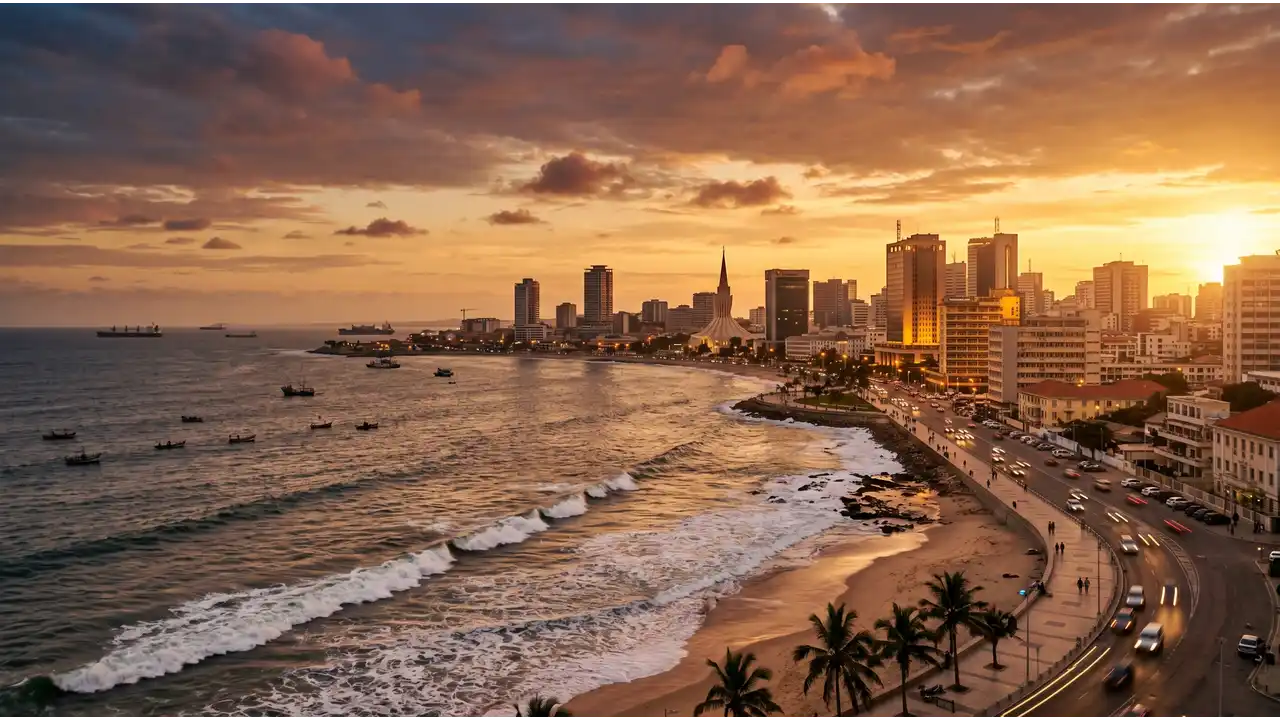
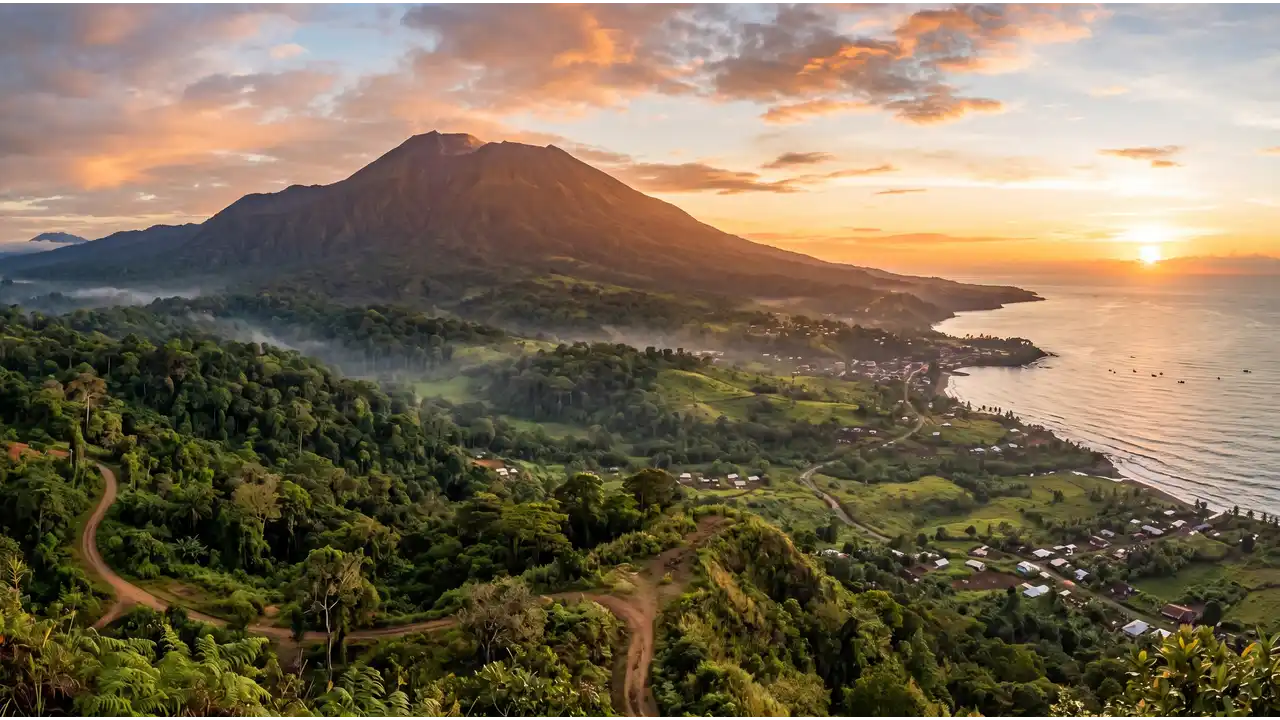
The Democratic Republic of Congo is Africa's second-largest country by area, with Kinshasa as its capital and largest city. Daily life centers on informal commerce, street markets, and a young population (median age 17). The climate is tropical and humid year-round, with rainy seasons from October to May and April to September in different regions. Most infrastructure outside major cities is limited. Power outages are common. Healthcare and education systems are underdeveloped outside private facilities. For expats, Kinshasa offers the most services, though conditions remain basic by Western standards. Local languages include Lingala and Tshiluba; French is official but English proficiency is low outside business circles.
💡 Local Insights
DR Congo · 2026
DR Congo's cost of living reflects extreme economic volatility and currency instability. The Congolese franc fluctuates sharply against the dollar, making dollar-based budgets essential for expats. Housing costs around $637/month anchor primarily to Kinshasa, where most expat accommodation clusters in specific neighborhoods like Gombe or Kinshasa. Expatriate housing (secure apartments with backup power and water) runs higher; local housing is significantly cheaper but often lacks utilities. Groceries cost roughly $335/month for basic local staples (cassava, rice, beans, palm oil) and imported goods. Imported items carry substantial markups. Transportation relies on shared minibuses (cheap but crowded), motorcycle taxis (informal, negotiated fares), and private drivers (common for expats). Security concerns and lack of banking infrastructure affect how expats manage money and access services. Dual pricing (expat vs local) is standard for housing and some services.
Frequently Asked Questions
How much does it cost to live in DR Congo per month?
A moderate lifestyle costs around $1,675/month. This breaks down to $637/month for housing, $335/month for groceries, and the remainder for transport, utilities, healthcare, and discretionary spending. A budget tier runs $1,005/month (minimal housing, basic food, no luxuries). A comfortable lifestyle costs $2,596/month, which includes better housing, reliable utilities, dining out, and private transport. Costs vary significantly between Kinshasa and provincial cities. Exchange rate swings against the Congolese franc add unpredictability.
What is the average rent in DR Congo?
Average rent is approximately $637/month, though this varies sharply by neighborhood and tenant type. In Kinshasa, expat-standard apartments (secure, with backup power and water systems) range from $600 to $1,200 per month. Local housing in residential areas costs $300 to $500/month. Basic rooms rent for $100 to $250/month. Outside Kinshasa, rents drop 40 to 60 percent. Landlords often demand payment in advance or in USD. Lease agreements are informal and subject to renegotiation. Utilities (electricity, water) are unreliable and add $50 to $150/month depending on neighborhood.
Is DR Congo cheap to live in for expats?
Yes, but with caveats. Dollar-denominated expat housing and services are cheaper than major African hubs like Lagos or Johannesburg. However, expats pay a substantial markup over local prices for secure housing, imported food, and reliable utilities. Security costs (drivers, guards) are routine and not captured in basic cost estimates. The Congolese franc's volatility makes long-term budgeting difficult. Power and water outages are frequent, forcing reliance on generators and water delivery (added expenses). Access to quality healthcare often requires travel to South Africa or Europe. For budget-conscious expats comfortable with local conditions, DR Congo is inexpensive. For those requiring expatriate standards, costs rise significantly.
How much does food cost per month in DR Congo?
Groceries for a month average $335/month for basic local staples. A weekly market basket of cassava flour, rice, beans, plantains, and local vegetables costs $15 to $25. Imported goods (cheese, packaged snacks, canned items) carry 100 to 200 percent markups and are available mainly in Kinshasa. Eating at street food stalls (grilled meat, cassava bread, bean sauce) costs $1 to $3 per meal. Mid-range restaurants in Kinshasa charge $8 to $15 per meal. Protein is expensive; meat and fish are luxury items for most locals. Tap water is unsafe; bottled water adds $10 to $20/month per person.
What salary do you need to live comfortably in DR Congo?
A comfortable lifestyle requires around $2,596/month. This covers secure, well-maintained housing ($800 to $1,000), consistent utilities and backup power, reliable transportation (private driver or vehicle), occasional dining out, and decent healthcare access. Expats with families or requiring international schooling need significantly more (private school fees run $5,000 to $15,000/year). That budget also assumes access to imported groceries and occasional travel outside the country. Salaries for expat positions are typically paid in USD. Local employment income is rarely sufficient for comfort; most expat employees receive hardship allowances on top of base salary.
How does the cost of living in DR Congo compare to other places?
DR Congo sits in the middle tier for Central African costs. A moderate lifestyle runs $1,675 per month, with housing at $637 monthly. That makes it notably more expensive than Cameroon, where a moderate lifestyle costs $1,225 per month and housing runs $466 per month. Ethiopia, a peer economy, comes in at $1,400 for a moderate lifestyle with housing at $750 per month, putting it slightly cheaper overall despite higher rents. By contrast, the Seychelles operates in a different bracket entirely at $2,050 per month for moderate living and $1,132 for housing. Within DR Congo itself, your actual costs depend heavily on which city you're in. Kinshasa commands premium prices, while smaller provincial towns are measurably cheaper. Exchange rate fluctuations also affect what your money stretches to, particularly for imported goods.
Yes, but only on a strict budget and with local-style accommodation. At this level, rent is $300 to $400/month in provincial cities or basic neighborhoods in Kinshasa. Food costs $200 to $250/month buying local staples from markets and eating street food. Transport runs $30 to $50/month on shared minibuses. Healthcare, phone, and utilities total roughly $150 to $200/month, leaving little buffer. This budget excludes leisure, travel, security measures, and imported goods. It works for long-term residents with language skills and local contacts. Expats without local support systems will struggle; unexpected costs (medical, transport, repairs) quickly exceed this threshold.