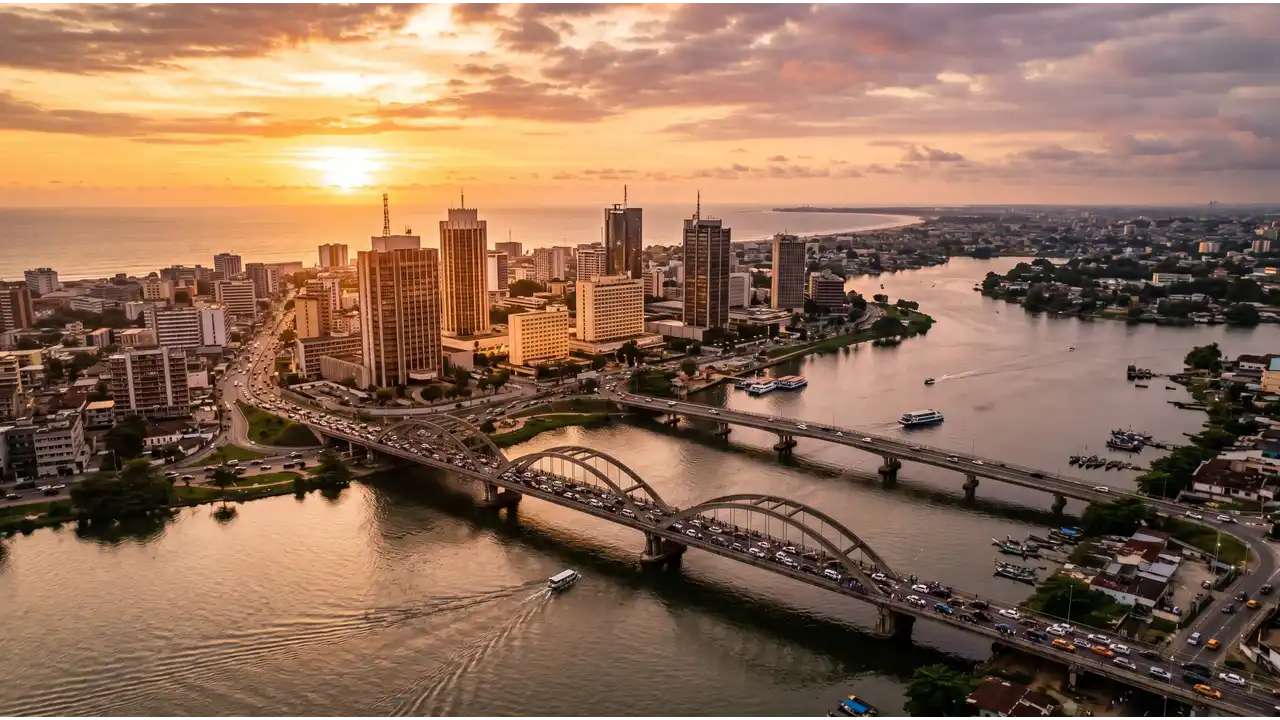
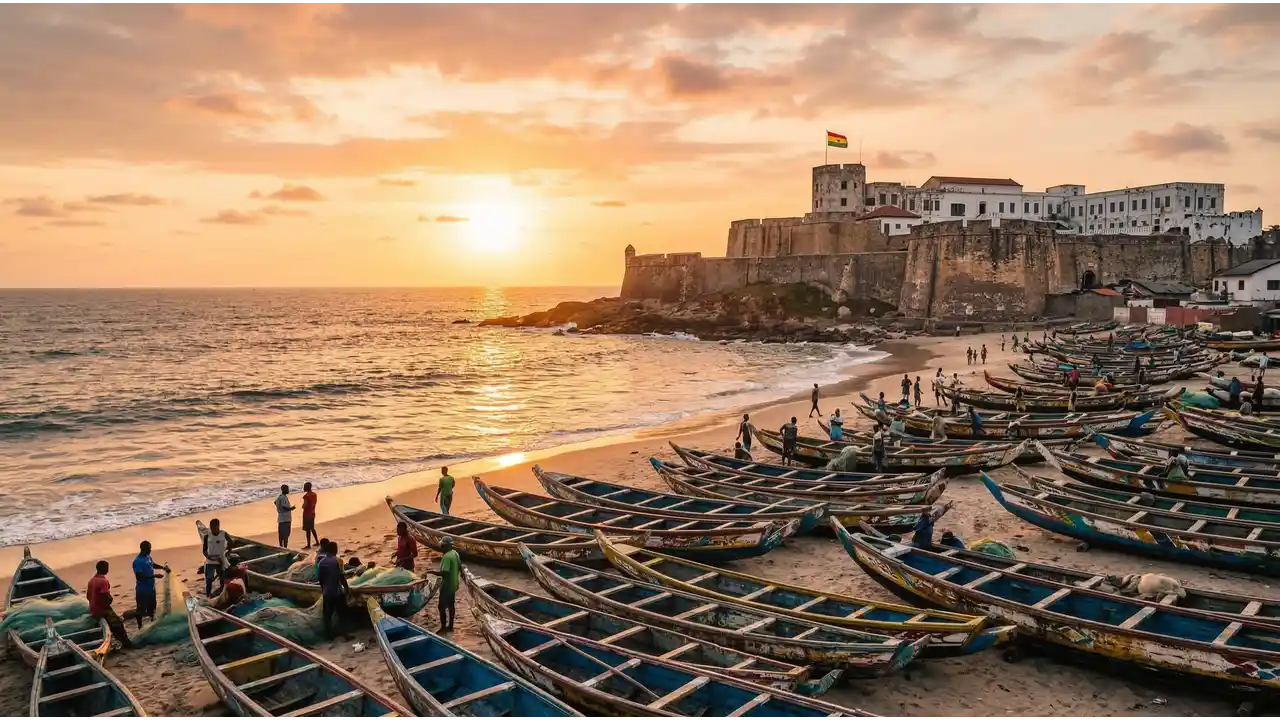
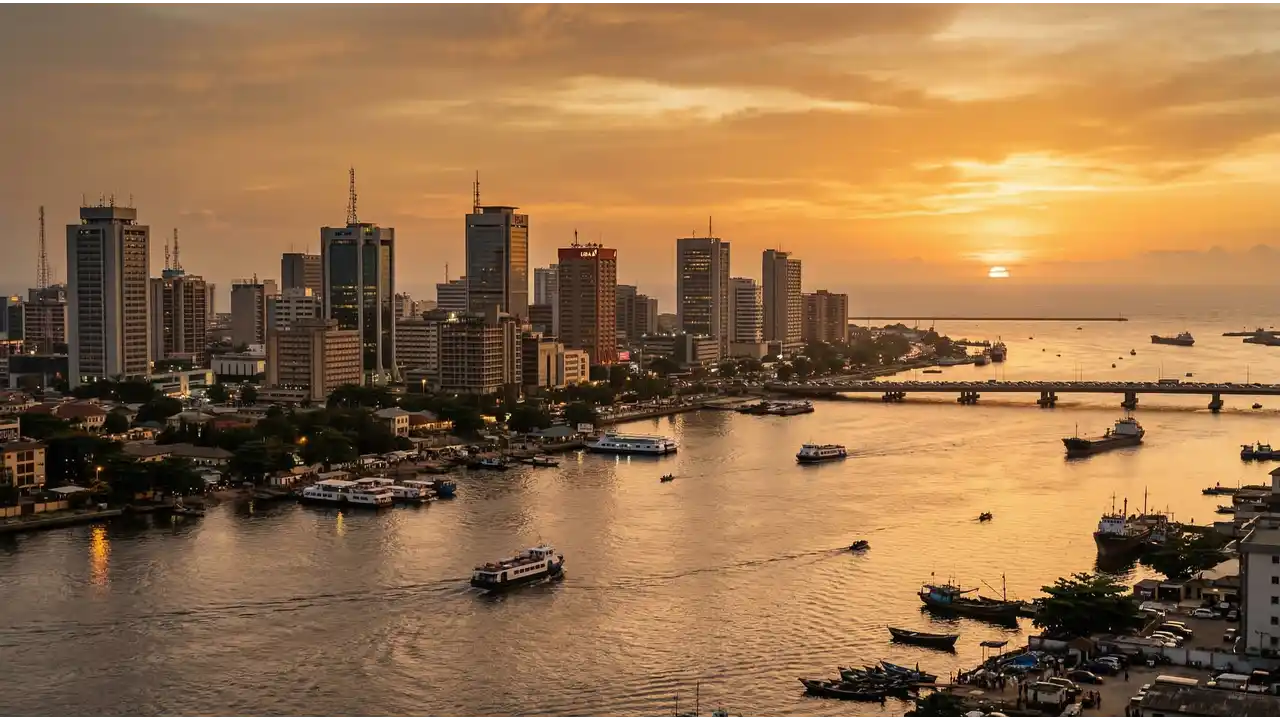
Ivory Coast is West Africa's largest economy, centered on Abidjan, a port city of roughly 4 million people. The country is predominantly French-speaking, with Akan and other local languages. Daily life revolves around work, family, and informal trade. The climate is tropical, humid year-round, with a rainy season from May to October. Infrastructure varies sharply: Abidjan has paved roads, electricity, and internet; rural areas are less developed. The cost of living is low by global standards, but expat enclaves and imported goods command premiums. Most everyday interactions happen in French.
💡 Local Insights
Ivory Coast · 2026
Abidjan drives the cost picture. Housing in central neighborhoods like Cocody or Plateau runs $400 to $650 per month for a modest one-bedroom apartment, while outlying areas cost less. The $523 monthly housing figure reflects typical expat rentals outside premium compounds. Utilities (water, electricity, internet) add $50 to $100. Groceries at local markets are genuinely cheap: rice, cassava, plantains, fish, and chicken cost far less than in Europe or North America. A month of eating locally costs around $275. Imported goods (cheese, wine, processed foods) cost double or triple home prices. Transport is inexpensive: taxis cost $1 to $3 per trip, and motos (motorcycles) are the fastest way around Abidjan's traffic. Expats often pay more than locals for the same services, a reality built into these figures. Internet and phone service are reliable and cheap ($15 to $25 per month). Healthcare costs vary wildly: basic care is affordable, but serious conditions require traveling to Ghana or Europe.
Frequently Asked Questions
How much does it cost to live in Ivory Coast per month?
A moderate lifestyle in Ivory Coast costs $1,375 per month. This covers housing around $523, groceries about $275, utilities roughly $75, transport $40, and discretionary spending on dining, entertainment, and personal goods. A more frugal budget runs $825 monthly, cutting back on dining out and imported items. A comfortable lifestyle, with nicer accommodation and regular restaurant meals, costs $2,131 per month. All figures assume living in Abidjan, where costs are highest; smaller cities are cheaper.
What is the average rent in Ivory Coast?
Monthly housing costs in Abidjan average $523. A one-bedroom apartment in central neighborhoods like Cocody rents for $400 to $600; beachfront areas cost $500 to $700. Two-bedroom places run $600 to $900. Outside Abidjan, in cities like Yamoussoukro or Bouaké, rent drops by 30 to 50 percent. Expats typically pay more than locals for identical properties. Lease terms are often negotiable, and advance deposits of one to two months are standard. Internet and utilities are usually tenant responsibility.
Is Ivory Coast cheap to live in for expats?
Ivory Coast is genuinely affordable compared to Western Europe, North America, or most of sub-Saharan Africa. At $1,375 per month, a moderate lifestyle is achievable without compromise. Housing and local food are inexpensive. However, expats pay premiums: imported goods cost two to three times home prices, international schools are expensive (if you have children), and healthcare for serious conditions requires travel. The cost advantage shrinks if you rely heavily on imports or Western conveniences. For remote workers earning in dollars or euros, the value is substantial.
How much does food cost per month in Ivory Coast?
Groceries cost roughly $275 per month buying at local markets: rice, cassava, plantains, fish, chicken, and seasonal vegetables are cheap. A kilogram of fish costs $2 to $4, chicken $3 to $5 per kilogram, rice under $1 per kilogram. Imported goods at supermarkets cost more: European cheese $8 to $12 per 200 grams, wine $8 to $20 per bottle. Eating out at street stalls costs $1 to $3 for a meal; mid-range restaurants charge $5 to $12. Expats cooking at home spend far less than those eating out regularly.
What salary do you need to live comfortably in Ivory Coast?
A comfortable lifestyle in Ivory Coast requires $2,131 per month. This budget allows for a nicer one or two-bedroom apartment in a good neighborhood, regular restaurant meals, reliable transport, and modest entertainment. Remote workers earning $2,500 to $3,000 per month (in dollars or euros) live very well. Local salaries are much lower: the average formal sector wage is around $300 to $500 monthly, which is why most Ivorians live on far less. For expats, comfort depends less on salary than on currency stability and whether income is earned locally or abroad.
How does the cost of living in Ivory Coast compare to other places?
The Ivory Coast's moderate lifestyle costs $1,375 per month, positioning it in the middle range for West Africa. Ghana is considerably cheaper at $950 per month, making it one of the most affordable options in the region. Cameroon runs $1,225 per month, slightly below the Ivory Coast. If you're comparing to island nations, the Seychelles is substantially more expensive at $2,050 per month. Housing specifically in the Ivory Coast averages $523 monthly at the moderate tier. This is slightly higher than Ghana's $447 and Cameroon's $466, but far lower than the Seychelles at $1,132. The Ivory Coast therefore offers a reasonable middle ground for expats and travelers in West Africa, less costly than island alternatives but pricier than some neighboring mainland countries.
Yes, $825 per month is viable in Ivory Coast if you live modestly. This budget means renting a small apartment outside central Abidjan ($300 to $400), eating entirely from local markets ($200 to $225), and minimizing transport and dining out ($100 to $150). You'll have internet and phone but little left for entertainment, travel, or emergencies. Unexpected costs (medical, repairs) will strain this budget. It works for people comfortable with a local lifestyle, minimal Western imports, and no dependents. Remote workers can comfortably operate at this level; anyone earning locally should expect this to be tight.