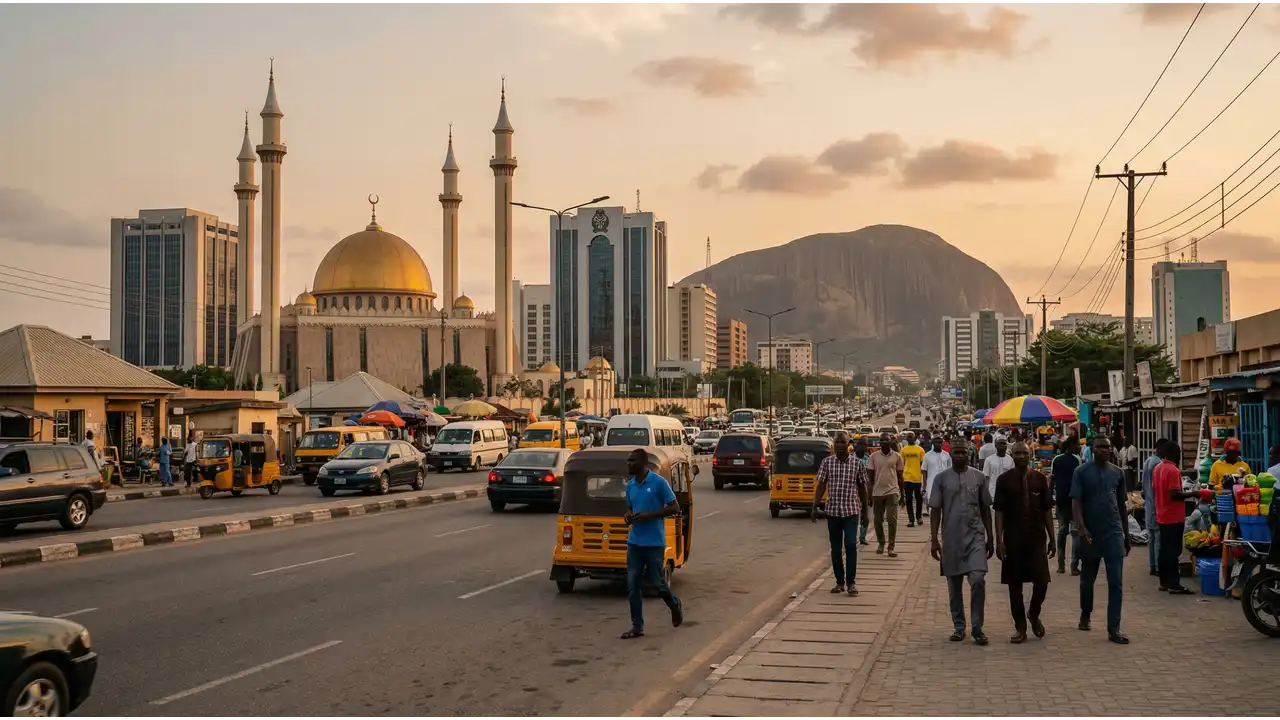
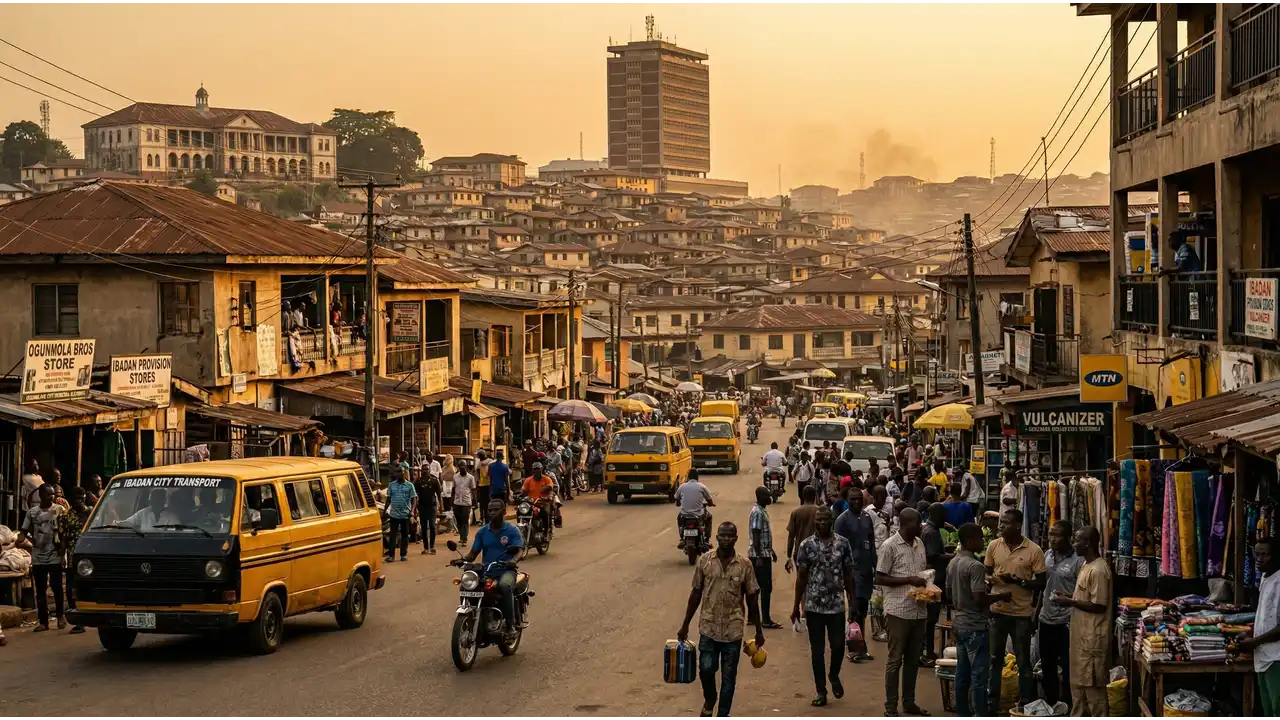
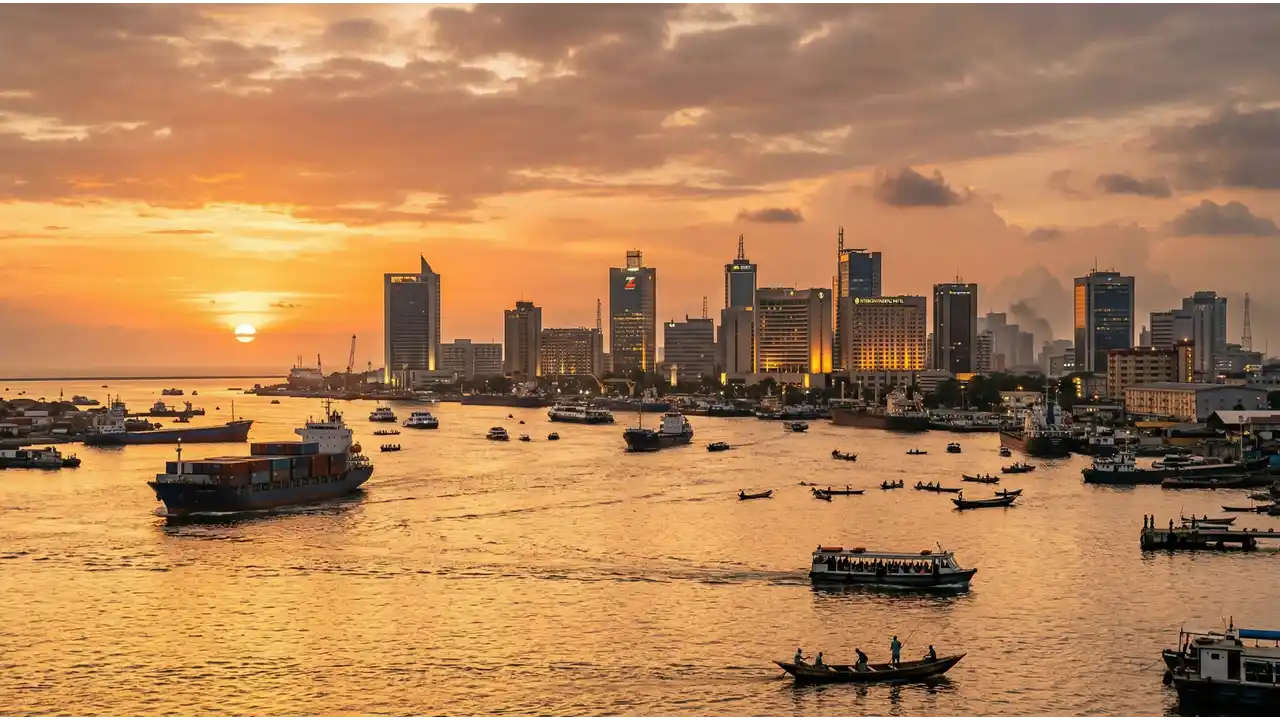
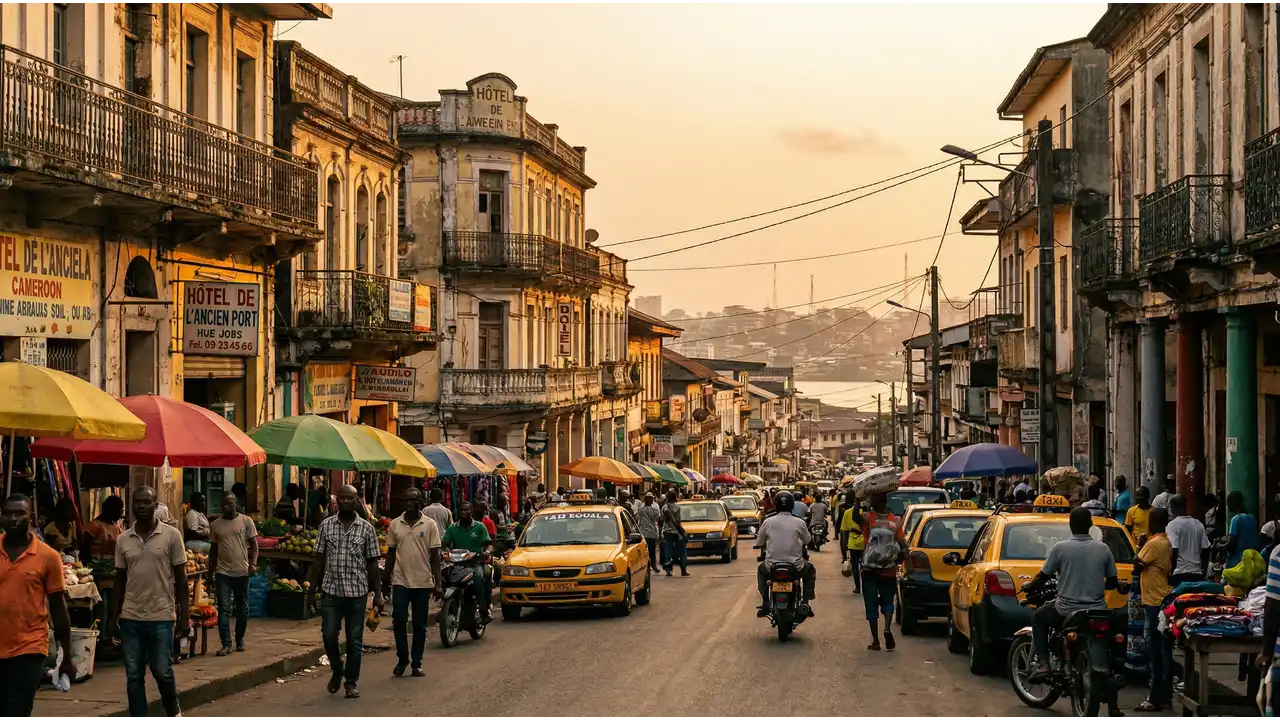
Kano is Nigeria's second-largest city and a major commercial and manufacturing hub in the north. The population exceeds 4 million. Daily life centers on trade, textiles, leather goods, and agriculture. The climate is hot and dry, with temperatures regularly exceeding 35 degrees Celsius (95 Fahrenheit) during the hot season from March to May. The city has a dense urban core with sprawling residential areas. Most residents are Hausa-Fulani, and Islam shapes daily rhythms. Infrastructure is functional but inconsistent: electricity is unreliable, water supply is intermittent, and roads range from paved to rough. Traffic is heavy during peak hours. The pace is faster than rural areas but slower than Lagos.
💡 Local Insights
Kano · 2026
Kano's cost of living reflects Nigeria's inflation and a dual-price market where expats and foreigners often pay more than locals for the same goods and services. The $390/month housing figure is Nigeria's countrywide average, inherited by Kano because no separate local rent survey exists. Local rent reality varies: a simple one-bedroom apartment in older residential areas like Fagge or Sabon Gari runs lower, while newer compounds in Nasarawa or GRA (Government Reserved Area) command more. Groceries at $205/month reflect local markets where staple grains, beans, tomatoes, and leafy greens are cheap when purchased fresh from markets rather than supermarkets. Expat-oriented stores charge 30 to 50 percent premiums. Transport is inexpensive: shared minibuses (danfo) cost under $1 per trip; motorcycle taxis (okada) are $0.50 to $1. Water and electricity are paid separately and depend on supply reliability, not metered consumption. Healthcare, education, and fuel add variable costs. Petty inflation is common; quote prices in local currency (Naira) when negotiating rent or services.
Frequently Asked Questions
How much does it cost to live in Kano per month?
A moderate lifestyle in Kano costs around $1,025/month. This covers housing at $390/month, groceries at $205/month, transport, utilities, and other essentials. A tighter budget runs $615/month (housing, basic food, minimal transport, no dining out). A comfortable lifestyle with frequent dining out, reliable utilities, and security adds up to $1,589/month. These are broad estimates; actual spending depends heavily on whether you buy from local markets or expat-oriented shops, and whether you employ household help.
What is the average rent in Kano?
The $390/month housing figure shown here is Nigeria's national average, which Kano inherits because no separate rent survey exists for the city itself. Local rent in Kano varies widely by neighborhood and quality. Older residential areas like Fagge offer simple one-bedroom compounds for under $200/month. Newer developments in Nasarawa or GRA (Government Reserved Area) start around $400 to $600/month for a one-bedroom with better utilities. Expats often pay a premium, sometimes 50 percent more than locals for identical properties. Rental agreements are typically verbal or informal; always negotiate and confirm terms in writing.
Is Kano cheap to live in for expats?
Kano is cheaper than Lagos or Abuja, and significantly cheaper than most Western cities. However, expats rarely access the lowest local prices. You will pay more for reliable housing, electricity backup (generators), bottled water, imported groceries, and security. Expats accustomed to North American or European costs will find Kano very affordable; those moving from Southeast Asia may find it comparable or slightly more expensive. Your actual cost depends on your standards for comfort, utilities, and diet. Many expats spend $1,200 to $1,800/month to live well.
How much does food cost per month in Kano?
Groceries for a moderate diet run $205/month at local markets. Fresh tomatoes, onions, peppers, rice, beans, and leafy greens cost very little when bought at Sabon Gari market or neighborhood stalls. A kilogram of rice is around $0.50 to $0.80; a bundle of leafy greens is $0.20. Meat and fish are more variable. Imported goods (cheese, cereal, canned items) from supermarkets cost 2 to 3 times more. Eating out at local chop houses (simple restaurants) costs $1 to $3 per meal. Expat-oriented restaurants charge $8 to $15. Regular dining out pushes the food budget significantly higher.
What salary do you need to live comfortably in Kano?
A comfortable lifestyle in Kano costs around $1,589/month. This covers housing, adequate utilities, reliable water and electricity backup, groceries from both local and quality shops, occasional dining out, transport, and some buffer for unexpected costs. In Naira terms (using approximate current exchange rates), this is roughly 790,000 to 1,000,000 NGN per month, depending on your spending patterns. If you employ household help (cook, cleaner, guard), expect to add $100 to $200/month. For expats requiring Western-standard housing and services, budgeting $2,000 to $2,500/month is more realistic.
How does the cost of living in Kano compare to other places?
Kano is genuinely affordable compared to most major African cities. A moderate lifestyle here runs $1,025 per month, with housing at $390 per month.
You'll find Kano comparable to Kigali, where a moderate lifestyle costs $1,100 per month, though Kigali's housing is considerably steeper at $652 per month. If you're coming from Tunis, expect to pay more: Tunis runs $775 per month overall with housing at just $246 per month, making it cheaper on both counts. Dakar, by contrast, is noticeably pricier at $1,400 per month for a moderate lifestyle and $532 for housing.
The main cost difference in Kano comes down to what you eat, where you live, and how you move around. Basic transport and local food are inexpensive. Imported goods and Western-style amenities will stretch your budget significantly.
Yes, but with significant constraints. The budget tier of $615/month covers basic housing, minimal groceries (rice, beans, locally-sourced vegetables), and local transport. You will need to rent in older neighborhoods, buy exclusively from local markets, avoid restaurants, and accept intermittent or absent utilities. This budget leaves almost nothing for healthcare, phone service, or unexpected costs. Expats can technically survive on this, but reliability suffers: you may lack reliable electricity, water, or internet. It suits long-term residents integrated into local life, not those requiring Western-standard comfort. Most expats find $900 to $1,100/month more sustainable for basic comfort.