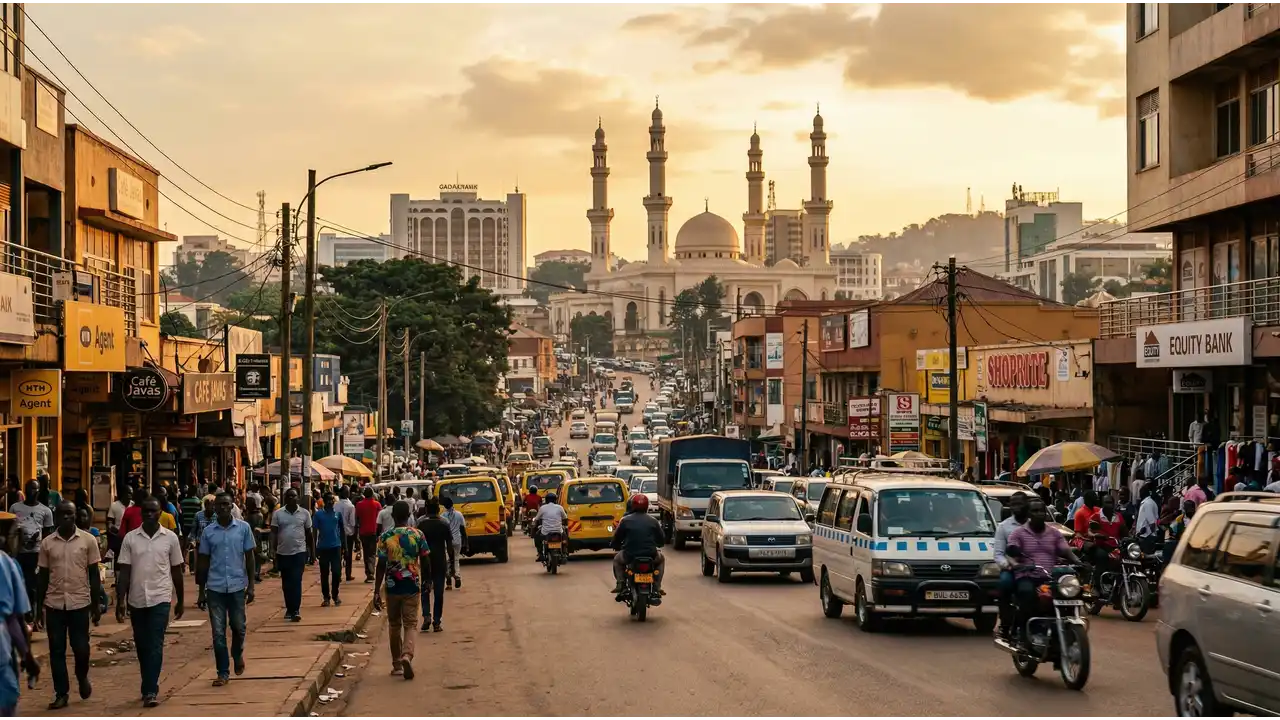
Kigali is Rwanda's capital and largest city, home to roughly 1.2 million people. It sits on steep hills in the country's central region with a tropical highland climate, meaning warm days and cool nights year-round, with rainy seasons April to May and October to November. The city has a mix of long-term expats (development workers, diplomats, business professionals), Rwandan professionals, and growing numbers of digital nomads and entrepreneurs. Daily life involves navigating hilly terrain on foot or by motorcycle taxi, shopping at mixed markets and supermarkets, and a social scene centered on restaurants, bars, and cafes in neighborhoods like Kiyovu and CBD.
💡 Local Insights
Kigali · 2026
Kigali's cost of living sits below most East African capitals but higher than rural Rwanda. Housing drives the largest expense at $652/month for a moderate lifestyle, concentrated in neighborhoods like Kiyovu, Remera, and Gacuriro where expat-oriented apartments rent for $500 to $850 for one-bedroom units. Local Rwandan neighborhoods offer cheaper options below $400. Groceries average $145/month if you shop at local markets and supermarkets like Nakumatt or Simba, buying produce at informal markets significantly reduces this. Eating out ranges from $2 to $4 at local restaurants to $12 to $20 at expat-oriented cafes. Transport is cheap, with motorcycle taxis costing $0.50 to $1.50 per ride and limited bus service. Expats typically pay more for imported goods, dining, and housing. Local pricing for groceries and transport applies to everyone who shops locally.
Frequently Asked Questions
How much does it cost to live in Kigali per month?
A moderate lifestyle costs $1,100/month. This breaks down to roughly $652/month for housing (one-bedroom apartment in mixed neighborhoods), $145/month for groceries, $80 to $120 for utilities and internet, $30 to $50 for transport, and $100 to $150 for dining out and entertainment. A tighter budget runs $660/month by sharing housing, cooking exclusively at home, and using public transport. A comfortable lifestyle with a larger apartment, regular dining out, and more activities costs $1,705/month.
What is the average rent in Kigali?
Average rent for a moderate one-bedroom apartment is $652/month. In central expat neighborhoods like Kiyovu and Remera, expect $650 to $850/month for furnished one-bedroom units with utilities. In less central but accessible areas like Gacuriro or Nyarutarama, $500 to $650/month is common. Rwandan-oriented neighborhoods away from the center offer $300 to $450/month. Two-bedroom apartments in central areas run $900 to $1,200/month. Prices rise for furnished, serviced, or newly renovated units. Long-term leases (12 months) negotiate lower rates than short-term rentals.
Is Kigali cheap to live in for expats?
Kigali is moderately priced for expats, cheaper than Nairobi or Dar es Salaam but more expensive than smaller Rwandan towns. Expats typically spend more than locals because they rent in neighborhoods with better security, utilities, and imported goods; eat out more frequently; and use ride services instead of public transport. A foreigner comfortable with local housing and markets can live on $1,100/month. Those wanting expat-standard accommodation, regular restaurants, and private transport should budget $1,700 to $2,200/month. Expat communities cluster in Kiyovu, Remera, and CBD, where costs are higher but services cater to foreigners.
How much does food cost per month in Kigali?
Groceries for one person average $145/month shopping at local markets and supermarkets. Staples: rice $0.80/kg, beans $1.20/kg, eggs $1.60/dozen, tomatoes $0.50/kg, bananas $0.30/bunch, bread $0.40/loaf. Supermarkets like Nakumatt stock imported goods at higher prices. Eating out costs $2 to $4 at local restaurants serving rice, beans, and meat, $8 to $12 at mid-range cafes, $15 to $25 at expat-oriented restaurants. Street food (samosas, mandazi) runs $0.30 to $1. Imported groceries and organic items at expat stores cost two to three times more than local market prices.
What salary do you need to live comfortably in Kigali?
A comfortable lifestyle costs $1,705/month, implying a gross monthly salary of roughly $2,100 to $2,500 depending on local taxes and deductions. This budget covers a one-bedroom apartment in a good neighborhood ($750 to $900), regular dining out and socializing ($300 to $400), utilities and transport ($150), groceries ($200 to $250), and personal care and entertainment ($200 to $300). Expats on this budget live well, with flexibility for travel within Rwanda or the region. Couples or families need more; household costs scale sublinearly but housing and transport increase with more people.
How does the cost of living in Kigali compare to other places?
Kigali sits in the middle tier for African cities. A moderate lifestyle costs $1,100 per month here, with housing running $652 per month. That puts it slightly more expensive than Accra, where a moderate lifestyle runs $1,050 monthly and housing costs $447. Tunis is noticeably cheaper overall at $775 per month, with housing at just $246. If you're comparing to southern Africa, Cape Town is considerably dearer at $1,525 per month, with housing alone at $845. The difference in Kigali comes down to what you prioritize. Housing is your largest expense, but food, transportation, and services remain relatively affordable compared to Western cities. Your money stretches further here than in Cape Town, though you'll spend a bit more than in Tunis or Accra.
Yes, but with significant trade-offs. A $660/month budget requires sharing a two-bedroom apartment ($300 to $350 per person), buying groceries exclusively from local markets ($90 to $100/month), cooking all meals at home, using motorcycle taxis or walking ($15 to $20/month), and minimal dining out or entertainment ($50 to $60/month). This works for single travelers, remote workers willing to live simply, or long-term residents integrated into Rwandan communities. You forgo expat-oriented housing, regular restaurant meals, and discretionary spending. Utility costs ($20 to $30) must fit within the budget. Many local Rwandans live on less; expats typically spend more for comfort and familiar amenities.