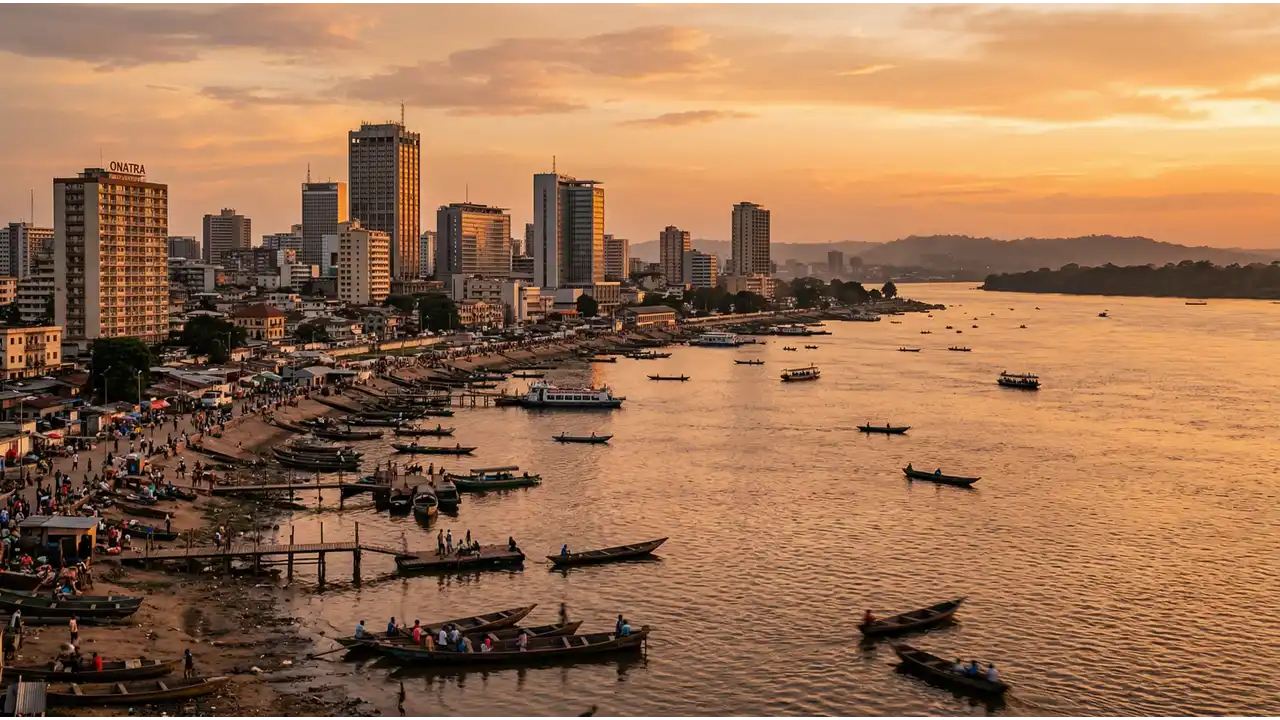
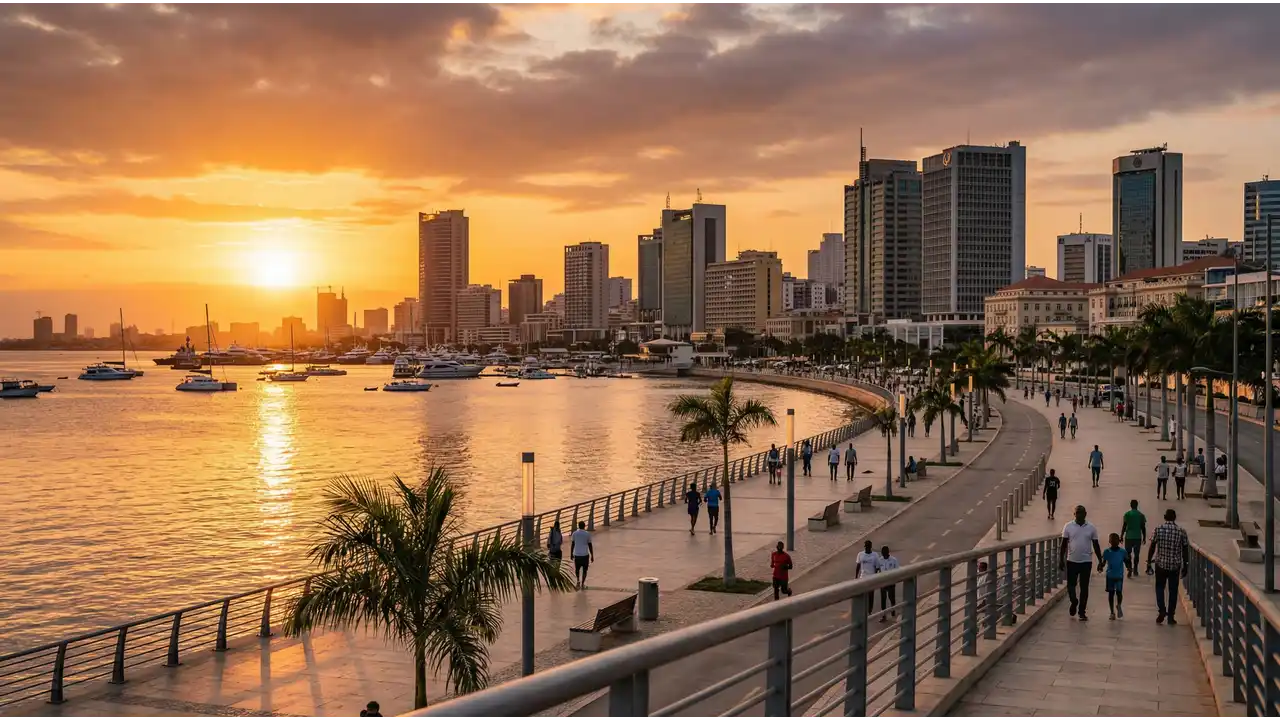
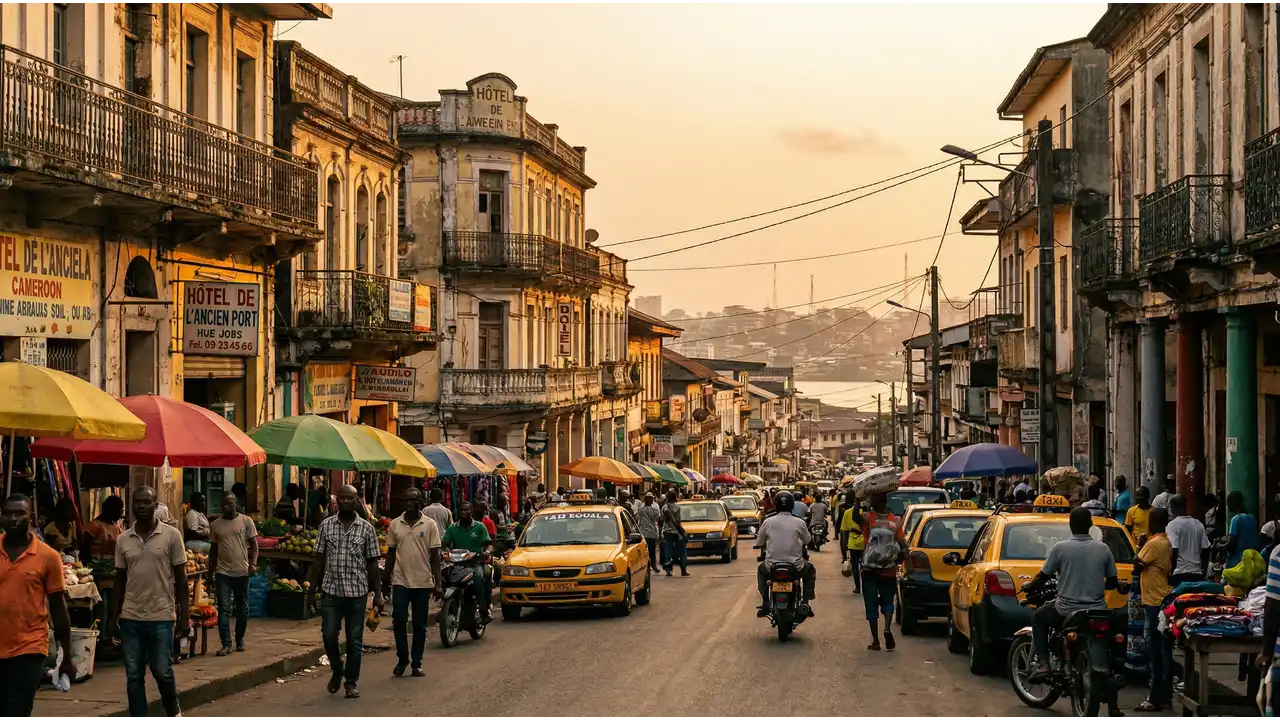
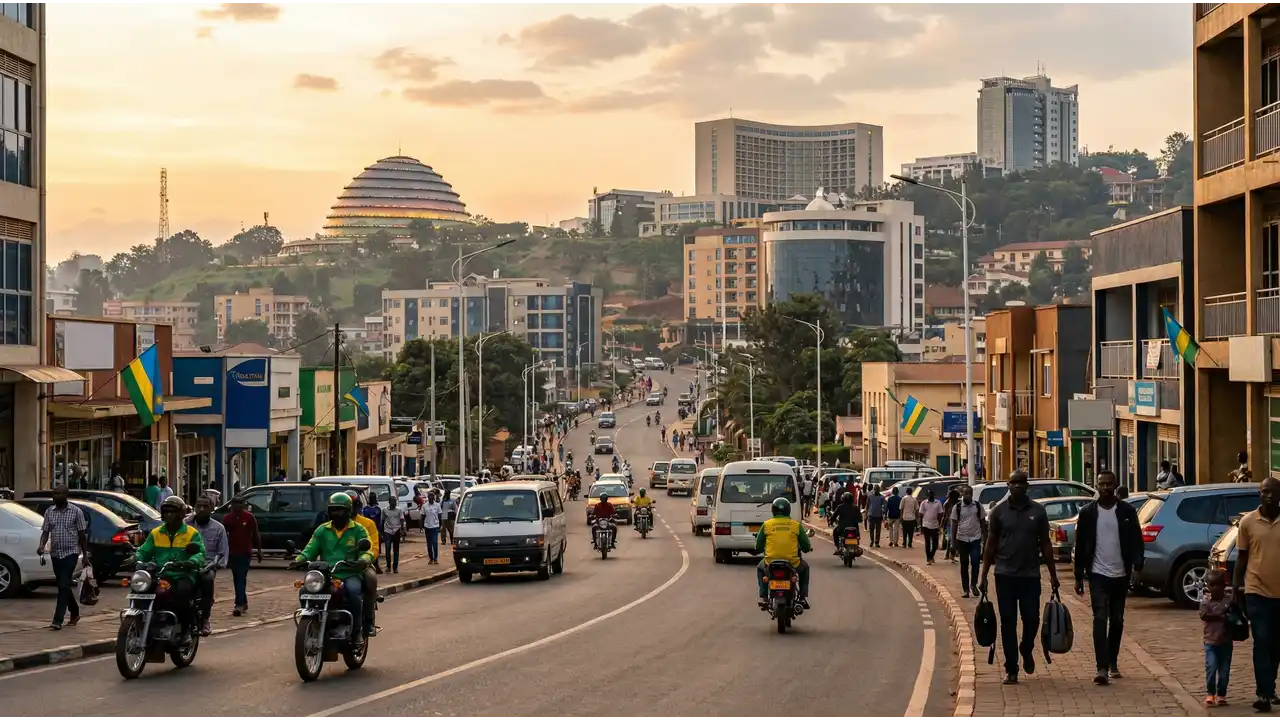
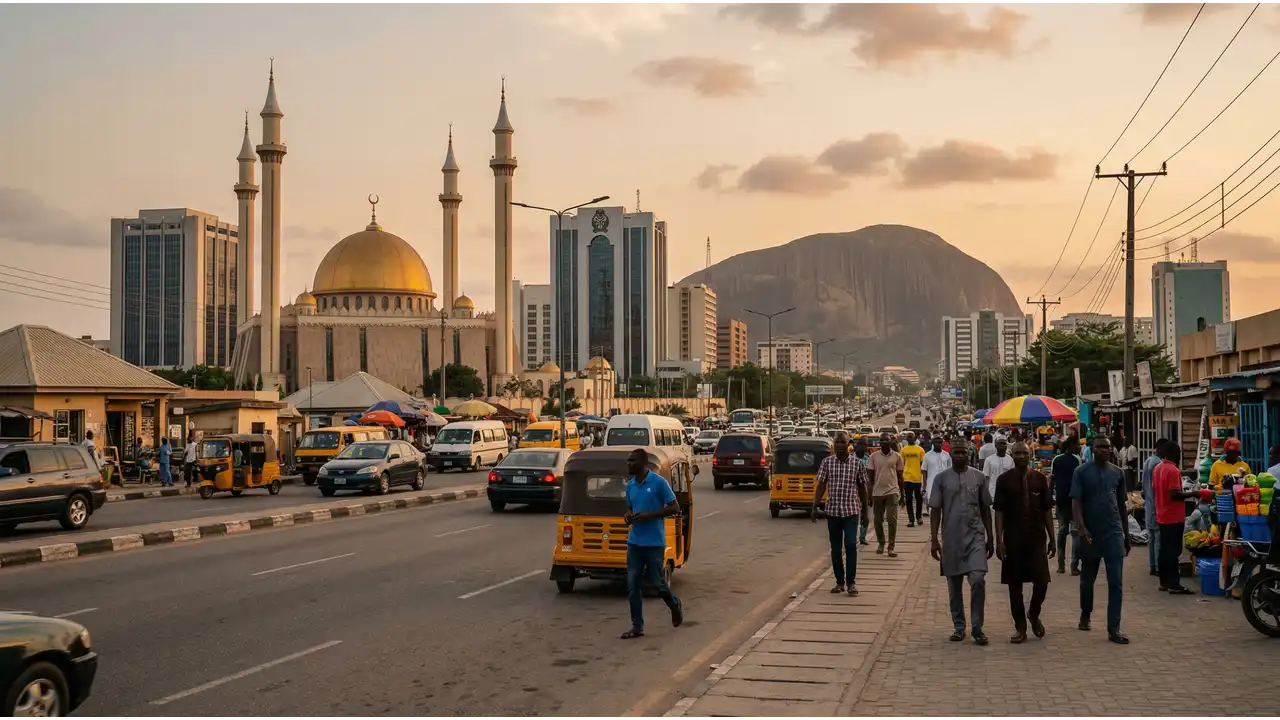
Kinshasa is the capital and largest city of the Democratic Republic of Congo, sitting on the Congo River with a population around 15 million. Daily life centers on informal commerce, markets, and congested streets. The climate is tropical, hot and humid year-round with a rainy season from October to May. Power outages and water shortages are common realities. Most residents navigate by informal transport (shared minibuses called matatus and motos), informal employment, and cash-based transactions. French is the official language; Lingala and Tshiluba are widely spoken. Expat communities cluster in specific neighborhoods like Gombe and Kinshasa proper. Life here requires practical problem-solving and flexibility.
💡 Local Insights
Kinshasa · 2026
Kinshasa operates largely on informal pricing and cash. The $637/month housing figure is DR Congo's national average inherited by the platform and does not represent a measured Kinshasa-specific rent survey. Actual expat rental costs vary dramatically: simple apartments in Gombe or Kinshasa center run $400-800/month, while secure compounds with backup power and water cost $1,200-2,500/month. Local renters pay substantially less. Groceries at formal supermarkets (Carrefour, Kin Shopping) cost roughly $335/month for a moderate diet of imported and local goods. Markets offer cheaper local produce and cassava-based staples. Eating out at casual spots costs $3-8 per meal; expat restaurants charge $12-25. Transport is cheap (matatus $0.50-2 per ride) but time-intensive. Utilities (when available) run $50-150/month depending on neighborhood and generator use. Healthcare, schools, and internet are significant costs for expats but negligible for locals relying on public systems. Security deposits and upfront rent (often 3-6 months) require substantial capital.
Frequently Asked Questions
How much does it cost to live in Kinshasa per month?
A moderate lifestyle in Kinshasa costs $1,675/month. This breaks down to housing at $637/month, food (groceries) at $335/month, transport, utilities, communications, and discretionary spending filling the remainder. A tighter budget runs $1,005/month; a comfortable expat lifestyle reaches $2,596/month. Costs vary sharply between local residents, who spend far less on rent and rely on informal markets, and expats, who pay premium prices for security, utilities, schools, and imported goods. Your actual spending depends heavily on neighborhood choice and lifestyle preferences.
What is the average rent in Kinshasa?
The $637/month housing figure shown here is DR Congo's national average, not a separate Kinshasa measurement. Kinshasa rents vary widely by neighborhood and tenant type. Expats typically pay $400-800/month for unfurnished one or two-bedroom apartments in mixed neighborhoods, or $1,200-2,500/month for secure compounds with reliable power and water in Gombe or similar areas. Local residents rent for considerably less. Rental practices require 3-6 months deposit upfront, and agreements are often informal. Furnished expat housing commands higher rates. Power outages and water shortages affect nearly all properties, making backup generators and storage tanks standard landlord investments.
Is Kinshasa cheap to live in for expats?
Kinshasa is not cheap for expats despite low nominal rent costs. The cost paradox: housing can be affordable, but safety and infrastructure requirements drive up real expenses. Expats spend heavily on secure accommodation, generators, water storage, backup internet (or expat-level connectivity), private schools, private healthcare, and imported groceries. These essentials push total costs well above local spending. Compared to major West African capitals like Lagos or Accra, Kinshasa offers lower nominal rents but less developed commercial infrastructure, meaning more out-of-pocket costs for basics. Expats on $2,000-2,500/month live comfortably; below $1,500/month requires significant compromises on safety and convenience.
How much does food cost per month in Kinshasa?
Groceries cost $335/month for a moderate diet. Markets sell cassava, plantains, beans, and local vegetables cheaply; imported items (cheese, cereal, butter) are expensive. A week of mixed local and imported groceries for one person runs $15-25. Eating out at casual local restaurants costs $3-5 per meal (rice, fish, leafy greens); mid-range establishments charge $8-12; expat restaurants charge $15-30. Street food is cheapest and common (fried plantains, grilled fish, bread). Formal supermarkets offer consistency but cost 2-3 times more than markets. Fuel costs and import taxes drive up prices for anything non-local. Many expats split costs by shopping markets for staples and supermarkets selectively.
What salary do you need to live comfortably in Kinshasa?
A comfortable expat lifestyle in Kinshasa requires around $2,596/month. This covers secure housing ($900-1,200), quality groceries and eating out ($400-500), reliable transport and utilities with backup systems ($300-400), international schooling or childcare if needed, healthcare, and some leisure spending. Local professionals earning $800-1,500/month live reasonably well by local standards. Expats earning less than $2,000/month typically accept reduced security, lower-quality housing, or limited access to expat social infrastructure. Remote workers or internationally paid salaries enjoy substantial comfort. Single expats can manage on $1,800-2,000/month with discipline; families need considerably more.
How does the cost of living in Kinshasa compare to other places?
Kinshasa runs $1,675 per month for a moderate lifestyle, making it comparable to Cape Town at $1,525 per month. Housing costs in Kinshasa average $637 monthly, which is notably cheaper than Cape Town's $845 per month for housing. If you're comparing to other African cities, Pretoria costs substantially less overall at $1,175 per month, though its housing at $492 per month reflects a lower cost base across the board. Outside Africa, Newcastle is considerably more expensive at $2,350 per month. Kinshasa's moderate cost reflects a mix of affordable local goods and services alongside higher prices for imported goods. Your actual spending will depend heavily on whether you live like a local (groceries, transport, housing in residential neighborhoods) or rely on expat services and international products, which shift costs upward significantly.
Yes, but only with substantial constraints. The $1,005/month budget is viable for local residents or deeply integrated expats accepting local living standards. Rent on this budget runs $200-400/month in informal neighborhoods with sporadic utilities. Groceries and local eating cost $200-250/month. Transport, phone, and basics fill the remainder. This cuts out: reliable electricity backup, running water guarantees, private schools, international healthcare, and expat social infrastructure. Security concerns increase significantly in cheaper areas. Few foreign workers maintain this budget without local ties, family support, or NGO housing provisions. Short-term expat visitors or those on tight assignments sometimes achieve it by sharing housing and accepting minimal comfort margins. It requires fluency in local systems and comfort with uncertainty.