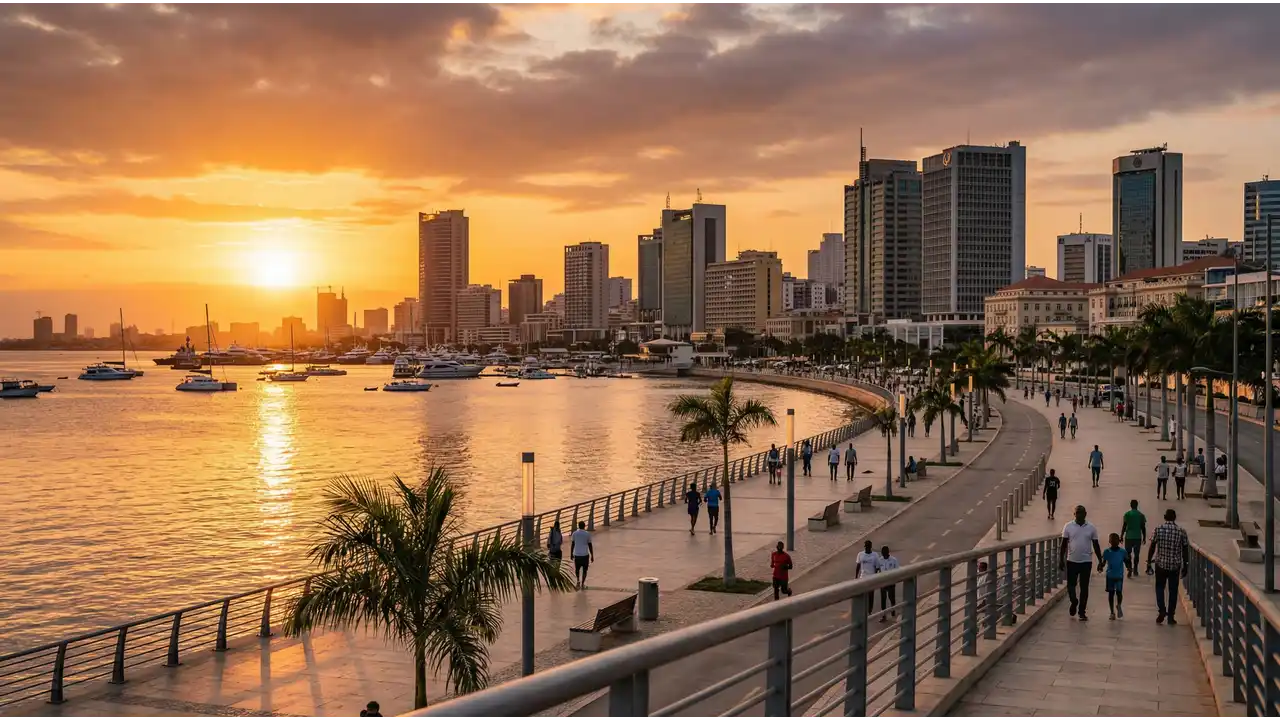
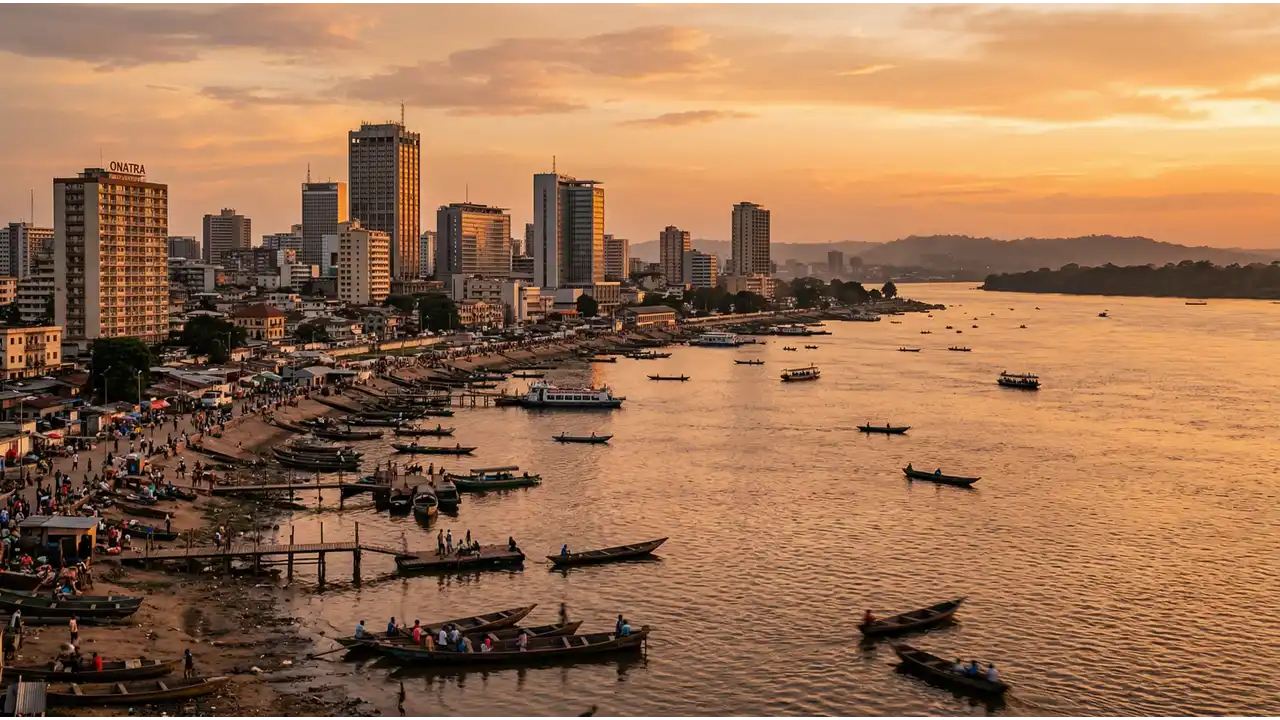
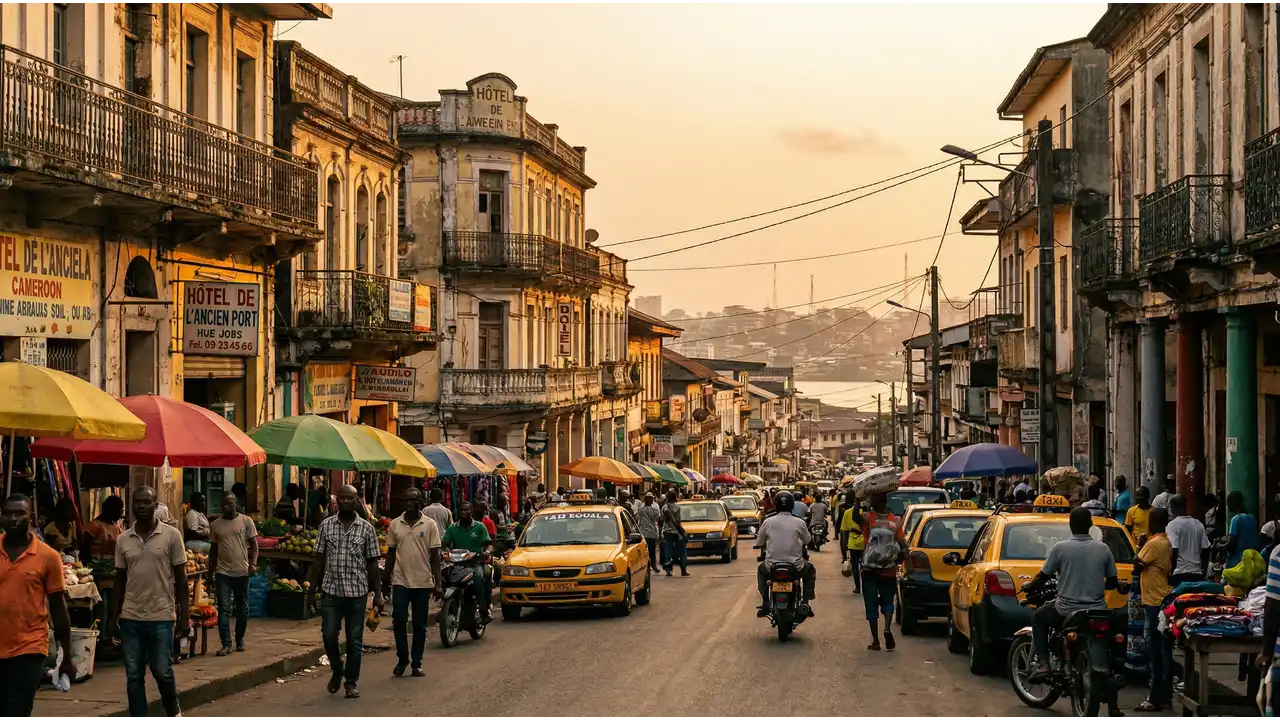
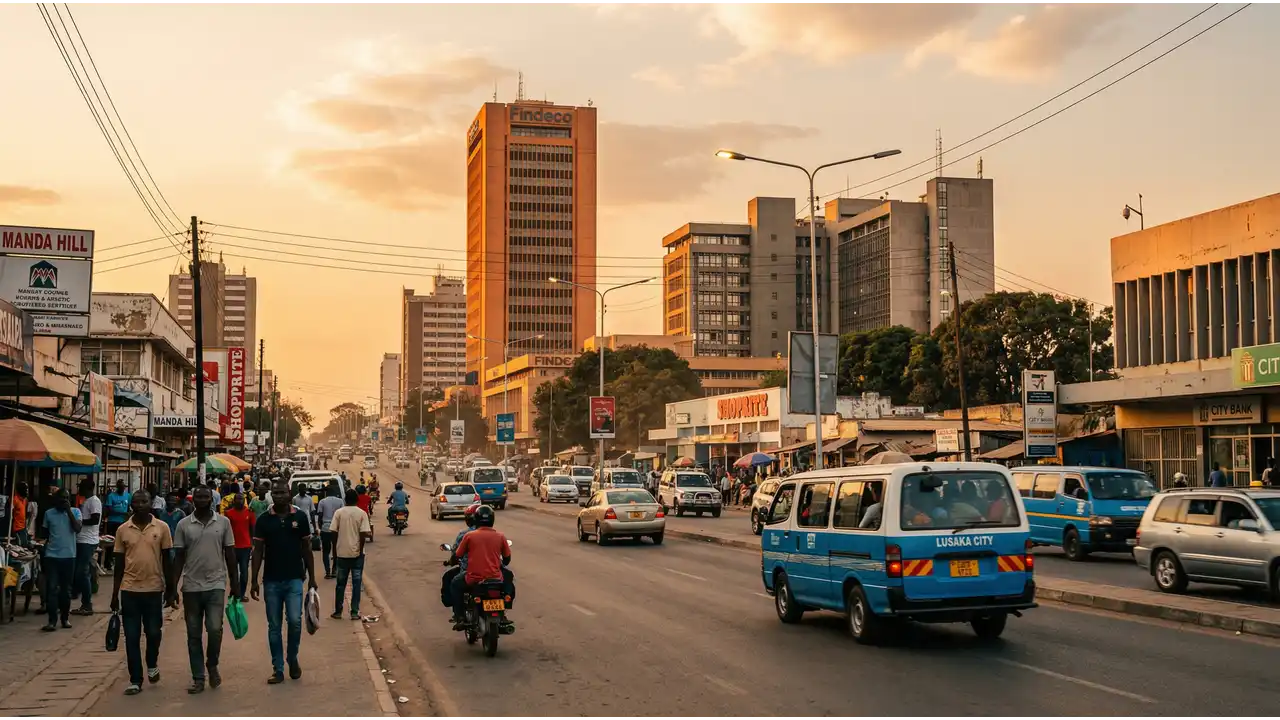
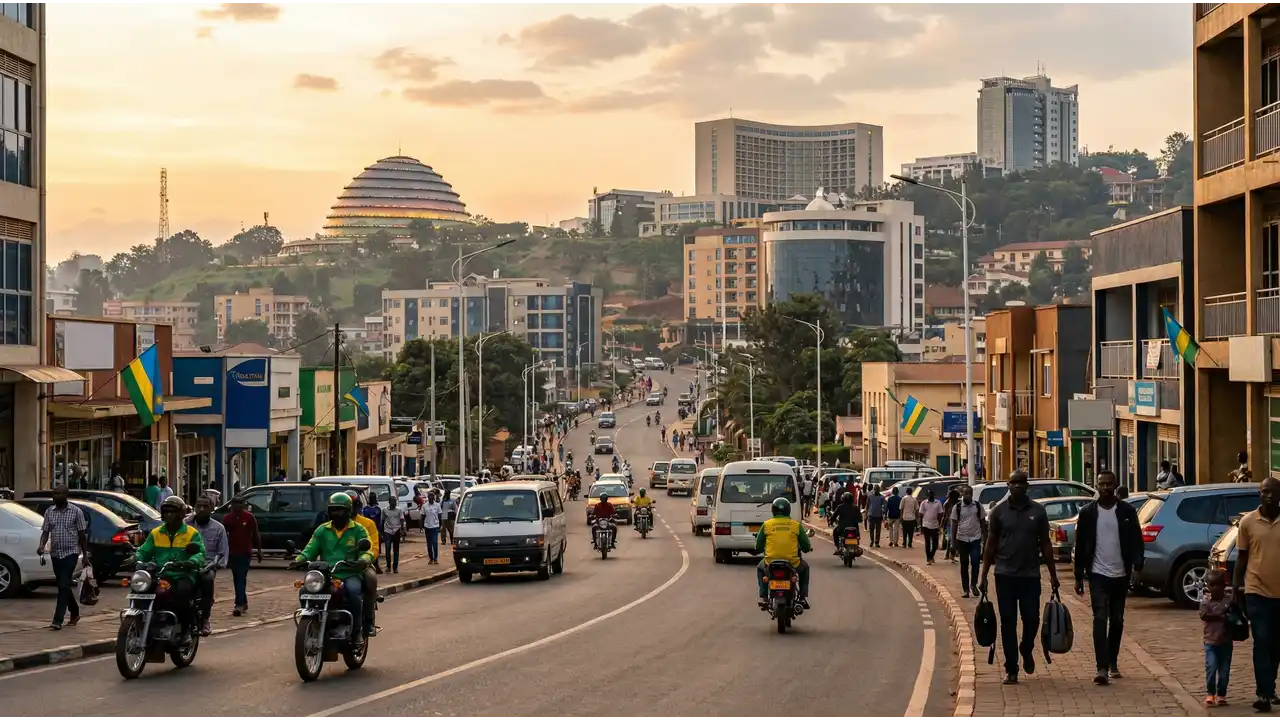
Luanda is Angola's capital and largest city, sitting on the Atlantic coast with a tropical climate. The city is home to government offices, oil industry workers, and a growing expatriate community, alongside long-established local neighborhoods. Daily life involves navigating heavy traffic, Portuguese as the primary language, and a mix of modern commercial districts and older residential areas. The rainy season runs October to April. Power outages and water supply issues remain common. The cost of living reflects Angola's oil-based economy and import dependence, making many goods expensive relative to regional peers.
💡 Local Insights
Luanda · 2026
Luanda's costs are driven primarily by import dependency and currency fluctuations. The Angolan kwanza has faced significant devaluation, raising prices for imported goods and fuel. Housing in the formal market (apartments in central districts like Miramar, Talatona, or Almedina) typically rents between $800 and $2,500 monthly for one to two bedroom units; the $523/month figure represents the Angola-level housing average that Luanda inherits rather than a separate local measurement. Groceries at supermarkets like Shoprite or Kero are notably expensive, with imported items costing 2-3 times US prices. Local markets offer cheaper produce but require navigation and language skills. Transport relies on private taxis (fixed routes, informal pricing around $0.50-$2 per trip) or ride-hailing apps in central areas. Expats and higher-income locals typically use private drivers or personal vehicles. Fuel costs fluctuate with global markets. Food inflation has been persistent. Budget travelers can reduce costs by eating at local establishments and shopping at informal markets, though this carries tradeoffs in convenience and food safety perception.
Frequently Asked Questions
How much does it cost to live in Luanda per month?
A moderate lifestyle in Luanda costs around $1,375/month. This breaks down to roughly $523 for housing (the Angola figure Luanda inherits), $275 for groceries, and the remainder for transport, utilities, dining out, and discretionary spending. Budget-conscious individuals can operate on $825/month by sharing accommodation, eating primarily at local restaurants, and minimizing travel. Comfortable living with private housing, regular dining out, and leisure activities runs closer to $2,131/month.
What is the average rent in Luanda?
The $523/month housing figure is Angola's national average that Luanda inherits rather than a separate Luanda rent measurement. In practice, formal rental markets in Luanda are substantially higher. Expat-friendly areas like Miramar, Talatona, and Almedina typically range $800-$2,500 for one to two bedroom apartments. Local neighborhoods and shared accommodation can be found for $400-$800, though these often lack consistent utilities or modern amenities. Furnished apartments command premiums. Rental agreements typically require deposits and may involve informal payment arrangements outside official channels. Utility costs (electricity, water, internet) add $50-$150 monthly depending on usage and area.
Is Luanda cheap to live in for expats?
No. Luanda ranks among Africa's more expensive cities for expatriates, particularly for housing and imported goods. Expat salaries often reflect this (many international positions offer 30-50% location premiums), but independent travelers or relocating professionals should budget accordingly. Costs are comparable to major African centers like Lagos and Accra, but higher than most Southeast Asian cities. The advantage is availability of familiar products and services in expat enclaves. Local staples and informal dining are significantly cheaper than formal restaurants or imported groceries, but quality and consistency vary. Currency volatility adds unpredictability.
How much does food cost per month in Luanda?
Groceries average $275/month for a moderate diet, though this varies sharply by shopping method. Supermarket shopping (Shoprite, Kero) runs $30-$50 weekly for basics like rice, beans, eggs, and canned goods. Imported items cost 2-3 times US prices. Local markets offer cheaper fresh vegetables and fruit ($2-$8 per item) but require time and negotiation. Eating out at casual local restaurants costs $3-$8 per meal; mid-range expat-oriented restaurants run $15-$40. Alcohol is expensive (imported beer $3-$5 per bottle in stores). Drinking water must be bottled, adding $10-$20 monthly.
What salary do you need to live comfortably in Luanda?
A comfortable lifestyle in Luanda requires around $2,131/month. This supports private housing in a secure neighborhood, regular dining out at established restaurants, reliable transport or vehicle use, and leisure spending. For families or those with higher expectations (larger accommodation, private schooling), budget $3,000-$5,000+. International employers typically offer packages reflecting Luanda's costs. Local salaries are substantially lower, with median monthly income well below $500 for non-professional workers. Expat professionals often negotiate hardship premiums or housing allowances separately.
How does the cost of living in Luanda compare to other places?
Luanda is expensive for West Africa, though not the most expensive city in the region. A moderate lifestyle costs $1,375 per month here, with housing running $523 monthly. That puts it slightly above Ouagadougou, where a moderate lifestyle costs $1,325 with housing at $452 per month. If you're comparing to cheaper alternatives, Kano runs $1,025 monthly with housing at $390. Kinshasa, however, is notably dearer. A moderate lifestyle in Kinshasa costs $1,675 with housing at $637 per month, making it about 20 percent more expensive overall than Luanda. Your budget will stretch further in smaller Angolan towns or in neighboring countries like Zambia or Namibia, but if you're relocating to the capital, expect prices well above most of sub-Saharan Africa outside major financial centers.
Yes, but with constraints. The budget tier of $825/month requires shared housing, eating primarily at local restaurants (not supermarkets or expat venues), minimal transport costs, and no leisure spending. This realistically means a room in a shared apartment ($200-$350), daily meals at local spots ($4-$10), and walking or informal taxis. Utilities, phone, and basic internet fit within the remaining budget. Internet speeds and reliability may be unreliable. This budget works for short-term visitors or locals with established networks, but offers minimal comfort buffer. Medical emergencies or unexpected costs quickly break this budget.