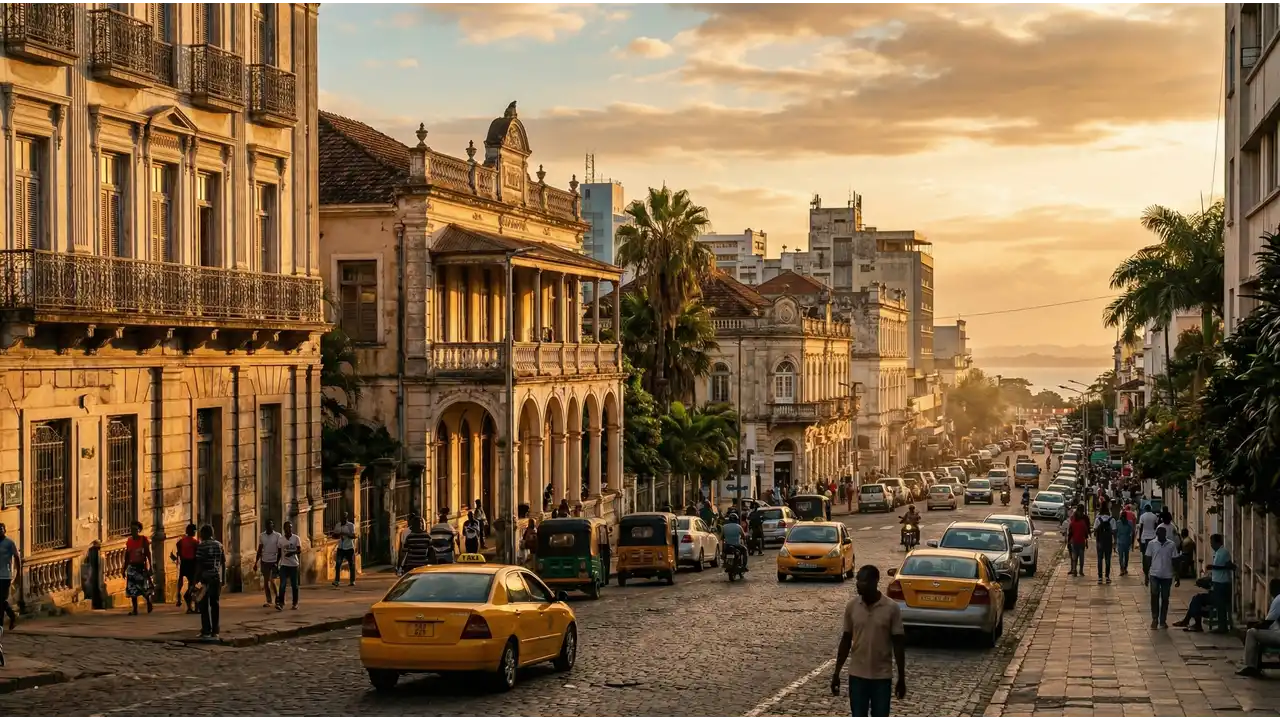
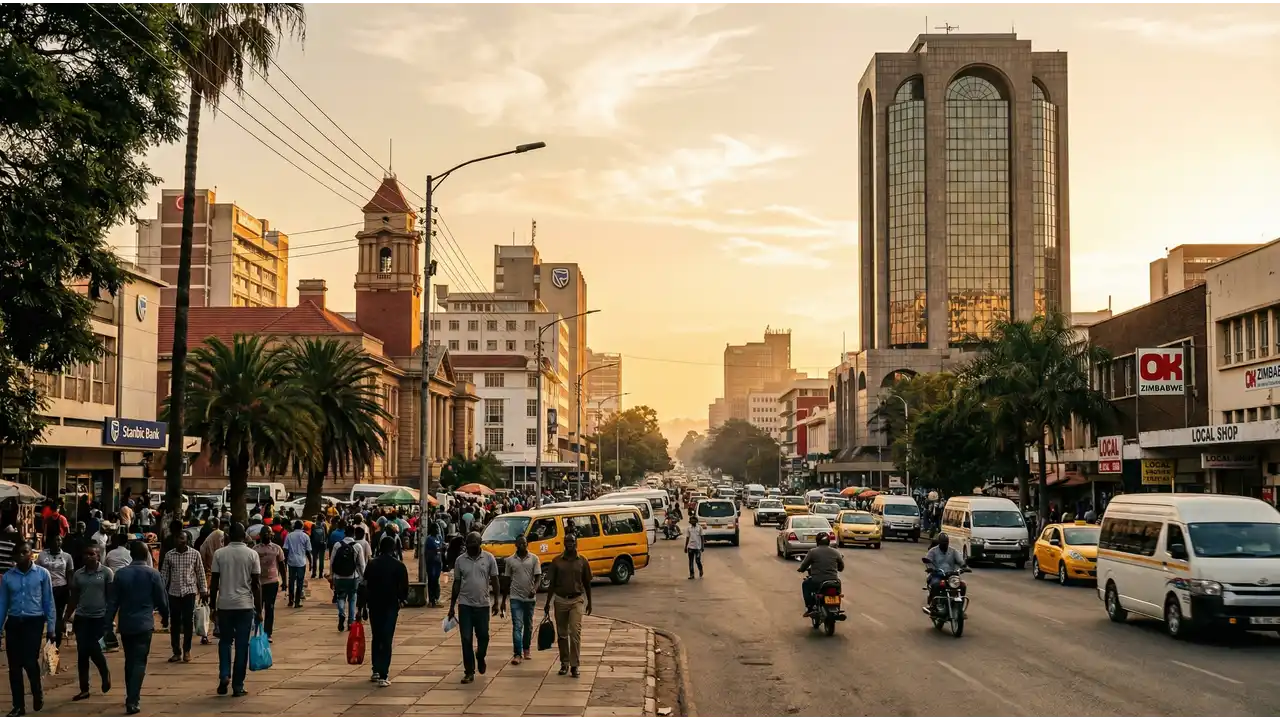
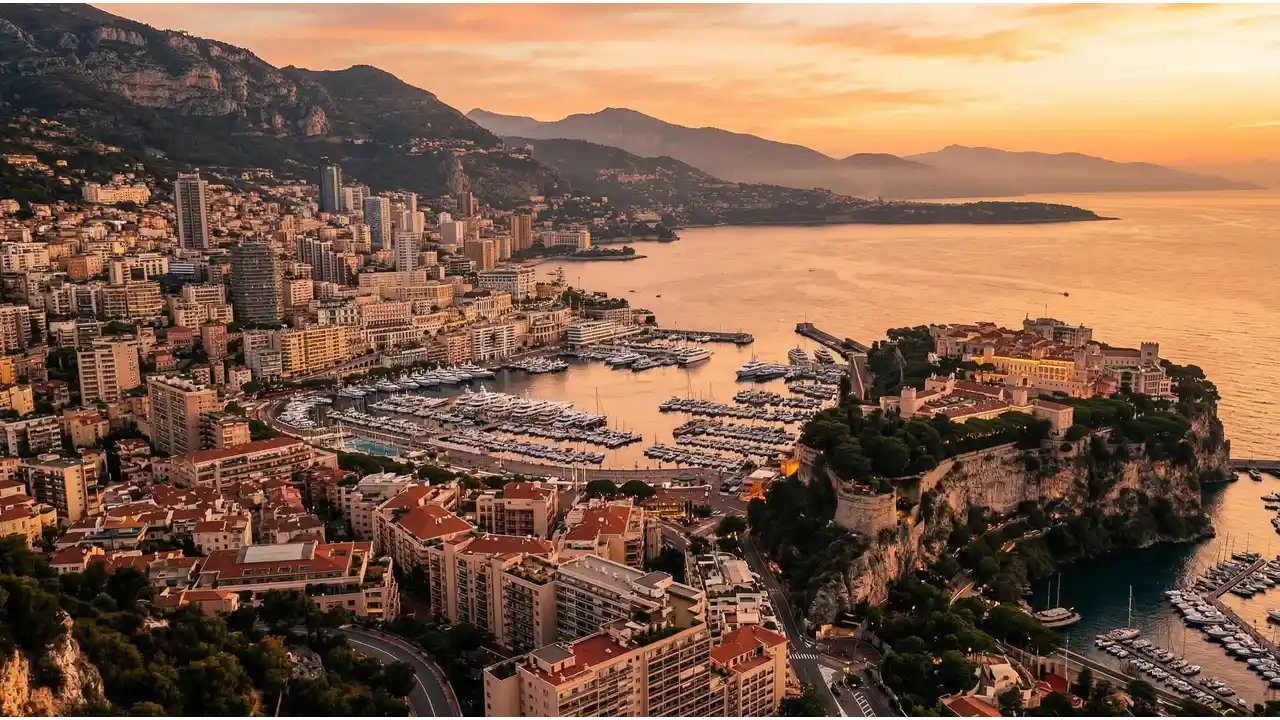
Maputo is Mozambique's capital and largest city, sitting on the Indian Ocean with a population around 1.9 million. The cityscape mixes Portuguese colonial architecture with modern high-rises, informal markets, and beachfront neighborhoods. Daily life centers on Avenida Julius Nyerere and the downtown core, where traffic is heavy and street vendors dominate commerce. The climate is subtropical and humid, with a rainy season from November to March. Most residents rely on minibuses and informal taxis for transport. The expat community (diplomats, NGO workers, business professionals) concentrates in wealthier suburbs like Polana and Costa do Sol, while most Mozambicans live in densely populated inner-city areas or peripheral neighborhoods.
💡 Local Insights
Maputo · 2026
Maputo's cost of living runs low by global standards, but prices have risen noticeably in recent years. Housing costs around $336/month and varies sharply by location. Central neighborhoods like Ponta Vermelha rent higher, while areas further out (Matosinhos, Xipamanine) run cheaper. Many expats pay premiums for security and amenities; furnished expat compounds can exceed $600 but basic local rentals sit well below $300. Groceries average $158/month if you shop at local markets and buy staple foods (maize, beans, rice, cassava, bananas). Imported goods and Western supermarkets cost significantly more. Transport is cheap: minibuses cost under $1 per ride, taxis negotiate per route. Expat pricing exists for restaurants and services; eating local is far cheaper than Western dining. Water and electricity fluctuate but remain modest. Healthcare costs spike if you need private clinics or evacuation insurance. Currency volatility (the metical fluctuates against the dollar) affects real purchasing power for expat salaries.
Frequently Asked Questions
How much does it cost to live in Maputo per month?
A moderate lifestyle costs around $825/month for most people. This breaks down as housing at $336/month, food (groceries) at $158/month, and the remainder covering transport, utilities, phone, and discretionary spending. A tighter budget runs $495/month if you live in peripheral areas, cook at home, and use minibuses exclusively. A comfortable lifestyle with more choice in housing and dining costs around $1,279/month. Your actual spend depends heavily on neighborhood choice and whether you shop at local markets or expat-oriented stores.
What is the average rent in Maputo?
Average housing costs around $336/month. In outer neighborhoods (Xipamanine, Matosinhos, Bairro Central), a one-bedroom apartment rents for $200 to $350. Central areas like Polana or near Avenida Julius Nyerere run $400 to $550. Expat housing with security, furnishings, and modern amenities climbs to $600 to $1,200. Informal rentals and shared accommodation fall below $250. Prices are negotiable, especially for longer leases. Property standards vary significantly; inspect carefully. Most leases require deposit and proof of income. Currency exchange rates affect dollar-quoted prices, so confirm terms in the local metical (MZN) and lock in for the lease period.
Is Maputo cheap to live in for expats?
Maputo is relatively inexpensive compared to Southern African hubs like Cape Town or Johannesburg, and far cheaper than Lusaka or Harare in real terms. However, cost depends entirely on lifestyle choices. Living local (sharing accommodation, using minibuses, eating market food) is genuinely affordable. Expat bubbles in Polana or Costa do Sol, with private cars, Western groceries, and air-conditioned restaurants, approach $1,500 to $2,000/month quickly. Most expats report that housing and transport are the main variables. Salary positions matter: diplomatic and NGO staff often have hardship allowances that inflate local prices. On a local or freelance income, $825/month is sustainable; on an expat salary, spending expands to fill it.
How much does food cost per month in Maputo?
Groceries average $158/month if you shop at local markets and buy Mozambican staples. A kilogram of maize meal costs around $0.30 to $0.50, beans $1 to $2, rice $0.80 to $1.20, fresh bananas $0.30/kg, and tomatoes $0.50 to $1/kg depending on season. Chicken runs $2 to $3/kg at local markets, fish $3 to $5/kg near the waterfront. Imported goods at supermarkets cost 2 to 3 times more. Eating out at local eateries (peri-peri chicken, rice, greens) costs $2 to $5 per meal. Mid-range restaurants $8 to $15, expat-oriented places $15 to $30. Most people mix market shopping with street food and occasional restaurant meals.
What salary do you need to live comfortably in Maputo?
A comfortable lifestyle costs around $1,279/month. This allows for housing in nicer neighborhoods ($400 to $550/month), regular restaurant meals, reliable transport (personal vehicle or frequent taxi use), private healthcare backup, and modest travel. Expats on professional contracts typically earn $1,500 to $3,000/month or more, well above comfort threshold. Local professionals earn far less; middle-class Mozambicans manage on $400 to $800/month. If you're on a local salary, the moderate budget of $825/month is realistic; comfort requires either a higher income or significant lifestyle adjustments (shared housing, public transport, home cooking). Currency stability matters since expat salaries are often USD-based.
How does the cost of living in Maputo compare to other places?
Maputo sits comfortably in the middle range for African cities. A moderate lifestyle costs $825 per month here, with housing running $336 monthly. That puts it slightly more expensive than Cairo, where a moderate lifestyle is $575 monthly, but notably cheaper than Pretoria at $1,175 per month. Tunis is the closest comparison at $775 monthly for a moderate lifestyle, making Maputo just marginally pricier overall.
The difference matters most in housing. Maputo's $336 monthly rent is higher than Cairo's $213 but substantially lower than Pretoria's $492. If you're relocating from Southern Africa, expect to pay less here. If you're coming from the Levant or North Africa, Maputo will feel slightly pricier, though not dramatically so. The gap narrows considerably once you account for local salaries and job market realities.
Yes, but with strict constraints. This budget tier requires sharing housing in peripheral neighborhoods (Xipamanine, Inhamizua), paying under $200/month rent, shopping exclusively at local markets, using minibuses for transport, cooking at home, and no private healthcare or restaurant meals. Food stays at $120 to $140/month on beans, maize, rice, and seasonal vegetables. Utilities run $30 to $50 total. Phone and transport cost $50 to $80. This leaves almost no cushion for emergencies, medical care, or travel. Feasible for someone with deep local connections, no dependents, and willingness to live as local residents do. Not realistic if you need imported goods, private housing security, air conditioning, or regular healthcare. Most long-term expats report this budget is unsustainable without hardship.