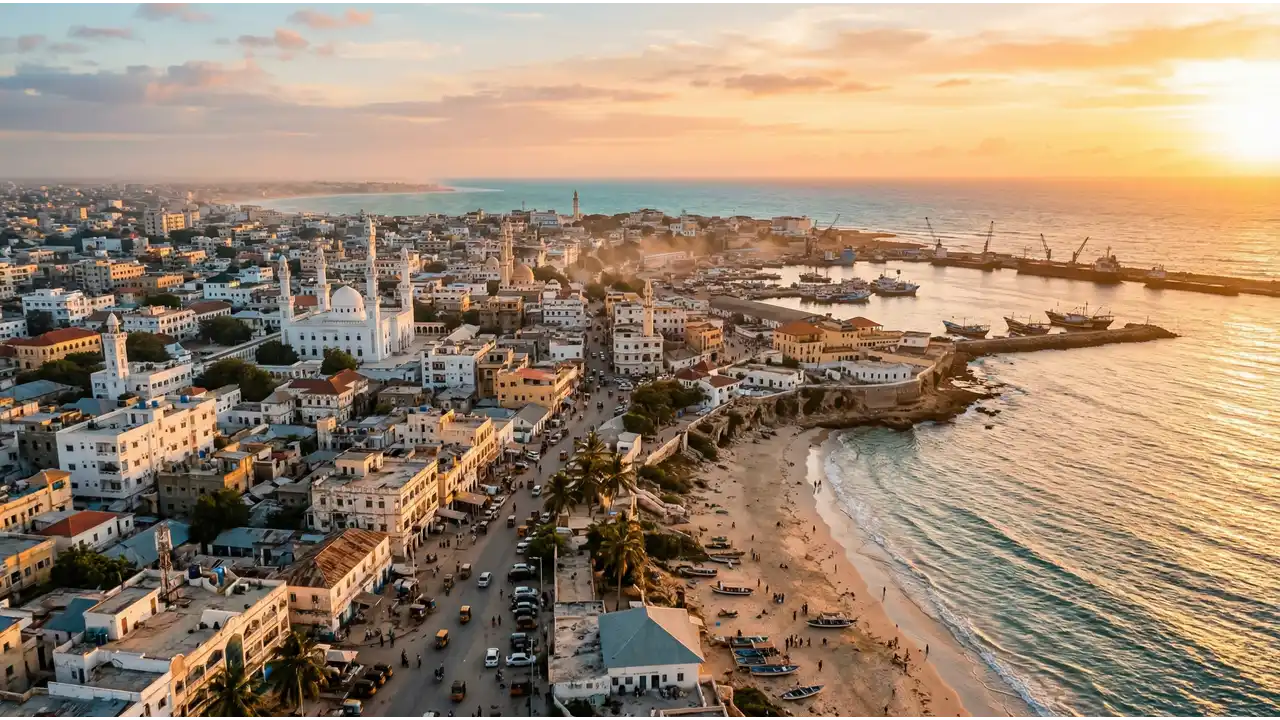
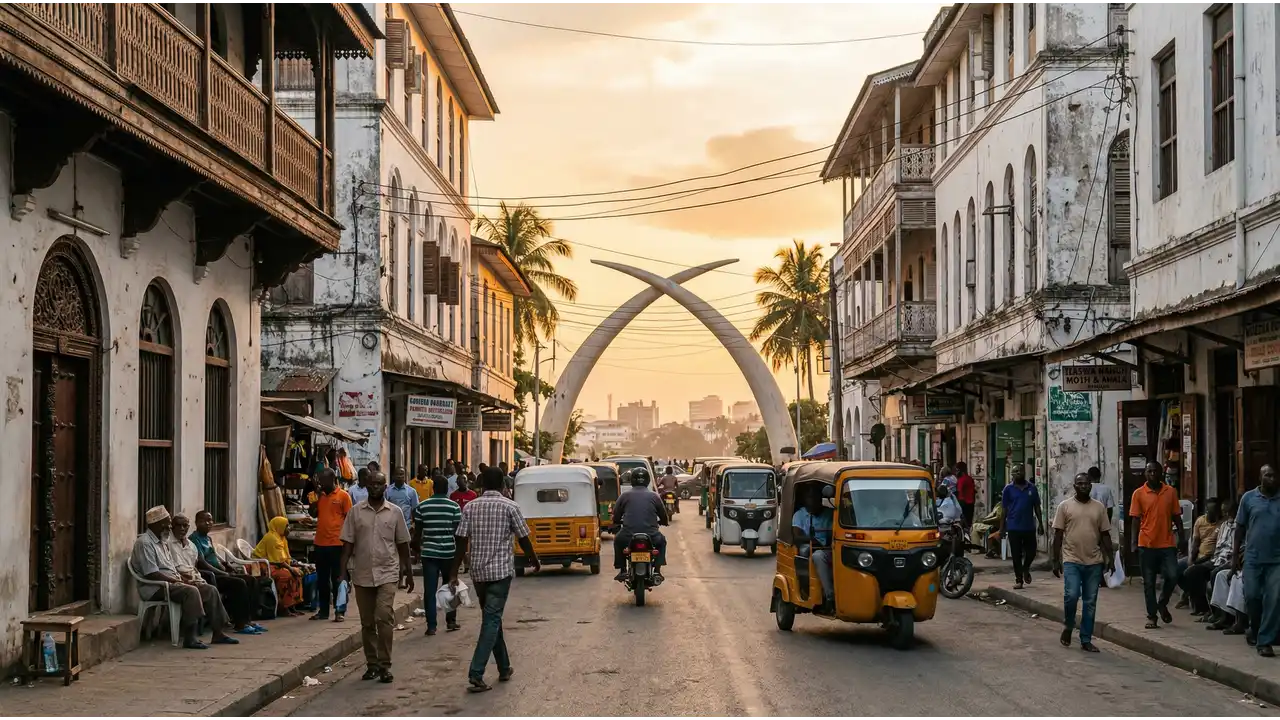
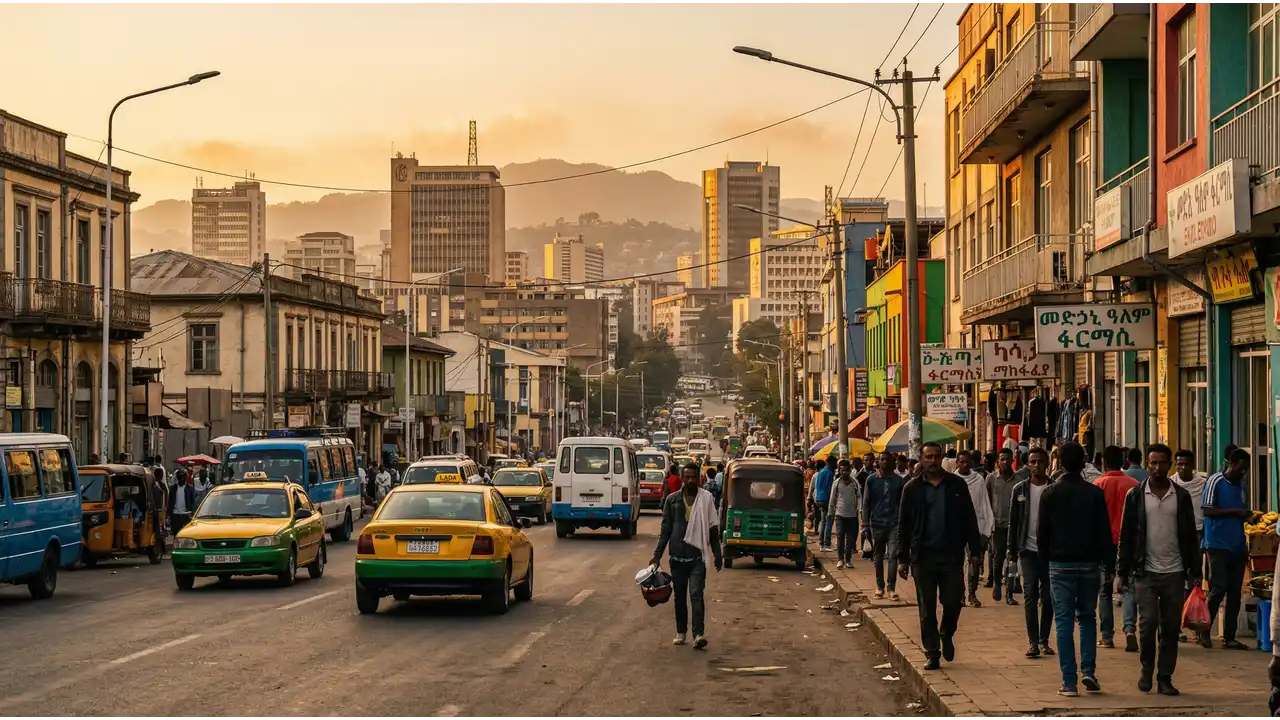
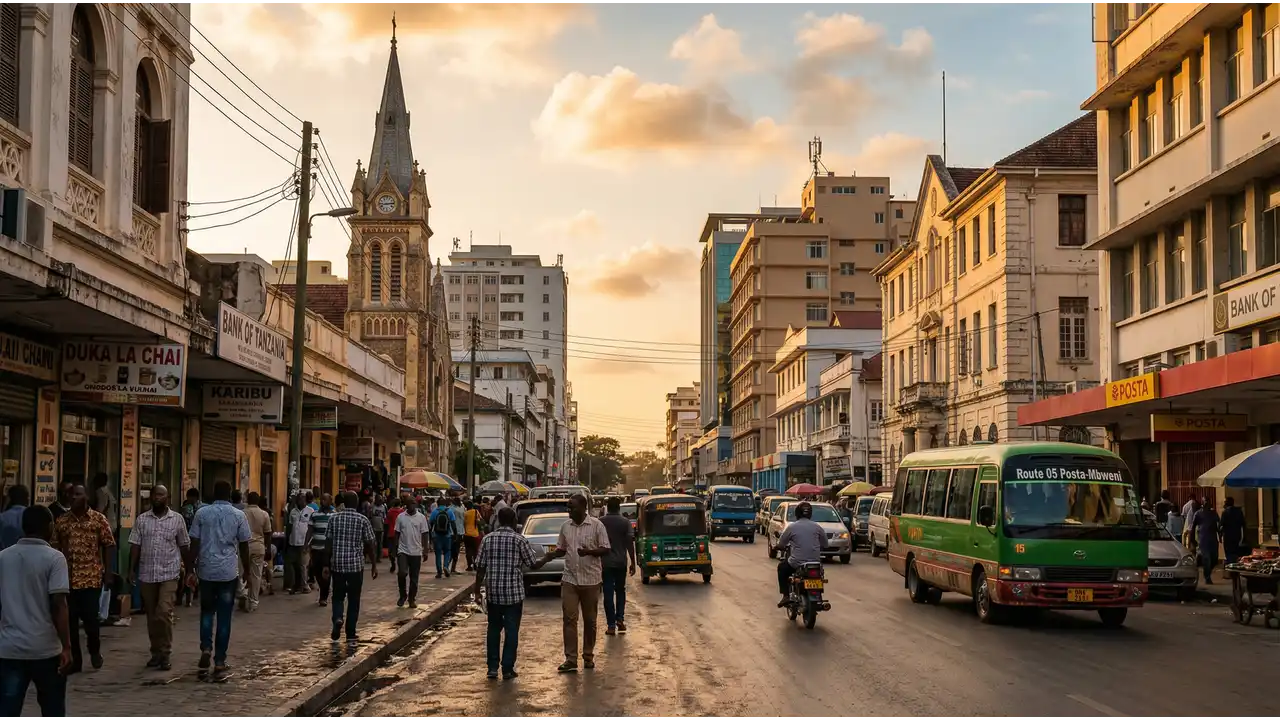
Mogadishu is Somalia's capital and largest city, located on the Indian Ocean coast. The city has a hot, humid tropical climate with two rainy seasons. Daily life centers around the central business district and neighborhoods like Hamar and Liido, where most expat housing and services concentrate. The population is predominantly Somali, with Arabic and English widely spoken alongside Somali. Daily routines involve navigating checkpoints, relying on generators for electricity (grid power is unreliable), and using mobile money for transactions. The city operates under significant security constraints, with armed presence visible and movement restrictions after dark in many areas. Most residents live in extended family compounds or apartment blocks. Internet connectivity exists but remains inconsistent.
💡 Local Insights
Mogadishu · 2026
Mogadishu's cost structure reflects both extreme scarcity and informal pricing. Housing at $144/month typically means a basic one-bedroom apartment in secure expat enclaves or shared accommodation in local neighborhoods. Furnished compounds with security features run higher; sparse rooms in residential areas run lower. Food costs at $155/month reflect high import dependency and limited supply chains. Staples like rice, pasta, and canned goods dominate budgets. Fresh produce is seasonal and expensive. Eating out ranges from $2 to $8 per meal at local restaurants. Transport is informal (shared minibuses, private taxis, or NGO shuttles for expats). Fuel costs and security fees inflate transportation. Expats typically pay premiums for housing, security, and imported goods; locals access cheaper versions of the same items. Mobile money (M-Pesa, Hormuud) is essential since banking is limited. Power, water, and internet all involve private arrangements and generators, adding to real costs beyond basic rent and food.
Frequently Asked Questions
How much does it cost to live in Mogadishu per month?
A moderate lifestyle in Mogadishu costs around $625/month. This breaks down as $144/month for housing (one-bedroom apartment in a secure area or shared compound), $155/month for groceries, and the remainder covering utilities (largely generator fuel), transport, communications, and incidentals. Budget travelers can manage on $375/month by accepting shared housing and minimal eating out. Those seeking more space, consistent electricity, or regular restaurant meals should plan $969/month or higher. Costs vary significantly based on security level, neighborhood, and whether you're accessing expat services or using local options.
What is the average rent in Mogadishu?
Average rent is around $144/month, though this figure varies by neighborhood and housing quality. A basic one-bedroom apartment in a residential area runs $80 to $150/month. Furnished apartments with security features in expat-preferred zones like Hamar or near the airport cost $200 to $400/month. Shared compounds or rooms are cheaper, sometimes $40 to $80/month. Most rental agreements are informal and negotiated directly. Expats typically pay premiums of 20-50 percent above local rates. Deposits are rarely required; rent is usually paid monthly or quarterly in US dollars or Somali shillings. Security and electricity access significantly affect price.
Is Mogadishu cheap to live in for expats?
Mogadishu is cheap by absolute standards, but the reality is more nuanced for expats. Basic costs (housing, food, local transport) are genuinely low. However, expats typically pay 30-50 percent premiums for everything due to security requirements, perceived income levels, and reliance on imported goods. Security compounds, private generators, reliable internet, and imported food substantially increase costs. Many expats spend $1,200 to $2,000/month when accounting for these necessities. Compared to Nairobi or Addis Ababa, prices are lower, but the security premium and infrastructure gaps mean you're paying for scarcity and risk mitigation, not just basic living expenses.
How much does food cost per month in Mogadishu?
Groceries for a month cost around $155/month for basic staples: rice, pasta, canned vegetables, cooking oil, salt, sugar, and tea. Fresh produce is seasonal and expensive; imported items like dairy and meat cost significantly more. A dozen eggs runs $3 to $5. A kilogram of rice costs $1 to $2. Canned goods are pricier than in Western countries due to import costs. Eating out at local restaurants costs $2 to $4 per meal (rice and stew, pasta dishes); expat restaurants charge $8 to $15 per meal. Markets in K4 and Mogadishu central offer better prices than supermarkets. Many expats supplement with imported frozen goods, which adds substantially to food budgets.
What salary do you need to live comfortably in Mogadishu?
A comfortable lifestyle in Mogadishu requires around $969/month. This allows for a furnished one-bedroom apartment with backup power, regular restaurant meals, reliable transport, and occasional leisure activities. At this level, you can afford consistent electricity, internet, some imported groceries, and frequent use of taxis or private drivers. It also covers incidentals like personal care, utilities (generator fuel, water delivery), and security costs. For expats in professional roles, $1,200 to $1,500/month is more realistic for genuine comfort, including occasional travel out of the city and access to expat social activities. Diplomatic and NGO staff often receive housing allowances that push total packages higher, reflecting security and infrastructure challenges.
How does the cost of living in Mogadishu compare to other places?
Mogadishu sits in the middle range for African cities. A moderate lifestyle runs $625 per month here, which is slightly higher than Cairo at $575 per month but significantly more expensive than Karachi at $500 per month. Housing tells a similar story: Mogadishu's moderate housing costs $144 per month, compared to $135 per month in Karachi, while Cairo's housing averages $213 per month. The real gap appears when you compare Mogadishu to larger regional centers like Kampala, which runs $900 per month for a moderate lifestyle with housing at $451 per month. For most expats and residents, Mogadishu remains affordable relative to other African cities, though security considerations, limited services, and infrastructure challenges mean your actual spending often depends less on local prices than on what goods and amenities are actually available.
Yes, but with significant constraints. At $375/month (the budget tier), you're covering basic survival: a shared room or simple apartment ($80 to $120/month), groceries ($155/month), and minimal transport and utilities. This means no air conditioning, sporadic electricity (relying on grid or shared generators), no eating out, and limited communication. You'll need local language skills, comfort with informal arrangements, and acceptance of basic living conditions. This budget requires living as a local does, without expat amenities or security features. It's viable for long-term researchers, NGO workers with organization support, or individuals with deep local ties. Most expats cannot sustain this level; organizations typically allocate $600 to $1,000/month minimum for staff safety and productivity.